
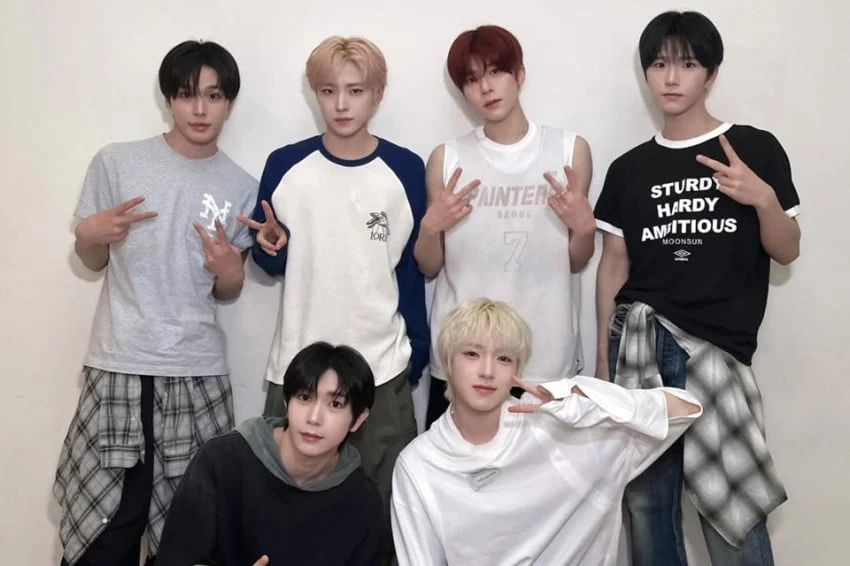
The burgeoning K-pop scene is no stranger to intense fan scrutiny, and the latest focus of this critical gaze is the rookie group NCT Wish. Since their highly anticipated debut, the group has found themselves at the center of a controversy, with accusations of concept plagiarism surfacing from fans of a fellow South Korean act, RIIZE. The core of the dispute lies in the perceived similarities between NCT Wish’s debut concept and RIIZE’s established "Odyssey" theme, igniting a fervent debate across social media platforms and fan communities.
The allegations gained significant traction after a series of comparisons made by fans, highlighting what they believe to be striking resemblances. These alleged parallels span various aspects of visual presentation, including the overall aesthetic, color palettes, and the conceptual approach adopted by NCT Wish. Many observers have pointed out that the "vibe" of NCT Wish’s materials bears an uncanny resemblance to the "Odyssey" concept that RIIZE had previously introduced to the public. Some fans have gone further, suggesting that specific details within NCT Wish’s visual content appear to be too identical to RIIZE’s existing material, fueling the narrative that NCT Wish’s concept might be a recycled or derivative iteration of RIIZE’s ideas.
This accusation carries particular weight within the K-pop fandom, where originality and distinct artistic identity are highly valued. For fans of RIIZE, the "Odyssey" concept is not merely a visual theme; it is reportedly imbued with a specific meaning and narrative that is integral to their group’s identity. The perceived replication by a new group, especially one under the umbrella of a major entertainment company like SM Entertainment, has led to strong reactions, with many RIIZE supporters expressing disappointment and a sense of artistic appropriation.
The Genesis of the Controversy
The controversy appears to have ignited shortly after NCT Wish unveiled their debut concept materials. While the exact timeline of when these comparisons began is difficult to pinpoint with absolute precision, it is evident that the discussions intensified rapidly on platforms like Twitter, Reddit, and various K-pop forums. Fans meticulously cataloged visual evidence, juxtaposing images and video clips from both groups’ promotional content to illustrate their claims.
NCT Wish, the newest unit under the expansive NCT brand, made their official debut on February 21, 2024, with their single album "Wish." The group, comprising six members – Sion, Riku, Yushi, Jaehee, Ryo, and Sakuya – was presented with a concept that aimed to embody youth, dreams, and the pursuit of aspirations. This narrative was intended to resonate with a global audience, reflecting NCT’s established strategy of international appeal.
RIIZE, another prominent rookie group under SM Entertainment, had previously established their "Odyssey" concept. While the specifics of RIIZE’s "Odyssey" are not always explicitly detailed in press releases, it has been understood by their fanbase as a thematic framework that guides their artistic output, often associated with a journey, self-discovery, and the exploration of new frontiers. The timing of NCT Wish’s debut and the subsequent surfacing of these allegations suggest a direct comparison being drawn between the two groups’ initial artistic statements.
Unpacking the Alleged Similarities
The core of the plagiarism accusations revolves around several key areas:
- Visual Aesthetic and Tone: Fans have pointed to a shared atmospheric quality in the visual presentation of both groups. This includes the use of specific lighting techniques, cinematic styles, and a general mood that is perceived as remarkably similar. The melancholic yet hopeful undertones, often associated with themes of growth and aspiration, are frequently cited as points of convergence.
- Color Palettes: The chosen color schemes in promotional photos, music videos, and other visual assets are another area of contention. Specific combinations of pastels, muted tones, or vibrant contrasts have been identified by fans as being too close for comfort, suggesting a potential lack of originality in the artistic direction.
- Conceptual Messaging: Beyond the visual, there’s an argument that the underlying message and narrative framework of NCT Wish’s debut concept mirror that of RIIZE’s "Odyssey." While both concepts may broadly touch upon themes of youth and dreams, the specific interpretation and execution are what fans are scrutinizing for signs of imitation. For instance, if both concepts involve a metaphorical journey or a quest for identity, the way these elements are visually and narratively portrayed becomes crucial.
- Specific Imagery and Symbolism: In some instances, fans have highlighted what they deem to be specific recurring motifs or symbolic elements that appear in both groups’ content. This could range from particular types of landscapes or settings to the use of certain props or symbolic gestures that are seen as too derivative.
It is important to note that K-pop concepts, by their nature, often draw inspiration from broader trends and artistic movements. However, the line between inspiration and imitation can be a fine one, and it is often the intensity and specificity of the perceived similarities that trigger such debates.
Fan Reactions and Social Media Discourse
The online reaction to the plagiarism accusations has been swift and multifaceted. RIIZE fans, often referred to as "BRIIZE," have been vocal in their defense of their group’s artistic integrity. Many have expressed their frustration, feeling that RIIZE’s unique concept has been unfairly appropriated. Hashtags related to the controversy have trended on social media platforms, amplifying the discussion and drawing attention from a wider K-pop audience.
On the other hand, NCT fans, known as "NCTzens," have offered varying perspectives. Some have acknowledged the perceived similarities but have defended NCT Wish, suggesting that the group is still finding its footing and that any resemblance might be coincidental or a result of shared creative direction from the agency. Others have dismissed the accusations outright, viewing them as an attempt by rival fandoms to undermine NCT Wish’s debut.
The debate has also extended to discussions about SM Entertainment’s role in the creative process. Given that both groups are under the same agency, some fans have questioned whether there was a lack of internal communication or oversight in developing NCT Wish’s concept, potentially leading to unintended overlaps with existing group identities.
The "Odyssey" Concept: A Deeper Look
While the exact, official definition of RIIZE’s "Odyssey" concept might be nuanced and open to interpretation, its impact on their fanbase and its perceived uniqueness are undeniable. Concepts in K-pop often serve as a narrative anchor, providing a thematic consistency that binds a group’s releases together. An "Odyssey" theme typically evokes a sense of a grand journey, a quest filled with challenges, discoveries, and personal growth. It can manifest visually through imagery of exploration, vast landscapes, or metaphorical pathways.
For RIIZE, the "Odyssey" could represent their collective journey as a group, their individual paths as artists, or even their engagement with the music industry and their fans. The depth and emotional resonance of such a concept are what make fans protective of it. When a new group appears to adopt a similar thematic framework, it can feel like a dilution of that unique narrative.
Broader Implications for the K-Pop Industry
The NCT Wish-RIIZE controversy, while specific to these two groups, touches upon broader issues within the highly competitive K-pop industry:
- The Challenge of Originality: As the industry continues to expand, the challenge of developing truly original and distinct concepts becomes increasingly difficult. Agencies often rely on tried-and-tested formulas, which can sometimes lead to perceived similarities between groups, both within and across agencies.
- Fan Vigilance and Fandom Power: The intense scrutiny by K-pop fans highlights the power of fandoms in shaping narratives and holding artists and agencies accountable. Fan communities act as informal arbiters of authenticity and originality, and their collective voice can significantly influence public perception.
- The Role of Entertainment Agencies: The incident also raises questions about the creative processes within large entertainment agencies. Ensuring that new groups have distinct identities and concepts is crucial for their long-term success and for maintaining the diversity of the K-pop landscape.
- Navigating Debut Hype: Debut periods are often fraught with heightened expectations and intense scrutiny. Rookie groups are under immense pressure to make a strong first impression, and any perceived misstep, including accusations of plagiarism, can cast a shadow over their initial launch.
Absence of Official Statements
As of the time of this report, there have been no official statements released by SM Entertainment addressing the plagiarism allegations directly. Similarly, representatives from NCT Wish or RIIZE have not publicly commented on the matter. In K-pop, agencies often choose to address controversies through subtle actions, internal adjustments, or sometimes, by remaining silent until the situation either de-escalates or necessitates a formal response. The lack of immediate official comment is a common approach in such situations, allowing the initial wave of fan discourse to subside.
However, the silence from the agency does not diminish the intensity of the fan discussion. It leaves the interpretation and resolution of the controversy largely in the hands of the public and the fandoms involved.
Conclusion: A Lingering Question of Artistic Identity
The controversy surrounding NCT Wish’s debut concept and its alleged similarities to RIIZE’s "Odyssey" theme serves as a potent reminder of the intricate relationship between artistic creation, fan perception, and the competitive nature of the K-pop industry. While definitive proof of plagiarism is often difficult to ascertain, the sheer volume of fan comparisons and the passionate discourse generated underscore the importance of originality and distinctiveness in the highly saturated K-pop market.
As NCT Wish embarks on their career, the shadow of these accusations will likely linger, at least in the minds of some fans. The group’s subsequent releases and conceptual evolution will be closely watched, not only for their artistic merit but also for their ability to carve out a unique and undeniable identity that stands apart from any perceived resemblances to their seniors. The ongoing debate highlights the critical role of creative integrity and the power of discerning audiences in shaping the trajectory of K-pop acts.