
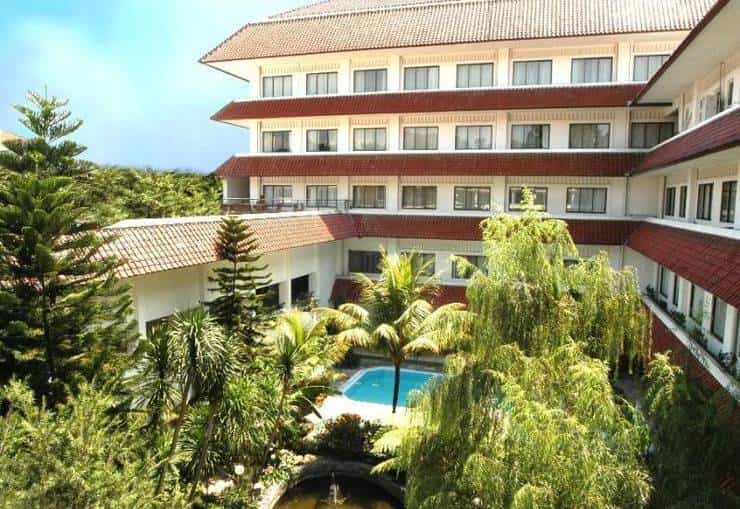
Hotel Salak The Heritage stands as a premier four-star accommodation located on Jalan Ir. H. Juanda No. 8 in Bogor, West Java, serving as both a functional hotel and a historical landmark that preserves the architectural legacy of the Dutch East Indies. Situated directly across from the Bogor Presidential Palace, the hotel represents a unique intersection of 19th-century colonial history and contemporary luxury. Its strategic position provides guests with unparalleled access to the city’s most significant cultural and natural landmarks, including the Bogor Botanical Gardens, the Museum of Zoology, and the administrative heart of the city. As one of the oldest hotels in Indonesia, its narrative is deeply intertwined with the socio-political evolution of the archipelago, from the height of the Dutch colonial era to the modern day.
A Foundation in the 19th Century: The Bellevue-Dibbets Era
The history of Hotel Salak The Heritage begins in 1856, a period when Bogor—then known as Buitenzorg—served as the preferred retreat for the colonial elite seeking refuge from the heat and disease of Batavia (modern-day Jakarta). The establishment was originally named the Bellevue-Dibbets Hotel and was owned by the family of Charles Ferdinan Pahud, who served as the Governor-General of the Dutch East Indies from 1856 to 1861. During this era, the hotel was not merely a commercial venture but a vital infrastructure for the Dutch East India Company (VOC) and later the colonial government. It functioned as the primary accommodation for high-ranking Dutch officials, foreign dignitaries, and aristocrats visiting the Governor-General at the nearby Buitenzorg Palace.
The architecture of the original structure reflected the "Indische Empire" style, a fusion of European neoclassical elements adapted to the tropical climate of Java. High ceilings, thick masonry walls designed to retain coolness, and expansive verandas were hallmarks of this design. The hotel’s name, "Bellevue," which translates to "beautiful view" in French, was a tribute to the stunning vistas of Mount Salak and the lush greenery that surrounded the property before the urban expansion of Bogor. For nearly a century, the hotel remained a symbol of European prestige and social life in the cool highlands of West Java.
The Turbulence of War: Japanese Occupation and Nationalization
The peaceful colonial life associated with the Bellevue-Dibbets Hotel was abruptly interrupted during the 1940s. With the Japanese invasion of the Dutch East Indies in 1942, the hotel was requisitioned by the Imperial Japanese Army. During World War II, the property was transformed into a military headquarters and a base for the Kempeitai, the Japanese military police. This period marked a dark chapter in the building’s history, as the once-luxurious guest rooms were repurposed for administrative and military functions, stripped of their civilian comforts to serve the needs of the "Greater East Asia Co-Prosperity Sphere."
Following the surrender of Japan in 1945 and Indonesia’s subsequent Declaration of Independence, the hotel entered a new phase of national identity. In the post-revolutionary period, the Indonesian government took over many former Dutch assets. The hotel was officially nationalized and renamed Hotel Salak, derived from the majestic volcano that dominates the Bogor skyline. Ownership was transferred to the Indonesian government, and the facility began serving the needs of the newly formed republic. Throughout the mid-20th century, it underwent various renovations to modernize its facilities while attempting to retain the "Heritage" designation that honors its 1856 origins.
Architectural Integrity and Modern Facilities
Today, Hotel Salak The Heritage manages a delicate balance between preserving its 19th-century aesthetic and providing 21st-century amenities. The hotel features 140 guest rooms, each designed to evoke a sense of "Old World" charm without sacrificing modern convenience. The rooms are categorized into several types, ranging from Superior and Deluxe rooms to Colonial Presidential Suites, which feature period-appropriate decor and high-end finishes.
The hotel is also a major hub for business and diplomatic activity in Bogor, housing 16 versatile meeting rooms and ballrooms. These spaces are frequently used for government seminars, corporate conferences, and high-society weddings. The interior design across these facilities maintains the Dutch colonial theme, characterized by polished marble floors, dark wood accents, and vintage chandeliers.
For leisure and recreation, the hotel offers a comprehensive suite of services, including:
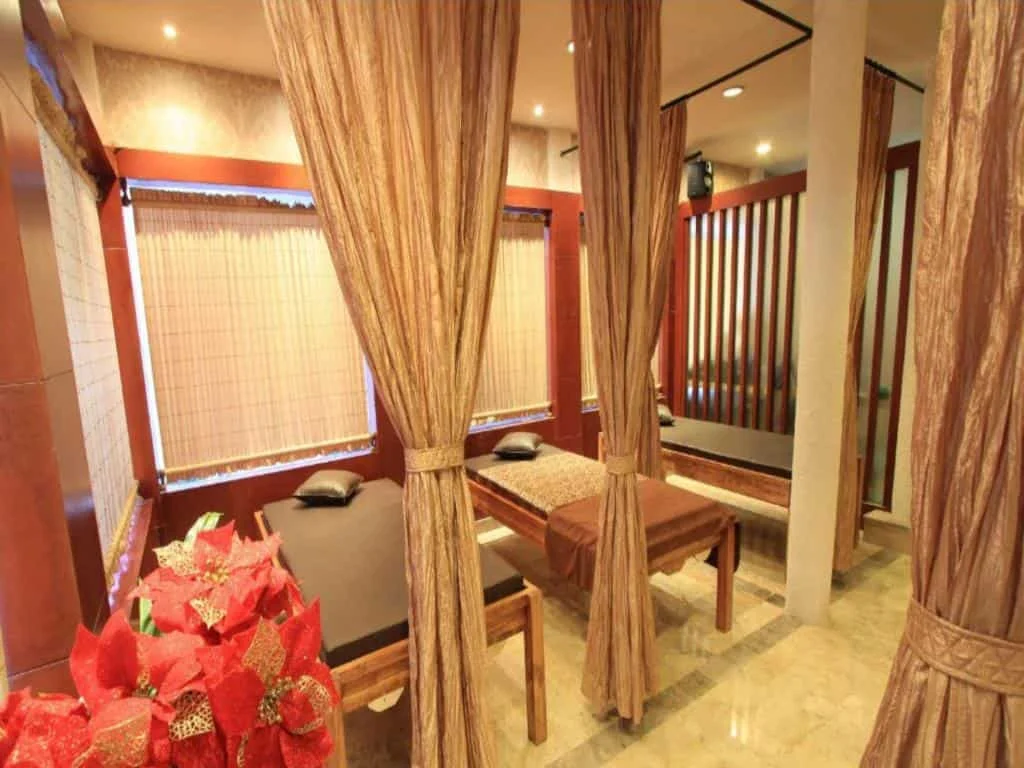
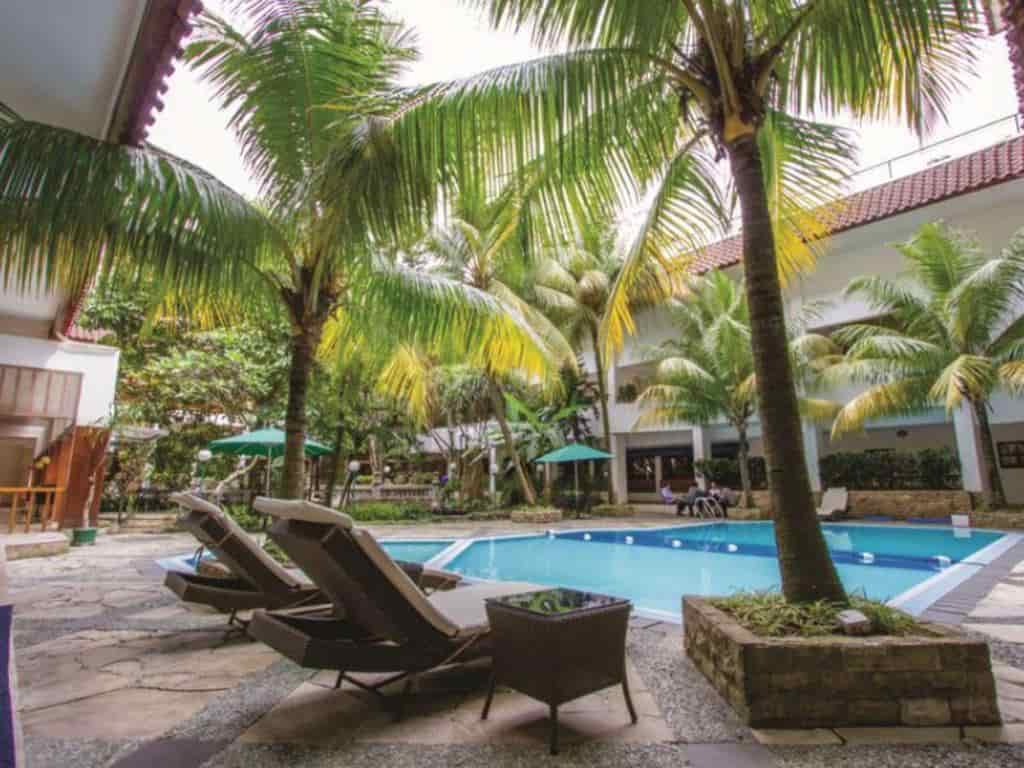
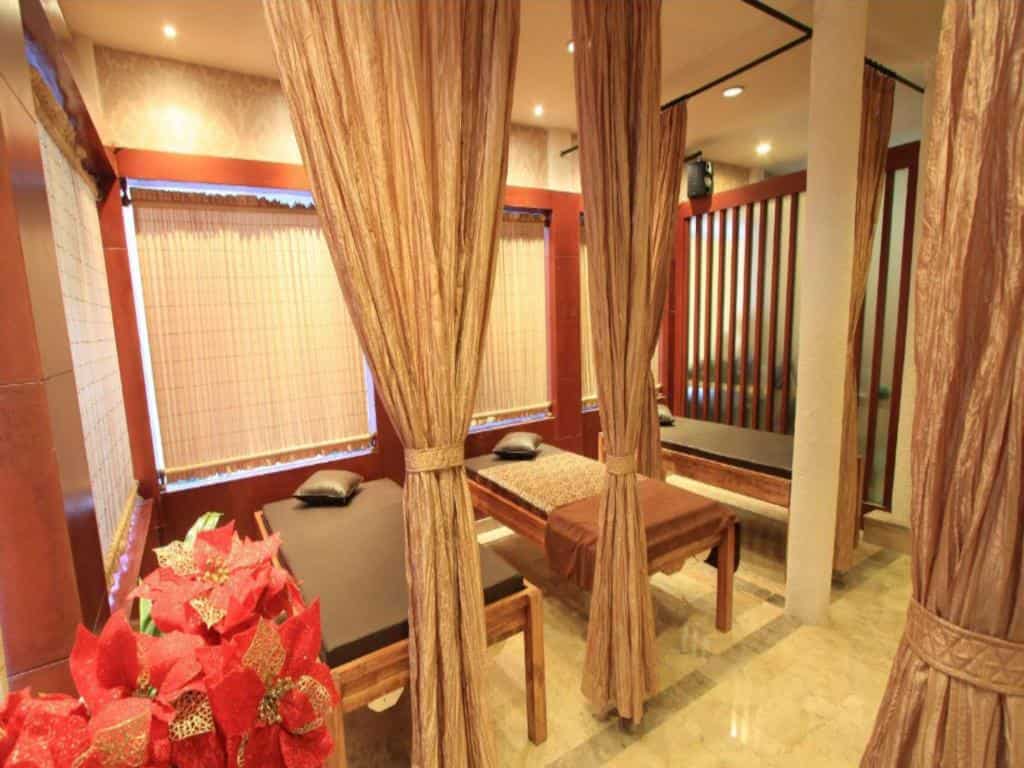
- Fitness and Wellness: A fully equipped fitness center, a spa offering traditional Javanese treatments, and an outdoor swimming pool that provides a tranquil escape from the city’s bustle.
- Dining and Gastronomy: The hotel hosts several dining outlets, including the Kanari Cafe, the Den Haag Cafe—which serves a mix of Indonesian and European cuisine—and a specialized coffee shop and bar. These venues often feature menus that reflect the culinary fusion of the colonial era.
- Entertainment: Facilities for billiards, karaoke, and a well-stocked library provide diverse options for guest engagement.
Diplomatic Significance: The 2006 Bush Visit
One of the most significant milestones in the modern history of Hotel Salak The Heritage occurred in November 2006. During the official state visit of United States President George W. Bush to Indonesia, the hotel was selected to play a critical role in the diplomatic proceedings. Due to its proximity to the Bogor Presidential Palace and its high standards of service and security, the hotel served as a primary hub for the American delegation and the White House Communications Agency.
The success of this high-stakes event earned the hotel a "Certificate of Appreciation" from the White House Communications Agency. This accolade was a testament to the hotel’s ability to meet rigorous international standards for hospitality and security. This event solidified Hotel Salak’s reputation as a world-class institution capable of hosting global leaders, further elevating its status beyond that of a standard four-star hotel.
Strategic Location and Urban Integration
The enduring popularity of Hotel Salak The Heritage is largely attributed to its strategic location in the "Ring 1" area of Bogor. The hotel is situated within walking distance of several major attractions:
- Bogor Presidential Palace (Istana Bogor): Located approximately 550 meters away, this serves as the official residence of the President of Indonesia.
- Bogor Botanical Gardens (Kebun Raya Bogor): At 710 meters distance, these gardens are the oldest in Southeast Asia and a center for botanical research.
- Museum of Zoology: Located 630 meters from the hotel, it houses one of the largest collections of preserved fauna in Asia.
- Natural Gateway: While the hotel is in an urban setting, it serves as a gateway for tourists visiting the Halimun Salak National Park and the surrounding mountain resorts of Puncak and Sentul.
Data from local tourism boards suggests that heritage hotels like Hotel Salak play a crucial role in Bogor’s tourism economy. With Bogor seeing a steady increase in domestic and international visitors—averaging millions of tourists annually pre-pandemic—establishments that offer a "historical experience" tend to maintain higher occupancy rates compared to modern budget hotels.
Analysis of Implications: Heritage as a Commodity
The continued operation of Hotel Salak The Heritage provides an interesting case study in the preservation of colonial architecture in a post-colonial society. In many parts of the world, buildings associated with former colonial powers were either demolished or allowed to decay as symbols of an oppressive past. However, in Indonesia, and specifically in Bogor, there has been a concerted effort to repurpose these structures as "heritage" assets.
By rebranding as "Hotel Salak The Heritage," the management has successfully commodified history. The "kuno" (ancient/old) style is no longer viewed through a purely political lens but as a unique selling point that offers guests a sense of nostalgia and prestige. This approach has several implications:
- Cultural Conservation: The commercial success of the hotel ensures that the physical structure is maintained, preventing the loss of 19th-century architectural techniques.
- Economic Resilience: Heritage hotels often command higher room rates and attract a more affluent demographic, including foreign tourists interested in the Dutch-Indonesian connection.
- Educational Value: For younger generations of Indonesians, the hotel serves as a tangible link to the country’s complex history, providing a space where history is lived rather than just read about in textbooks.
Conclusion
Hotel Salak The Heritage remains a cornerstone of Bogor’s hospitality landscape. From its origins as the Bellevue-Dibbets Hotel in 1856 to its role in modern international diplomacy, the institution has demonstrated a remarkable ability to adapt to changing political and social climates. Its commitment to maintaining Dutch colonial aesthetics while integrating modern luxury has allowed it to remain relevant in a competitive market. As Bogor continues to develop as a center for tourism and government activity, Hotel Salak The Heritage stands as a reminder of the city’s storied past and its enduring charm as the "Rain City" of Indonesia. Whether serving as a base for a presidential visit or a weekend getaway for families, the hotel continues to uphold its legacy of "Service with Heritage."