
The Indonesian Pediatric Society (IDAI) has issued a critical advisory to parents and healthcare providers regarding the early identification of Congenital Heart Disease (CHD) in children, highlighting that a primary indicator of the condition is the persistent difficulty in gaining weight. Dr. Rizky Adriansyah, Chairman of the Cardiology Coordination Unit of IDAI, emphasized during a media briefing on February 14, 2023, that recognizing these subtle physical markers is essential for timely intervention. CHD, known in Indonesia as Penyakit Jantung Bawaan (PJB), remains one of the leading causes of infant mortality and long-term morbidity worldwide, yet many cases go undetected until complications become severe.
Congenital Heart Disease is defined as a structural or functional abnormality of the heart that is present from birth. These defects occur during the early stages of fetal development in the womb, often before a mother even realizes she is pregnant. The complexity of these defects ranges from simple "holes" in the heart—such as atrial or ventricular septal defects—to more complex configurations where heart chambers or major blood vessels are missing or malformed. According to data cited by the American Heart Association and similar surveys in the United States, approximately 35,000 to 40,000 infants are born with some form of CHD every year. In the Indonesian context, where birth rates are high, the prevalence of CHD presents a significant public health challenge that requires heightened clinical vigilance.
Understanding the Primary Indicator: Failure to Thrive
Dr. Rizky Adriansyah pointed out that while some heart conditions present with dramatic symptoms, many manifest as a "failure to thrive," where an infant fails to meet standard growth milestones despite adequate caloric intake. The physiological reason for this is that a heart with structural defects must work significantly harder to pump blood to the rest of the body. This increased metabolic demand consumes a vast amount of the infant’s energy, leaving little left for physical growth and weight gain.
In many instances, parents may observe that their child is a "slow eater" or becomes exhausted during breastfeeding. This exhaustion is a red flag; if a baby needs to take frequent breaks or begins to sweat profusely while feeding, it may indicate that the cardiovascular system is struggling to keep up with the physical exertion of sucking and swallowing. Dr. Rizky noted that this specific sign—difficulty in weight gain—is often the most accessible clue for parents to monitor at home using standard growth charts provided by health clinics.
The Risk of Misdiagnosis and Respiratory Confusion
One of the most significant hurdles in treating CHD is the overlap of its symptoms with other common childhood illnesses. Dr. Rizky warned that symptoms such as shortness of breath and easy fatigability are frequently misdiagnosed as respiratory issues, most notably asthma. Because both conditions involve the thoracic region and can lead to wheezing or labored breathing, general practitioners or parents might focus on the lungs while the underlying cause remains the heart.
"This is where the diagnosis often goes astray," Dr. Rizky explained. "It is frequently assumed that a child experiencing these symptoms has asthma. While the clinical presentation is similar, these are often the hallmark signs of PJB or early-stage heart failure in children."
Furthermore, children with undetected CHD are often prone to recurrent infections, such as pneumonia and the flu. The structural abnormalities in the heart can cause an overflow of blood to the lungs (pulmonary congestion), making the lung tissue a breeding ground for bacteria and viruses. Dr. Rizky highlighted a cycle where a child seems to recover from a respiratory illness only to fall ill again shortly after. This pattern of "recurring sickness" should prompt a deeper investigation into the child’s cardiac health rather than being treated as an isolated series of seasonal colds.
The Role of Echocardiography and Advanced Diagnostics
When a clinical suspicion of CHD arises, the medical community relies on specialized diagnostic tools to confirm the defect’s nature and severity. Dr. Rizky recommended that children exhibiting these symptoms undergo screening by a pediatric cardiologist. The gold standard for this screening is echocardiography, commonly referred to as a cardiac ultrasound or USG of the heart.
Echocardiography utilizes high-frequency sound waves (ultrasound) to create live images of the heart’s structure and function. This non-invasive procedure allows doctors to visualize the movement of the heart valves, the thickness of the chamber walls, and the direction of blood flow. Through Doppler technology, cardiologists can even measure the speed and pressure of blood as it moves through the heart, identifying leaks or obstructions that are invisible to the naked eye or traditional X-rays.
One of the most remarkable advancements in this field is the ability to perform fetal echocardiography. Dr. Rizky noted that heart defects can be detected even before the baby is born. Once the fetal heart structure is fully formed, typically around the 16th week of pregnancy, specialized ultrasounds can identify major malformations. This early window of detection is crucial because it allows medical teams to plan for specialized delivery conditions and immediate postnatal surgery if required, significantly increasing the infant’s chances of survival.
Global Context and Socio-Economic Implications
The burden of Congenital Heart Disease is not limited to Indonesia; it is a global health priority. Statistics from the World Health Organization (WHO) suggest that nearly 1 in 100 newborns are affected by some form of heart defect. In developing nations, the challenge is compounded by a lack of access to specialized pediatric cardiac centers. Many children in rural areas may not have access to an echocardiogram, leading to late-stage diagnoses where the damage to the heart and lungs has become irreversible.
The socio-economic impact on families is also profound. CHD often requires multiple surgeries, long-term medication, and frequent hospital visits. For a family, the emotional toll of watching a child struggle with basic growth and energy levels is immense. By promoting early screening, IDAI aims to reduce the long-term healthcare costs associated with late-stage heart failure interventions, which are significantly more expensive and riskier than early corrective procedures.
Timeline of Detection and Intervention
A logical progression for CHD management, as outlined by pediatric experts, begins with prenatal care. The chronology of care should ideally follow this structure:
- Prenatal Screening (Week 16-22): Expectant mothers should undergo detailed ultrasound screenings. If a heart defect is suspected, a fetal echocardiogram is performed to map the defect.
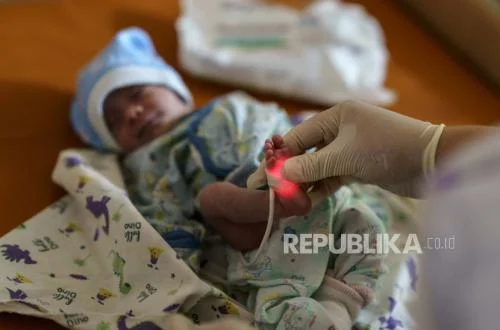
- Newborn Pulse Oximetry (24-48 Hours Post-Birth): A simple, non-invasive test that measures oxygen levels in the blood. Low oxygen levels can be an early warning sign of "critical" CHD before physical symptoms appear.
- Infancy Monitoring (Months 1-12): Parents and pediatricians monitor weight gain and feeding habits. Any "failure to thrive" or recurrent respiratory infections trigger a referral to a specialist.
- Diagnostic Confirmation: If symptoms persist, an echocardiogram is performed to provide a definitive diagnosis.
- Interventional Planning: Depending on the defect, the child may undergo a catheter-based procedure or open-heart surgery. Some minor defects may only require monitoring to see if they close on their own as the child grows.
Expert Analysis and Future Outlook
The statements provided by Dr. Rizky Adriansyah reflect a growing movement within the medical community to shift from reactive treatment to proactive screening. The analysis of current trends suggests that as diagnostic technology becomes more portable and affordable, the goal should be to integrate cardiac screening into routine pediatric check-ups.
Furthermore, there is a pressing need for better education for primary care physicians. Since they are the first line of defense, their ability to distinguish between a "chesty cold" and a cardiac-related respiratory issue is vital. The "asthma" misdiagnosis mentioned by Dr. Rizky is a clear indicator that medical education must continue to emphasize the cardiovascular-pulmonary link in pediatric patients.
Early detection is not merely about identifying a disease; it is about preserving the quality of life. A child whose heart defect is corrected early can often go on to lead a completely normal, active life, participating in sports and reaching their full academic potential. Conversely, delayed treatment can lead to pulmonary hypertension, a condition where the blood pressure in the lungs becomes dangerously high, eventually making surgery impossible.
In conclusion, the message from the Indonesian Pediatric Society is clear: vigilance is the key. Parents must be empowered to look beyond the surface symptoms of flu and asthma and consider the underlying health of the heart. With weight gain being such a simple yet profound metric, it serves as a vital tool in the parental toolkit for ensuring their child’s long-term well-being. As Dr. Rizky Adriansyah emphasized, the window for intervention is often small, and "early detection is crucial to prevent further damage or even death in infants." Through a combination of parental awareness, professional medical training, and the application of advanced echocardiography, the mortality rate associated with Congenital Heart Disease can be significantly reduced, paving the way for a healthier generation.