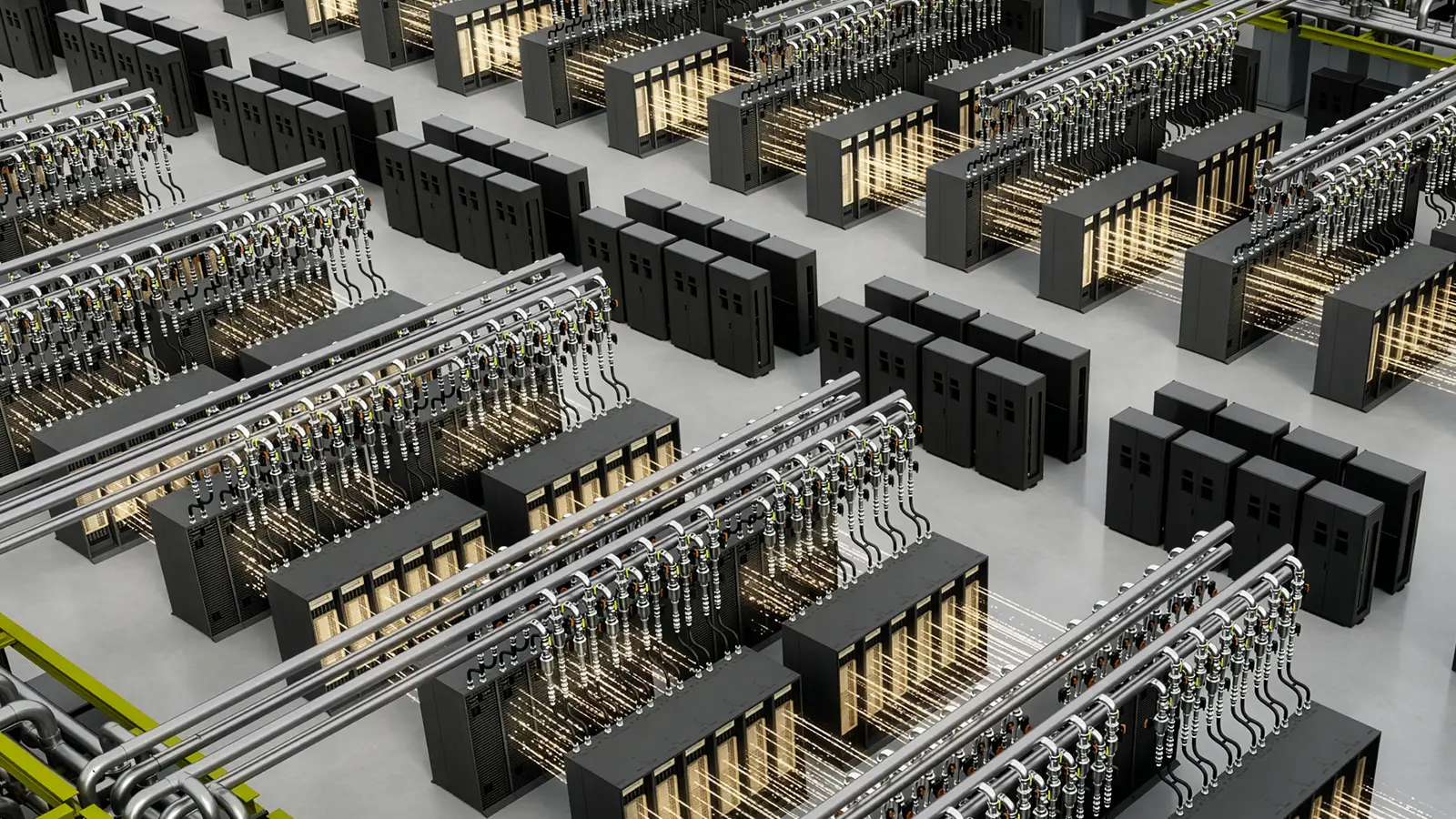
Japan has announced a landmark initiative to construct a colossal 140-megawatt AI Factory in collaboration with NVIDIA, a project anticipated to establish one of the world’s most significant AI infrastructures. This monumental undertaking signals Japan’s aggressive push to solidify its position as a leader in the rapidly evolving field of artificial intelligence, with a particular focus on advancing physical AI capabilities for robotics, digital twins, and industrial automation.
The state-of-the-art facility will be equipped with an unprecedented 27,500 NVIDIA Rubin GPUs and 13,750 NVIDIA Vera CPUs. This formidable computational power will be dedicated to training large-scale AI models, designed to tackle complex challenges across various industries. The strategic partnership with NVIDIA, a global leader in AI computing, underscores Japan’s commitment to leveraging cutting-edge technology to drive innovation and economic growth.
A "Crowdsourced" Endeavor: The Noetra Consortium and Government Backing
This ambitious project is spearheaded by Noetra, a consortium comprising prominent Japanese technology giants: SoftBank, Sony, NEC, and Honda. The formation of Noetra represents a united front from these industry leaders, pooling their expertise and resources to accelerate AI development within Japan. The initiative receives substantial backing from the Japanese government, which is providing significant funding through its FRONTia program, a strategic initiative aimed at fostering advanced technological development.
The infrastructure itself will be built upon NVIDIA’s DGX SuperPOD platform, featuring the Vera Rubin NVL72 configuration. This cutting-edge system will be interconnected via a high-speed Spectrum-X Ethernet network, ensuring seamless and efficient data flow, crucial for the demanding tasks of training massive AI models.
The vision extends beyond the immediate needs of the Noetra consortium. The AI models trained within this facility will not be proprietary. Instead, the trained model weights will be shared with developers across Japan. This open-access approach is designed to democratize AI development, empowering a wider ecosystem of companies to build innovative AI solutions tailored to diverse industrial sectors. This collaborative model is expected to foster a rapid proliferation of AI applications throughout the Japanese economy.
Financial Muscle and Strategic Objectives
The Japanese government has committed a substantial initial funding of approximately 2.4 billion US dollars for the first year of the program. If all developmental targets are met, the total investment over a five-year period could escalate to an impressive 6.1 billion US dollars. This significant financial commitment underscores the strategic importance Japan places on AI development as a cornerstone of its future economic competitiveness and technological sovereignty.
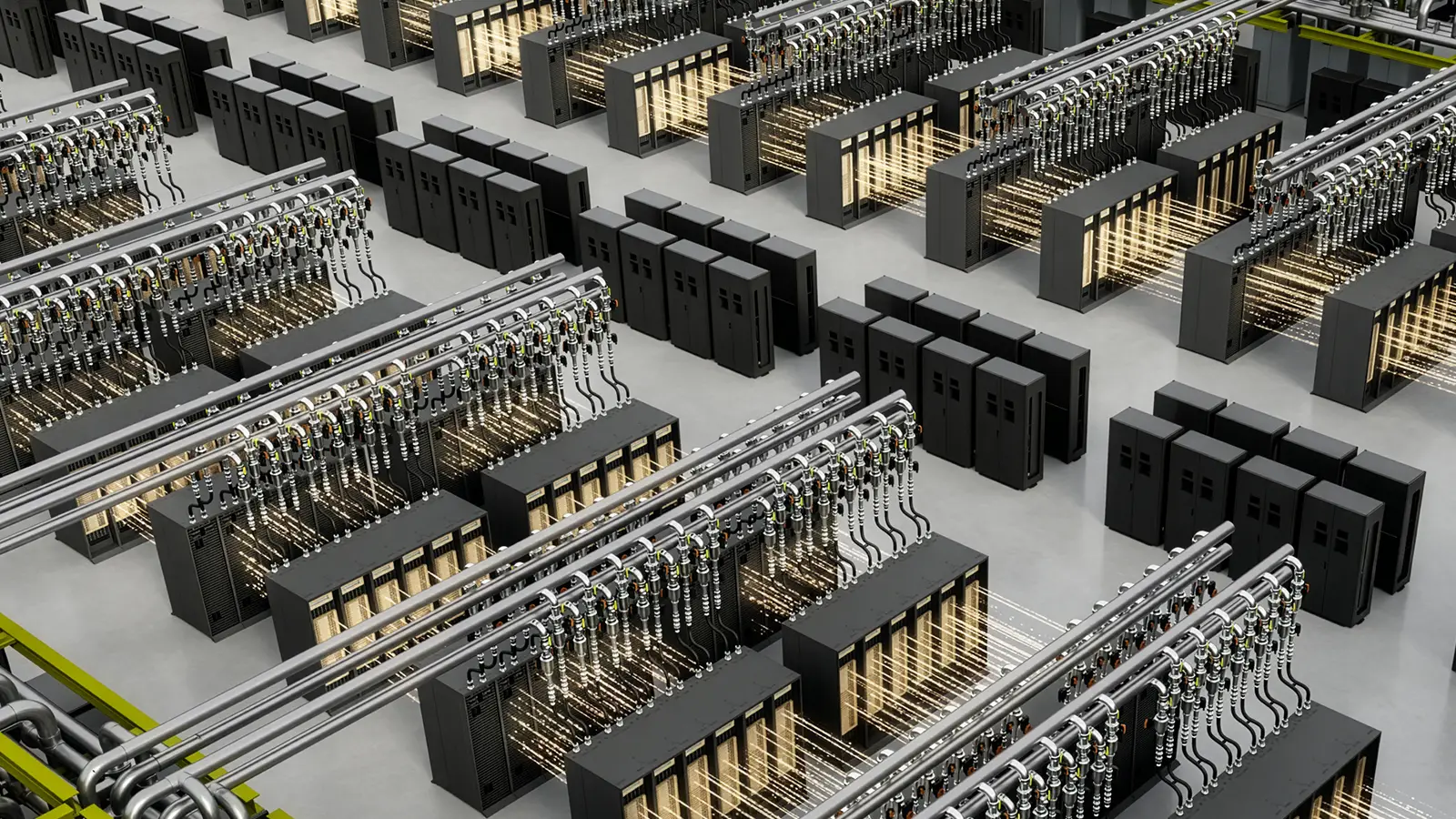
The primary objective of this initiative is to accelerate the development of "physical AI"—AI systems that possess a profound understanding of the real world and can effectively interact with it. This focus is directly aligned with Japan’s ambitious national target: to capture over 30 percent of the global AI robotics market by the year 2040. By investing heavily in advanced AI infrastructure and fostering a collaborative development environment, Japan aims to establish a commanding presence in the burgeoning field of intelligent robotics and automation.
The Technological Backbone: NVIDIA’s Rubin and Vera Platforms
The choice of NVIDIA’s Rubin GPUs and Vera CPUs is a testament to their advanced capabilities in handling the immense computational demands of modern AI training. The NVIDIA Rubin GPU, specifically designed for large-scale AI workloads, offers unparalleled performance in processing complex datasets and accelerating model training. The Vera CPU, designed for high-performance computing, complements the GPUs by providing efficient data handling and system management.
The NVIDIA DGX SuperPOD is a purpose-built system for AI, integrating NVIDIA hardware, software, and networking to deliver exceptional performance and scalability. The NVL72 configuration, in particular, is designed for extreme AI workloads, offering a dense and powerful computing environment. The Spectrum-X Ethernet, a high-bandwidth, low-latency networking solution, is critical for enabling efficient communication between thousands of GPUs, a necessity for distributed AI training.
A Timeline of Innovation: From Concept to Global Impact
While the exact timeline for the construction and full operationalization of the AI Factory has not been fully detailed, the announcement signifies the initiation of a multi-year strategic plan. The substantial government funding allocated for the first year suggests that initial construction and setup phases are already underway or will commence imminently.
The development of such a large-scale AI infrastructure is a complex undertaking that typically involves several phases:
- Planning and Design (Ongoing): Detailed architectural and engineering plans are being finalized, incorporating the specific requirements of the NVIDIA DGX SuperPOD and associated infrastructure.
- Construction (Commencing): The physical construction of the 140-megawatt facility will begin, including the installation of power, cooling, and networking systems necessary to support the immense computational hardware.
- Hardware Deployment and Integration (Phased): The 27,500 NVIDIA Rubin GPUs and 13,750 Vera CPUs will be systematically deployed and integrated into the DGX SuperPOD systems. This phase also includes the setup of the Spectrum-X Ethernet network.
- Software and AI Model Development (Ongoing): Concurrently with hardware deployment, software engineers and AI researchers will begin developing and optimizing AI models for various applications. The sharing of model weights with the broader developer community will commence as initial training cycles are completed.
- Full Operationalization (Targeted): The facility is expected to reach full operational capacity within a specified timeframe, enabling large-scale AI model training and deployment.
The long-term vision extends to 2040, indicating that the impact of this investment will be felt for decades, shaping Japan’s technological landscape and its global standing in AI.
Potential Reactions and Expert Analysis
The announcement has generated significant interest within the global technology and investment communities. Industry analysts are observing this development as a clear signal of Japan’s strategic pivot towards becoming a dominant force in AI.

"This is a bold and necessary move by Japan," commented Dr. Evelyn Reed, a leading AI strategist. "The sheer scale of this AI Factory, coupled with the strategic partnership with NVIDIA, positions Japan to become a major player in the global AI race. The focus on physical AI and robotics is particularly astute, given Japan’s demographic challenges and its existing strengths in manufacturing and automation."
The consortium’s decision to share trained model weights is also being lauded. "This collaborative approach is a smart way to maximize the return on investment for the entire nation," added Reed. "It fosters innovation across the board and prevents the concentration of AI power within a few select entities."
However, the ambitious nature of the project also presents challenges. The immense power requirement of 140 megawatts will necessitate a robust and sustainable energy supply, likely requiring significant investment in renewable energy sources to power the facility. Furthermore, the development and ethical deployment of advanced AI, particularly in robotics, will require careful consideration and robust regulatory frameworks.
Broader Implications: Reshaping Industries and the Global AI Landscape
The establishment of this AI Factory has profound implications for multiple sectors:
- Robotics and Automation: The facility will be instrumental in developing sophisticated AI for advanced robotics, enabling machines to perform more complex tasks with greater autonomy and precision. This could revolutionize manufacturing, logistics, healthcare, and even elder care, addressing Japan’s aging population and labor shortages.
- Digital Twins: The ability to train AI models on vast datasets will accelerate the creation and refinement of digital twins—virtual replicas of physical objects, systems, or processes. These digital twins can be used for simulation, prediction, and optimization across industries, from urban planning to complex engineering projects.
- Industrial Efficiency: AI-powered automation can significantly enhance productivity and efficiency in manufacturing and other industrial sectors. This could lead to the development of "smart factories" that are more agile, adaptable, and cost-effective.
- Economic Competitiveness: By investing heavily in AI infrastructure, Japan aims to boost its economic competitiveness on the global stage. The development of new AI-driven products and services could create new industries and high-value jobs.
- Technological Sovereignty: The project underscores Japan’s commitment to developing its own advanced technological capabilities, reducing reliance on foreign entities for critical AI infrastructure and expertise.
The initiative by Japan, in partnership with NVIDIA, is more than just the construction of a data center; it represents a strategic national commitment to shaping the future of artificial intelligence. The scale of the investment, the caliber of the partners, and the ambitious goals set forth signal a clear intent to not only participate in but to lead the global AI revolution. The success of this venture could serve as a blueprint for other nations seeking to harness the transformative power of AI for national development and economic prosperity.