The Government of Laos has officially addressed the legal outcomes of the methanol poisoning tragedy that claimed the lives of six international tourists in late 2024, revealing a profound lack of forensic evidence that has effectively stalled more severe criminal prosecutions. Nearly 18 months after the incident in the popular backpacker hub of Vang Vieng, Lao authorities have concluded that they cannot definitively hold specific individuals or entities responsible for the deaths under charges of murder or manslaughter. This announcement has ignited a wave of international criticism, particularly from the governments of Australia and the United Kingdom, who have expressed deep disappointment over what they perceive as a failure of the judicial process and a lack of transparency in the investigative phase.
The tragedy, which unfolded in November 2024, resulted in the deaths of six young travelers: Simone White, 28, from the United Kingdom; Bianca Jones and Holly Morton-Bowles, both 19, from Australia; Anne-Sofie Orkild Coyman, 20, and Freja Vennervald Sorensen, 21, from Denmark; and James Louis Hutson, 57, from the United States. While the Ministry of Public Security in Laos confirmed that excessive levels of methanol were discovered in vodka products sourced from a local distillery, the legal repercussions for those involved have been remarkably light, leading to a diplomatic rift between Vientiane and the home nations of the deceased.
The Legal Impasse: Charges and Sentences
In a statement released in July 2026, the Lao Ministry of Public Security defended the judicial outcomes, asserting that the lack of autopsies performed on the victims immediately following their deaths created a "forensic vacuum." Without medical proof directly linking the consumption of the specific contaminated batch to the physiological cause of death for each individual, prosecutors argued they could not meet the evidentiary threshold required for homicide or criminal negligence causing death.
Earlier this week, it was revealed that the owners of the distillery responsible for the tainted spirits were only charged with the sale of dangerous food products and the operation of an illegal business. Under the Lao penal code, these offenses carry a maximum penalty of just one year in prison and a fine of approximately USD 1,100 (roughly 19.77 million Indonesian Rupiah). Furthermore, ten individuals associated with the Nana Backpacker Hostel, where many of the victims stayed and consumed the lethal drinks, were sentenced earlier this year. However, their charges were limited to the destruction of evidence, resulting only in suspended sentences and nominal fines of approximately USD 185 each.
The leniency of these sentences has been met with "extreme frustration" by the Australian government. The Ministry of Foreign Affairs in Canberra took the rare step of summoning the Lao Ambassador to express a formal protest, arguing that the loss of six lives warrants a much more rigorous application of justice. The Australian perspective is bolstered by reports that the Australian Federal Police (AFP) had offered technical and forensic assistance to Lao authorities in the immediate aftermath of the poisonings, an offer that was reportedly declined by Vientiane.
Chronology of a Tragedy: November 2024
The events leading to the deaths began in the second week of November 2024 in Vang Vieng, a town known for its dramatic limestone karst scenery and vibrant, often unregulated, nightlife. On the evening of November 12 and into the early hours of November 13, several groups of tourists were offered "free shots" of local vodka at the Nana Backpacker Hostel as part of a promotion.
By the morning of November 13, the severity of the situation became apparent. Staff at the hostel grew concerned when several guests failed to check out or appear for scheduled tours. Upon checking the rooms, they found multiple guests in states of extreme physical distress, suffering from severe vomiting, blurred vision, and respiratory issues.
The victims were initially taken to a local clinic in Vang Vieng, but the facility was ill-equipped to handle mass chemical poisoning. As their conditions plummeted, several were rushed to hospitals in the capital, Vientiane, while the Australian teenagers, Bianca Jones and Holly Morton-Bowles, were eventually medevacked to specialized facilities in Bangkok, Thailand. Despite intensive medical intervention, including hemodialysis, both Australian women succumbed to organ failure and brain swelling. The other four victims died either in Vientiane or during emergency transit.
Forensic Challenges and the Absence of Autopsies
A central point of contention in the investigation is the failure to conduct autopsies within the critical window following the deaths. Forensic experts note that for methanol poisoning cases, an autopsy and blood toxicology screen should ideally be performed within 48 to 72 hours of death to accurately map the presence of the toxin and its metabolites.
Lao authorities have maintained that they were not authorized to perform autopsies in 2024, citing a combination of local procedural hurdles and the rapid requests from families to have the bodies repatriated. However, international observers point out that the two-week delay in returning the bodies of the Australian victims provided more than enough time for a joint forensic investigation had the Lao government accepted international aid.
By the time the bodies reached Australia and Europe, the natural decomposition process and the prior medical treatments (such as the administration of ethanol or fomepizole as antidotes) had complicated the ability to produce a "clean" forensic report that would satisfy the specific requirements of the Lao court system. This technicality has become the primary shield for the distillery owners and hostel management.
The Victims: Lives Cut Short in Vang Vieng
The human cost of this tragedy spans three continents, affecting families who are now vocal advocates for travel safety and justice.
- Bianca Jones and Holly Morton-Bowles (Australia): The two 19-year-old best friends from Melbourne were on a "gap year" adventure. Their deaths sparked a national conversation in Australia about the safety of alcohol in Southeast Asia.
- Simone White (UK): A 28-year-old lawyer from Orpington, Kent, White was described by her peers as a brilliant legal mind with a passion for travel. Her family has been instrumental in pushing the UK Foreign Office to launch educational campaigns regarding methanol.
- Anne-Sofie Orkild Coyman and Freja Vennervald Sorensen (Denmark): The two young Danish women were part of a larger group of European travelers. Their deaths led to travel warnings across the Nordic countries.
- James Louis Hutson (USA): At 57, Hutson was an experienced traveler. His death highlighted that methanol poisoning is not a risk exclusive to young backpackers but a systemic threat to all tourists.
The Chemistry of a Killer: Understanding Methanol Toxicity
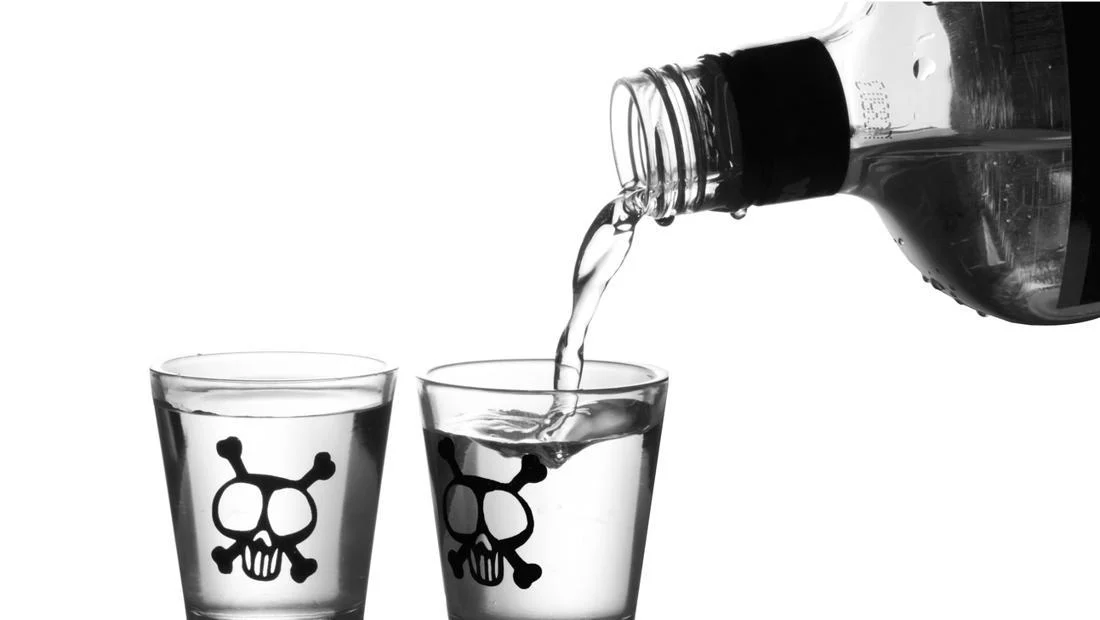
Methanol, or methyl alcohol, is a colorless, volatile liquid with an odor similar to ethanol (the alcohol found in beverages). It is widely used in industrial applications as a solvent, antifreeze, and fuel. Because it is significantly cheaper to produce than food-grade ethanol, it is frequently used by unscrupulous distillers to "stretch" their product or increase the perceived potency of spirits.
The danger of methanol lies in how the human body processes it. When ingested, methanol is rapidly absorbed by the gastrointestinal tract. The liver then uses an enzyme called alcohol dehydrogenase to convert methanol into formaldehyde, which is then quickly converted into formic acid. It is the accumulation of formic acid that causes the devastating effects:
- Metabolic Acidosis: Formic acid disrupts the body’s pH balance, leading to a highly acidic environment that causes cellular death.
- Optic Nerve Damage: Formic acid has a specific affinity for the optic nerve; survivors of methanol poisoning often suffer from permanent blindness.
- Organ Failure: The kidneys, liver, and brain are particularly susceptible to the toxic effects of the metabolites, leading to rapid systemic failure.
Because the symptoms—nausea, dizziness, and headache—mimic a severe hangover or food poisoning, victims often delay seeking medical help until it is too late.
International Diplomatic Response and Frustration
The fallout from the Lao government’s recent statements has transcended legal debate and entered the realm of high-level diplomacy. The Australian government, led by Foreign Minister Penny Wong, has been particularly vocal. In a statement, the Australian Department of Foreign Affairs and Trade (DFAT) noted that "the lack of accountability in this case sends a dangerous message about the safety of international travelers in Laos."
The UK government has followed suit by launching a comprehensive education campaign aimed at travelers heading to Southeast Asia. The campaign focuses on "The Three S’s": Smell, Sight, and Source. It advises tourists to avoid "bucket drinks," to only consume alcohol from reputable, sealed bottles, and to be wary of any spirit that smells like paint thinner or chemicals.
Denmark and the United States have also maintained pressure through their respective embassies, though they have faced similar hurdles regarding the sovereignty of the Lao judicial system. The collective sentiment among these nations is that the Lao government prioritized protecting its local tourism industry and business owners over delivering justice for the deceased.
The Dark Side of the Backpacker Trail: Tourism in Vang Vieng
Vang Vieng has long been a controversial destination. In the early 2010s, the town gained notoriety for "tubing" accidents, where tourists would float down the Nam Song River, stopping at riverside bars to consume large quantities of alcohol and drugs. After a string of drownings and traumatic injuries, the Lao government cracked down on the river bars in 2012, attempting to rebrand the town as an eco-tourism destination.
However, the 2024 methanol incident suggests that the underlying issues of unregulated alcohol and lack of safety oversight remain. The lure of "free drinks" and cheap "bucket" cocktails continues to attract budget-conscious backpackers, creating a market for illicitly distilled spirits.
Travel industry analysts suggest that this tragedy will have a long-term impact on Laos’ tourism revenue. "Trust is the currency of tourism," says Marcus Thorne, a regional travel safety consultant. "When a government fails to provide a transparent investigation into the deaths of visitors, it signals to the world that their safety is not a priority. We are already seeing a shift in backpacker itineraries toward more regulated markets like Thailand or Vietnam."
Regional Context: The Global Crisis of Counterfeit Alcohol
The tragedy in Laos is not an isolated event. Methanol poisoning is a recurring crisis across the developing world. In Indonesia, the consumption of "Oplosan" (illicitly mixed alcohol) has claimed hundreds of lives over the last decade, leading to similar diplomatic tensions with Australia following the deaths of tourists in Bali and Lombok.
The root of the problem is often economic. High taxes on imported spirits create a demand for cheap alternatives. Without a robust regulatory framework and regular inspections of distilleries and bars, the "black market" for alcohol flourishes. In many cases, local police lack the training or equipment to test for methanol, and corruption can lead to inspectors turning a blind eye to illegal operations.
Conclusion: A Call for Transparency and Reform
As the 18-month mark passes, the families of Simone White, Bianca Jones, Holly Morton-Bowles, Anne-Sofie Orkild Coyman, Freja Vennervald Sorensen, and James Louis Hutson are left with a sense of profound injustice. The Lao government’s admission that it lacks the evidence to prosecute further is seen by many as a self-inflicted wound caused by the refusal of international forensic assistance in the early days of the investigation.
The legacy of the Vang Vieng tragedy may eventually be found in improved travel safety standards and increased awareness among the global backpacking community. However, for the victims’ families, the light sentences and the "forensic vacuum" described by the Ministry of Public Security remain a bitter ending to a journey that was meant to be the adventure of a lifetime. The international community continues to call for Laos to reform its food and beverage safety laws and to ensure that such a catastrophic failure of oversight never happens again.