

The Indonesian entertainment industry has long seen celebrities diversifying their portfolios into the culinary sector, a trend that continues to gain momentum as stars leverage their public profiles to build restaurant brands. The latest entrant to this competitive market is actor and musician Aldi Taher, who has officially launched his newest venture, "Sadi" (an acronym for Sate Aldi Taher). Located in the Cilandak district of South Jakarta, the establishment marks a strategic shift for the entertainer, who has previously experimented with various fast-food concepts, including burger outlets and fried chicken franchises.

The Evolution of Celebrity Culinary Ventures in Jakarta
The proliferation of celebrity-owned restaurants in Jakarta is not a new phenomenon; however, the business model has evolved significantly. In the past decade, many influencers and actors focused on "concept cafes" or Instagrammable dessert shops. Recently, however, there has been a noticeable pivot toward traditional Indonesian comfort foods. By focusing on staples like sate (skewered meat) and sop (soup), business owners are targeting a broader demographic that prioritizes familiarity and flavor over aesthetic novelty alone.
Aldi Taher’s entry into the lamb-specialty market places him in a highly competitive niche. The demand for high-quality, halal-certified lamb dishes in South Jakarta remains robust, as diners frequently seek out mid-range dining options that provide a communal atmosphere. "Sadi" aims to bridge the gap between street-side convenience and a formal restaurant experience, utilizing a modern, spacious dining layout decorated with personalized branding—including murals—that maintain the entertainer’s signature public persona.

Chronology and Operational Strategy
The development of Sadi did not happen overnight. Following the relative success of his earlier ventures in the fast-food space, Taher signaled his intent to pivot toward more specialized, protein-heavy dishes earlier in the year.
- Phase 1: Concept Development (Early 2026): Following the cooling off of his previous fast-food projects, Taher began market research into the demand for lamb-based cuisine.
- Phase 2: Promotional Teasers (Late Q3 2026): Leveraging his significant social media presence, Taher began a series of unconventional, high-energy promotional campaigns. These digital efforts were designed to generate organic reach without traditional advertising expenditure.
- Phase 3: Grand Opening (November 2026): The official launch saw Taher personally serving customers in the kitchen, a move intended to foster a direct connection with his fan base and demonstrate his personal investment in the brand’s quality control.
The marketing strategy utilized by Taher—often characterized by his eccentric public persona—has served as a double-edged sword. While it creates immediate brand recognition, the long-term sustainability of the restaurant will depend heavily on operational consistency and food quality rather than viral marketing tactics.
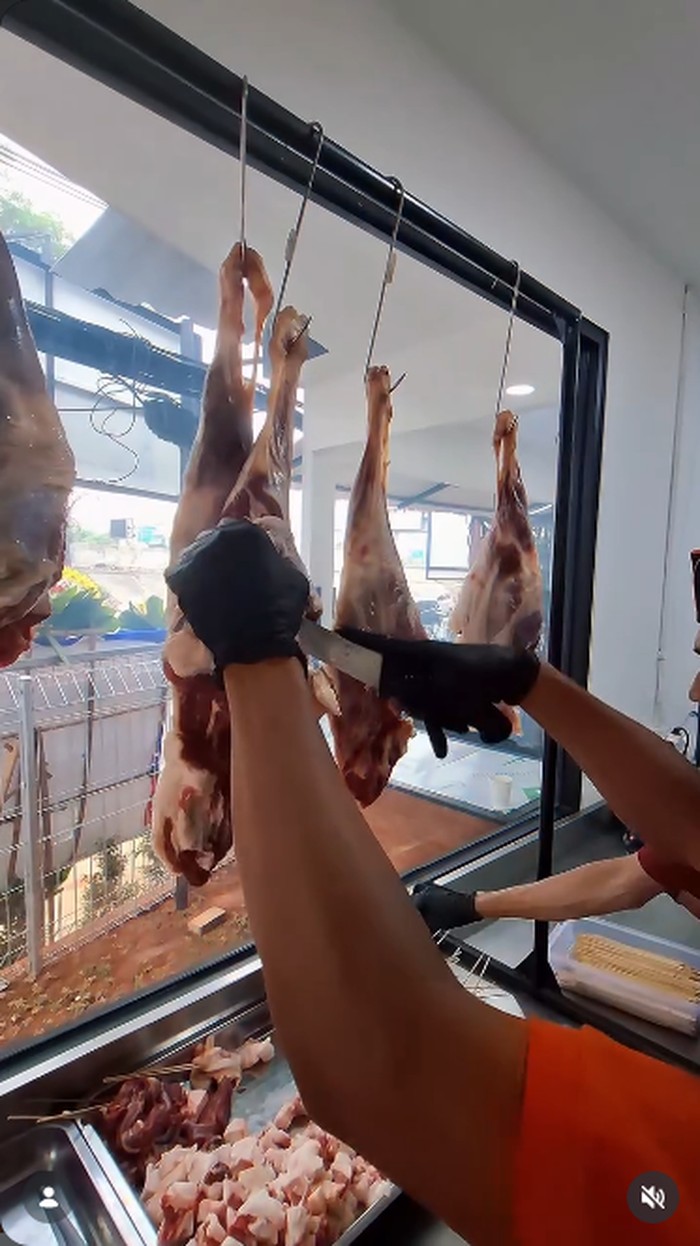
Culinary Offerings: A Focus on Specialized Lamb Dishes
The menu at Sadi is intentionally streamlined, focusing on two primary pillars: Sate Domba Sineret Jaya Selalu and various lamb-based soups.
The Sate Domba, which serves as the establishment’s flagship offering, is served on a hotplate. This choice is significant from a culinary standpoint, as it allows the meat to remain at an optimal temperature for a longer duration, catering to diners who prefer a slow-dining experience. The inclusion of "Sop Domba Penuh Berkah" as a secondary signature dish suggests a desire to offer a complete meal set, effectively increasing the average ticket size per customer.
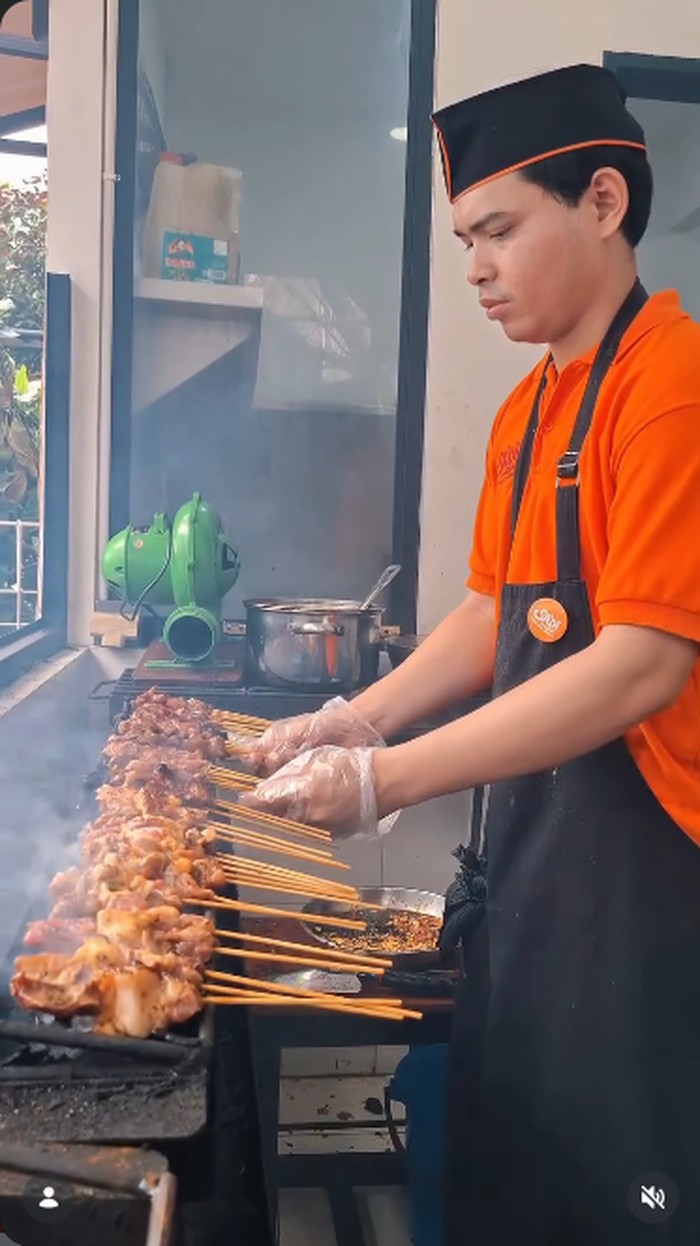
Industry analysts note that lamb is a protein that requires significant skill to prepare, particularly in managing its characteristic "gaminess." By focusing on a single, specific protein, Sadi is positioning itself to achieve economies of scale and maintain tighter inventory control, which is essential for a new restaurant navigating the volatile supply chain of fresh meat in urban Jakarta.
Market Implications and Economic Context
The restaurant industry in Jakarta has faced significant challenges since 2024, characterized by fluctuating food inflation and increased competition from international franchise imports. According to data from the Indonesian Restaurant and Hotel Association (PHRI), successful new ventures in the current climate are those that offer a "value-for-money" proposition while maintaining a distinct identity.
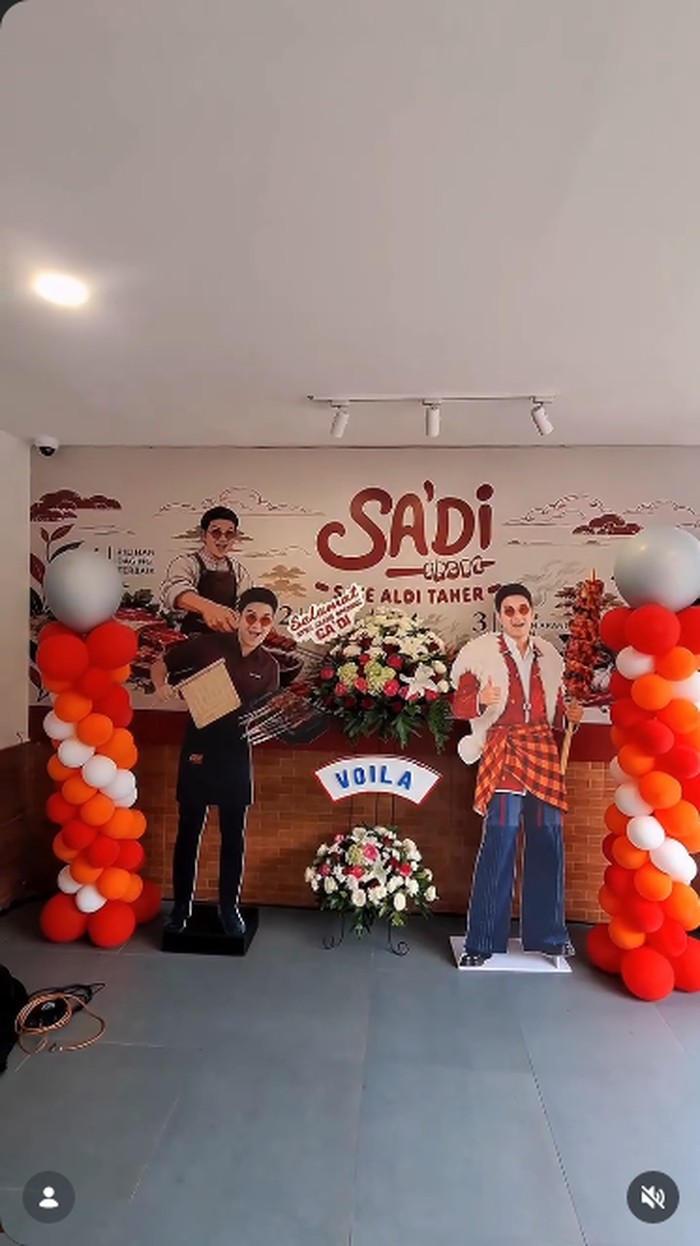
For a celebrity brand, the risk of failure is high. Many celebrity-backed restaurants suffer from "the honeymoon phase," where initial traffic is high due to curiosity but drops sharply after three to six months. To mitigate this, Sadi has invested in a physical space that is conducive to both casual dining and group gatherings. The decision to locate the restaurant in Cilandak—a region known for its high concentration of office workers and residential complexes—suggests a strategic focus on both the lunchtime crowd and dinner-time families.
The Role of Personal Branding in Modern Hospitality
Aldi Taher’s management style, as observed during the opening, involves high levels of visibility. In an era where "the chef-owner" is often perceived as a sign of authenticity, Taher’s presence in the restaurant serves as a value-add. However, the transition from entertainer to restaurateur requires a shift from performance to systems management. The ability of the Sadi team to replicate the quality of the food consistently—without the founder’s constant presence—will determine whether the brand can scale to multiple locations or eventually transition into a franchise model.
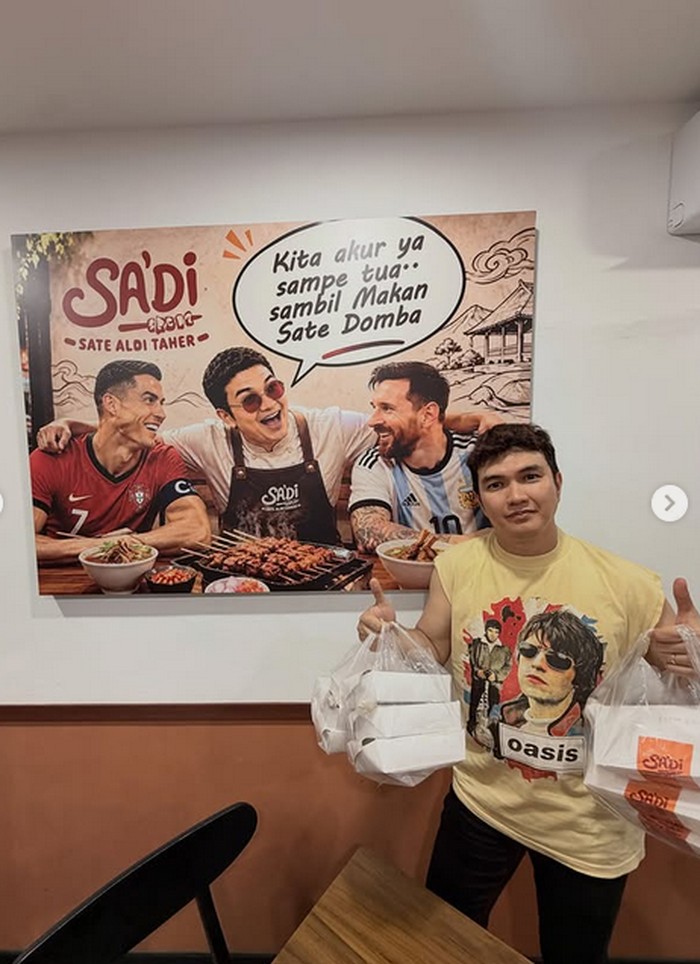
Future Outlook and Sustainability
The sustainability of Sadi will likely be tested by several factors in the coming year:
- Operational Efficiency: Managing labor costs and waste in a restaurant serving fresh meat is complex.
- Customer Retention: Converting first-time visitors (drawn by the celebrity name) into repeat customers (drawn by the product).
- Supply Chain Resilience: Maintaining price points amidst potential fluctuations in the price of lamb and spices.
While the "Sate Aldi Taher" concept may currently benefit from the celebrity factor, the long-term success of the establishment will rely on the objective quality of the dishes served. The decision to emphasize a specific, localized, and well-liked dish like sate domba is a sound strategic choice, as it taps into a market segment that is historically resistant to economic downturns.

As of late 2026, the initial reception to the restaurant has been positive, with active engagement across digital platforms. Whether the brand will become a staple in the Jakarta culinary landscape or remain a niche celebrity venture is a question that will be answered as the restaurant completes its first full cycle of operations. For now, the integration of traditional Indonesian flavors with a high-energy, personality-driven brand remains a compelling, albeit challenging, experiment in the city’s dynamic restaurant scene.
Ultimately, the entry of figures like Aldi Taher into the hospitality space highlights the democratization of the restaurant business. It underscores the reality that in today’s market, the ability to build a brand identity is just as vital as the technical ability to cook. As the sector continues to evolve, the focus will likely shift toward more specialized concepts, moving away from broad, generic menus toward niche offerings that cater to specific dietary preferences and cultural tastes. For the residents of Cilandak and beyond, the success of Sadi will serve as a bellwether for how effectively celebrity branding can be successfully converted into a sustainable culinary institution.
