

The humble avocado, scientifically known as Persea americana, has transcended its status as a mere culinary trend to become a cornerstone of modern nutritional science. Often categorized as a "superfood" due to its dense profile of essential nutrients, the avocado is increasingly being scrutinized by medical professionals for its long-term physiological impact when incorporated into a daily diet. Recent insights from gastroenterologists, including Dr. Saurabh Sethi, have underscored that the consistent consumption of this fruit offers systemic health benefits, ranging from cardiovascular optimization to the maintenance of complex gut microbiomes.
The Nutritional Architecture of the Avocado
To understand why daily consumption is becoming a clinical recommendation, one must analyze the fruit’s unique composition. Unlike most fruits that are primarily carbohydrate-based, the avocado is characterized by its high concentration of monounsaturated fatty acids—specifically oleic acid. This lipid profile is complemented by a robust matrix of dietary fiber, vitamins K, C, E, and B-vitamins, as well as essential minerals such as potassium and magnesium.
From a biochemical perspective, the synergy between these components creates a "nutrient-dense" package. The presence of fiber acts as a prebiotic substrate, while the fats facilitate the absorption of fat-soluble vitamins (A, D, E, and K) from other foods consumed during the same meal. This makes the avocado not just a standalone nutrient source, but an enhancer of overall dietary quality.
1. Cardiovascular Health and Lipid Profile Modulation
The primary concern for modern public health, particularly in urban environments, remains the prevalence of cardiovascular disease linked to hyperlipidemia. Data consistently shows that elevated levels of low-density lipoprotein (LDL) cholesterol are a primary driver of atherosclerosis.
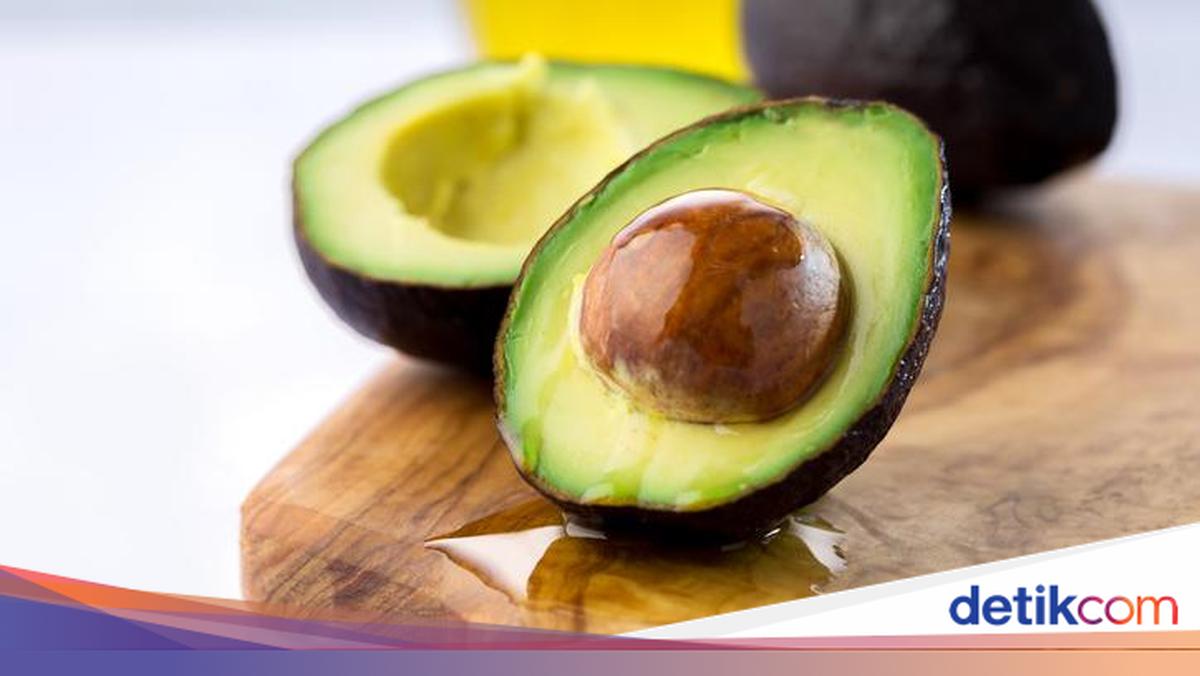
Clinical observations and nutritional studies have demonstrated that the monounsaturated fats found in avocados play a pivotal role in lipid management. Beyond the simple replacement of saturated fats with healthier alternatives, avocados contain beta-sitosterol. This naturally occurring plant sterol is structurally similar to cholesterol; when ingested, it competes with cholesterol for absorption in the small intestine. By inhibiting this absorption process, the body is forced to excrete more cholesterol, thereby reducing the systemic load. Furthermore, the soluble fiber found in the fruit binds to bile acids in the digestive tract, preventing their reabsorption and forcing the liver to utilize circulating cholesterol to produce new bile acids, which effectively lowers blood cholesterol levels.
2. Microbiome Optimization and Gut Health
The human gut is home to trillions of microorganisms, the health of which is increasingly linked to mental health, immune function, and metabolic regulation. The dietary fiber content in a single medium-sized avocado—which can provide approximately 10 grams—serves as a vital fuel source for beneficial gut bacteria.
When these bacteria ferment the fiber from avocados, they produce short-chain fatty acids (SCFAs), such as butyrate. SCFAs are critical for maintaining the integrity of the intestinal lining. By strengthening the mucosal barrier, these fatty acids help prevent "leaky gut" syndrome and suppress chronic inflammation, which is often a precursor to various gastrointestinal disorders. This biological process highlights the importance of avocados as a foundational element for a resilient digestive system.
3. Gastrointestinal Regularity and Sorbent Properties
Constipation is a common clinical complaint that often stems from inadequate fiber intake and improper hydration. The dual-action nature of the avocado—providing both soluble and insoluble fiber—makes it an effective natural intervention. While soluble fiber absorbs water to form a gel-like substance that softens stool, insoluble fiber adds bulk, promoting efficient peristalsis. This combination ensures that the transit time of waste through the colon remains within a healthy range, significantly reducing the incidence of constipation and related discomforts.
4. Metabolic Regulation and Satiety Indices
In an era of caloric surplus, weight management remains a significant challenge for the general population. The satiety index of a food is a measure of its ability to reduce appetite and increase feelings of fullness. Avocados rank exceptionally high on this scale due to the interplay between their fat and fiber content.
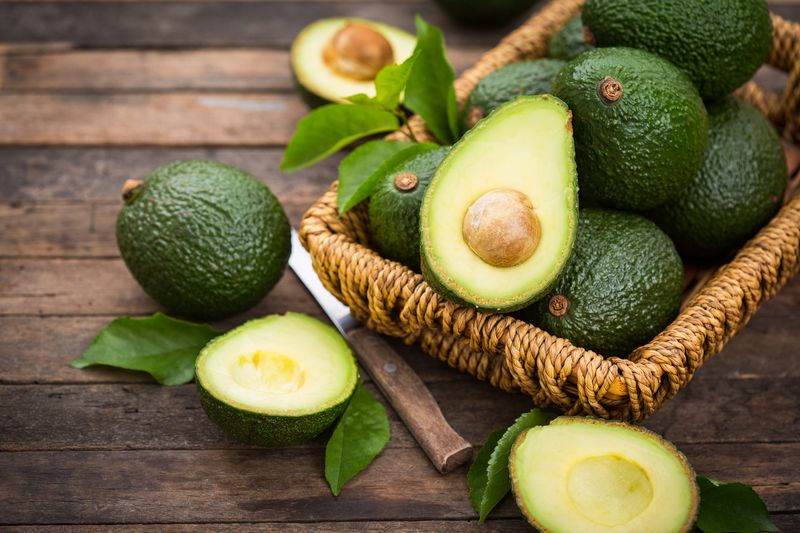
Fat digestion is a slower process, which signals the body to release satiety hormones like cholecystokinin. Simultaneously, the fiber regulates blood glucose levels, preventing the rapid insulin spikes and subsequent "crashes" that often trigger cravings for refined carbohydrates. While some critics argue that the caloric density of the avocado (approximately 160–250 calories per fruit) poses a risk for weight gain, nutritional consensus suggests that when consumed as a replacement for processed fats—such as butter or mayonnaise—the avocado promotes a more stable metabolic environment.
5. Blood Pressure and Electrolyte Balance
The role of potassium in hypertension management is well-documented in clinical literature. With a potassium content higher than that of a banana, the avocado serves as an excellent tool for maintaining electrolyte balance. Potassium works by counteracting the negative effects of sodium, helping to relax the walls of blood vessels and, consequently, lowering blood pressure.
Furthermore, the fruit’s low glycemic index ensures that it does not cause significant fluctuations in blood glucose, making it an ideal inclusion for individuals managing pre-diabetes or insulin resistance. The combination of potassium, magnesium, and healthy fats provides a protective shield against the physiological strain of modern, high-sodium diets.
Contextualizing Daily Consumption: A Clinical Perspective
While the benefits are significant, nutritionists and gastroenterologists emphasize that the avocado is a component of a broader, holistic diet. The transition toward daily consumption should be viewed as an incremental change rather than a singular solution.
Historically, the avocado was treated as a luxury or a niche ingredient, but agricultural advancements and global distribution have made it a staple. However, with this widespread adoption comes the need for moderation. The high energy density of the fruit necessitates that it be consumed within the context of total daily caloric requirements. For most healthy adults, half to one whole avocado per day is considered an optimal dosage to gain the aforementioned health benefits without exceeding caloric limits.

Broader Implications and Future Research
The integration of avocados into daily public health guidelines could have far-reaching implications for reducing the incidence of non-communicable diseases. As research continues to explore the "gut-brain axis," the role of fiber-rich, anti-inflammatory foods like the avocado will likely become even more central to therapeutic diets.
From a policy perspective, the promotion of such nutrient-dense, whole foods represents a shift toward preventative healthcare. Instead of relying solely on pharmaceutical interventions for cholesterol or blood pressure management, the medical community is increasingly leaning into "food as medicine."
In summary, the evidence supporting the daily consumption of avocados is robust. Whether through the regulation of lipid profiles, the support of the gut microbiome, or the management of systemic blood pressure, the avocado provides a versatile and scientifically backed method for enhancing longevity and physical well-being. For those looking to optimize their health, the inclusion of this fruit is not merely a dietary trend, but a scientifically sound strategy for a healthier future. As with any significant change in diet, individuals should monitor their personal response and maintain a balanced intake to ensure that the body receives the full spectrum of benefits this "superfood" has to offer.
