
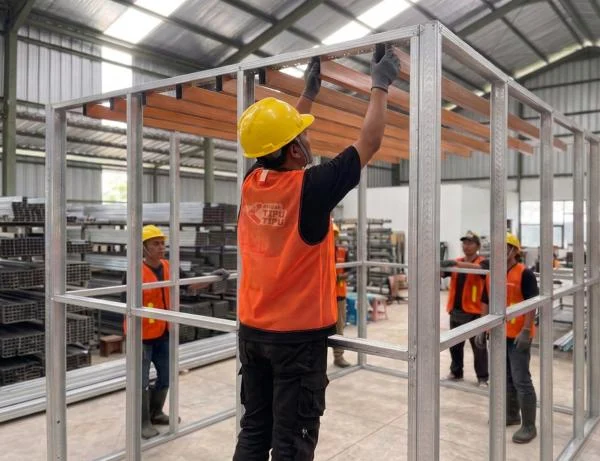
JAKARTA — In an aggressive push to elevate construction standards and workforce professionalism across the archipelago, KENCANA has officially joined forces with the Himpunan Aplikator Indonesia (HAPI) to roll out a comprehensive training and certification program for light steel installation technicians. The initiative spans six strategic cities across Indonesia—Bali, Temanggung, Manado, Tangerang, Palembang, and Mojokerto—marking a critical milestone in addressing structural safety concerns within the rapidly growing property and infrastructure sectors.
The collaborative undertaking is designed to bridge a persistent skills gap in the domestic construction market. While the demand for lightweight, durable, and cost-effective building materials has soared in recent years, industry stakeholders have frequently raised concerns regarding the competency of field-level installers. Improper installation techniques can severely compromise the structural integrity of a building, regardless of how high-quality the raw materials might be. By addressing this vulnerable link in the supply chain, KENCANA and HAPI aim to foster a culture of technical excellence, ensuring that modern construction projects meet rigorous safety parameters and deliver long-term durability for end-users.
Background and Context of the Industry Partnership
The Indonesian construction industry has experienced dynamic growth, propelled by rapid urbanization, commercial developments, and residential expansions. Lightweight steel framing has largely replaced traditional timber due to its termite resistance, speed of installation, and structural reliability. However, the proliferation of light steel in residential and commercial roofing systems has also highlighted the risks associated with uncertified and untrained labor.
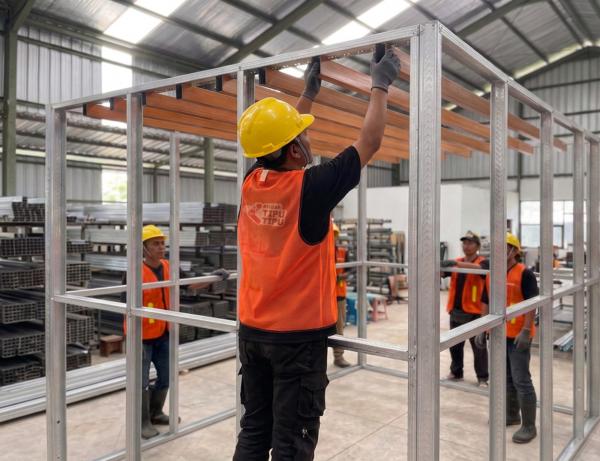
Recognizing that material excellence must be matched by human capital development, KENCANA—a prominent name in structural steel solutions—stepped up its corporate responsibility initiatives. The partnership with HAPI, the premier association for construction applicators in Indonesia, represents a synergy between top-tier manufacturing standards and grassroots technical expertise. Through this nationwide tour, the two organizations seek to standardize installation methodologies, introduce modern engineering best practices, and instill a comprehensive understanding of structural physics among local workforce communities.
Chronology and Scope of the Six-City Training Roadshow
The training roadshow has been meticulously structured to cover diverse geographical regions, reflecting KENCANA’s commitment to nationwide development rather than metropolitan concentration. The campaign commenced with rigorous workshops in major hubs and expanding regional markets:
- Tangerang and Mojokerto: Serving as industrial and secondary manufacturing gateways, these regions kicked off the early phases of the program, drawing hundreds of local contractors and freelance builders eager to upgrade their professional credentials.
- Bali and Temanggung: Focusing on a mix of hospitality-driven architectural demands and dense residential expansion, these sessions emphasized localized environmental challenges, such as high humidity and seismic resilience.
- Manado and Palembang: Spanning Eastern and Western Indonesia, these stops ensured that regional technicians gained equal access to advanced installation techniques, safety protocols, and standardized building frameworks.
Each leg of the roadshow combines theoretical classroom instruction with hands-on practical simulations. Participants are trained in reading technical blueprints, calculating load distributions, identifying genuine SNI-certified profiles, and executing faultless screw placements and truss configurations.
Material Standards and Technical Specifications
A core pillar of the KENCANA-HAPI training curriculum revolves around educating applicators on the critical importance of material selection. Poor-quality steel is notorious for premature corrosion, sagging, and catastrophic structural failure under extreme weather conditions.

During the training sessions, technical experts emphasized that KENCANA’s light steel products are manufactured from high-grade Baja Lapis Aluminium Seng (BjLAS), strictly adhering to SNI 4096:2019 standards. Furthermore, the structural framing profiles comply with SNI 8399:2017, ensuring optimal tensile strength and dimensional accuracy.
To combat Indonesia’s tropical climate—characterized by high precipitation and coastal salt exposure—KENCANA integrates a specialized Aluminium-Zinc (AZ) protective coating with a mass specification of AZ100. This coating significantly enhances corrosion resistance, prolonging the lifespan of the steel framework. Instructors stressed that even the most advanced metallurgical engineering can fail if installers mishandle the material on-site, such as by scratching the protective layer during cutting or employing incorrect fastener sizes. Consequently, the training places heavy emphasis on protecting material integrity throughout the installation phase.
Expert Perspectives and Official Industry Reactions
While specific direct quotes from corporate leadership were integrated into the broader framework of the initiative, industry analysts and construction safety advocates have overwhelmingly praised the partnership.
"The physical safety of buildings relies on a two-legged stool: certified materials and competent labor," noted an independent civil engineering consultant based in Jakarta. "For years, the market has heavily regulated manufacturing standards through SNI, but workforce certification has often lagged behind. Initiatives like the KENCANA and HAPI collaboration are vital because they bring institutional knowledge directly to the frontline workers who actually build our homes and offices."

HAPI representatives echoed similar sentiments during the opening ceremonies of the roadshow, highlighting that professionalizing the applicator workforce elevates the dignity and market value of local technicians. By earning certifications through standardized programs, independent applicators can command higher wages, secure larger commercial contracts, and build long-term consumer trust.
Broader Economic and Safety Implications
The implications of this nationwide training program extend far beyond corporate branding or individual skill enhancement. Indonesia is geographically situated along the Pacific Ring of Fire, making structural resilience against earthquakes a matter of national urgency. Lightweight steel roofing systems, when improperly installed, can become lethal hazards during seismic events or severe tropical storms.
By empowering hundreds of applicators across Bali, Temanggung, Manado, Tangerang, Palembang, and Mojokerto with standardized competencies, the KENCANA-HAPI initiative directly contributes to disaster mitigation and public safety. Buildings constructed with precise engineering tolerances and skilled execution are inherently better equipped to withstand environmental stress, reducing maintenance costs and protecting occupants over decades of use.
Furthermore, the program aligns with broader governmental goals to upskill Indonesia’s informal labor sector. As construction technologies evolve, continuous professional development becomes mandatory to prevent workforce obsolescence.
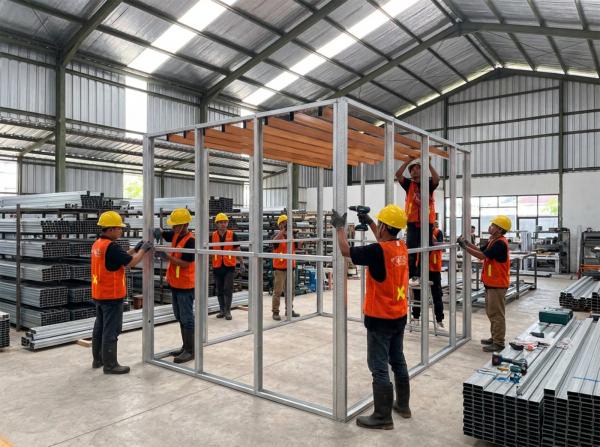
As the roadshow concludes its current multi-city run, stakeholders from both KENCANA and HAPI have signaled their intention to expand the program to additional provinces in the coming fiscal year. Through sustained collaboration, rigorous material compliance, and a steadfast dedication to workforce education, the partnership sets a new benchmark for structural safety and professional excellence within the Indonesian construction industry.
