
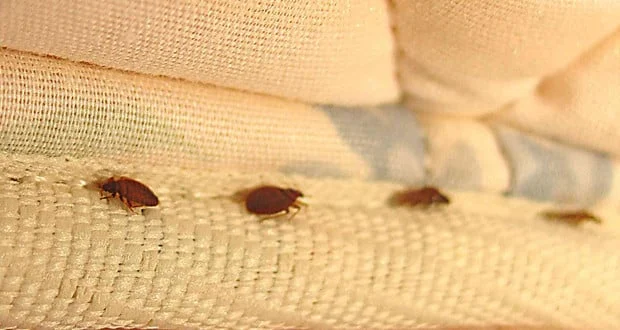
The emergence of a crowdsourced digital map designed to track bedbug infestations across China’s vast hospitality sector has ignited a significant controversy, pitting the transparency demands of modern travelers against the reputations of hotel operators. Since its official launch on September 21, the application—developed by an independent software engineer—has garnered over 200,000 users and mapped more than 600 individual hotel properties. While proponents argue that the tool provides essential public health information, critics warn that the ease of anonymous reporting creates a platform for potential misinformation, defamation, and economic harm to businesses that lack a formal mechanism to challenge these claims.
The Genesis of the Bedbug Tracker
The application, which functions as a real-time, interactive map, allows users to pin the precise location of hotels where they allegedly encountered bedbugs. This crowdsourced model relies entirely on user-submitted data, requiring only a single click to register a complaint. The platform was created by a software engineer identified only as Wang, who manages the project under the handle @AI maker.
Wang, who balances the project alongside his full-time employment as an engineer at a manufacturing firm, has stated that the platform was conceived as a grassroots response to growing concerns regarding hygiene standards in the domestic tourism industry. In initial statements, Wang admitted that the application remains in its nascent stages, acknowledging that the infrastructure lacks the sophisticated verification protocols found in larger, enterprise-grade travel platforms. "To be perfectly honest, the application is not yet perfect because I have developed it entirely on my own," Wang noted, emphasizing that the primary objective was to facilitate the sharing of information among travelers rather than to serve as an official audit tool.
A Chronology of Rapid Adoption
The rapid rise of the application reflects a broader trend in China’s digital landscape, where social media and user-generated content platforms often dictate consumer trends.
- September 21: The application is officially released to the public, offering a simplified interface for reporting hygiene issues.
- Late September: The platform sees an exponential increase in user engagement, surpassing the 100,000-user threshold within the first ten days.
- Early October: As the number of tagged hotels exceeds 600, reports begin to surface in national media, including China Business News, highlighting the growing friction between the app’s user base and the hospitality industry.
- Mid-October: The situation escalates as several major hotel chains and independent property managers formally contest the validity of the map entries, citing a lack of evidentiary support for the claims leveled against them.
Industry Pushback and the Burden of Proof
The hospitality sector has responded with significant concern regarding the potential for reputational damage. According to investigations by China Business News, representatives from various hotel groups have characterized the application’s mapping process as inherently unfair. The primary grievance centers on the lack of verification; because the app does not require photographic evidence, medical reports, or official inspections to confirm a bedbug sighting, any user can effectively "label" a competitor or a property they dislike with a negative stigma.
For a hotel, being flagged on such a platform can lead to immediate booking cancellations and long-term damage to brand equity. Industry experts point out that while bedbugs are a global challenge for the hospitality industry, the process of eradication is complex and often requires professional intervention. By bypassing formal complaint channels—such as hotel management, consumer protection bureaus, or local tourism boards—the app potentially deprives hotels of the opportunity to rectify legitimate issues, instead opting for a public "naming and shaming" model that leaves businesses without an immediate path for redress.
The Broader Context of Hygiene and Travel
The anxiety surrounding bedbugs in China’s tourism sector is not entirely unfounded. Bedbugs (Cimex lectularius) have become a recurring issue in major travel hubs worldwide, including high-profile cases reported in Paris and other global cities in recent years. As domestic travel in China has surged following the lifting of pandemic-era restrictions, the volume of hotel stays has reached record highs, inevitably increasing the frequency of encounters with pests.
However, the intersection of technology and consumer advocacy in this instance highlights a widening gap in regulatory frameworks. In the current digital environment, platforms that allow for "crowd-sourced truth" often outpace the development of legal protections for the subjects of that truth. While travelers are increasingly tech-savvy and rely on peer reviews, the lack of a standardized verification process creates a "Wild West" scenario where the distinction between a genuine health warning and malicious behavior is blurred.
Analysis: Implications for Digital Governance
The implications of this application extend beyond the hospitality industry and into the realm of digital governance and social media ethics. The project represents a fundamental tension between the democratization of information and the risks of misinformation.
- Consumer Empowerment vs. Liability: While the app empowers travelers to make informed decisions, it simultaneously creates a liability vacuum. Without a mechanism to remove false reports, the app could potentially be used for corporate sabotage or targeted harassment.
- The Limits of Crowdsourcing: The success of the app proves that there is a clear demand for greater transparency in the hospitality sector. However, the reliance on a single developer—working in a personal capacity—highlights the risks of relying on non-institutional platforms for public health information.
- Regulatory Challenges: Chinese authorities, who maintain strict oversight over online platforms, may eventually be forced to intervene. The question remains whether such platforms should be required to implement verification tiers or if the burden of proof should remain on the business to disprove a digital claim.
The Future of the Platform
For Wang, the path forward is fraught with technical and legal challenges. Scaling the application would require significant investment in moderation, data verification, and legal counsel to handle potential defamation claims. As of mid-October, the app remains functional, but its survival likely depends on its ability to evolve from an unregulated reporting tool into a more structured platform that balances the rights of consumers to share experiences with the rights of businesses to protect their reputations.
Legal analysts suggest that if the app continues to grow, it may face scrutiny under China’s evolving data and internet laws, which place heavy emphasis on the responsibility of platform operators to manage the content published on their sites. For now, the "bedbug map" stands as a potent reminder of how quickly a single individual with a coding background can alter the commercial landscape, forcing established industries to confront the reality that, in the digital age, a reputation can be unmade in a single, unverified click.
As the industry waits to see how the situation develops, the broader lesson remains clear: the digital ecosystem is increasingly sensitive to hygiene and quality concerns, and businesses that fail to proactively address these issues through formal, transparent channels will find themselves increasingly vulnerable to the shifting winds of crowdsourced public opinion. Whether this application becomes a catalyst for improved industry standards or a cautionary tale about the dangers of digital vigilantism, its impact on the Chinese hospitality market is already profound and irreversible.
