
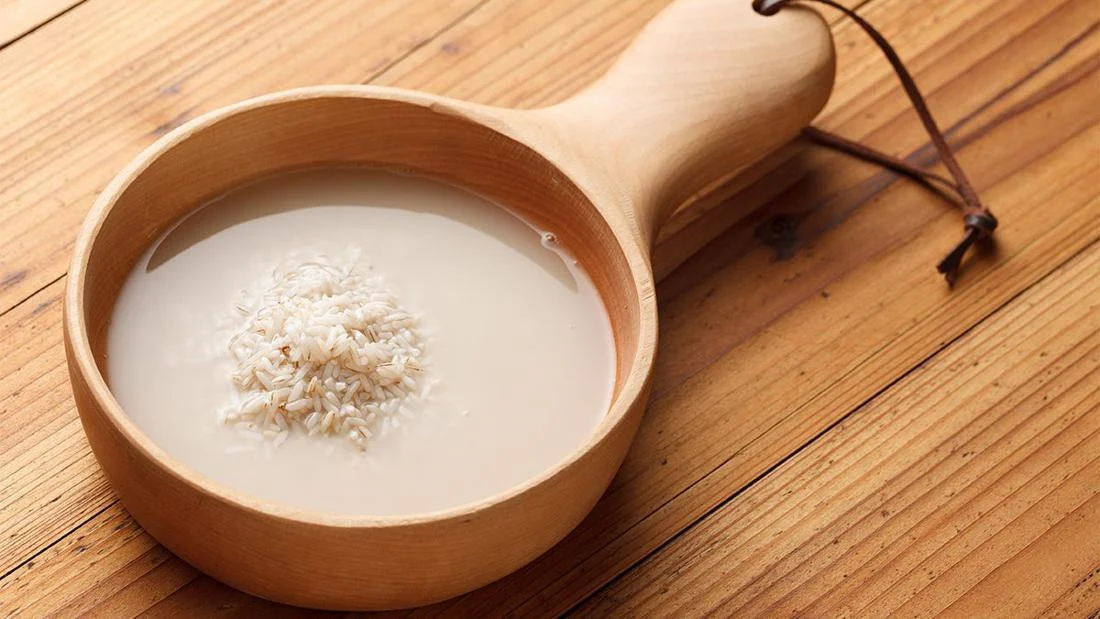
For generations, rice water has been a staple in traditional Asian beauty rituals, cherished as a secret weapon for maintaining a youthful and radiant complexion. While once considered a discarded byproduct of daily cooking, recent scientific inquiries and shifts in wellness trends have brought this cloudy liquid back into the spotlight. Beyond its historical use as a topical wash, emerging discourse—supported by findings from the National Institutes of Health (NIH) and other research bodies—suggests that the internal consumption of rice water may offer systemic benefits that reflect on the skin’s health, from enhanced moisture retention to the mitigation of oxidative stress.
The Science Behind the Traditional Ritual
The efficacy of rice water lies in its complex chemical composition. When rice is soaked or boiled, the water leaches essential nutrients, including B vitamins, vitamin E, amino acids, and minerals such as selenium. Perhaps most significant are the presence of ferulic acid and allantoin. Ferulic acid is a potent antioxidant known to neutralize free radicals, while allantoin possesses soothing, anti-inflammatory properties that have been utilized in dermatology for decades.
Historically, women in the Heian period of Japan were documented to have floor-length hair that remained healthy and lustrous, a phenomenon often attributed to the regular use of rice water rinses. Today, that tradition has evolved into a nutritional curiosity. While the skincare industry has long incorporated rice-derived ceramides into serums and creams, the concept of "beauty from within" suggests that systemic ingestion might amplify these effects by delivering these compounds directly into the bloodstream and digestive system.
Core Benefits for Dermatological Health
Research published by various institutions suggests that the regular, moderate consumption of rice water provides five primary pathways for improving skin health:
1. Optimization of the Skin Barrier
The skin’s moisture barrier is the first line of defense against environmental aggressors. Rice water is rich in natural starches and plant-based ceramides. Ceramides are lipid molecules that hold skin cells together, effectively "sealing" the barrier. Clinical data indicates that these compounds assist in reducing transepidermal water loss (TEWL). When the body is hydrated from within, and the barrier is fortified, the skin becomes more resilient against pollutants, wind, and low-humidity environments, preventing the "tight" or dry sensation common in aging skin.

2. Combatting Oxidative Stress and Aging
Premature aging is largely driven by oxidative stress—the imbalance between free radicals and the body’s ability to counteract their harmful effects. Gamma-oryzanol and ferulic acid, both found in rice water, are recognized for their ability to combat this process. Scientific literature suggests that ferulic acid can protect the skin from UV-induced damage and reduce the breakdown of collagen, thereby slowing the appearance of fine lines and wrinkles. By acting as a systemic antioxidant, rice water may assist in preserving the structural integrity of the dermis over time.
3. Regulation of Pigmentation and Skin Tone
Uneven skin tone, often manifesting as hyperpigmentation or dark spots, is frequently a result of localized inflammation or overproduction of melanin. Recent clinical observations suggest that rice-based ceramides may play a role in inhibiting the enzymes responsible for melanin synthesis. By reducing the overall inflammatory load in the body, the consistent consumption of rice water may contribute to a more uniform complexion, gradually fading the signs of sun damage and post-inflammatory hyperpigmentation.
4. Systemic Anti-Inflammatory Properties
Inflammation is the underlying culprit in many chronic skin conditions, including acne, rosacea, and general sensitivity. The allantoin found in rice water is celebrated for its ability to soothe irritated tissue. When consumed, these anti-inflammatory compounds may help regulate the systemic immune response. By mitigating the internal inflammatory triggers that often manifest on the face as redness or cystic acne, individuals may observe a reduction in flare-ups and an improvement in the skin’s overall clarity.
5. Stimulation of Collagen Synthesis
Collagen is the foundational protein that provides skin with its structure, firmness, and elasticity. As the body ages, natural collagen production declines, leading to sagging and loss of volume. Preliminary studies on fermented rice extracts have shown promising results in stimulating fibroblast activity. Fibroblasts are the cells responsible for synthesizing collagen and repairing extracellular matrix proteins. While direct human trials on the ingestion of rice water specifically for collagen production are still in their infancy, the presence of specific amino acids in rice water provides the necessary building blocks for healthy tissue repair.
Broader Context and Chronology of Use
The global interest in rice water is not a singular event but part of a broader "Clean Beauty" and "Nutricosmetics" movement that has been gaining momentum since the early 2020s. Following the COVID-19 pandemic, consumer focus shifted toward holistic health, with an emphasis on ingredients that are accessible, inexpensive, and derived from natural sources.
In November 2026, industry reports from platforms such as NDTV Food underscored the resurgence of this trend, framing it as an affordable alternative to expensive synthetic supplements. This resurgence is supported by the rapid growth of the "food-as-medicine" philosophy, where consumers are increasingly looking into their kitchens for skincare solutions.

Essential Considerations and Safety Protocols
Despite the potential benefits, medical professionals advise a cautious approach. The consumption of rice water is not universally applicable and comes with specific physiological risks that should not be overlooked:
- Arsenic Exposure: Rice is known to absorb inorganic arsenic from the soil. While the levels are generally low, frequent consumption of water used to soak or boil rice could lead to a cumulative intake that may be harmful, particularly for vulnerable populations such as pregnant women and young children. Health agencies typically recommend rinsing rice thoroughly before soaking to minimize surface-level contaminants.
- Glycemic Impact: Rice water is essentially a starch-rich liquid. For individuals living with diabetes or those with insulin resistance, the consumption of rice water can lead to rapid spikes in blood glucose levels. It is vital for these individuals to monitor their intake and consult with a dietitian.
- Nutrient Imbalance: While rice water contains minerals and vitamins, it should never replace a balanced diet or medical treatment for chronic skin conditions. Dermatologists emphasize that topical treatments remain the most efficient way to deliver active ingredients to the skin, while ingestion serves only as a supplementary support.
Analysis of Future Implications
The future of rice water in the wellness market likely lies in standardized preparation. As the practice becomes more mainstream, the industry may see the development of purified rice water supplements or fermented rice tonics that have been tested for arsenic levels and standardized for nutrient concentration.
From a dermatological perspective, the implications are significant. If clinical trials continue to validate the link between the ingestion of rice-derived ceramides and skin barrier health, it could lead to a new category of "functional beverages" specifically designed for skin health. However, the current standard remains anecdotal and observational. Consumers are encouraged to maintain a skeptical but open-minded approach, prioritizing evidence-based practices and professional medical advice when incorporating new dietary habits.
Ultimately, while the prospect of achieving "youthful" skin through the simple consumption of rice water is compelling, it is a practice that requires moderation and awareness. Whether as a traditional beauty hack or a modern wellness supplement, rice water stands as a testament to the enduring human pursuit of longevity and aesthetic health through the resources provided by nature. As research continues to bridge the gap between tradition and modern science, the true extent of these benefits will become clearer, potentially cementing rice water as a permanent fixture in the global health and beauty landscape.
