
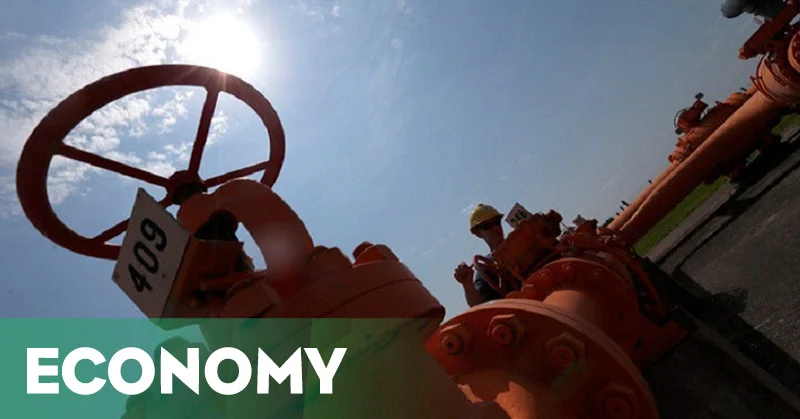
The Indonesian government has faced a complex balancing act regarding energy pricing and state revenue, highlighted by strategic deliberations over domestic gas pricing adjustments. In an effort to bolster the competitiveness of domestic manufacturing sectors, the Ministry of Energy and Mineral Resources (MEMR) explored policies to lower industrial gas prices. However, state officials acknowledged that this intervention would directly impact the national budget, requiring a calculated trade-off between reduced upstream fiscal revenues and broader macroeconomic gains.
Strategic Adjustments to Industrial Gas Tariffs
The core of the policy discussion centered on reducing gas prices for specific strategic industries that rely heavily on natural gas as a primary feedstock or energy source. Historically, domestic industries—particularly those operating in sectors such as petrochemcials, ceramics, and fertilizer production—faced high energy input costs compared to regional competitors. These elevated costs hindered their ability to compete globally and constrained domestic industrial expansion.
To address this, the Directorate General of Oil and Gas formulated a strategy to cap or reduce gas prices, specifically targeting contracts where the purchase price exceeded USD 6 per MMBtu (Million British Thermal Units). According to government projections, lowering the financial burden on manufacturing plants would stimulate operational capacity, encourage reinvestment, and preserve domestic employment.
However, the Ministry emphasized that the adjustment mechanism was designed to protect the upstream oil and gas industry from absorbing the financial shock. Instead of forcing upstream contractors to accept lower margins—which could disincentivize exploration and production investments—the reduction in price would be absorbed directly by the state through a decrease in non-tax state revenue (Penerimaan Negara Bukan Pajak/PNBP) derived from natural gas exploitation.
Economic Trade-Offs and Multiplier Effects
Government officials defended the potential reduction in state revenue by pointing to anticipated macroeconomic multiplier effects. Detailed economic modeling conducted by the Directorate General of Oil and Gas indicated that the policy would generate a significant positive return across the broader economy.
According to preliminary calculations presented by energy officials, every reduction of USD 1 in the price of gas would result in a corresponding decrease in government revenue. Crucially, however, economic simulations suggested that this same USD 1 reduction would generate approximately USD 9 in broader economic benefits. These gains were expected to manifest through increased industrial productivity, higher tax compliance from expanding businesses, enhanced export competitiveness, and sustained employment levels within energy-intensive sectors.
Despite these promising projections, the government proceeded with caution, commissioning comprehensive studies to map out the exact fiscal impact before finalizing any binding regulatory decrees. The complexity of balancing immediate budgetary losses against long-term industrial growth required meticulous scrutiny from both the Ministry of Energy and Mineral Resources and the Ministry of Finance.

Implementation Framework and Sliding Scale Pricing
The proposed price adjustment mechanism was not structured as a blanket reduction across the board. Instead, the government devised a tiered pricing formula tailored to specific industrial profiles and existing contract thresholds.
Under the framework detailed by energy authorities, the baseline target for intervention was set at USD 6 per MMBtu. For industries whose existing gas procurement contracts exceeded this threshold—such as plants purchasing gas at USD 6.5 per MMBtu for petrochemical synthesis or ceramic manufacturing—the price reduction would be applied progressively. Rather than a flat USD 1 decrease, these specific operations were slated for a more moderate adjustment, such as a reduction of half a dollar, depending on their baseline costs and sectoral elasticity.
This nuanced approach aimed to prevent excessive strain on state coffers while still providing meaningful relief to businesses operating under high-cost pressures. The policy also reflected a growing recognition within the Indonesian government that cheap and reliable energy was a prerequisite for achieving national industrialization targets and attracting foreign direct investment into the manufacturing sector.
Broader Implications for Indonesia’s Energy Landscape
The deliberations over natural gas pricing in late 2015 underscored a perennial dilemma for resource-rich developing economies: how to allocate the economic rents generated by natural resources between immediate fiscal accumulation and long-term economic diversification.
On one hand, natural gas exports and domestic upstream levies constituted a vital revenue stream for the state budget, funding public infrastructure, education, and health services. On the other hand, maintaining artificially high domestic gas prices risked hollowing out the downstream manufacturing sector, rendering local factories uncompetitive against imports from neighboring countries where governments offered more aggressive energy subsidies or price controls.
Experts and industry analysts noted that while the policy carried short-term fiscal risks, it signaled a shift toward a more holistic economic strategy. By viewing energy pricing not merely as a fiscal instrument for revenue generation, but as an active lever for industrial policy, the government sought to foster a more resilient and integrated domestic economy.
Ultimately, the debate set a precedent for subsequent energy pricing policies in Indonesia. It highlighted the necessity of inter-ministerial coordination—particularly between energy regulators and financial authorities—to manage the trade-offs between fiscal prudence and industrial competitiveness. As Indonesia continued to navigate global commodity price fluctuations and domestic infrastructure challenges, the principles established during these strategic reviews remained foundational to the nation’s ongoing energy and industrial development discourse.
