
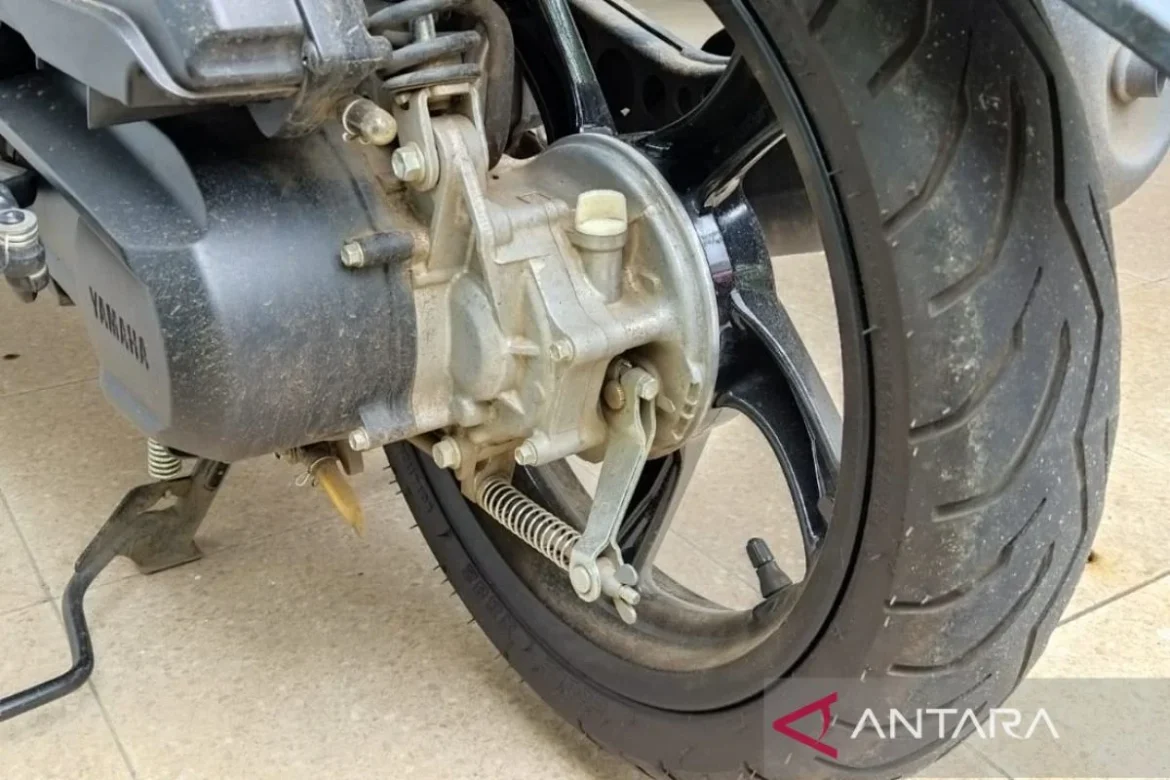
An irritating, high-pitched squeak or squeal emanating from a motorcycle’s braking system can instantly disrupt the comfort of any ride. While this common mechanical noise often occurs simply after riding through heavy rain or washing the vehicle, it can also serve as an early warning sign of underlying mechanical wear, component degradation, or improper maintenance. Because the braking system remains the single most critical safety mechanism on any two-wheeled vehicle, unusual noises during deceleration should never be ignored—especially when they recur frequently or are accompanied by a noticeable decline in stopping performance.
A comprehensive examination of motorcycle engineering guidelines reveals that brake squeal stems from a wide variety of sources. These range from accumulated road debris and environmental moisture to advanced friction material wear and warped rotor surfaces. Effective remediation requires accurately identifying the root cause to restore optimal braking efficiency and ensure rider safety.
Primary Causes of Motorcycle Brake Squeal
According to vehicle manufacturers and automotive safety experts, several distinct mechanical and environmental factors contribute to unwanted braking noises. Understanding these causes allows riders to address minor issues before they escalate into dangerous failures.
1. Accumulation of Dust and Road Grime
Fine road dust, microscopic sand particles, and organic debris frequently adhere to brake pads or the surface of the disc rotor, disrupting smooth friction contact. When the brakes are applied, trapped particles create micro-vibrations that manifest as an audible squeal. This condition commonly occurs after traversing unpaved roads or riding through stagnant rainwater containing suspended dirt. On motorcycles equipped with drum brakes, abrasive dust can similarly accumulate within the internal drum housing. If the noise is intermittent and braking performance remains unaffected, minor contamination is often the culprit. However, persistent or intensifying sounds necessitate professional inspection.
2. Advanced Brake Pad Wear
Friction material naturally thins over extended periods of operation. As brake pads reach the end of their operational lifespan, the diminishing friction material forces the backing plate or embedded wear indicators dangerously close to the metal rotor. In severe cases, direct metal-on-metal contact produces a harsh grinding noise distinct from standard high-frequency squeals. This condition drastically reduces stopping power and lengthens braking distances, requiring immediate intervention by a qualified technician.
3. Contaminated or Warped Brake Rotors
Disc braking systems rely on hydraulic calipers pressing flat pads uniformly against a rotating steel disc. When a rotor becomes scored, rusted, warped, or unevenly worn from friction, the resulting irregular contact generates abnormal vibration and acoustic resonance. Warped discs often transmit pulsing feedback through the hand lever or foot pedal. Depending on the severity of the damage, simple surface resurfacing may suffice, but severely compromised rotors must be replaced according to strict manufacturer specifications.
4. Environmental Moisture and Surface Oxidation
Humidity, heavy precipitation, and routine washing frequently leave moisture films and microscopic flash rust layers on steel brake components. This temporary oxidation alters the frictional coefficient between the pad and rotor, frequently producing a squealing sound during the initial applications of the brake lever. While minor moisture-induced noise typically dissipates once components dry and the friction surfaces clear themselves, persistent noise coupled with spongy lever feedback indicates deeper vulnerabilities.
5. The Bedding-In Period for New Components
Installing fresh brake pads does not instantly guarantee silent operation. Newly replaced pads require a precise thermal and mechanical seating phase—commonly known as bedding-in—where the friction material micro-contours to match the exact topography of the disc rotor. This process requires controlled, progressive application of the brakes according to factory guidelines. Nonetheless, ongoing noise following a recent service should not be automatically dismissed as normal break-in behavior, as improper installation, misaligned calipers, or incompatible aftermarket parts can also generate acoustic anomalies.
6. Caliper Binding and Mechanical Drag
Hydraulic brake calipers utilize precision pistons and sliding pins designed to retract smoothly when brake pressure is released. Accumulations of corrosive road salt, brake dust, and thermal oxidation can cause these components to bind, preventing the pads from fully retracting. Consequently, the friction material maintains continuous, unwanted contact with the rotor. This constant drag not only generates cyclic squealing and premature pad wear, but it also causes excessive heat buildup that can degrade brake fluid performance.
7. Fluid Contamination on Friction Surfaces
Accidental exposure to engine oil, hydraulic fluid, grease, or aggressive chemical sprays severely compromises brake pad integrity. Porous friction materials easily absorb liquid lubricants, permanently altering their friction characteristics. Attempting to clean oil-soaked pads with standard degreasers rarely restores their original stopping capacity; contaminated pads must be promptly discarded and replaced to prevent catastrophic brake fade.
Preventive Maintenance and Corrective Procedures
Maintaining a dependable braking system requires a systematic approach to troubleshooting and routine servicing. Industry standards outline several actionable steps for riders and technicians:
- Post-Rain Inspections: Evaluate brake responsiveness in a controlled, traffic-free environment after exposure to severe weather or deep puddles, ensuring the system dries effectively before high-speed travel.
- Professional Cleaning: Utilize approved brake-cleaning solvents to clear accumulated dust and debris, deferring complex disassembly to certified mechanics.
- Thickness Monitoring: Regularly measure friction material depth against manufacturer minimum thresholds, avoiding reliance solely on acoustic cues.
- Rotor and Drum Assessment: Inspect metal surfaces for deep scoring, structural warping, or chemical contamination during every routine service interval.
- Verification of Assembly: Ensure all hardware, retaining clips, and sliding pins are correctly lubricated (using high-temperature brake grease exclusively on approved sliding points) and properly torqued.
- Adherence to Service Schedules: Follow manufacturer-recommended maintenance timelines, utilizing genuine OEM replacement parts to preserve engineering tolerances.
Safety Implications and When to Seek Immediate Service
While minor brake noise can occasionally be an annoying cosmetic byproduct of environmental exposure, specific warning signs demand immediate mechanical intervention.
Riders should immediately cease operating their motorcycles if they experience harsh metallic scraping sounds, a soft or spongy brake lever, severe vibration during deceleration, wheel drag, or a noticeable reduction in overall stopping power. Continuing to ride with compromised brakes exponentially increases stopping distances and collision risks. By adopting a proactive maintenance routine—regularly inspecting pads, rotors, and hydraulic actuators—motorcyclists can mitigate mechanical failures, ensure optimal braking performance, and safeguard their well-being on every journey.
