
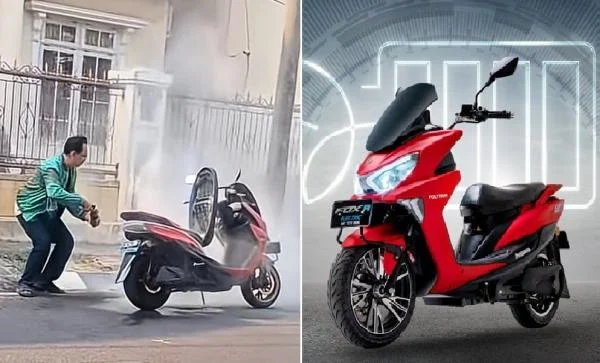
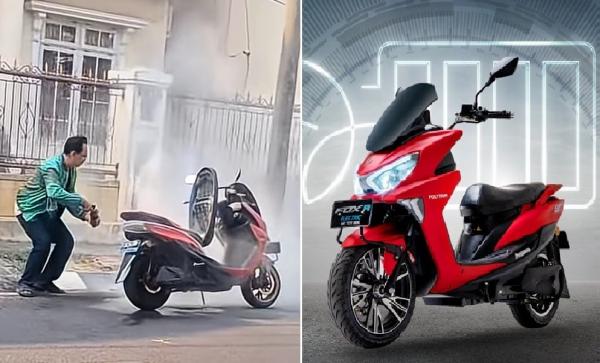
The recent incident involving a Polytron Fox R electric motorcycle, which caught fire in the Citra Garden 6 residential area of West Jakarta in September 2026, has ignited a critical conversation regarding the safety protocols and maintenance standards for electric vehicles (EVs) in Indonesia. The vehicle, operated by a local ride-hailing driver, suffered a catastrophic thermal event that prompted an immediate investigation by the manufacturer. Following a comprehensive technical inspection, Polytron, the automotive division of PT Hartono Istana Teknologi, confirmed that the fire was not the result of a manufacturing defect, but rather the consequence of unauthorized external electrical modifications that bypassed the vehicle’s original safety architecture.
Chronology of the Incident and Technical Findings
The fire occurred in September 2026, drawing significant attention due to the rising popularity of the Polytron Fox R among gig-economy workers who rely on electric mobility for daily operations. Upon receiving reports of the incident, Polytron’s Corporate Communications Department initiated a rapid response protocol. The unit was retrieved from the site and transported to a certified service center for a forensic mechanical and electrical analysis.
The investigation focused on the integrity of the high-voltage battery system, the motor controller, and the internal wiring harness. According to the official findings released by the company on September 21, 2026, the inspection revealed that the motorcycle had been subjected to significant aftermarket modifications. Specifically, the technical team identified the presence of external cabling that had been spliced into the vehicle’s electrical system. These additions were not compliant with the manufacturer’s rigorous safety standards.
The internal diagnostic logs indicated that the unit had been in consistent operation since its purchase in November 2023. Prior to the incident, the motorcycle had performed reliably without any reported malfunctions or performance issues, suggesting that the system was fundamentally sound under factory conditions. The unauthorized wiring, however, likely introduced a resistance or short-circuit risk that compromised the thermal management system, leading to the fire.
Understanding Electric Vehicle Safety and Modifications
The incident in West Jakarta underscores a growing trend in the Indonesian automotive landscape: the unauthorized modification of electric two-wheelers. As ride-hailing drivers seek to maximize the range or functionality of their vehicles—often to accommodate auxiliary devices like GPS units, additional lighting, or high-capacity power banks for mobile devices—they frequently tap into the existing wiring harness.
Electric motorcycles, unlike their internal combustion engine (ICE) counterparts, rely on complex battery management systems (BMS) that monitor cell voltage, temperature, and current flow. When an external component is wired directly into the main power line without the necessary relays, fuses, or circuit breakers, it can create a localized thermal overload. In an EV, such an overload can lead to a "thermal runaway," a chain reaction where the battery cells generate excessive heat that cannot be dissipated, eventually leading to combustion.
Polytron’s statement serves as a stark reminder that the factory-certified warranty and safety certifications are predicated on the vehicle remaining in its original configuration. Any alteration to the electrical grid of the motorcycle effectively voids the safety parameters established during the rigorous testing and certification phases, including SNI (Standard Nasional Indonesia) compliance.
The Role of Manufacturers in Consumer Education
In the wake of this event, the debate regarding consumer education has gained momentum. While manufacturers like Polytron provide detailed user manuals and guidelines for maintenance, the rapid adoption of electric mobility often outpaces the technical literacy of the average user. Many owners of electric motorcycles are transitioning from traditional fuel-powered bikes and may not fully grasp the sensitivity of high-voltage lithium-ion systems.
Polytron has reiterated its commitment to safety, noting that the protection of their consumer base is a paramount priority. By providing transparent findings regarding the cause of the fire, the company aims to mitigate public fear while emphasizing the importance of utilizing authorized service centers for any repairs or accessories installation. Industry experts suggest that manufacturers should implement more robust "tamper-evident" features on critical wiring harnesses to prevent users from accidentally compromising the vehicle’s electrical integrity.

Broader Implications for the Indonesian EV Industry
Indonesia has set ambitious targets for the electrification of its transportation sector, with government subsidies and tax incentives driving significant growth in the electric two-wheeler market. As thousands of these vehicles enter the streets of major cities like Jakarta, the infrastructure for maintenance and the standards for safety must evolve accordingly.
The incident highlights three critical areas for the industry:
- Regulatory Oversight on Aftermarket Modifications: There is currently a lack of strict enforcement regarding the modification of electric vehicles. Policymakers may need to consider stricter guidelines for aftermarket EV components to ensure they meet minimum safety thresholds.
- Training for Third-Party Workshops: Many Ojol drivers rely on independent workshops for cost-effective maintenance. Ensuring that these independent mechanics are trained in the specific safety protocols of electric motor systems could significantly reduce the risk of accidents caused by improper repairs or installations.
- Public Awareness Campaigns: The industry, in collaboration with the government, should launch comprehensive safety campaigns. These should focus on the specific risks associated with lithium-ion batteries and the dangers of bypassing factory-installed safety mechanisms.
Analyzing the Risks of Unauthorized Electrical Interventions
The structural integrity of an electric motorcycle is a finely tuned balance of battery discharge rates and cooling capacity. When a user adds an external cable to power a peripheral device, they are essentially introducing a variable that the BMS was never designed to account for. If the added device draws more current than the connection point can handle, the insulation of the wires can melt, leading to an immediate short circuit.
Furthermore, moisture ingress—common in Jakarta’s tropical climate—can exacerbate these risks when wiring is not properly sealed or routed. The fire at Citra Garden 6 serves as a case study for why manufacturers emphasize that the vehicle’s electrical system should be considered a "closed loop."
Looking Forward: Safety as a Shared Responsibility
The aftermath of the Polytron Fox R incident is a defining moment for the brand and the broader EV market in Indonesia. By taking accountability for the investigation and sharing the results publicly, Polytron has managed to maintain trust with its user base while highlighting the limitations of user-initiated modifications.

Moving forward, the focus must shift toward a collaborative approach between manufacturers, regulators, and end-users. Consumers must be encouraged to consult with official service centers before adding any electronic accessories, regardless of how minor they may seem. Simultaneously, the industry must ensure that its official accessories are accessible and that service centers are equipped to handle the evolving needs of the riding community.
As the nation pushes toward a greener future, the safety of electric motorcycles remains a non-negotiable pillar. The incident in West Jakarta, while unfortunate, provides a valuable lesson in the complexities of modern mobility. By adhering to engineering standards and respecting the delicate electrical architecture of electric vehicles, users can ensure that the transition to sustainable transport remains safe, efficient, and reliable for years to come.
The industry will likely see a surge in demand for plug-and-play accessories that are officially approved by manufacturers, as users become more aware of the dangers associated with "DIY" electrical work. Ultimately, the preservation of the electric vehicle’s integrity is the responsibility of the owner, but the guidance provided by the manufacturer remains the most critical safeguard against preventable accidents.
