
The Indonesian automotive sector, specifically the motorcycle industry, is demonstrating remarkable resilience against a backdrop of global economic uncertainty and shifting consumer purchasing power. Data released by the Indonesian Motorcycle Industry Association (AISI) reveals that domestic sales reached 5,016,421 units by the end of September 2026. This figure represents a robust growth of 3.7 percent compared to the same period in the previous year, signaling a sustained appetite for two-wheeled mobility across the archipelago. As the industry moves into the final quarter of the year, stakeholders are increasingly confident that total annual sales could breach the 6.5 million to 6.7 million unit threshold, a milestone that has eluded the domestic market for nearly a decade.
A Decade of Market Fluctuations
To understand the significance of the 2026 performance, one must look at the historical trajectory of the Indonesian motorcycle market. Following the 2015 period, which served as a high-water mark for the industry, the market underwent a series of corrections. Factors ranging from tightening credit policies and fluctuating fuel prices to the unprecedented disruption caused by the COVID-19 pandemic in 2020-2021 forced the industry into a defensive posture. For nearly ten years, annual sales consistently remained below the 6.5 million mark, as manufacturers and retailers navigated a volatile macroeconomic environment.
The recovery observed in 2026 is not merely a statistical rebound but a reflection of structural shifts in how Indonesians utilize transportation. With urban density increasing and the ongoing need for efficient, affordable, and agile mobility, motorcycles remain the primary mode of transport for a vast majority of the population. The consistent growth observed through September indicates that consumer confidence is stabilizing, supported by favorable financing options and the introduction of new, more efficient, and feature-rich models from major manufacturers.
Official Projections and Strategic Optimism
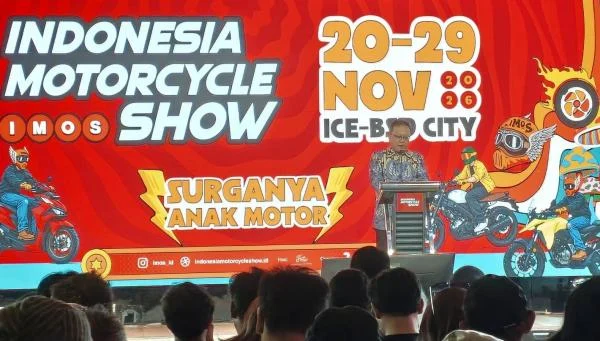
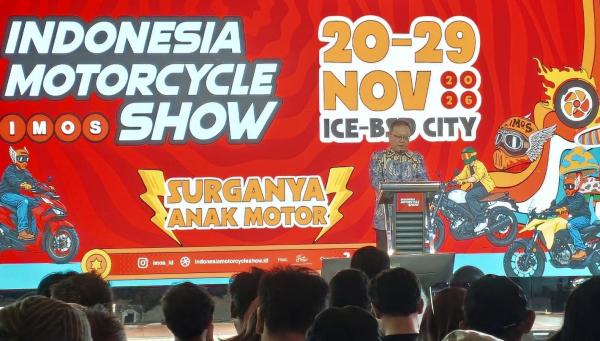
Thomas Wijaya, Chairman of AISI, addressed the current state of the industry during the recent press conference for the Indonesia Motorcycle Show (IMOS) 2026. His remarks underscore a sense of cautious optimism. "If we manage to surpass the 6.5 million unit mark, we are looking at the highest performance figures since 2015," Wijaya stated. He emphasized that the industry had been operating in a landscape where the market average was consistently suppressed, making the current trajectory a potential turning point for the sector.
The optimism surrounding the 2026 figures is not based on seasonal spikes alone but on a steady, month-on-month accumulation of demand. AISI members—who represent the major Japanese and local manufacturers operating within the country—have been coordinating closely to ensure that supply chains remain robust enough to meet the anticipated year-end demand. By hosting industry events like IMOS, AISI aims to consolidate this momentum, providing a platform for consumers to engage with the latest innovations, including advancements in fuel-injected engines and the gradual integration of electric mobility solutions.
The Role of IMOS as a Market Catalyst
The Indonesia Motorcycle Show (IMOS) has long served as the barometer for the health of the domestic industry. In 2026, the event is being leveraged not just as a retail showcase, but as a strategic tool to build anticipation for the 2027 fiscal year. Industry experts note that the timing of such exhibitions is crucial. By showcasing new models and technological upgrades during the fourth quarter, manufacturers effectively prime the market for the new year, ensuring that the momentum generated in late 2026 carries over into the first quarter of 2027.
Beyond the retail aspect, IMOS 2026 is expected to highlight the industry’s commitment to modernization. As the global automotive industry undergoes a transition toward sustainable energy, Indonesian manufacturers are under pressure to balance the immediate, high-volume demand for internal combustion engine (ICE) motorcycles with the long-term necessity of electrification. The discussions occurring at the leadership level within AISI suggest a dual-track strategy: maintaining the efficiency and dominance of traditional motorcycles while scaling up the infrastructure and market readiness for electric vehicles (EVs).

Economic Implications and Supply Chain Dynamics
The growth of the motorcycle market carries significant weight for the broader Indonesian economy. The industry is a massive employer, supporting thousands of jobs across manufacturing plants, component suppliers, logistics, and retail dealerships. A 3.7 percent growth rate in domestic sales, while seemingly modest, translates to hundreds of thousands of additional units moving through the economy, driving demand for insurance, maintenance services, and financing products.
Furthermore, the stability of the motorcycle market serves as a proxy for the spending power of the middle-to-lower-income segments of the population. As these segments gain better access to credit and as the national economy shows signs of steady GDP growth, the ability to purchase a reliable, new motorcycle becomes a key indicator of individual economic mobility. The ability of the industry to maintain this growth despite challenging global conditions speaks to the effectiveness of localized supply chains and the maturity of the Indonesian automotive manufacturing ecosystem.
Broader Context: Challenges and Future Outlook
Despite the positive trajectory, the industry is not without its challenges. The primary concern remains the global cost of raw materials and the potential for supply chain bottlenecks. Additionally, the fluctuating value of the Rupiah impacts the cost of imported components, which manufacturers must manage carefully to keep retail prices accessible to the mass market.
Furthermore, the shift toward electric motorcycles remains a significant hurdle. While the government of Indonesia has implemented various subsidies and incentives to encourage the adoption of electric two-wheelers, the transition is hampered by concerns regarding battery longevity, charging infrastructure, and the resale value of early-generation electric models. AISI is working in tandem with the government to address these concerns, recognizing that the long-term sustainability of the industry depends on successfully navigating the energy transition.

Looking ahead to 2027, the focus will likely shift from pure volume to value-added growth. The industry is expected to emphasize product differentiation, focusing on digital connectivity, rider safety features, and improved environmental standards. If the industry can sustain the 2026 momentum, it will not only secure a record-breaking year but also solidify its position as one of the most critical drivers of the Indonesian domestic economy.
Conclusion: A Milestone for the Industry
The data provided by AISI through September 2026 paints a picture of an industry that is finding its stride after a long period of consolidation. By nearing the 6.5 million unit threshold, the motorcycle sector is demonstrating its enduring relevance in the lives of millions of Indonesians. The leadership of AISI, through strategic events and industry coordination, appears poised to capitalize on this recovery.
As the calendar turns toward the end of the year, all eyes will be on the final sales figures. A successful finish to 2026 will serve as a powerful testament to the resilience of the Indonesian market and provide the necessary capital and confidence for the industry to invest in the technologies of the future. Whether or not the 6.7 million unit target is met, the growth recorded so far this year is already an achievement of significant proportions, signaling a renewed era of activity for one of Indonesia’s most vital industrial sectors.
