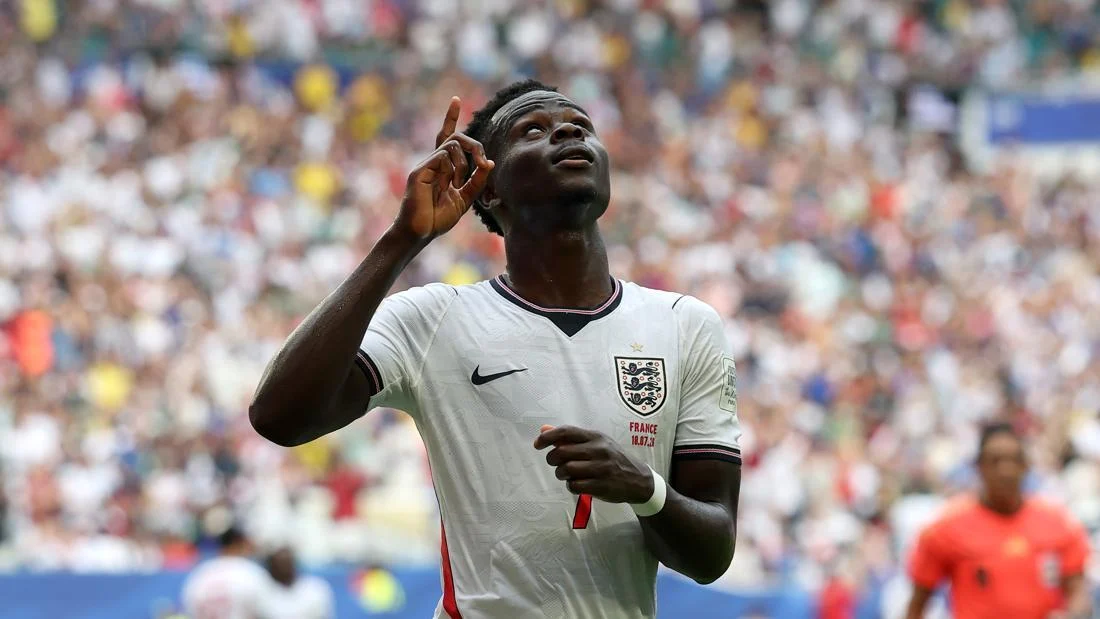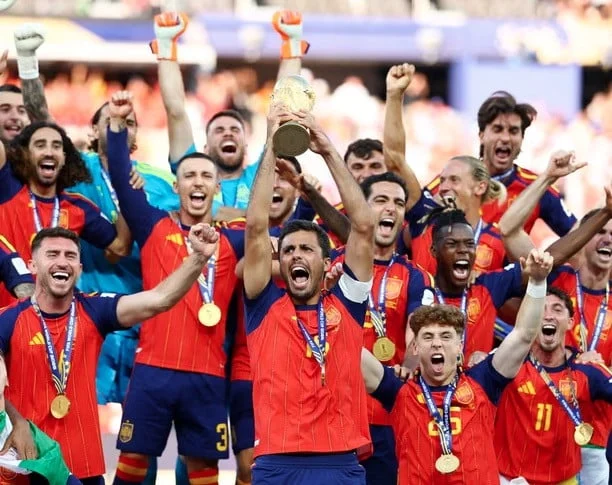
The quest for the FIFA World Cup trophy has long been considered the pinnacle of international football achievement, a dream etched in the hearts of players and fans worldwide. However, a startling revelation has emerged, casting a new light on the financial rewards associated with the beautiful game’s most prestigious tournaments. Despite its unparalleled global prestige, the FIFA World Cup’s prize money pales in comparison to that awarded to the champions of the FIFA Club World Cup, a disparity that has sparked considerable discussion among the footballing community.
Recent data, following the conclusion of the 2026 FIFA World Cup, where Spain emerged victorious after defeating Argentina, highlights this dramatic financial chasm. The Spanish national team, after lifting the coveted trophy, received a prize sum of $50 million. This figure, while substantial in absolute terms, represents less than half of the $125 million prize money claimed by Chelsea, the triumphant club in the 2025 FIFA Club World Cup. This significant difference has inevitably led to widespread questioning among football enthusiasts: why does the ultimate prize in international football yield a smaller financial reward than its club-level counterpart?
FIFA, the sport’s global governing body, has offered explanations rooted in the distinct business models and strategic objectives underpinning each competition. The World Cup, a quadrennial spectacle, is undeniably the flagship event, driving immense revenue streams for FIFA across a four-year commercial cycle. Projections indicate that FIFA is set to generate approximately $13 billion in revenue leading up to and including the 2026 tournament. A substantial portion of this, an estimated $8.9 billion, is directly attributed to the 2026 World Cup itself.
The primary engine of this immense revenue generation is broadcast rights, which are expected to contribute over $4 billion, accounting for roughly 39% of FIFA’s total income. Beyond television viewership, FIFA’s financial gains are further bolstered by ticket sales, hospitality packages, global sponsorship deals with titans like Coca-Cola, Adidas, and Visa, and extensive commercial licensing agreements. This robust financial ecosystem is designed to fund FIFA’s extensive development programs, infrastructure projects, and administrative operations across its member associations worldwide.
A Tale of Two Tournaments: World Cup vs. Club World Cup
The FIFA World Cup, with its rich history dating back to 1930, has always been more than just a sporting event; it is a global cultural phenomenon. Held every four years, it brings together the best national teams from every continent, fostering a sense of national pride and international camaraderie. The qualification process alone is a grueling, multi-year endeavor for most confederations, culminating in a month-long tournament that captivates billions of viewers. The narrative of nations battling for ultimate glory, the underdog stories, and the sheer emotional investment from fans contribute to its unparalleled prestige.
Conversely, the FIFA Club World Cup, established in its current format in 2000 (though its precursor, the Intercontinental Cup, dates back to 1960), showcases the leading club teams from each of FIFA’s six confederations. While it garners significant attention, particularly from club-focused fan bases, it operates within a different commercial framework. The competition is seen as a showcase for club football’s elite, a platform to determine the de facto "world champion" among professional clubs. Its annual occurrence, compared to the World Cup’s quadrennial cycle, also influences its revenue generation patterns and marketing strategies.
Historical Context and Evolution of Prize Money
The prize money for the FIFA World Cup has seen a steady increase over the decades, reflecting the tournament’s growing commercial value and the escalating costs of professional football. For instance, the inaugural 1930 World Cup offered a modest prize, with the champions, Uruguay, likely receiving a commemorative trophy and national recognition rather than a direct cash prize of the magnitude seen today. As the tournament gained global traction, so did its financial rewards.
By the 1990s, prize money had reached tens of millions of dollars. The 2002 World Cup, co-hosted by South Korea and Japan, saw Brazil take home $8 million. This figure continued to climb, with the 2006 tournament awarding $20 million to Italy. Germany’s triumph in 2014 came with a $35 million prize, and France’s victory in 2018 secured $38 million. The 2022 World Cup in Qatar awarded $42 million to the champions, Argentina, before the $50 million figure for the 2026 winners.
The FIFA Club World Cup’s prize money, while historically lower than the World Cup, has also seen significant growth, particularly in recent iterations. The expansion of the tournament and its increased commercial appeal have allowed for larger prize pools. The $125 million figure reported for the 2025 edition represents a substantial leap, underscoring the shift in financial dynamics.
Financial Frameworks and FIFA’s Strategic Vision
FIFA’s explanation points towards a deliberate strategic allocation of resources. The World Cup’s immense revenue is crucial for the global development of football. FIFA uses these funds to invest in grassroots programs, infrastructure development in emerging football nations, coaching education, and support for national federations. The financial model emphasizes the long-term sustainability and growth of the sport globally, rather than maximizing immediate returns for the winning national team.
The World Cup’s revenue streams, while colossal, are also subject to significant expenditure. Organizing a tournament of this magnitude involves immense logistical, security, and infrastructure costs, often borne by the host nation with substantial contributions from FIFA. Furthermore, a significant portion of the revenue is earmarked for the operational costs of FIFA itself, including its administrative functions, employee salaries, and various development initiatives that span the entire four-year cycle.
In contrast, the FIFA Club World Cup, while also a FIFA-sanctioned event, operates with a different financial objective. The increased prize money for clubs can be seen as a strategic move to further elevate the profile and commercial viability of club football on a global scale. For clubs, particularly those from less prominent leagues or confederations, the prize money can be transformative, allowing for significant investment in player acquisition, youth academies, and stadium improvements. This, in turn, strengthens the overall quality and competitiveness of club football worldwide, a key objective for FIFA in promoting the sport’s evolution.
The higher prize money for the Club World Cup can also be attributed to the fact that top-tier clubs already possess substantial commercial power and fan bases. The tournament provides them with an additional lucrative platform, and the increased prize money serves as an incentive to participate and invest in their squads to win. This creates a virtuous cycle where the success of the Club World Cup further enhances the commercial appeal of elite club football.
Analysis of Implications and Future Outlook
The substantial disparity in prize money raises pertinent questions about FIFA’s priorities and the future direction of professional football. While the World Cup’s financial contributions are vital for the global development of the sport, the growing financial rewards for club teams suggest a rebalancing of emphasis.
One perspective is that this shift acknowledges the economic realities of modern football, where club revenues, driven by broadcasting deals, sponsorships, and merchandise, often dwarf those of national federations. By offering larger prizes to clubs, FIFA might be aiming to foster a more robust and competitive club landscape, which ultimately benefits the sport as a whole.
Another implication is the potential impact on national team competitions. With clubs commanding larger financial resources, the ability of national federations to retain their star players, especially during non-international breaks, could face new challenges. However, the prestige and historical significance of the World Cup remain unmatched, and national pride is a powerful motivator that transcends financial considerations for most players.
Furthermore, this financial disparity could influence the strategic planning of clubs. The prospect of a substantial prize from the Club World Cup might encourage clubs to prioritize this competition, potentially impacting their performance in domestic leagues or other continental club tournaments.
Looking ahead, it will be fascinating to observe how this trend evolves. Will FIFA continue to increase the prize money for the Club World Cup, potentially further widening the gap? Or will there be a strategic adjustment to ensure that the World Cup, as the ultimate symbol of international football, continues to offer rewards commensurate with its unparalleled prestige and global impact? The ongoing dialogue and FIFA’s future financial allocations will undoubtedly shape the landscape of professional football for years to come. The current situation, however, presents a compelling narrative of how the financial incentives in the beautiful game are evolving, reflecting the dynamic and ever-growing commercial power of football at both the international and club levels.