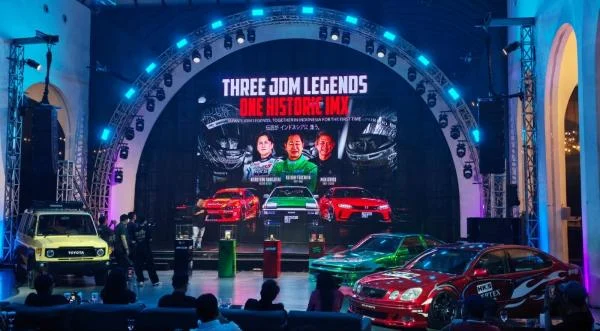
The Indonesian automotive landscape is bracing for a significant shift as the Indonesia Modification & Lifestyle Expo (IMX) 2026 prepares to return for its ninth consecutive year. Scheduled to take place from October 9 to October 11, 2026, at the Indonesia Convention Exhibition (ICE) BSD City in Tangerang, the event serves as the pinnacle of the nation’s automotive aftermarket and lifestyle sector. Organizers have confirmed that 200 meticulously curated vehicles will headline the exhibition, marking a rigorous selection process that underscores the maturing quality of local craftsmanship.
The Evolution of IMX and the NMAA Standard
Since its inception, the IMX has evolved from a local gathering into a primary nexus for the Southeast Asian automotive industry. By facilitating a platform where local modifiers meet global standards, the National Modificator & Aftermarket Association (NMAA) has effectively shifted the perception of Indonesian vehicle modification from amateur tinkering to a highly sophisticated industrial art form.
The inclusion of the "NMAA Ultimate Builder" segment represents the most significant evolution in the event’s history. This year, the vetting process reached unprecedented levels of professional scrutiny. The selection was overseen by renowned international expert Big Mike, a luminary in the global scene and a multi-time winner at the SEMA Battle of the Builders in Las Vegas. His involvement ensures that the 200 vehicles selected for the 2026 expo are not merely "customized" but represent high-end engineering, design innovation, and technical precision that can compete on the international stage.
The Rigorous Path to Selection
The journey for a vehicle to be displayed at IMX 2026 begins months in advance. Thousands of applications were processed, with a focus on safety, aesthetic coherence, engineering integrity, and the innovative use of aftermarket components. Unlike traditional car shows that prioritize quantity, the IMX strategy focuses on "curated quality."
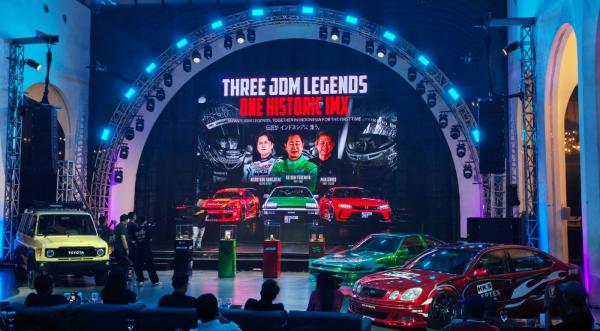
The selection criteria evaluated by the NMAA panel included:
- Technical Complexity: The degree of difficulty involved in the mechanical or aesthetic modifications.
- Brand Synergy: How well the vehicle integrates high-quality aftermarket parts with original equipment manufacturer (OEM) standards.
- Safety Compliance: A critical factor that the NMAA emphasizes to ensure that all street-legal or show-spec cars adhere to fundamental safety protocols.
- Cultural Representation: The ability of the build to reflect the unique "Indonesian touch" while appealing to global design trends.
A Strategic Milestone in the Automotive Calendar
The choice of October 9–11 as the event dates is strategic, allowing the expo to serve as the definitive capstone for the 2026 automotive fiscal year. For participants, being featured at the IMX is considered a professional milestone that often translates into lucrative partnerships with international performance brands, paint suppliers, and hardware manufacturers.
IMX 2026 is not merely a static display. It is a hub of economic activity where business-to-business (B2B) networking occurs alongside consumer-facing interaction. As Indonesia continues to position itself as a hub for the Southeast Asian automotive market, events like the IMX serve as proof-of-concept for the country’s manufacturing and service capabilities. The event will host representatives from major global aftermarket manufacturers who are increasingly looking at Indonesia as a primary consumer market and an R&D hub for customized automotive solutions.
Perspectives from Leadership
Andre Mulyadi, the Project Director of IMX, highlighted the gravity of the ninth edition during the pre-event briefing in Jakarta on September 29, 2026. "IMX 2026 is not simply a trade show; it is a declaration of maturity for the Indonesian modifier community," Mulyadi stated. "We have reached a stage where our builders are no longer followers of global trends, but leaders who are shaping them. By bringing together global legends, iconic vehicles, and top-tier builders, we are creating a convergence of talent that sets the tone for the coming decade."
Industry analysts suggest that Mulyadi’s sentiment reflects a broader economic reality: the Indonesian automotive aftermarket is expanding at an accelerated pace. With the rise of a younger, affluent demographic, the demand for vehicle personalization—ranging from aesthetic body kits to advanced performance tuning—has created a sustainable ecosystem that supports hundreds of small and medium-sized enterprises (SMEs).

Broader Economic and Industrial Impact
The significance of the IMX extends beyond the aesthetic appeal of modified cars. The aftermarket industry is a critical component of the national economy, contributing to job creation in fields such as mechanical engineering, industrial design, upholstery, and advanced electronics.
By standardizing the quality of modifications, the NMAA is also fostering a more transparent market. For the average consumer, the IMX serves as a guide to reliable brands and professional workshops, helping to distinguish high-quality service providers from substandard operators. This educational aspect is vital for the sustainable growth of the industry, as it builds consumer trust in local businesses.
Furthermore, the international attention garnered by the expo helps facilitate technology transfer. When international brands see the level of craftsmanship at the IMX, they are more likely to establish distribution centers or even local assembly/manufacturing facilities within Indonesia. This creates a virtuous cycle of investment, job creation, and skill development for local mechanics and engineers.
What to Expect: A Preview of the 2026 Expo
The 2026 edition of the IMX will feature several distinct zones:
- The Hall of Legends: A curated space dedicated to historic, award-winning, and historically significant vehicles that have defined the evolution of the Indonesian mod scene.
- The Global Pavilion: Featuring booths from top international aftermarket brands showcasing their latest prototypes and releases.
- The Live Modification Zone: A dedicated area where experts will demonstrate advanced techniques, from carbon fiber fabrication to high-end engine management programming, providing educational value to attendees.
- Lifestyle & Retail Hub: An area dedicated to the broader "automotive lifestyle," including merchandise, art installations, and performance apparel that complements the modified car culture.
Future Outlook and Sustainability
As the event approaches its tenth anniversary in 2027, the focus of the IMX is likely to shift toward sustainable modification practices. Discussions on electric vehicle (EV) conversions and the use of eco-friendly materials are expected to gain prominence in the coming years. By setting the standard for traditional internal combustion engine (ICE) modifications today, the IMX is effectively laying the groundwork for how Indonesia will approach the future of the electrified automotive lifestyle.

For the 2026 edition, the organizers are expecting a record turnout of both domestic and international visitors. With travel restrictions largely a thing of the past and interest in the Indonesian automotive scene at an all-time high, the event is expected to draw enthusiasts, media personnel, and business investors from across the Asia-Pacific region, Europe, and North America.
Conclusion: A Turning Point for Indonesian Automotives
The Indonesia Modification & Lifestyle Expo 2026 stands as a testament to the resilience and creativity of the local automotive sector. By curating a selection of 200 elite vehicles and hosting them in a world-class facility, the NMAA is ensuring that the global automotive community takes notice of Indonesia’s rising prominence.
As the countdown to October 9 begins, the industry is poised to see not just the latest in aesthetic trends, but the underlying strength of an industry that has successfully professionalized its approach. For those in the business of speed, style, and engineering, the IMX 2026 is the undisputed destination of the year, signaling that the future of automotive modification in Southeast Asia is being written in Jakarta.