The Red Bull KTM factory racing team experienced a weekend of contrasting fortunes at the Red Bull Ring, culminating in a historic triumph as Pedro Acosta secured his maiden premier-class victory at the MotoGP Austrian Grand Prix 2026. Delivering a masterclass in racecraft on Sunday, September 20, 2026, the young Spanish phenom fought off fierce competition to stand on the top step of the podium, edging out the factory Aprilia duo of Jorge Martin and Marco Bezzecchi. This landmark victory not only marked Acosta’s first Grand Prix win of the 2026 season but also served as a profoundly emotional farewell present to the Austrian manufacturer, an entity that has nurtured and guided his entire world championship career thus far.
The significance of the victory reverberated throughout the paddock, coming at the end of a high-stakes weekend at KTM’s home circuit. For Acosta, the triumph dissolved the lingering pressure of a winless premier-class campaign up to that point and added another golden chapter to a remarkably rapid ascension through the Grand Prix ranks. As the sun set over the Styrian hills, the paddock recognized the performance as a testament to both Acosta’s unyielding resilience and the culmination of a multi-year partnership that is soon drawing to a close.
A Journey Rooted in Orange: The KTM Legacy with Pedro Acosta
To fully comprehend the weight of Pedro Acosta’s victory in Austria, one must examine the deep-rooted relationship between the rider from Mazarrón and the KTM corporate motorsport ecosystem. Acosta’s Grand Prix trajectory has been inextricably linked to the Austrian brand since he burst onto the world stage in 2021. In his debut Moto3 season, riding for the Red Bull KTM Ajo squad, he captured the imagination of the global motorsport community by securing the world championship in stunning fashion, defying rookie expectations with audacious overtaking maneuvers and supreme race management.
Following his immediate success in the lightweight category, Acosta transitioned smoothly to Moto2 with KTM’s backing. After a developmental learning curve in his first intermediate-class year in 2022, he dominated the 2023 Moto2 World Championship, sealing the crown with races to spare and cementing his status as the sport’s most coveted generational talent. Naturally, promotion to the premier class was the logical next step. In 2024, Acosta graduated to MotoGP with the Tech3 GasGas squad—utilizing factory-spec KTM RC16 machinery—and instantly made headlines by securing a podium finish during only his second weekend in the premier class at the Portuguese Grand Prix.
Despite the early podiums and a reputation for matching, and occasionally eclipsing, veteran factory riders, a Sunday Grand Prix victory in MotoGP remained elusive for Acosta. Throughout 2024 and 2025, near-misses, technical developments, and the fierce dominance of rival manufacturers meant the top step of the podium stayed just out of reach. With the announcement that Acosta will be departing the KTM stable at the conclusion of the 2026 season to pursue a new chapter in his career, the window to deliver a premier-class victory for the brand that built his career was rapidly closing. Sunday at the Red Bull Ring provided the final, perfect canvas.
The Chronology of a Redemption Weekend: From Saturday Heartbreak to Sunday Glory
The path to victory was far from straightforward, characterized by the intense emotional and physical rollercoaster that defines modern elite motorcycle racing. Just 24 hours prior to his career-defining Sunday triumph, Acosta experienced the bitter taste of devastation during the Saturday Sprint race. Starting from a commanding position, the young Spaniard controlled the early stages of the sprint with apparent ease, dictating the pace and neutralizing threats from the chasing pack. However, the fine margins of MotoGP bit hard; a momentary loss of front-end grip resulted in a high-speed crash, abruptly ending his race and handing the sprint victory to his rivals.
For many riders, a crash while leading comfortably on a Saturday can induce psychological pressure and over-riding tendencies on Sunday. Yet, Acosta displayed the maturity of a seasoned world champion. Working closely with his engineering crew overnight, he recalibrated his approach, addressing the underlying chassis and tire feedback issues that contributed to the sprint incident.
When the red lights went out for the full-distance Grand Prix on Sunday afternoon, Acosta executed a clean start, immediately positioning himself within the lead group. As the race unfolded over 28 grueling laps, tire degradation and thermal management became critical factors at the notoriously stop-and-go Red Bull Ring. Acosta maintained his composure, conserving his Michelin rubber while absorbing relentless pressure from the Aprilia duo of Jorge Martin and Marco Bezzecchi.

As the race entered its final third, Acosta initiated a decisive surge, carving out a narrow yet crucial margin over Martin. He expertly closed the door on any potential passing maneuvers through the heavy braking zones, crossing the finish line to secure a historic victory. The elation in the KTM pitlane was palpable, offering a dramatic narrative turnaround from the despair of the previous afternoon.
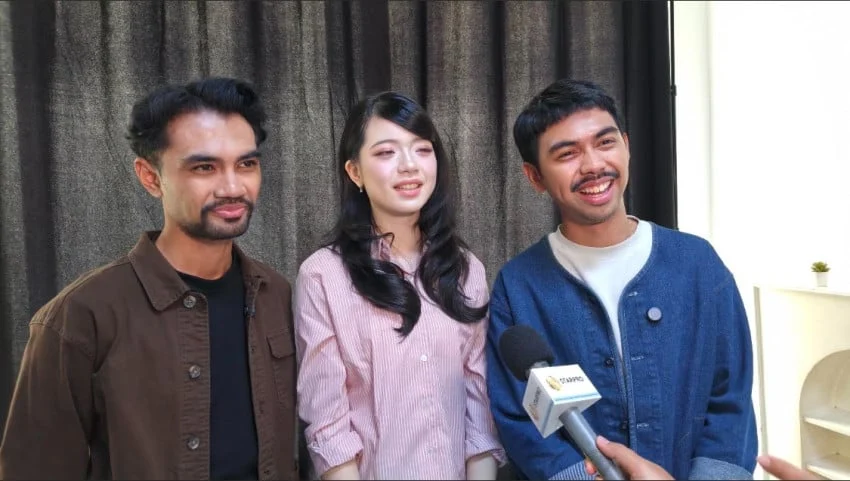
Reflecting on the milestone achievement in the post-race media pen, Acosta allowed himself a moment of nostalgia, drawing parallels to his previous triumphs in the lower categories.
"I still remember the last time in Indonesia in the class of Moto2," Acosta remarked, referencing his dominant victory during his 2023 intermediate championship run. "The first victory is always something special. But this one feels completely different. This is a magnificent way to complete the journey with KTM, right here in front of all the passionate Austrian fans who have supported me since my early days in the paddock."
Strategic Implications for KTM and the 2026 MotoGP Championship
Beyond the emotional resonance of a farewell victory, Acosta’s triumph at the Austrian Grand Prix carries substantial technical and strategic implications for the Red Bull KTM factory operation. Throughout the 2026 season, KTM has faced a relentless development war against dominant European rivals Ducati and the resurgent Aprilia racing department. Securing a victory at their home Grand Prix provides a massive morale boost to the factory workforce in Mattighofen, validating ongoing aerodynamic and engine-braking updates implemented on the RC16 prototype.
The race also highlighted the evolving competitive hierarchy within the premier class. By successfully fending off both Jorge Martin and Marco Bezzecchi—two riders mounted on Aprilia’s highly competitive RS-GP machinery—Acosta demonstrated that the KTM package, when optimized for race distance, remains a potent weapon in the hands of an elite rider. Aprilia’s double podium solidified their status as consistent front-runners, but Acosta’s defensive masterclass proved that KTM can still dictate terms at circuits prioritizing sheer horsepower and aggressive braking stability.
Furthermore, this victory serves as a timely reminder of Acosta’s sheer market value and competitive ceiling as the silly season for rider transfers reaches its boiling point. For the teams tracking his future services, Sunday’s performance provided empirical proof that the Spaniard can manage race pressure, recover swiftly from heavy setbacks, and execute a flawless tactical plan under extreme duress.
Broader Impact on the MotoGP Landscape
The 2026 MotoGP season has been defined by high-intensity technical battles, regulatory stability leading to remarkably close field spreads, and shifting allegiances among top-tier talent. Pedro Acosta’s breakthrough victory in Austria introduces a fresh dynamic into the championship standings and narrative arcs.
As the calendar moves into the final flyaway races of the 2026 campaign, the psychological barrier of the maiden premier-class win has finally been dismantled for the young star. Freed from the statistical weight of chasing his first victory, Acosta enters the final phase of the season as a liberated and profoundly dangerous competitor. For KTM, the victory ensures that the final months of their partnership with their generational prodigy will be remembered not for what could have been, but for a crowning moment of glory on home soil.
Ultimately, the Austrian Grand Prix 2026 will be recorded in the history books as the weekend where Pedro Acosta cemented his arrival as a premier-class dominator, delivering a poignant, storybook conclusion to a foundational chapter of his racing career.