

Nana Mirdad has increasingly become a prominent figure in the culinary social media landscape, transforming her personal Instagram account into a digital kitchen that emphasizes practicality, nutritional balance, and accessible home cooking. While the actress is widely recognized for her television career, her recent transition into a lifestyle and culinary influencer has resonated with a significant audience looking for realistic, healthy meal solutions for their families. On November 10, 2026, the 41-year-old content creator once again highlighted the importance of simple, home-cooked meals by showcasing a series of recipes ranging from traditional Indonesian staples like orek tempe to modern fusion dishes.

The Evolution of Home Cooking Trends in the Digital Age
The shift toward home cooking has gained substantial momentum over the past several years, driven by a growing public interest in health-conscious living and the cost-effectiveness of preparing meals at home. Data from recent consumer behavior reports suggest that social media platforms like Instagram and TikTok have become the primary sources of culinary inspiration for urban households. Nana Mirdad’s approach aligns with this global trend, focusing on "practicality"—a key requirement for modern parents balancing professional commitments and family life.
By utilizing high-quality ingredients and straightforward cooking techniques, Mirdad’s content serves as a blueprint for maintaining a balanced diet without the need for complex culinary training. Her recipes frequently incorporate whole foods, such as spinach, tempeh, and fresh fruits, which are staples in many Indonesian households but are often overlooked in favor of processed alternatives.

Culinary Chronology and Content Highlights
Nana Mirdad’s culinary journey, as documented on her social media, reflects a progression from simple domestic tasks to more refined, creative experimentation. Her recent contributions include:
- Nutritional Smoothies: Her "Strawberry Banana Smoothie" recipe, which utilizes kefir, milk, and dates as a natural sweetener, highlights the trend of moving away from refined sugars. Kefir, a fermented milk drink, provides essential probiotics, catering to the growing consumer interest in gut health.
- Budget-Friendly Nutrition: Mirdad has demonstrated that healthy eating does not necessarily require expensive ingredients. Her combination of spinach, eggs, and beef shortplate provides a protein-rich, fiber-filled meal that can be prepared in minutes, proving that nutritional density is achievable on a standard household budget.
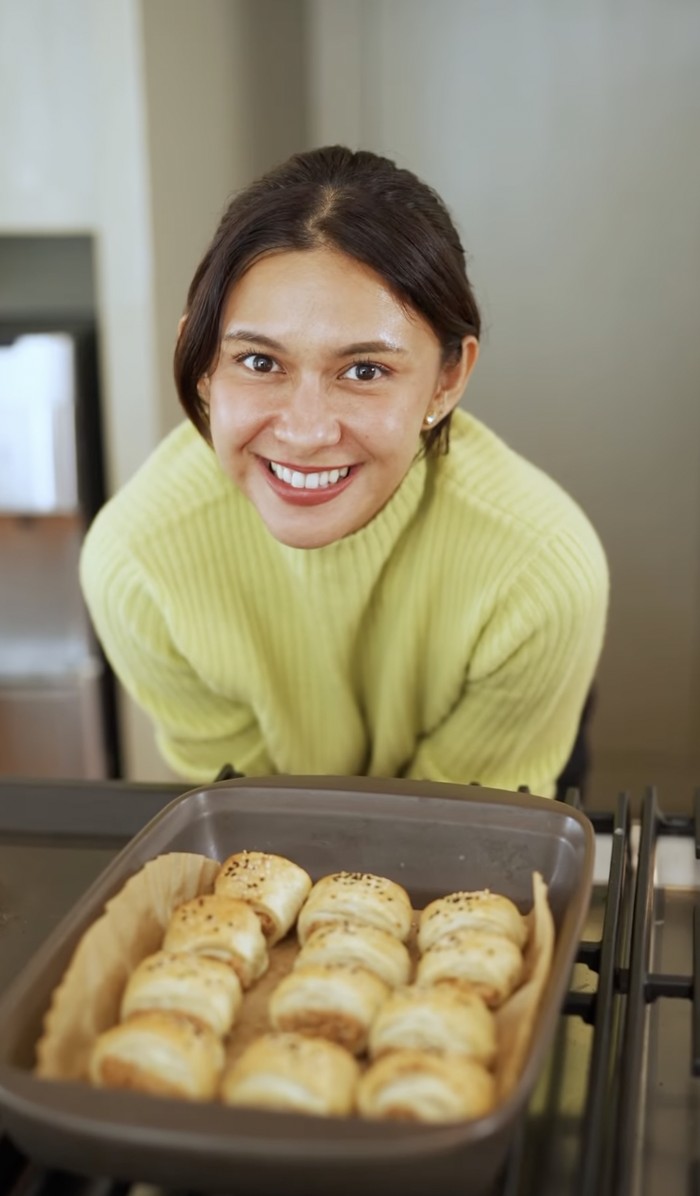
- Vegetarian Innovation: Her "Vegetarian Sausage Roll" recipe, featuring puff pastry, cheese, and walnuts, illustrates her ability to adapt classic comfort foods into meat-free versions. This demonstrates an understanding of modern dietary shifts toward flexitarianism.
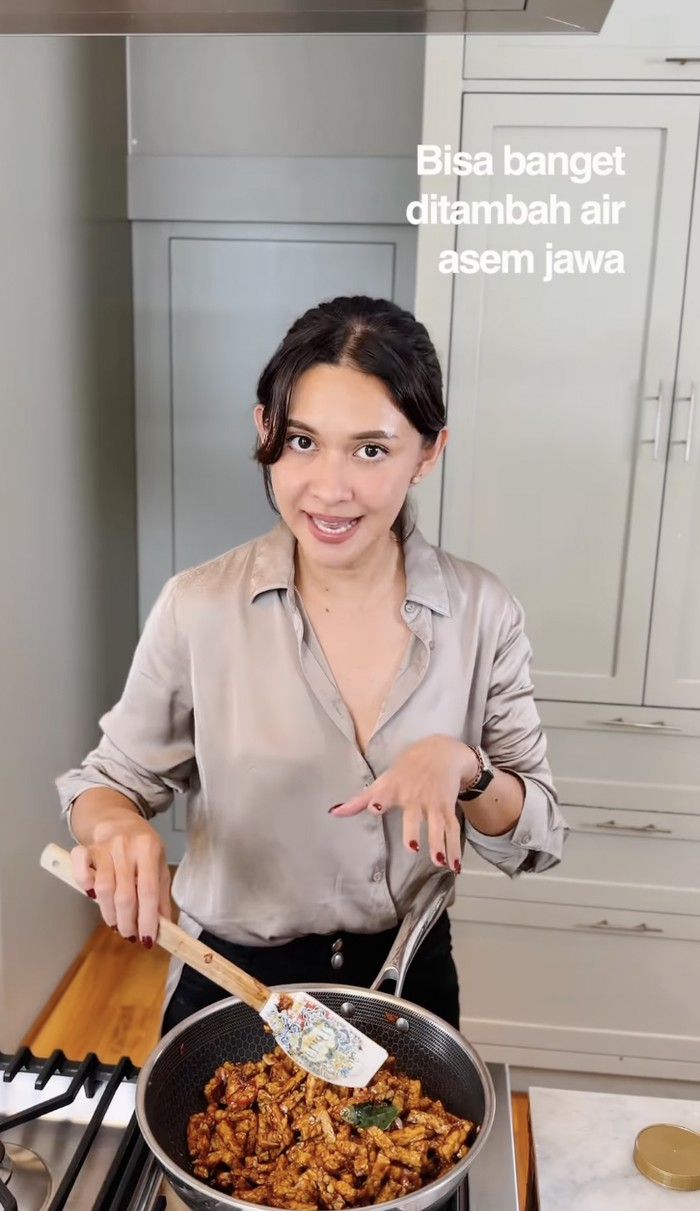
- Traditional Staples: Her recipe for orek tempe—a classic stir-fried fermented soybean dish—remains one of her most popular. By emphasizing the use of aromatic ingredients like red onion, garlic, chili, and lime leaves, she reminds her followers that traditional Indonesian cuisine relies on the depth of fresh spices rather than complicated preparation.
- Fusion and Convenience: Even when utilizing instant convenience foods, such as instant ramen, Mirdad applies a "chef’s touch" by incorporating milk, cheese, garlic, and olive oil to elevate the nutritional and flavor profile of the dish, effectively showing her audience how to transform quick meals into something more substantial.
Nutritional Implications and Health Perspectives
Nutritionists often emphasize that the quality of home-cooked meals is significantly superior to store-bought or processed food due to the control over sodium, sugar, and fat content. Mirdad’s focus on using dates instead of processed sugar in her smoothies, and her preference for fresh aromatics over MSG-heavy flavorings, serves as a practical application of these dietary guidelines.

The integration of tempeh into her recipes is particularly noteworthy. Tempeh is a fermented soy product that is rich in protein, fiber, and iron, making it an excellent plant-based protein source. In the context of Indonesia’s food security and health landscape, encouraging the consumption of locally sourced, affordable proteins like tempeh is a positive development for public health.
The Role of Influencers in Shaping Public Health
The impact of public figures like Nana Mirdad on public health cannot be understated. By normalizing the act of cooking from scratch, she is effectively combating the "fast-food culture" that has contributed to rising rates of lifestyle-related diseases, such as type 2 diabetes and hypertension, in many urban centers.

A study on social media behavior indicates that when influencers demonstrate the preparation of a meal, it lowers the "barrier to entry" for followers. Seeing a relatable figure prepare a meal makes the task appear less daunting and more achievable. Mirdad’s content is devoid of excessive culinary jargon, focusing instead on the process and the result, which encourages her followers to replicate the dishes in their own homes.
Strengthening Family Bonds Through the Kitchen
Beyond the nutritional value, there is a clear psychological and sociological dimension to Mirdad’s cooking content. Her posts frequently emphasize "quality time," particularly with her children. Cooking is presented not as a chore, but as a communal activity that strengthens family ties. This perspective is vital in an era where digital distractions often isolate family members.
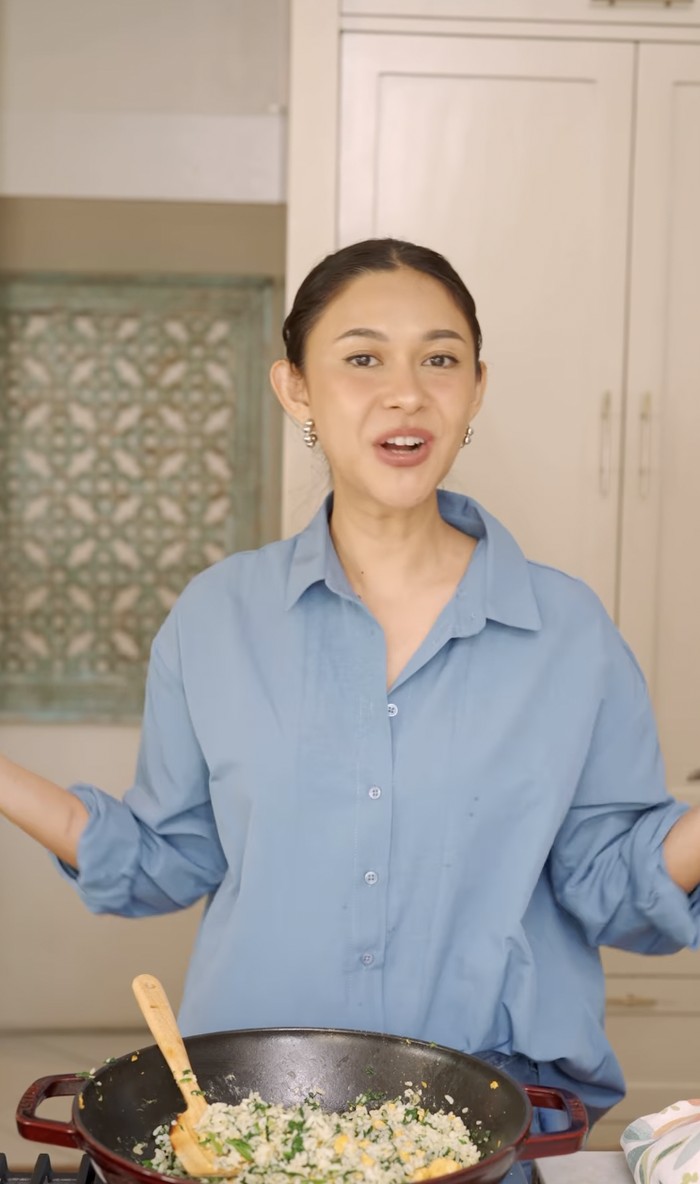
Her recent interaction with her daughter, involving a sentimental gift of a handbag, contrasted with her humble approach to cooking, underscores a balanced lifestyle where luxury and simplicity coexist. This resonates with a wide demographic that values both professional success and the grounded, traditional aspects of family life.
Analysis of the "Home Chef" Phenomenon
The rise of the home chef is supported by the increasing availability of kitchen technology and the democratization of information. Nana Mirdad acts as a curator, sifting through an overwhelming amount of culinary information to provide her followers with tested, reliable methods.
From an economic perspective, this shift toward home cooking has implications for the retail sector. As more households prioritize fresh produce and basic ingredients over pre-packaged meals, grocery retailers may see shifts in demand. Furthermore, the emphasis on basic staples like flour, yeast, and eggs—which Mirdad uses to demonstrate the simplicity of bread-making—highlights a return to traditional self-sufficiency.
Future Outlook and Sustained Influence
As Nana Mirdad continues to share her kitchen endeavors, the trajectory of her content suggests a long-term commitment to health and family-oriented living. Her ability to pivot between complex-sounding dishes and simple, comfort-food classics keeps her content fresh and relevant.
For the broader public, her influence serves as a reminder that the kitchen is a space of creativity and health. Whether it is through a simple stir-fry or a more intricate vegetarian pastry, the underlying message of her content remains consistent: the best meals are those prepared with intention, using quality ingredients, and shared with those who matter most.
The success of her social media presence is a testament to the enduring appeal of authenticity. In a world of curated, high-production digital content, Mirdad’s straightforward, honest approach to cooking and motherhood provides a refreshing and valuable service to her audience. As the culinary landscape continues to evolve, it is likely that her focus on simple, nutritious, and accessible recipes will continue to shape the cooking habits of her thousands of followers, proving that good food is truly at the heart of a healthy home.
