
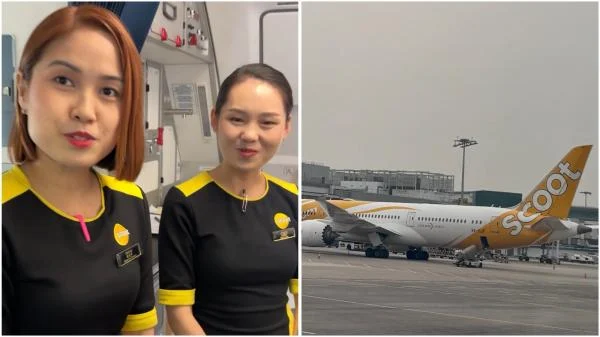
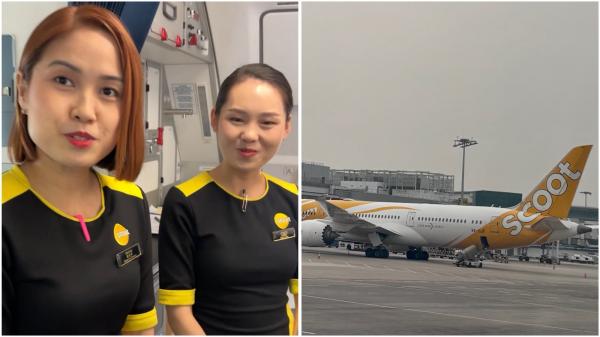
The aviation industry in Southeast Asia continues to undergo a significant transformation, balancing the efficiency of low-cost carriers with the growing demand for personalized passenger experiences. A recent familiarization trip (FAM Trip) conducted by Scoot, the low-cost subsidiary of Singapore Airlines, from October 26 to October 31, 2026, highlighted how modern airlines are refining service delivery to enhance the travel experience for regional explorers. The journey, which traversed the route from Jakarta to Chiang Rai via Singapore, served as a case study in how tactical service innovations—such as priority boarding and cabin-crew engagement—can distinguish a budget carrier in a highly competitive market.
The Strategic Importance of the Jakarta-Singapore-Chiang Rai Corridor
The route connecting Indonesia’s capital, Jakarta, to the northern reaches of Thailand represents a growing corridor for both tourism and regional commerce. Chiang Rai, often overshadowed by the northern capital of Chiang Mai, has emerged as a premier destination for travelers seeking an authentic encounter with Lanna culture, architectural marvels such as the White Temple (Wat Rong Khun), and the lush landscapes of the Golden Triangle.
For Scoot, leveraging the connectivity provided by Singapore’s Changi Airport is a core component of its operational strategy. By funneling passengers from Soekarno-Hatta International Airport into the Changi hub, the airline provides a bridge for Indonesian travelers to access secondary, high-growth cities in Northern Thailand. This connectivity is vital for the development of local tourism economies in Southeast Asia, as it disperses foot traffic away from the saturated hubs of Bangkok and Phuket.
Chronology of the Journey: From Jakarta to the Lanna Kingdom
The expedition commenced on Monday, October 26, 2026, at Terminal 3 of Soekarno-Hatta International Airport. The logistics of the trip were designed to mirror the typical experience of a leisure traveler utilizing the Scoot network. The initial leg of the journey involved a transit through Changi Airport, a strategic necessity given the airline’s hub-and-spoke model.
The transit process at Changi remains a benchmark in global aviation, characterized by streamlined baggage handling and efficient passenger flow. For travelers on the Scoot network, the integration of flights ensures that the transition between the Jakarta-Singapore leg and the Singapore-Chiang Rai leg is seamless. The group arrived in Chiang Rai, the northernmost city in Thailand, ready to begin a five-day exploration of the region’s distinct historical and culinary landscapes.
Operational Excellence: The "BoardMeFirst" Advantage
A focal point of the FAM Trip was the evaluation of Scoot’s ancillary services, specifically the "BoardMeFirst" product. In the landscape of low-cost aviation, where the business model relies on high aircraft utilization and rapid turnaround times, the boarding process is frequently a point of friction.
"BoardMeFirst" allows passengers to bypass standard boarding queues, a service that provides not only physical convenience but also a psychological benefit to the traveler. By prioritizing the boarding sequence, the airline reduces the stress associated with cabin congestion and overhead bin competition. Observations during the trip suggested that this service, while simple in execution, significantly elevates the perceived value of the flight. It demonstrates a pivot in the low-cost carrier (LCC) sector: moving away from a "no-frills" identity toward a "smart-frills" model, where passengers can customize their comfort levels through targeted purchases.
Market Context: The Evolution of Low-Cost Carriers
The global LCC market has evolved considerably since the early 2000s. Initially defined by a rigid adherence to cost-cutting, modern LCCs like Scoot are increasingly adopting features once reserved for full-service carriers (FSCs). This includes the integration of inflight digital services, loyalty program tie-ins with parent companies, and enhanced ground services.
Data from aviation analytics firms indicate that regional travelers in Southeast Asia are becoming increasingly discerning. While price remains the primary driver of purchase decisions, "soft factors"—such as the warmth of cabin crew, the cleanliness of the cabin, and the efficiency of the check-in process—are becoming the deciding factors in brand loyalty. Scoot’s focus on these elements during the recent FAM Trip signals a recognition that in the post-pandemic era, the traveler’s journey begins at the moment of booking, not just at the aircraft door.

The Significance of Chiang Rai as a Destination
Chiang Rai is strategically positioning itself as a destination for the "conscious traveler." Unlike the bustling urban sprawl of Bangkok, Chiang Rai offers a slower pace of life, deeply rooted in the traditions of the Lanna kingdom. The city’s recent investment in sustainable tourism infrastructure and the promotion of its local culinary scene—such as the unique flavors found at establishments like Kahavadi—have made it an attractive prospect for regional FAM trips.
From a macroeconomic perspective, the influx of international tourists via direct and connecting flights contributes significantly to the local economy. Statistics from the Tourism Authority of Thailand (TAT) suggest that secondary cities like Chiang Rai are key to the government’s strategy of decentralizing tourism revenue. By facilitating easier access through airlines like Scoot, these regions can sustain their cultural heritage while modernizing their hospitality sectors.
Official Perspectives and Service Standards
While specific internal metrics of the FAM Trip are proprietary, the broader industry trend points toward a high emphasis on "service touchpoints." Cabin crew training at airlines like Scoot has shifted toward a more proactive, personalized approach. During the transit and flight segments, the attentiveness of the crew serves as the human interface of the brand.
Industry analysts suggest that for airlines operating in the Asian market, the cultural nuance of service is paramount. A smile, a personalized greeting, or the efficient handling of a request can create a lasting impression that drives repeat bookings. The "personal" experience mentioned by participants of the trip reflects a calculated effort by the airline to humanize the often-automated process of modern air travel.
Implications for Future Regional Travel
The successful execution of the Scoot FAM Trip to Chiang Rai serves as a microcosm for the future of regional aviation. Several key takeaways emerge:

- Hub Connectivity: The importance of efficient transit hubs, such as Changi, cannot be overstated. It remains the backbone of regional connectivity for smaller cities.
- Ancillary Revenue Models: Services like "BoardMeFirst" illustrate how airlines can generate incremental revenue while simultaneously improving the customer experience.
- The Rise of Secondary Cities: As travelers seek more authentic, less crowded experiences, airlines that prioritize routes to secondary cities like Chiang Rai will likely capture a larger share of the leisure market.
- Service as a Differentiator: In a crowded market where aircraft and routes are often similar, the quality of service provided by ground and cabin staff is the primary tool for brand differentiation.
Conclusion
The journey from Jakarta to Chiang Rai, facilitated by Scoot, provided more than just a logistical transfer; it provided a narrative on how the aviation industry is adapting to the needs of the modern traveler. By blending the efficiency of a low-cost carrier with the strategic deployment of personalized services, Scoot is positioning itself as a vital link between the emerging markets of Southeast Asia and the cultural gems of Northern Thailand.
As travelers continue to demand more from their transit experiences, the success of such initiatives will depend on the airline’s ability to maintain these standards at scale. For the passenger, the value lies in the details—the seamlessness of the boarding process, the professionalism of the crew, and the ease of reaching a destination that promises both discovery and cultural enrichment. The trip concluded on October 31, 2026, leaving behind a clear message: the future of regional air travel is not just about the destination, but about the quality of the journey that leads there.
