
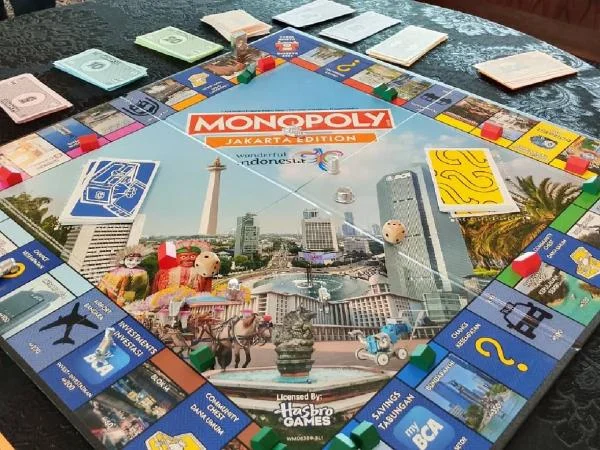
The iconic cityscape of Jakarta, characterized by its rapid urban development, historical landmarks, and cultural diversity, has officially been immortalized in one of the world’s most recognizable board games. On November 11, 2026, at the prestigious Hotel Indonesia Kempinski Jakarta, Winning Moves officially unveiled the Monopoly Jakarta Edition. This strategic move transforms the bustling Indonesian capital into a tabletop battlefield, allowing players to navigate through real-world locations, from the historic Monumen Nasional (Monas) to the serene shores of the Kepulauan Seribu (Thousand Islands), all through the lens of classic Monopoly mechanics.
A New Chapter in Urban Branding
The launch of the Jakarta edition represents a significant milestone in global licensing for board games. By replacing the traditional Atlantic City or London-based street names with Jakarta’s landmarks, Winning Moves aims to bridge the gap between traditional board game enthusiasts and the contemporary urban identity of Indonesia’s capital.
Jennifer Lau, the Manager of Partnerships for Winning Moves covering Southeast Asia, the Middle East, South Africa, and Italy, spearheaded the project. According to Lau, the development process was meticulous, requiring a deep dive into what defines the essence of Jakarta. "Jakarta is a unique melting pot of colonial history, futuristic architectural innovation, and a vibrant, fast-paced modern lifestyle," Lau stated during the press conference. "We wanted to capture that duality—the feeling of navigating the city’s historic core while engaging with its modern economic hubs—and translate that into a competitive, immersive experience."
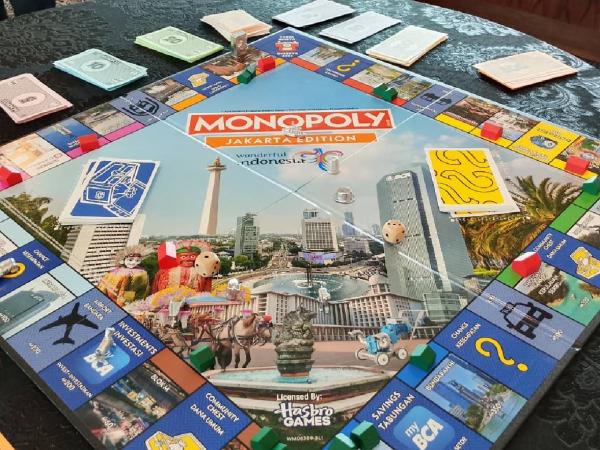
The game board acts as a curated tour of the city. Players can acquire properties that reflect the city’s diverse geography, ranging from high-end retail districts and governmental seats to popular tourism corridors. By utilizing Monopoly as a medium, Winning Moves is tapping into the "urban tourism" market, encouraging both locals and international visitors to view the city not just as a transit point, but as a destination of immense cultural and recreational value.
The Evolution of Monopoly’s Global Presence
The history of Monopoly is a tale of adaptation. Originally patented by Elizabeth Magie in 1904 as "The Landlord’s Game" to demonstrate the dangers of land monopolies, it was later popularized by Parker Brothers in 1935. Over the decades, the game has evolved into a global phenomenon, with localized editions serving as a badge of honor for major metropolitan areas.
The arrival of the Jakarta edition follows a string of successful city-specific releases in the Asia-Pacific region. These editions often perform a dual function: they serve as collector’s items for residents and as educational tools for visitors. For Jakarta, the timing is strategic. As Indonesia continues to bolster its tourism sector—evidenced by the Ministry of Tourism’s recent focus on diversifying attractions beyond Bali to include wellness tourism, Lake Toba, and Labuan Bajo—the Monopoly Jakarta Edition serves as a soft-power marketing tool. It reinforces the image of Jakarta as a sophisticated, global city capable of hosting world-class entertainment products.
Chronology of the Project Development
The journey to the November 11 launch was a multi-phased endeavor that began in late 2025.

- Q4 2025: Initial feasibility studies and licensing negotiations were completed. Winning Moves identified key stakeholders in the Jakarta tourism and urban planning sectors to ensure the selection of landmarks resonated with the public.
- Q1 2026: The "Location Curation" phase commenced. Developers analyzed foot traffic, cultural significance, and aesthetic appeal to decide which locations would occupy the premium "Boardwalk" and "Park Place" equivalent spots on the Jakarta board.
- Q2-Q3 2026: Design and testing. The game mechanics were adjusted to ensure that the "Jakarta experience"—which includes navigating diverse districts—felt authentic.
- November 11, 2026: The official launch event at Hotel Indonesia Kempinski, attended by stakeholders, media representatives, and gaming industry analysts.
Data-Driven Urban Representation
The selection of properties on the board was not arbitrary. It relied on data regarding visitor sentiment and the prominence of landmarks in local life. The Monumen Nasional (Monas), for instance, serves as a high-value property, reflecting its status as the heartbeat of the city. The inclusion of the Kepulauan Seribu (Thousand Islands) introduces a marine-tourism element, highlighting the natural beauty that lies just off the coast of the metropolis.
Market analysts suggest that the board game industry has seen a resurgence in the post-2025 period, driven by a desire for "analog socialization." In a world increasingly dominated by digital gaming, physical board games that highlight local heritage have seen a 12% increase in sales across Southeast Asia. The Jakarta edition is expected to tap into this trend, targeting the rising middle class in Indonesia and the growing demographic of young, urban professionals who prioritize experiences that reflect their local identity.
Broader Economic and Tourism Implications
While Monopoly is a game of chance and strategy, the implication of this edition on the city’s brand is grounded in real economic strategy. By positioning Jakarta’s infrastructure, parks, and historical sites within the game, the project subtly promotes urban tourism.
"Urban tourism is often overlooked in favor of resort-based travel," notes an independent tourism consultant based in Jakarta. "By gamifying the city, Winning Moves is inviting people to explore the ‘game board’ in real life. If a player sees the Jakarta Museum or a specific iconic district on the board, they are statistically more likely to seek it out during a visit. It turns the city into a scavenger hunt."

Furthermore, the launch aligns with broader governmental efforts to promote "Wellness Tourism" and sustainable city living. As the Indonesian Ministry of Tourism expands its reach to include specialized paths—such as the 10 wellness tourism corridors currently under development—the Monopoly board acts as a supplementary guide to the city’s diverse offerings.
Public Reaction and Market Reception
Early feedback from the launch event has been largely positive. Gaming enthusiasts have praised the attention to detail in the board’s aesthetic, which uses a color palette reminiscent of Jakarta’s modern skyline while honoring its traditional motifs.
For the business community, the board game represents a unique form of corporate social responsibility (CSR) and brand exposure. Property developers and retail groups in Jakarta have noted that being featured on a board like this provides a sense of legitimacy and permanence, solidifying their status as an "iconic" part of the city’s fabric.
Future Outlook
Winning Moves has indicated that this is not a one-off project for the Indonesian market. The company is reportedly exploring the possibility of expansion, potentially looking at other major Indonesian cities or developing localized "travel expansion packs" that could further integrate the country’s tourism assets.

As the Monopoly Jakarta Edition hits the shelves, it does more than just fill a gap in the toy market; it provides a narrative for the city. In a game where the objective is to build an empire, players are reminded that Jakarta is a city in constant evolution—a place where the old and the new, the traditional and the modern, are constantly vying for position. Whether one is a seasoned Monopoly veteran or a casual player, the Jakarta edition offers a rare opportunity to "own" a piece of the city’s history, one turn of the dice at a time.
As the game enters the retail market, its success will be measured by its ability to maintain relevance in a digital-first economy. However, if the buzz at the Kempinski launch is any indicator, the marriage of Jakarta’s rich urban tapestry and the classic Monopoly formula is set to be a winning combination for years to come.
