
The date of November 13 occupies a somber and significant place in the annals of global history, serving as a recurring reminder of the fragility of human civilization in the face of both geological fury and geopolitical instability. From the devastating tropical cyclones that reshaped the sovereignty of nations to the volcanic eruptions that wiped cities off the map, and the political unrest that defined post-authoritarian transitions, this day encapsulates a spectrum of human endurance and suffering. By examining these events, historians and sociologists can better understand the shifting tides of international relations, disaster preparedness, and the evolution of human rights advocacy.
The Cataclysm of the 1970 Bhola Cyclone: A Catalyst for Sovereignty
On November 13, 1970, the Ganges Delta region—then known as East Pakistan—was struck by the Bhola Cyclone, a storm that would eventually be recognized as the deadliest tropical cyclone ever recorded. With wind speeds reaching approximately 190 kilometers per hour (118 mph) and a massive storm surge, the cyclone decimated the low-lying coastal regions, leading to a humanitarian catastrophe of unprecedented proportions.
Chronology and Human Cost
The storm made landfall during the evening hours, catching millions of residents off guard. Because of the region’s geography, the storm surge flooded the islands of the Ganges Delta, drowning entire villages in minutes. The official death toll is estimated at between 300,000 and 500,000 lives, though many historians argue the figure may be higher given the lack of comprehensive census data in the rural delta at the time.
Geopolitical Implications
The aftermath of the Bhola Cyclone served as a critical turning point for the political landscape of South Asia. The central government of Pakistan, based in West Pakistan, was widely criticized for its sluggish and inadequate relief efforts. This perceived negligence fueled the already simmering resentment among the Bengali population of East Pakistan. The frustration born from the government’s failure to protect its citizens during the disaster acted as a primary catalyst for the Awami League, led by Sheikh Mujibur Rahman, to push for autonomy. This movement eventually escalated into the Bangladesh Liberation War in 1971, leading to the birth of the independent nation of Bangladesh. The cyclone, therefore, was not merely a natural disaster but a geopolitical pivot point that redrew the map of the Indian subcontinent.
The Armero Tragedy: 1985 Nevado del Ruiz Eruption
Fifteen years later, on November 13, 1985, nature struck again with devastating precision in South America. The Nevado del Ruiz volcano, a stratovolcano in the Colombian Andes, erupted after lying dormant for 69 years. While the eruption itself was relatively small in terms of volcanic explosive index, it triggered massive lahars—volcanic mudflows consisting of ice, water, and debris—that cascaded down the mountain’s flanks.
The Destruction of Armero
The town of Armero, situated in a valley directly in the path of these lahars, was effectively buried. Approximately 23,000 people lost their lives in the disaster, making it the second-deadliest volcanic eruption of the 20th century. The tragedy became a global symbol of the failure of disaster risk management.
Scientific and Official Response
In the months leading up to the eruption, volcanologists had warned of the potential for a catastrophe, providing accurate maps of hazard zones. However, the lack of coordination between local authorities and the central government, combined with a lack of public urgency, led to the decision not to evacuate the town. The image of Omayra Sánchez, a 13-year-old girl trapped in the mud for days while rescue efforts failed, became the heartbreaking face of the disaster. This tragedy forced a fundamental overhaul of volcanic monitoring systems worldwide and remains a primary case study for emergency management agencies regarding the importance of timely communication and public warning protocols.

The 1998 Semanggi I Tragedy: A Milestone in Indonesian Democracy
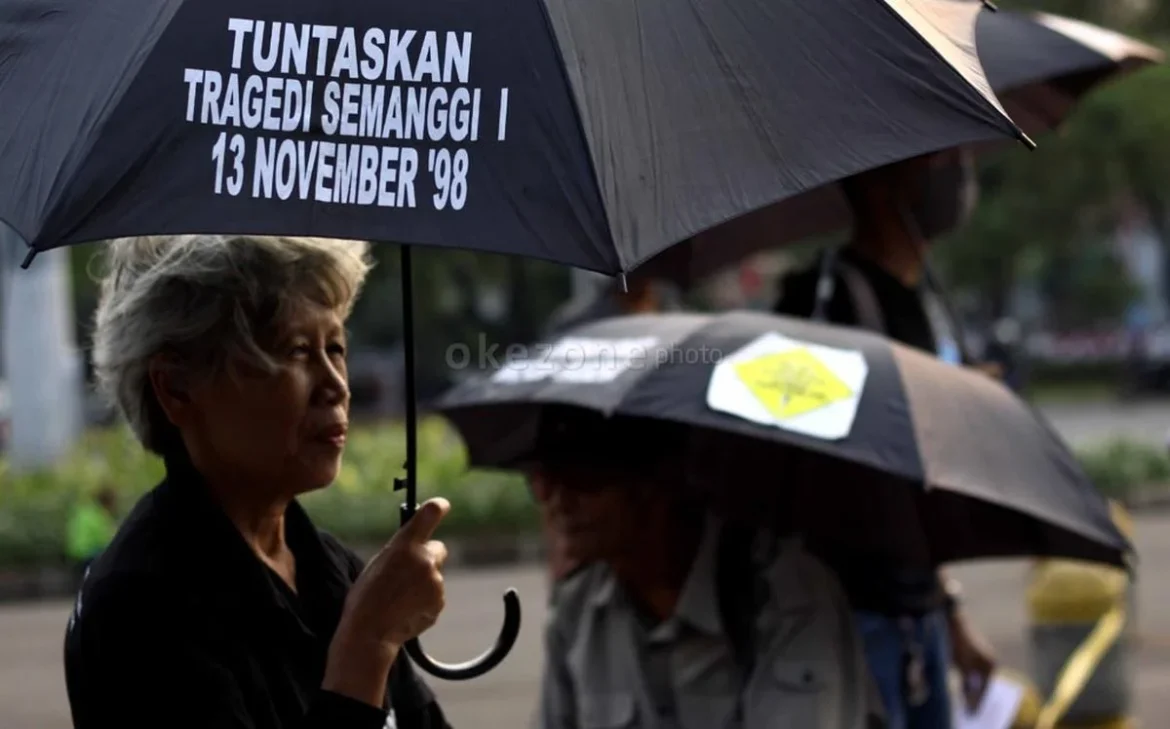
In the context of Indonesian history, November 13, 1998, marks the Semanggi I tragedy, a defining moment in the post-Soeharto reform era. Following the resignation of President Soeharto in May 1998, the country remained in a state of political volatility. Student activists and civil society groups gathered in Jakarta to protest the Special Session (Sidang Istimewa) of the People’s Consultative Assembly (MPR), fearing that the session would merely legitimize the status quo rather than facilitate true democratic transition.
The Conflict at the Intersection
Security forces, tasked with dispersing the massive student-led demonstrations, engaged in a violent confrontation near the Semanggi interchange in Central Jakarta. The use of live ammunition by security forces resulted in the deaths of several students and civilians, while hundreds more were injured. The event shattered the initial optimism of the "Reformasi" period and underscored the deep-seated resistance within the military and political establishment to a full transition to democratic governance.
Broader Implications for Indonesian Human Rights
The Semanggi I tragedy serves as a constant reminder of the high cost of democratization. It became a focal point for subsequent protests, known as Semanggi II, and continues to be a rallying point for human rights activists who seek legal accountability for the victims. The legacy of this date is embedded in the struggle for transparency and the end of impunity in Indonesia, influencing how the country manages freedom of speech and public assembly in the decades that followed.
2015 Paris Attacks: The Evolution of Global Terrorism
The date of November 13 is also etched in modern memory as the night of the 2015 Paris attacks, a coordinated series of terrorist assaults that claimed 130 lives and left hundreds wounded. The attacks, which targeted the Bataclan concert hall, the Stade de France, and several cafes in the 10th and 11th arrondissements, marked the deadliest act of violence on French soil since the Second World War.
Tactical Analysis and Security Impact
The sophistication of the coordinated assault—involving suicide bombers and gunmen—signaled a shift in the operational tactics of extremist groups in Europe. The attack forced a reassessment of intelligence-sharing protocols within the European Union and heightened debates over border security and the integration of surveillance technology in urban environments.
Societal and Psychological Legacy
The "Paris attacks" narrative quickly moved from one of fear to one of national resilience, encapsulated by the slogan "Fluctuat nec mergitur" (She is tossed by the waves but does not sink). The tragedy prompted a surge in French national unity but also intensified political discourse regarding immigration, national identity, and the challenges of combating radicalization within Western societies. It highlighted the vulnerability of "soft targets" in democratic nations and the ongoing challenge of maintaining an open society while ensuring the security of its citizens.
Analytical Perspective: The Interconnectivity of November 13
When viewed collectively, these events from November 13 illustrate a recurring theme: the intersection of sudden, overwhelming force and the necessity of institutional adaptation. Whether the force is meteorological, geological, political, or ideological, the subsequent impact invariably forces societies to re-evaluate their structures.
- Disaster Management: The Bhola Cyclone and the Nevado del Ruiz eruption taught the global community that scientific data is only effective if integrated into a functional disaster management framework that prioritizes the safety of the populace over bureaucratic convenience.
- Political Accountability: The Semanggi I tragedy reinforces the necessity of civil society participation in ensuring that transitions from authoritarianism are genuine and not superficial.
- Global Security: The Paris attacks serve as a grim reminder that in an interconnected world, the security of a capital city is inextricably linked to the geopolitical realities of distant conflict zones.
Each of these events has left an indelible mark on history, shaping the way contemporary societies approach risk, governance, and the protection of fundamental human rights. As the world continues to navigate the complexities of the 21st century, the lessons of November 13 remain as relevant as ever—serving as a baseline for the ongoing pursuit of a safer, more transparent, and more resilient global community. While these days are marked by sorrow, they also serve as catalysts for progress, compelling governments and citizens alike to build systems that better withstand the trials of an unpredictable world.
