
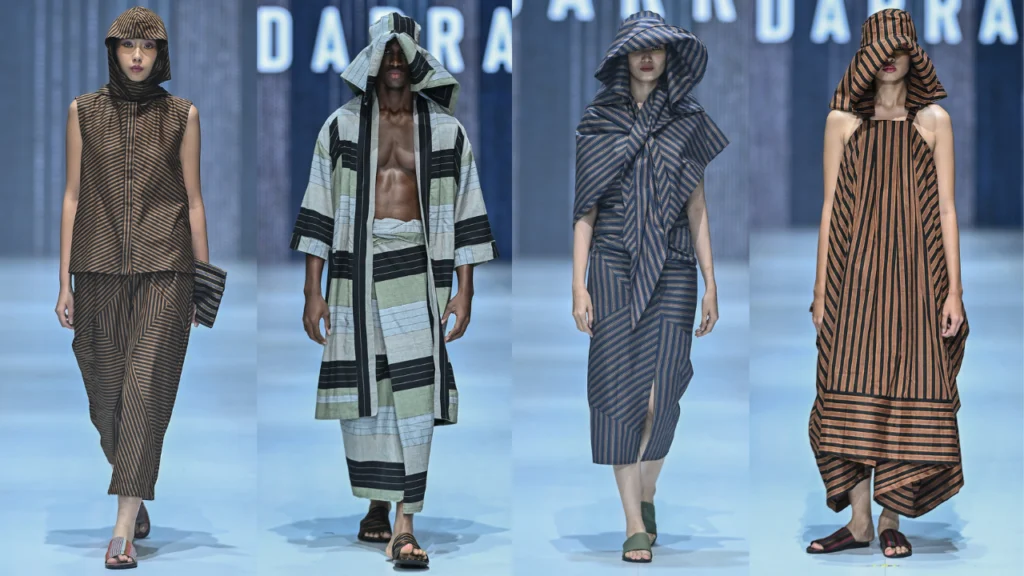
The prestigious runways of Jakarta Fashion Week (JFW) 2027 recently served as a cultural nexus for heritage preservation and contemporary design, highlighted by a landmark collaborative showcase titled "BTN Presents: DEWI Luxe Market Culture / Nature." Featuring two of Indonesia’s most visionary and socially conscious labels—Sejauh Mata Memandang and Oscar Lawalata Culture—the presentation offered a poignant narrative intersecting environmental stewardship, indigenous craftsmanship, and modern sartorial expression. Against the backdrop of one of Southeast Asia’s most anticipated fashion events, this specific showcase reinforced the evolving paradigm of sustainable luxury, proving that traditional techniques and modern commentary can coexist on a global stage.
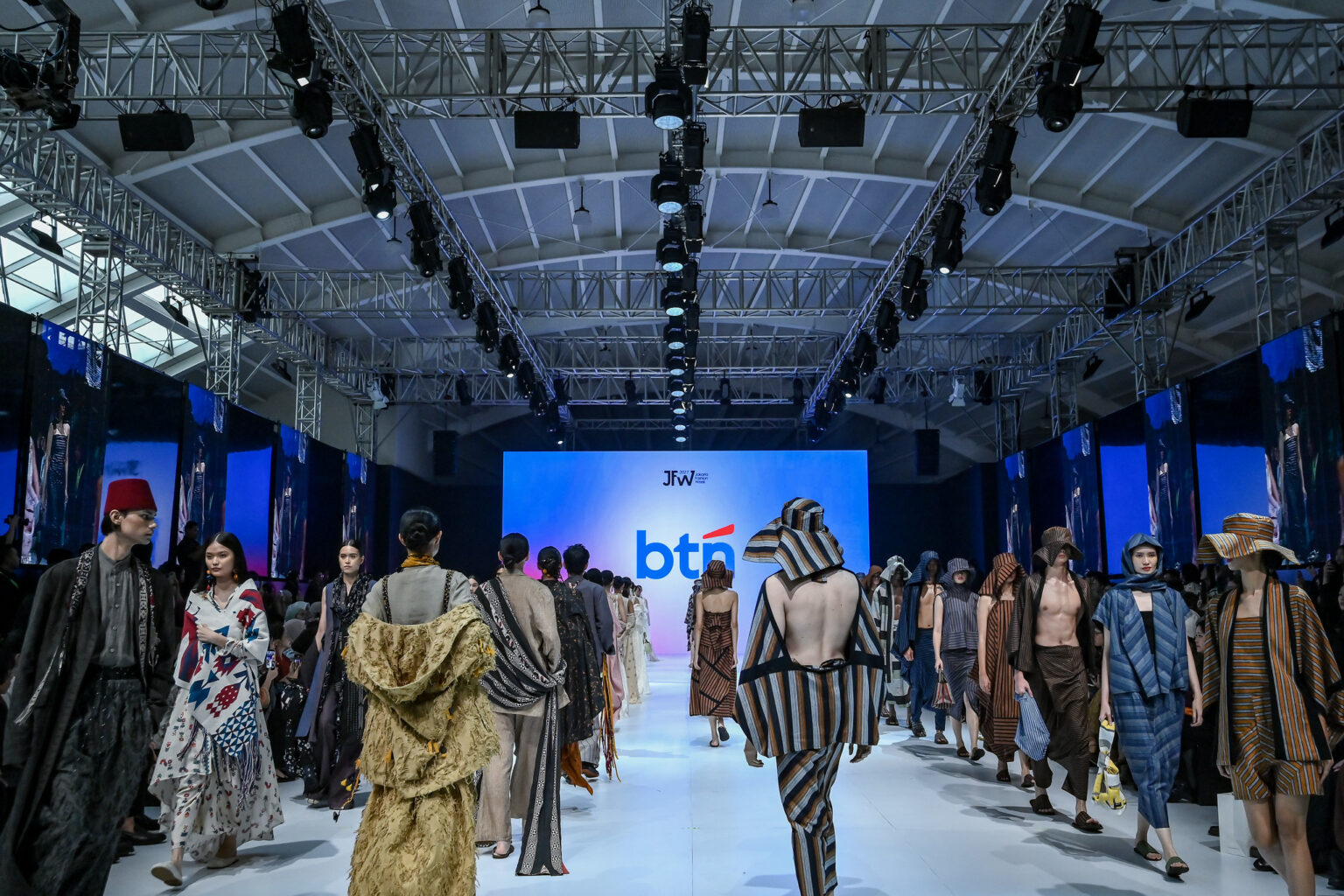
Jakarta Fashion Week has long functioned as the premier barometer for Indonesian style, tracking the industry’s trajectory from commercial viability to deep-rooted cultural preservation. Over the years, the event has increasingly prioritized eco-friendly production, ethical labor practices, and the elevation of localized textile traditions. The inclusion of the DEWI Luxe Market series at JFW 2027 marks a strategic evolution, aligning high-fashion retail curation with pressing socio-environmental themes. By partnering with institutional sponsors like BTN, these showcases not only gain financial backing but also secure a broader platform to champion local artisans and sustainable manufacturing frameworks that are crucial for the future of the Indonesian textile economy.
In harmony with the overarching theme of the showcase, Sejauh Mata Memandang delivered a compelling collection titled "RAUNG." Conceived by founder and creative director Chitra Subyakto alongside co-creative director Felix Tjahjadi, the 29-look presentation was an ambitious exploration of duality. The collection drew its primary inspiration from the multifaceted nature of felines—juxtaposing their domesticated comfort and warmth with an unpredictable, fierce independence. Subyakto and Tjahjadi utilized this behavioral metaphor to address broader societal anxieties and collective restlessness in an increasingly volatile world, translating silent observations into a loud sartorial statement about contemporary urgency.

The aesthetic execution of "RAUNG" was a masterclass in cross-cultural artistic collaboration. The collection prominently featured expressive illustrations of house cats created by Bangkok-based artist O Terawat, seamlessly blended with graphic representations of urban street patterns. This visual duality was mirrored in a sophisticated, balanced color palette. Soft, neutral tones such as cream, white, and delicate pink provided a calming base, contrasted sharply by deeper, grounding hues of black, indigo, maroon, vibrant orange, and dark olive green. Furthermore, the label’s iconic Ayam Kincir (Pinwheel Chicken) motif returned in a reimagined format, anchoring the contemporary designs in Sejauh Mata Memandang’s recognizable visual identity.
True to its ethos of environmental responsibility, Sejauh Mata Memandang collaborated extensively with community artisans to incorporate sustainable production methods throughout the collection. The runway featured innovative cat-shaped handbags crafted from traditional handwoven textiles, intricate hand-knitted scarves, and modular garments assembled using zero-waste techniques including patchwork, traditional origami folding, and hand-crocheting. Every piece underscored a commitment to circular fashion, minimizing textile waste while maximizing tactile depth.

The presentation’s immersive atmosphere was further elevated through meticulous styling and auditory design. Footwear, custom-designed in partnership with veteran Indonesian footwear designer Yongki Komaladi, featured playful yet striking silhouettes mimicking cat claws, grounding the whimsical theme in structural reality. The runway choreography unfolded against a moody, emotive soundscape, featuring the track "Melaut" by Aria Ardikoesoema paired with the gripping social commentary of "Matilah Kau Mati" by indie-alternative band Efek Rumah Kaca. This auditory pairing underscored the collection’s underlying anxiety and call for ecological and social consciousness.
Transitioning from the whimsical and socially charged commentary of Sejauh Mata Memandang, the second half of the showcase shifted the lens toward deep-rooted indigenous heritage under the direction of Oscar Lawalata Culture. Spearheaded by designer Asha Smara Darra—who has spent a quarter of a century dedicated to the research, preservation, and promotion of traditional Indonesian textiles—the collection served as an ode to the enduring legacy of the nation’s weaving communities. Celebrating 25 years of artistic devotion, Darra utilized the runway to present an exhaustive, respectful exploration of lurik, a traditional handwoven striped cotton textile native to Central and Java.

In the hands of Asha Smara Darra, lurik transcended its historical status as a utilitarian fabric to become a sophisticated vehicle for modern sartorial dialogue. The collection focused intensely on the linear geometry of lurik, manipulating the direction, width, and color cadence of the stripes to create striking optical illusions and dynamic structural silhouettes. By experimenting with advanced layering techniques, fluid draping, and modern volume proportions, Oscar Lawalata Culture successfully translated traditional Indonesian garments—most notably variations of the kimono and structured outer layers—into contemporary high-fashion pieces designed for the global citizen.
The implications of this milestone showcase extend far beyond the temporary glamour of the Jakarta Fashion Week runway. Industry analysts note that collaborations of this scale validate the commercial viability of sustainable and heritage-based fashion. By bridging the gap between traditional artisan communities in rural villages and urban consumers, labels like Sejauh Mata Memandang and Oscar Lawalata Culture are effectively safeguarding intangible cultural heritage from extinction. Furthermore, the integration of eco-conscious methodologies—such as upcycling, natural dyeing, and localized supply chains—sets a vital benchmark for younger Indonesian designers navigating the complexities of modern manufacturing.

As the curtains closed on the "BTN Presents: DEWI Luxe Market Culture / Nature" showcase, the overarching message resonated clearly with both critics and buyers alike. Indonesian fashion is no longer merely participating in global trends; it is actively dictating a unique narrative rooted in environmental empathy, historical reverence, and artistic innovation. Through the contrasting yet complementary visions of Chitra Subyakto and Asha Smara Darra, JFW 2027 proved that the future of luxury lies in the delicate balance between preserving the wisdom of the past and addressing the pressing realities of the natural world.
