
The rapid evolution of the smartphone market, particularly in the premium segment dominated by Apple, has given rise to a complex secondary market. As consumers seek more affordable ways to access high-end technology, terms like "HDC" and "Inter" have become common parlance in Indonesian tech forums and marketplaces. However, these two terms represent vastly different categories of devices, each carrying distinct risks, legal implications, and technical realities. Understanding the distinction between an iPhone HDC and an iPhone Inter is not merely a matter of consumer preference but a necessary safeguard against financial loss and potential regulatory non-compliance.
The Anatomy of the Secondary iPhone Market
The global smartphone market is characterized by a significant price gap between flagship models and entry-level alternatives. This gap has fostered a thriving ecosystem of secondary devices. In Indonesia, the market for iPhones is particularly robust, driven by strong brand loyalty and the perceived longevity of Apple products. Within this context, the distinction between "Inter" (International) units and "HDC" (High Detail Copy) units is critical.
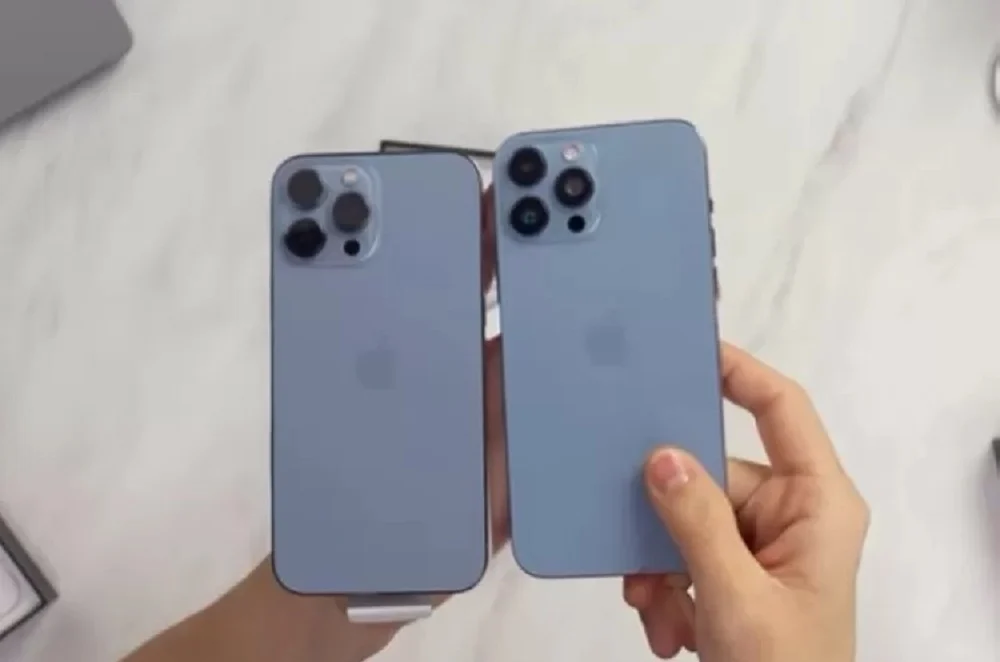
An iPhone Inter is an authentic Apple product manufactured for distribution in foreign markets. These devices are often imported into Indonesia through non-official channels, commonly referred to as the "grey market." Conversely, an iPhone HDC is a counterfeit device—a replica designed to mimic the aesthetic and, occasionally, the user interface of an original iPhone. While both may appear similar to the untrained eye, their origins, hardware integrity, and long-term usability are fundamentally divergent.
Decoding the iPhone HDC: The Illusion of Authenticity
The term "HDC" stands for High Detail Copy. These devices are intentionally manufactured to deceive consumers by replicating the physical design of genuine Apple hardware. Manufacturers of HDC units leverage the high resale value and prestige associated with the iPhone brand to create low-cost clones.
From a technical perspective, an iPhone HDC is typically built using generic Android hardware, often running a heavily skinned version of the Android operating system designed to mimic the look and feel of iOS. The display, camera sensors, and internal processing units are significantly inferior to those found in an original iPhone.
The primary danger of the HDC market lies in the deceptive marketing tactics employed by unscrupulous sellers. These units are frequently marketed under vague labels such as "Super Copy," "Grade A Clone," or occasionally, they are misrepresented as "refurbished" or "second-hand" original iPhones. Because the physical chassis is designed to look identical to an authentic device, unsuspecting buyers may be unable to distinguish a replica from the genuine product until they attempt to access Apple’s ecosystem. Features such as iCloud synchronization, iMessage, and App Store updates are either non-functional or severely compromised on these devices, rendering them ineffective for users accustomed to the Apple experience.
Understanding the iPhone Inter: Gray Market Reality
Unlike the HDC, the iPhone Inter is a legitimate product. These are genuine Apple devices originally sold in markets such as the United States, Japan, Singapore, or the European Union. These devices enter Indonesia through independent import channels rather than through Apple’s authorized distribution networks like iBox or Digimap.
The existence of the iPhone Inter market is largely a response to the price discrepancy between official Indonesian retail pricing and international market pricing. Because these devices are original, they retain the high-quality build, camera, and software experience synonymous with Apple. However, the ownership of an iPhone Inter comes with specific regulatory challenges, most notably regarding the International Mobile Equipment Identity (IMEI) registration.
In Indonesia, the government enforces strict regulations on telecommunications hardware to curb the circulation of black-market devices. Every mobile phone must have its IMEI registered in the Ministry of Industry’s database (Kemenperin) to function on domestic cellular networks. iPhone Inter units, if not officially cleared through customs with the appropriate tax payments, often face the risk of network blocking. Users may find their devices suddenly barred from accessing cellular services—a phenomenon that has become increasingly common as government enforcement tightens.
Chronology and Regulatory Context
The landscape for mobile device ownership in Indonesia shifted significantly in 2020 with the implementation of the IMEI registration regulation. This policy was designed to protect the domestic telecommunications industry and ensure that all devices sold within the country contribute to state tax revenue.
- Pre-2020: The market for international iPhones was relatively unregulated, and consumers could use these devices without significant interference from cellular providers.
- April 2020: The government officially implemented the IMEI database regulation, requiring all mobile devices to be registered. This created a clear divide between "official" (distributor-sold) units and "unofficial" (grey market/Inter) units.
- 2021-2026: Enforcement has intensified. Major cellular operators now automatically block devices with unregistered IMEIs, leading to a decline in the popularity of "unregistered" Inter units.
This regulatory framework has turned the purchase of an iPhone Inter into a risk-management exercise. Buyers must now verify whether the device has paid the necessary import duties and whether its IMEI is permanently registered in the national database.
Supporting Data and Consumer Risk Analysis
Market analysts note that the rise of HDC units correlates with economic downturns and fluctuations in the purchasing power of the middle class. When the cost of living rises, the appeal of a "cheap" iPhone grows, creating a fertile ground for counterfeiters.
Data from consumer protection agencies suggests that thousands of complaints are filed annually regarding fraudulent transactions involving counterfeit electronics. The financial implications for the consumer are severe:
- Zero Resale Value: Unlike an original iPhone, which retains a significant portion of its value over time, an iPhone HDC has effectively zero resale value because it is known to be a counterfeit.
- Security Risks: Because HDC units often run on modified, unpatched versions of Android, they are highly susceptible to malware and data harvesting, putting the user’s personal information at risk.
- Lack of Support: Users of HDC units cannot access Apple’s official support channels or repair services, leaving them with no recourse if the device fails.
Official Responses and Industry Perspectives
Industry experts and technology analysts consistently advise consumers to prioritize verification over price. Authorized distributors emphasize that an iPhone’s value is derived not just from the hardware, but from the ecosystem and the warranty support provided by the manufacturer.
When questioned about the grey market, representatives from various telecommunications regulatory bodies have maintained that the registration of IMEI is non-negotiable. They argue that purchasing devices through official channels is the only way to guarantee that a phone will not be subject to sudden network suspension. Furthermore, the Indonesian government has repeatedly reminded the public that purchasing counterfeit goods (HDC) violates intellectual property laws, though the primary focus of enforcement remains on the supply side.
Broader Implications and Future Outlook
The persistence of the HDC and Inter markets highlights a significant gap in the smartphone supply chain. While official distribution channels are expanding, the demand for affordable high-end devices remains unmet. The future of this market will likely be shaped by two factors: continued regulatory tightening and the increasing sophistication of counterfeit technology.
As Apple continues to integrate more complex security features into its hardware, the gap between the original and the replica will widen. However, the "Inter" market will likely remain relevant as long as price disparities between global markets exist. For the average consumer, the path forward is clear: thorough research before purchase is essential. Verifying the IMEI status on official government portals, purchasing from reputable sellers, and understanding the risks associated with grey-market imports are the only ways to ensure a secure and satisfying user experience.
In conclusion, the difference between an iPhone HDC and an iPhone Inter is the difference between a product and a facade. While an Inter unit offers an authentic experience with potential regulatory caveats, an HDC unit offers only a superficial resemblance, carrying with it a host of security, technical, and legal risks. Consumers are urged to exercise extreme caution, prioritize official verification, and recognize that in the world of high-end technology, if a deal appears too good to be true, it almost certainly is.
