
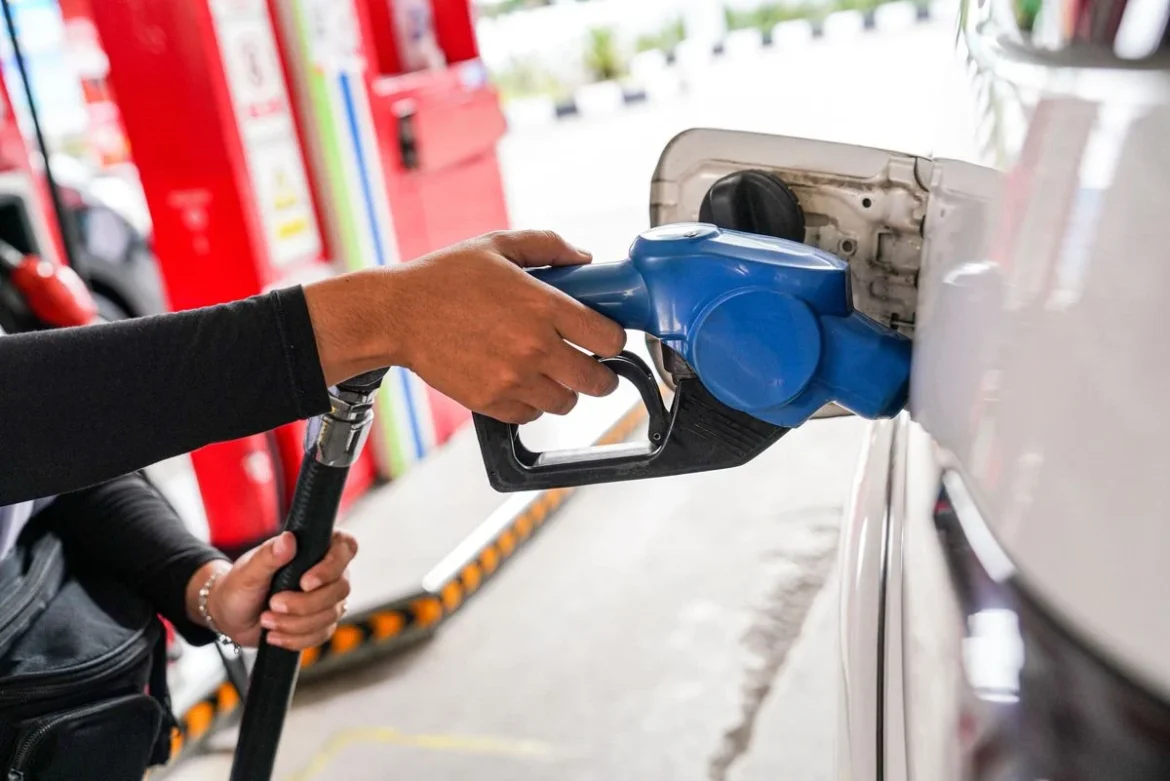
JAKARTA – Pertamina Patra Niaga, the commercial arm of Indonesia’s state-owned energy giant Pertamina, announced a significant downward adjustment in the prices of several non-subsidized fuel variants, effective precisely at 00.00 WIB on July 1, 2026. This strategic move saw price reductions for Pertamax Turbo, Pertamina Dex, and Dexlite, offering relief to a segment of consumers and businesses that rely on these premium fuels. The adjustments come as part of Pertamina’s regular evaluation process, which considers dynamic global oil market prices, the domestic economic landscape, and the purchasing power of the Indonesian populace.
The most notable changes in pricing, implemented across the nation, saw Pertamax Turbo decrease from Rp20,750 per liter to Rp19,300 per liter. Pertamina Dex, a high-quality diesel fuel, experienced an even more substantial reduction, moving from Rp24,800 per liter down to Rp21,150 per liter. Similarly, Dexlite, another popular diesel variant, saw its price lowered from Rp23,000 per liter to Rp19,700 per liter. These adjustments reflect a responsive approach by Pertamina to prevailing market conditions, aiming to maintain competitive pricing while balancing operational costs.
Stabilized Prices for Other Key Fuels
While premium non-subsidized fuels saw price cuts, Pertamina opted to maintain the prices of several other crucial fuel types, including both non-subsidized and subsidized variants. The price of Pertamax, a widely used non-subsidized gasoline, remained stable at Rp16,250 per liter. Pertamax Green, an environmentally friendlier variant, also held steady at Rp17,000 per liter. Both Pertamax and Pertamax Green had seen their last price adjustment on June 10, 2026, indicating a period of relative stability for these particular fuels despite broader market fluctuations.
Crucially, the prices of subsidized fuels, which form the backbone of energy access for a vast majority of Indonesian citizens, were also kept unchanged. Pertalite, the most consumed subsidized gasoline, remained at Rp10,000 per liter, while subsidized Biofuel (Biolar) continued to be available at Rp6,800 per liter. The government’s decision to stabilize these subsidized prices underscores its commitment to maintaining economic stability and protecting the purchasing power of lower and middle-income households, absorbing the difference through the state budget.
Rationale Behind the Price Adjustments
Kitty Andhora, Vice President Corporate Communication Pertamina Patra Niaga, articulated the comprehensive considerations guiding these price adjustments. She stated that the periodic evaluations are an intrinsic part of the company’s operational mechanism, directly influenced by the volatility of international crude oil prices. Beyond mere market dynamics, Pertamina also factors in critical domestic elements, including fiscal considerations, the prevailing economic conditions within Indonesia, and the overall purchasing power of its citizens. This multi-faceted approach ensures that fuel pricing not only reflects global trends but also supports national economic stability and social welfare.
"As we know, the adjustment of non-subsidized fuel prices is guided by the dynamics of global oil market prices and adheres to existing regulations and mechanisms," Andhora elaborated. "Naturally, this adjustment step has been coordinated with the government." This statement highlights the intricate relationship between Pertamina, as a state-owned enterprise, and the Indonesian government in formulating and implementing energy policies. The coordination ensures that price changes align with broader national economic objectives and do not create undue disruption. For non-subsidized fuels, the pricing mechanism allows for more frequent adjustments, typically on a monthly basis, to mirror the cost of crude oil and refined products on the international market, thereby minimizing financial exposure for Pertamina and ensuring sustainable supply.
Chronology of Recent Price Movements
The latest price adjustments on July 1, 2026, for Pertamax Turbo, Pertamina Dex, and Dexlite, follow a pattern of responsiveness to global market shifts. This marks a downward trend for these specific fuels, which had previously experienced increases or periods of stability depending on the prevailing international oil benchmarks. The last recorded adjustment for Pertamax and Pertamax Green on June 10, 2026, saw an upward revision, reflecting a different market scenario at that time. This short interval between adjustments for different fuel types underscores the dynamic nature of the global energy market and Pertamina’s agile response to these changes. Subsidized fuels, however, have maintained their prices for a significantly longer duration, often necessitating substantial government subsidies to buffer consumers from global price volatility. This differentiation in adjustment frequency highlights the government’s dual policy objective: allowing market forces to dictate premium fuel prices while shielding the broader public from the immediate impact of global price swings on essential fuels.
Global Oil Market Context and Supporting Data
The decision to lower non-subsidized fuel prices on July 1, 2026, likely correlates with a period of easing in global crude oil prices in late June or early July 2026. Several factors typically contribute to such a downturn. These can include a perceived oversupply in the market, driven by increased production from key oil-producing nations or a slowdown in global demand due to economic concerns. For instance, a stronger US dollar can make dollar-denominated oil more expensive for holders of other currencies, potentially dampening demand. Conversely, signs of an economic slowdown in major consuming nations like China, Europe, or the United States could lead to reduced industrial activity and transportation, thereby decreasing global oil consumption.
Geopolitical stability, or the lack thereof, in major oil-producing regions also plays a critical role. Periods of reduced tension or successful diplomatic efforts can alleviate supply fears, leading to price drops. Furthermore, decisions by the Organization of the Petroleum Exporting Countries and its allies (OPEC+) regarding production quotas significantly influence market sentiment and supply levels. A consensus within OPEC+ to increase output, or internal disagreements leading to overproduction by individual members, can push prices downwards. Technological advancements in shale oil extraction, particularly in the United States, also provide a flexible supply buffer that can respond to market demands, influencing global price equilibrium. In the first half of 2026, it is plausible that a combination of these factors – perhaps an increase in non-OPEC+ supply, a slightly weaker global economic outlook, or strategic petroleum reserve releases by major economies – contributed to the favorable market conditions that allowed Pertamina to reduce prices.
Indonesia, as a net oil importer, is particularly sensitive to these global price fluctuations. A stronger Rupiah against the US dollar can partially offset higher crude oil import costs, while a weaker Rupiah amplifies them. Therefore, the stability of the national currency is an additional layer of complexity in Pertamina’s pricing calculations.
Indonesia’s Fuel Landscape and Subsidy Policy
Indonesia operates a complex, multi-tiered fuel pricing system designed to balance economic principles with social welfare. At its core are the subsidized fuels – Pertalite for gasoline and Biolar for diesel – which are priced significantly below market rates and are intended to be accessible to all citizens. The price difference between the market rate and the subsidized price is absorbed by the state budget through direct subsidies to Pertamina. This policy is vital for maintaining the affordability of transportation and essential goods, thus preventing inflationary pressures from disproportionately affecting the vulnerable segments of society. The sheer volume of subsidized fuel consumed makes this a substantial fiscal commitment for the government, often requiring budget reallocations and careful fiscal management, especially when global oil prices surge.
In contrast, non-subsidized fuels like Pertamax, Pertamax Green, Pertamax Turbo, Pertamina Dex, and Dexlite are priced closer to international market rates. These fuels cater to a segment of consumers who prioritize performance, efficiency, or environmental benefits, and to commercial sectors such as logistics, manufacturing, and public transportation (for certain vehicles). The pricing for these variants is more agile, allowing Pertamina to adjust them more frequently in response to changes in global crude oil prices, refining costs, and distribution expenses. This two-pronged approach allows the government to support the general population while also allowing market dynamics to influence the premium fuel segment. The regular evaluation and adjustment of non-subsidized fuel prices are essential for Pertamina to maintain its financial health and ensure the sustainable supply of fuel across the vast Indonesian archipelago, from major urban centers to remote islands.
Implications for Consumers and Businesses
The July 1, 2026, price reductions for Pertamax Turbo, Pertamina Dex, and Dexlite carry significant implications for specific consumer segments and various business sectors. For individual consumers who own high-performance vehicles or luxury cars that require high-octane gasoline like Pertamax Turbo, these price cuts translate directly into lower operational costs. Similarly, owners of modern diesel vehicles that utilize Pertamina Dex or Dexlite will experience tangible savings at the pump. This can potentially free up disposable income for other expenditures, albeit for a relatively smaller segment of the population compared to those relying on subsidized fuels.
For businesses, particularly those in the logistics, transportation, mining, and industrial sectors that heavily depend on diesel fuels like Pertamina Dex and Dexlite for their fleets and machinery, the price reductions are a welcome relief. Lower fuel costs can directly impact their operational expenses, potentially leading to reduced transportation costs for goods and services. This, in turn, could have a ripple effect across the supply chain, contributing to more stable or even slightly lower prices for consumer goods. While the direct impact on headline inflation might be limited since subsidized fuels remain stable, the reduction in costs for businesses can indirectly support a more favorable economic environment. It can enhance the competitiveness of Indonesian industries and potentially stimulate economic activity by reducing input costs. The stability of Pertamax prices also benefits a broad base of private vehicle owners and some commercial users, ensuring predictability in their daily operational budgets.
Government’s Fiscal Position and Energy Security
The government’s role in Indonesia’s fuel pricing mechanism is multifaceted, involving a delicate balancing act between fiscal prudence, economic stability, and social equity. When global oil prices are high, the cost of fuel subsidies can swell dramatically, placing immense pressure on the state budget. Conversely, when global prices decline, as potentially reflected in the July 1st adjustments for non-subsidized fuels, the burden of subsidies can ease, providing fiscal headroom for other development programs. The coordination between Pertamina and the government, as highlighted by Kitty Andhora, is crucial for managing these fiscal implications.
Beyond budgetary considerations, Pertamina, as a state-owned enterprise, bears the critical responsibility of ensuring national energy security. This encompasses not only the supply of fuel but also its equitable distribution across Indonesia’s vast and geographically challenging terrain. The company invests heavily in infrastructure, including refineries, storage facilities, and distribution networks, to meet the nation’s growing energy demands. The ability to adjust non-subsidized fuel prices dynamically allows Pertamina to remain financially robust enough to fulfill this mandate, ensuring that it can continue to invest in vital energy infrastructure and maintain operational efficiency without solely relying on government support. The stability of subsidized fuel prices, meanwhile, is a cornerstone of the government’s strategy to maintain social order and economic predictability, demonstrating a commitment to public welfare even amidst global market volatility.
Future Outlook and Market Dynamics
Looking ahead, the Indonesian fuel market is expected to remain highly sensitive to international energy price movements and domestic economic policy. Pertamina’s commitment to regular price reviews, typically on a monthly basis for non-subsidized fuels, means that consumers and businesses should anticipate continued adjustments in line with global market trends. Factors such as geopolitical developments, OPEC+ production policies, global demand forecasts, and the strength of the Rupiah will all continue to play a pivotal role in shaping future fuel prices.
The government’s long-term strategy includes efforts to diversify Indonesia’s energy mix, promote energy efficiency, and gradually shift towards cleaner energy sources. These initiatives, while not directly impacting short-term fuel price adjustments, are crucial for the nation’s sustainable energy future and its resilience against global oil price shocks. The continuous balancing act between market-driven pricing for premium fuels and subsidized stability for essential fuels will likely define Indonesia’s energy policy for the foreseeable future, aiming to foster both economic growth and social equity.
In conclusion, Pertamina Patra Niaga’s decision to reduce prices for Pertamax Turbo, Pertamina Dex, and Dexlite effective July 1, 2026, reflects a proactive and market-responsive approach to fuel pricing. This move, carefully coordinated with the government and informed by global market dynamics and domestic economic factors, offers targeted relief to consumers and businesses while maintaining stability for the nation’s most widely consumed subsidized fuels. It underscores the complex interplay of economic, social, and fiscal considerations that characterize Indonesia’s energy sector management.
