
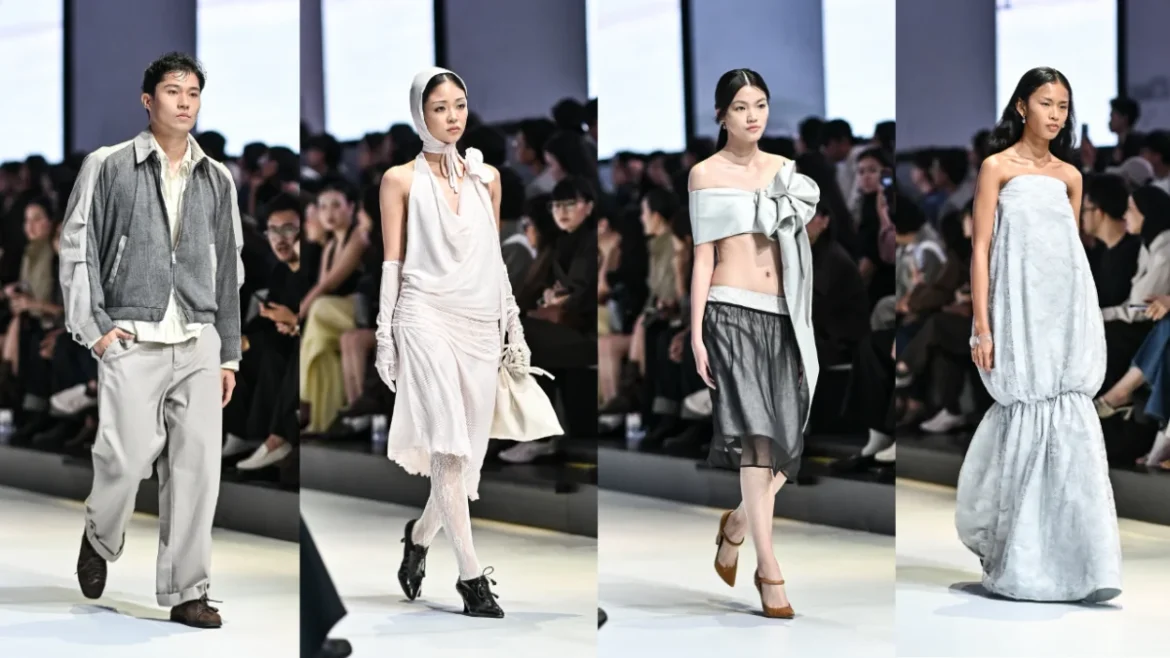
Youth fashion has long resisted rigid definitions, functioning instead as a fluid medium for identity exploration, personal storytelling, and cultural commentary. At Jakarta Fashion Week (JFW) 2027, this dynamic ethos took center stage during the highly anticipated FashionLink YOU-NG THING presentation, proudly presented by BTN. Featuring four distinct contemporary labels—Drunk Dad, Sabamodest, Shop at Velvet, and Morteils—the showcase offered a multifaceted look at how the modern generation interprets style. From structural romanticism and refined modest wear to relaxed European-inspired tailoring and experimental streetwear, the runway served as a testament to the diversity driving contemporary Indonesian design.
The Evolution and Background of Jakarta Fashion Week
As Southeast Asia’s premier annual fashion event, Jakarta Fashion Week has consistently served as the definitive barometer for the region’s creative industries. Established to position Indonesian designers on the global stage, JFW provides a structured ecosystem where established couturiers and emerging independent labels can present their visions to international buyers, media, and fashion enthusiasts.
In recent years, the festival has expanded its mandate to nurture young talent through collaborative platforms like FashionLink. Supported by strategic partnerships with major financial institutions such as BTN, these incubator programs bridge the gap between creative conceptualization and commercial viability. The YOU-NG THING initiative, specifically, focuses on youth-driven aesthetics, acknowledging that Gen Z and Millennial consumers are no longer passive participants in fashion trends, but rather active co-creators of style movements.
Drunk Dad Explores "Real Fantasies" Through Textural Contrast
Kicking off the showcase with a narrative of tension and harmony, independent label Drunk Dad presented its third collection, titled "Real Fantasies." Comprising 12 carefully curated ensembles—eight for women and four for men—the collection departed from a foundational concept of "lightness" while masterfully subverting expectations through heavy textural juxtaposition.
Designers behind Drunk Dad paired whisper-soft cotton poplin and delicate duchess silk with heavier, more rigid textiles such as jacquard and suede. This deliberate clash of fabrics yielded a silhouette that felt simultaneously weightless and architecturally sound, projecting a form of modern romanticism defined by quiet strength rather than delicate fragility.
To complete the runway presentation, Drunk Dad collaborated with a cadre of complementary brands. Footwear and handbags were supplied by Grandkids, statement earrings were provided by One, and eyewear elevated the looks courtesy of Optik Seis. Furthermore, the men’s ensembles were anchored by an unreleased line of suede footwear designed in-house by Drunk Dad, signaling promising commercial expansions for the label’s footwear category.
Sabamodest Redefines Contemporary Modest Wear for Tropical Climates

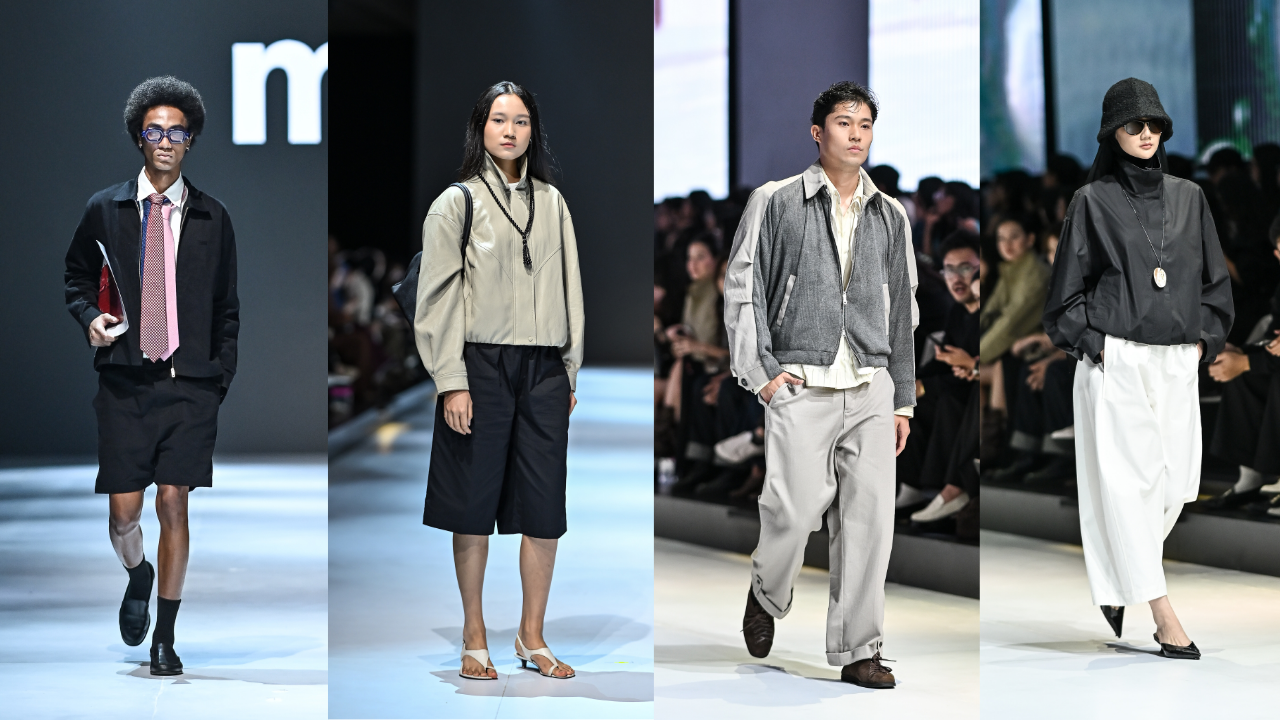
Founded by designer Rani Hatta in 2018, Sabamodest has consistently championed the philosophy that simplicity is the ultimate sophistication. For its Spring/Summer 2027 outing at Jakarta Fashion Week, the label demonstrated how modest fashion can remain thoroughly modern, practical, and highly attuned to the realities of a tropical climate.
Presenting a cohesive 14-look lineup dominated by a sophisticated black-and-white palette, Sabamodest showcased an array of coats, structured jackets, everyday shirts, flowing skirts, and relaxed trousers. The collection relied heavily on loose silhouettes, natural textured fabrics, and diaphanous, lightweight textiles that allowed for breathability without sacrificing aesthetic impact.
Through strategic layering, refined knotting accents, and precise tailoring, Sabamodest injected dimensional depth into minimalist garments. Industry analysts noted that the collection successfully bridged the gap between functional daily wear and high-fashion sensibility, proving that modest fashion thrives when governed by disciplined proportions and meticulous attention to detail.
Shop at Velvet Bridges Art and Everyday Elegance in "Private Hours"
Drawing inspiration from the intersection of daily rituals, European artistic movements, and personal introspection, Shop at Velvet introduced its Fall/Winter 2026 collection titled "Private Hours." The label has built a loyal following by creating garments that feel lived-in yet elevated, and this showcase reinforced their dedication to timeless, art-adjacent apparel.

"Private Hours" leaned heavily into relaxed tailoring, controlled volumes, and elongated vertical lines. The color palette mirrored the subdued sophistication of a private art gallery, moving through neutral tones, rich tobacco brown, deep ink blue, charcoal gray, and dramatic oxblood.
Rather than chasing fleeting micro-trends or striving for sterile perfection, Shop at Velvet championed garments designed to age alongside the wearer. By prioritizing tactile variation and versatile colorways over loud ornamentation, the collection underscored a vital industry truth: true elegance often resides in understated cuts that transition seamlessly across seasons and years.
Morteils Pushes the Boundaries of Streetwear with Experimental Silhouettes
Closing out the multi-label showcase, Morteils injected a dose of subversive energy into the runway with an experimental take on contemporary streetwear. Blurring the lines between casual comfort and avant-garde proportions, the label utilized graphic tees and oversized tops as a blank canvas for asymmetric construction and stark stylistic contrasts.
The collection’s color narrative—anchored by stark blacks, industrial grays, and deep blues—was punctuated by strategic flashes of high-intensity color. Standout pieces included cascading, plaid skirts featuring irregular hemlines and heavily customized outerwear that transformed utilitarian silhouettes into vehicles for intense personal expression.

The presentation reached a crescendo when prominent personality Naykilla walked the runway, adding star power and further cementing Morteils’ alignment with modern youth culture. Complete with bold eyewear and unconventional styling choices, the presentation highlighted streetwear’s capacity to absorb chaos and output individuality.
Industry Implications and Economic Impact of Youth-Centric Fashion Incubators
The success of the FashionLink YOU-NG THING showcase at Jakarta Fashion Week 2027 reflects broader shifts within the global and domestic fashion economies. According to retail market analysts, independent Indonesian streetwear and contemporary labels are experiencing a surge in consumer demand, driven largely by a young, digitally native demographic that prioritizes local authenticity over imported fast fashion.
Financial backing from institutions like BTN plays a pivotal operational role in this ecosystem. By providing essential capital and platform visibility, corporate sponsorships enable independent designers to scale their production capabilities, source sustainable local materials, and expand their market reach beyond domestic borders. Industry experts project that investments in youth incubators will yield significant long-term returns, helping Indonesia cement its status as a burgeoning fashion capital in Southeast Asia.
Furthermore, the stylistic divergence observed across Drunk Dad, Sabamodest, Shop at Velvet, and Morteils illustrates a maturing market. Consumers are no longer buying into singular, monolithic trends; instead, they are curating modular wardrobes that reflect nuanced personal identities—ranging from structured romance and minimalist modesty to intellectual tailoring and rebellious streetwear.

Conclusion: A Fragmented Future Rooted in Individual Choice
As the lights dimmed on the FashionLink YOU-NG THING runway at Jakarta Fashion Week 2027, the overarching message was resoundingly clear: modern style cannot, and should not, be pigeonholed. By empowering four distinct labels with profoundly different design philosophies, the showcase celebrated the multiplicity of contemporary youth culture.
The success of these collections serves as an enduring reminder that personal style is an ongoing dialogue rather than a final destination. As these independent labels transition from the runway to the retail floor, they carry with them the aspirations of a generation that refuses to conform, proving that the future of fashion belongs
to those willing to define it on their own terms.
