
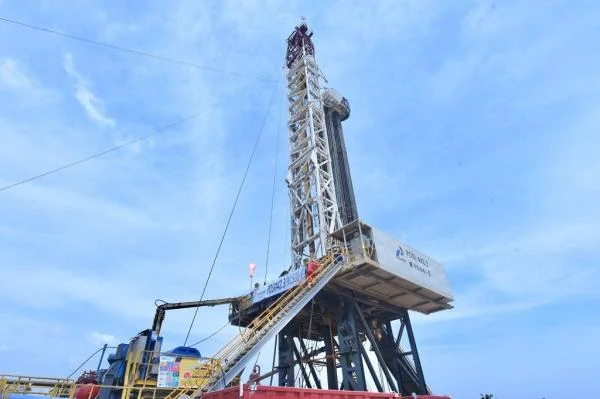
JAKARTA — PT Pertamina Hulu Rokan (PHR), operating as a core subsidiary under Pertamina’s Upstream Subholding, has officially fortified its strategic roadmap for the development of Non-Conventional Oil and Gas (Migas Non Konvensional – MNK) within the Rokan Zone. This pivotal milestone was realized through the formal signing of the MNK Rokan Production Sharing Contract (Kontrak Bagi Hasil – KBH) executed by its dedicated subsidiary, PT PHE Rokan Nonkonvensional. This landmark agreement represents far more than a routine corporate transaction; it heralds a foundational shift in Indonesia’s national energy landscape, positioning the Rokan MNK project as the absolute pioneer of large-scale non-conventional hydrocarbon exploration and exploitation in the archipelago.
As conventional oil and gas fields worldwide and across Indonesia experience a natural decline in productivity and mature into latter stages of their economic lifecycles, energy stakeholders face mounting pressure to secure sustainable production streams. For PHR, the systematic development of non-conventional resources is not merely an optional diversification exercise, but rather a vital, long-term operational strategy. By unlocking previously untapped hydrocarbon resources trapped in tight geological formations, the company aims to safeguard domestic energy security, bridge potential supply deficits, and stabilize national energy reserves for decades to come.
The Genesis of the Rokan MNK Journey: Exploration Milestones
The formalization of the KBH MNK Rokan is the culmination of years of rigorous geological studies, high-risk exploration investments, and advanced technical evaluations. The foundational chapter of the Rokan MNK journey began in earnest in 2023 with the high-profile exploratory drilling of the Gulamo DET-1 well. This strategic initiative was specifically designed to evaluate and unlock tight oil and shale gas plays that had historically remained unexploited due to technical complexities and the absence of tailored regulatory frameworks.
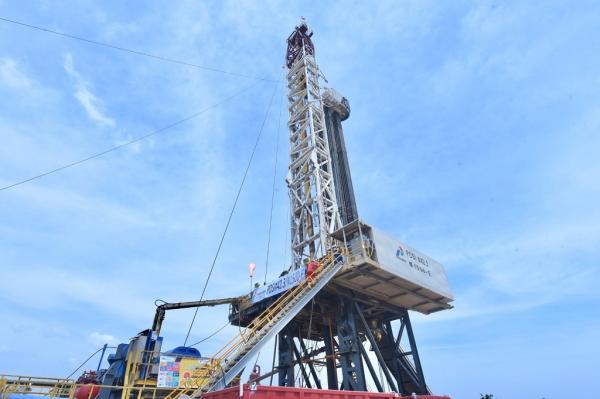
Building upon the promising data and operational insights gathered from Gulamo DET-1, PHR advanced its exploratory campaign in 2024 with the spudding of the Kelok DET-1 well. Located within the highly prospective North Aman structure, the Kelok DET-1 project served as a critical appraisal step to further delineate the subsurface boundaries and confirm the commercial viability of the non-conventional hydrocarbons present in the area. The success of both the Gulamo DET-1 and Kelok DET-1 drilling programs—validated through extensive core sampling, hydraulic fracturing testing, and long-term production testing—has fundamentally transformed management and engineering confidence regarding the viability of MNK extraction in the Rokan block.
Subsurface Potential and the North Aman Structure
At the heart of this new production frontier is the North Aman structure, which geological mapping and reservoir modeling suggest holds massive economic promise. Preliminary assessments indicate that the structure boasts an estimated recoverable resources volume of approximately 724 million barrels of oil equivalent (MMBOE). This staggering figure represents a colossal addition to Indonesia’s national hydrocarbon inventory and serves as the primary justification for advancing the project into the subsequent appraisal and development phases.
With the North Aman structure established as the baseline proving ground, PHR is laying the groundwork for a systematic, multi-phase expansion across other highly promising structures within the expansive Rokan Working Area. Following the stabilization of operations in North Aman, future developmental horizons are expected to target neighboring structures such as South Aman, Rangau, and Balam. Each of these zones exhibits geological characteristics favorable to non-conventional extraction methodologies, promising a sustained pipeline of development projects for the foreseeable future.
Leveraging Existing Infrastructure for Operational Efficiency
One of the most distinct strategic advantages possessed by the Rokan MNK project is its operational environment. Unlike greenfield projects situated in remote, undeveloped frontiers, the Rokan Zone is supported by a mature, highly sophisticated, and integrated operational ecosystem. Decades of conventional production activity have left behind a robust legacy of infrastructure that can be strategically repurposed or leveraged to support MNK operations.
From extensive pipeline networks and power generation facilities to water management systems, logistics hubs, and specialized maintenance workshops, the Rokan Zone offers a ready-made operational backbone. Furthermore, the local ecosystem features a highly mature supply chain network, complete with specialized oilfield service providers, skilled local talent, and established transportation corridors. This pre-existing infrastructure significantly mitigates capital expenditure risks, shortens project execution timelines, and optimizes operational expenditure, enabling PHR to develop the MNK resources in a phased, cost-effective manner.

Regulatory Tailwinds and Fiscal Incentives: The Role of Kepmen ESDM No. 246/2026
Developing non-conventional oil and gas resources—characterized by low permeability reservoirs that require advanced technologies such as multi-stage hydraulic fracturing and horizontal drilling—demands not only sophisticated engineering expertise but also a supportive regulatory and fiscal environment. Recognizing the unique risk-reward profile of MNK projects, the Indonesian government has moved decisively to eliminate regulatory bottlenecks and enhance investment attractiveness.
A critical catalyst for this milestone is the issuance of Ministry of Energy and Mineral Resources (ESDM) Decree Number 246.K/MG.04/MEM.M/2026 concerning the Acceleration of Non-Conventional Oil and Gas Business Implementation in the Rokan Working Area. This regulatory framework provides much-needed legal certainty, clarifying operational guidelines and streamlining administrative approval processes for contractors.
Crucially, the decree introduces an adaptive fiscal regime designed to balance national revenue generation with investor appeal. It incorporates flexible cost recovery mechanisms paired with adaptive profit-sharing splits and targeted investment incentives. By mitigating the high upfront capital risks associated with tight oil and shale development, the regulatory framework ensures that contractors like PHR can secure long-term project financing and commit to sustained, multi-year capital expenditure programs without compromising the economic returns due to the state.
Strategic Implications for National Energy Security
The formal signing of the KBH MNK Rokan and the implementation of supportive regulatory policies arrive at a critical juncture for Indonesia. As domestic energy demand continues to climb on the back of industrial expansion and population growth, arresting the decline of legacy oil and gas fields is a top national priority. The successful commercialization of non-conventional resources in Rokan holds the potential to serve as a national blueprint for similar unconventional basins across the archipelago, including the vast shale oil and gas potential found in Sumatra and Kalimantan.

From a macroeconomic perspective, a thriving MNK sector will reduce Indonesia’s reliance on imported crude oil, improve the country’s current account balance, and secure a reliable domestic energy supply for strategic industries. Moreover, the multi-year development cycle of the Rokan MNK project will generate widespread economic multipliers, fostering technology transfer, boosting local employment, and stimulating regional industrial growth in Riau Province and surrounding areas.
Looking Ahead: The Road to Commercialization
With the Production Sharing Contract officially secured and regulatory frameworks firmly in place, PT Pertamina Hulu Rokan is poised to transition from exploration and appraisal to the pilot development and early commercialization phases. The coming years will witness intensive engineering studies, pilot well pad constructions, and the deployment of cutting-edge completion technologies tailored specifically to the unique geological properties of the Rokan tight formations.
As PHR charts this uncharted territory, the success of the Rokan MNK project will be closely watched by international energy observers, policymakers, and industry peers alike. By successfully unlocking the vast potential of the North Aman structure and establishing a viable commercial model for non-conventional hydrocarbons, Pertamina is not only securing the future of the historic Rokan block but is also charting a bold, resilient path toward long-term national energy self-sufficiency.
