
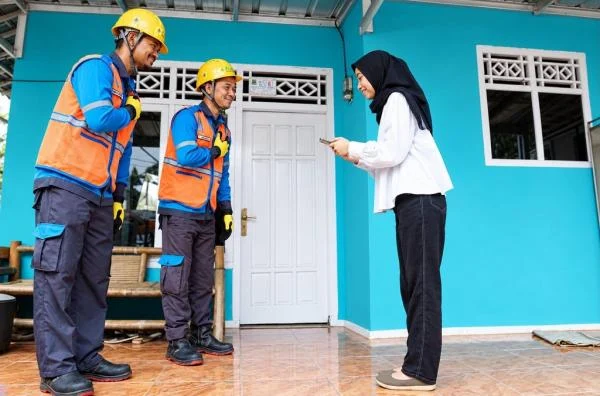
PT PLN (Persero), Indonesia’s state-owned electricity enterprise, has officially launched a nationwide promotional campaign titled the Energi Berdikari program, offering a substantial 50 percent discount on electricity connection fees for power upgrades. Rolled out in commemoration of the 81st Hari Listrik Nasional (National Electricity Day), the initiative is designed to alleviate financial burdens while simultaneously empowering households, small businesses, and growing enterprises to optimize their electrical capacities. The program spans nearly two weeks, commencing on October 22 and concluding on November 4, 2026. By lowering the economic barriers associated with upgrading electrical service panels, PLN aims to foster a more productive society where energy constraints no longer impede domestic comfort or commercial scalability.
Context and Background of National Electricity Day
National Electricity Day, celebrated annually on October 27, marks a pivotal historical milestone in the development of Indonesia’s power infrastructure. Tracing its roots back to the post-independence era when the national government took control of electrical and gas enterprises, the commemoration serves as both a reflection of the nation’s electrification journey and a forward-looking platform for the electricity sector. Over the past eight decades, Indonesia has transitioned from fragmented, localized grids to an increasingly interconnected archipelagic power system.
In recent years, PLN has shifted its strategic focus beyond mere electrification ratios toward service reliability, green energy transition, and consumer-centric digitalization. The introduction of promotional campaigns like Energi Berdikari during this commemorative period is a deliberate strategy to directly reward the customer base. By providing economic relief precisely when historical pride in the national grid is celebrated, PLN bridges its corporate milestones with tangible consumer benefits, reinforcing public trust and engagement.

Detailed Mechanics and Eligibility Criteria
The Energi Berdikari program has been structured to target a broad segment of the residential and small-to-medium enterprise sectors currently utilizing low-voltage, single-phase electrical configurations. According to the guidelines released by PLN, the promotional discount applies specifically to customers with initial subscribed power capacities ranging from 450 Volt-Amperes (VA) up to 5,500 VA who wish to scale up their service to a maximum capacity of 7,700 VA.
To ensure orderly administration and prevent speculative applications, PLN has established strict eligibility parameters. The promotion is exclusively available to customers whose accounts were officially registered in the utility’s database prior to October 1, 2026. Furthermore, applicants must maintain a clean administrative record, which entails having fully settled all outstanding electricity bills, arrears, and other administrative obligations prior to submitting an upgrade request.
Streamlining the application process has been a core operational priority for the state-owned enterprise. In alignment with its ongoing digital transformation, PLN has mandated that all upgrade requests under the Energi Berdikari program be processed entirely through its proprietary mobile application, PLN Mobile. The platform allows users to calculate estimated costs, submit documentation, track the progress of their application, and complete digital payments seamlessly, thereby eliminating the need for physical visits to customer service offices.
Official Perspectives and Corporate Strategy
M. Fahrur Rozy, the Director of Retail and Commerce at PT PLN (Persero), emphasized that the Energi Berdikari program is much more than a seasonal promotional discount; it represents a responsive corporate strategy aligned with the evolving needs of modern Indonesian consumers. In official statements surrounding the launch, Rozy highlighted the intrinsic link between adequate electrical capacity and societal productivity.

"Through the Energi Berdikari program, we want to provide flexibility for our customers to adjust their electrical capacity according to their individual needs," Rozy stated. "With adequate electricity support, communities can carry out their daily activities with greater comfort, while business actors are given the necessary backing to develop and expand their productivity. We hope this initiative can become part of our collective effort to encourage self-reliance and improve the overall quality of life for the public."
Rozy’s remarks underscore a broader institutional pivot toward customer empowerment. As modern households increasingly adopt power-intensive appliances, electric vehicles, and home-office setups, legacy electrical capacities are frequently pushed to their limits. Similarly, micro, small, and medium enterprises (MSMEs) require reliable, scalable power to operate modern machinery, refrigeration units, and digital point-of-sale systems. By halving the cost of the connection fee for power upgrades, PLN is actively removing one of the primary financial deterrents that prevent consumers from scaling their power usage safely.
Digital Integration and the Role of PLN Mobile
The exclusive deployment of the Energi Berdikari program through the PLN Mobile application highlights the company’s aggressive digitalization roadmap. Over the past several years, PLN has systematically migrated its core consumer services from physical customer service desks to digital channels. PLN Mobile now serves as a comprehensive ecosystem for token purchases, bill payments, fault reporting, and proactive service management.
By leveraging the application for the National Electricity Day promotion, PLN achieves dual objectives: it optimizes operational efficiency by automating the application workflow, and it accelerates digital adoption among demographics that might otherwise rely on traditional channels. The application interface calculates the 50 percent discount automatically upon the verification of account eligibility, providing transparency and immediate cost estimates for the consumer. Industry observers note that this digital-first approach significantly reduces processing times, allowing technical field teams to schedule meter updates and circuit breaker adjustments more rapidly.
Broader Economic and Industrial Implications
The launch of the Energi Berdikari program arrives at a critical juncture in Indonesia’s economic landscape, where domestic consumption and MSME growth are vital pillars of national resilience. An analysis of the macro-level implications of the program reveals several key socioeconomic benefits:
- Enhanced Productivity for MSMEs: Small businesses often operate on tight capital margins. The cost of upgrading electrical infrastructure can often deter a bakery, laundry service, or digital print shop from purchasing more efficient, high-capacity equipment. The 50 percent reduction in connection fees lowers capital expenditure thresholds, enabling business owners to invest directly in revenue-generating machinery.
- Support for Modern Domestic Demands: The proliferation of smart home devices, air conditioning units, and the nascent adoption of electric vehicle (EV) home-charging equipment mean that traditional 450 VA or 900 VA households frequently experience tripped breakers and power bottlenecks. Enabling a smooth, affordable transition to higher tiers like 2,200 VA or 3,500 VA improves safety and domestic comfort.
- Reduction of Unsafe Electrical Practices: Historically, capacity constraints have occasionally driven consumers to bypass meters or utilize unauthorized modifications to draw more power, posing severe fire hazards and risks to grid stability. Legitimate, subsidized pathways for power upgrades encourage compliance and enhance overall public safety.
- Grid Load Optimization: By systematically managing power upgrades through official channels, PLN gains accurate, real-time data regarding localized demand shifts. This data allows the utility to better forecast transformer loads, optimize local distribution networks, and maintain voltage stability across residential and commercial sectors.
Conclusion and Future Outlook
As the Energi Berdikari program unfolds between October 22 and November 4, 2026, initial uptake reports from PLN’s regional distribution units indicate strong interest from both urban and suburban consumer bases. The convergence of historical commemoration, strategic financial relief, and seamless digital execution underscores PLN’s evolving role as a modern service provider attuned to the aspirations of a growing economy.
Looking ahead, initiatives of this nature are expected to remain a cornerstone of PLN’s customer-engagement strategy, particularly as Indonesia advances its national electrification and clean energy agendas. By ensuring that consumers have affordable access to the electrical capacity required for modern living and enterprise, PLN continues to lay the foundational energy infrastructure necessary for sustainable, long-term national development.
