In the pursuit of optimal health, muscle hypertrophy, and weight management, dietary protein has long been elevated to the status of a nutritional "holy grail." Fitness enthusiasts, athletes, and individuals striving for metabolic health frequently prioritize protein intake to enhance satiety and support tissue repair. However, a common nutritional oversight occurs when consumers equate "high protein" labels with "low calorie" or "low fat" profiles. Recent nutritional guidance, including insights published by health experts in September 2026, highlights that many of the most accessible and popular protein sources harbor significant quantities of dietary fat, potentially undermining weight loss goals if portions are not carefully regulated.
The Protein-Fat Paradox in Modern Nutrition
For decades, nutritional science has emphasized the importance of macronutrient balance. While protein is essential for the structural integrity of muscles and enzymes, it rarely exists in isolation in whole foods. Most natural sources of protein are accompanied by varying levels of lipids (fats). The challenge for the modern consumer is distinguishing between nutrient-dense sources—which provide essential vitamins, minerals, and healthy fats—and those that contribute to a caloric surplus through excessive fat intake.
According to clinical dietitians, the "protein-first" mindset often leads individuals to overlook the energy density of their food. While one gram of protein yields approximately four calories, one gram of fat contains nine. Consequently, consuming high-protein foods that are also high in fat can rapidly escalate total caloric intake. This article examines five common staples that, while protein-rich, require disciplined portion control to align with health objectives.
1. The Dairy Dilemma: The Case of Cheese
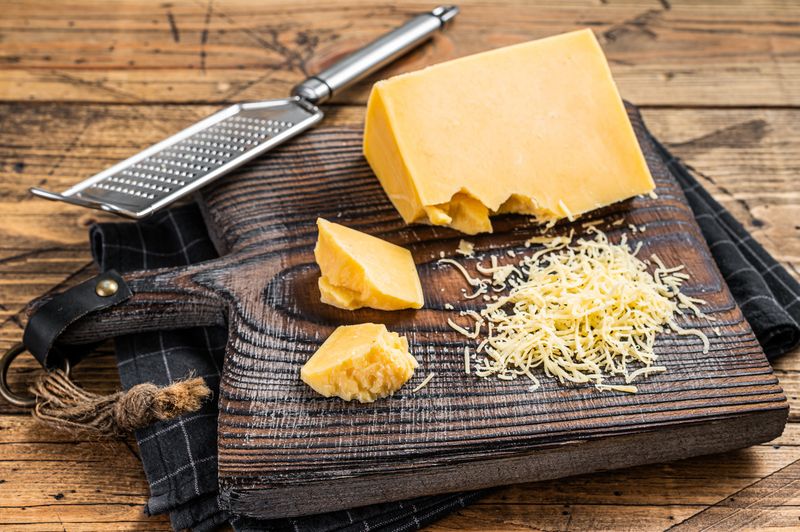
Cheese is frequently cited as a convenient, portable, and palatable source of protein. However, from a caloric standpoint, it is a dense source of both protein and saturated fat. An analysis of nutritional data reveals that a standard one-ounce (28-gram) serving of cheddar cheese provides roughly seven grams of protein but is accompanied by nine grams of fat.
Nutritional experts suggest that the structure of cheese makes it a "nutritional accessory" rather than a primary protein source. When individuals treat cheese as the base of a meal—such as in heavy pasta dishes or oversized charcuterie portions—the fat-to-protein ratio becomes skewed. Health professionals recommend viewing cheese as a flavor-enhancing garnish, emphasizing that while it provides calcium and protein, the lipid content necessitates that it be consumed in moderation to avoid unintended weight gain.
2. The Nut Butter Conundrum
Selai kacang, or peanut butter, is a staple in many households, often marketed as a plant-based protein powerhouse. While it is true that two tablespoons of natural peanut butter contain approximately eight grams of protein, the fat content in the same serving size typically reaches 16 grams. This means the product is fundamentally a fat source that happens to contain protein, rather than a protein source that happens to contain fat.
For those adhering to strict caloric limits, the consumption of nut butters requires significant caution. The high energy density of nut butters makes them an efficient fuel for endurance athletes, but for sedentary individuals or those in a caloric deficit, the caloric impact of just two tablespoons—which can exceed 190 calories—is substantial. The recommendation is to use nut butters as a complement to other foods, such as fiber-rich fruits, rather than relying on them as a sole protein provider.
3. The Composition of Red Meat and Processed Proteins
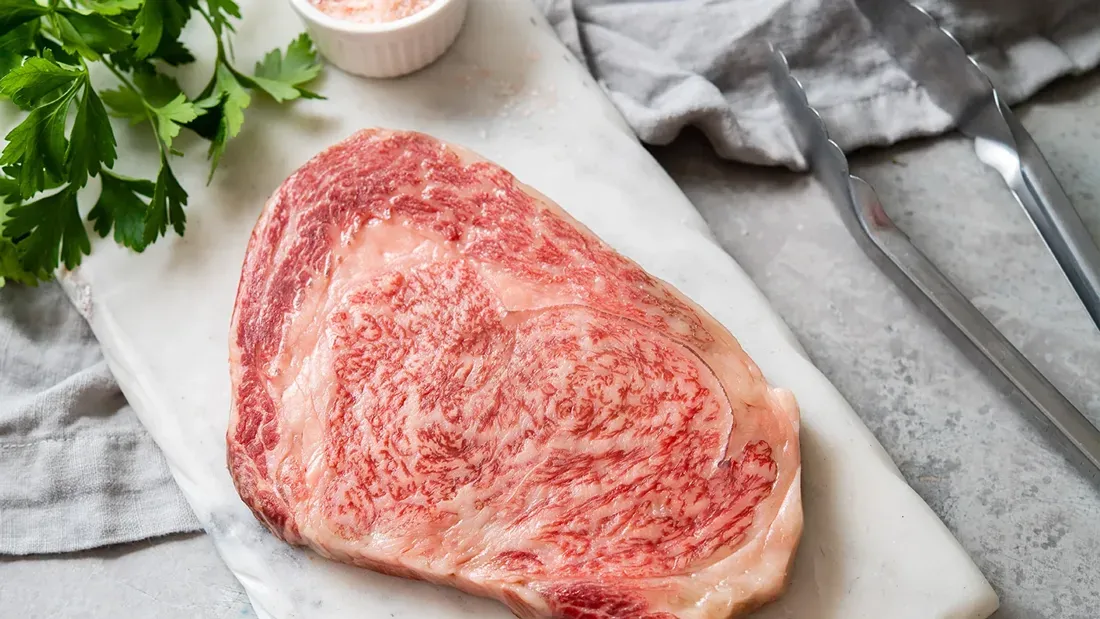
The debate surrounding red meat is perhaps the most complex in nutritional science. While ribeye steak, pork belly, and bacon are significant sources of high-quality amino acids, they also contain varying degrees of marbling—intramuscular fat that contributes to both texture and caloric density.
According to expert analysis, bacon is a poignant example of a food where the caloric profile is dominated by fat. Nearly half of the caloric content in a standard serving of bacon is derived from fat. The implication here is not necessarily to eliminate these foods, but to recognize that they are not "lean" proteins. For individuals monitoring their heart health, the type of fat—saturated versus unsaturated—found in these meats is as critical as the protein count. Choosing leaner cuts, such as sirloin or tenderloin, allows for high protein intake while significantly lowering the intake of saturated fats.
4. The Complexity of Nutrient-Dense Nuts
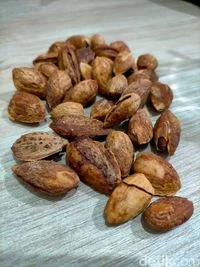
Nuts and seeds are often praised for their heart-healthy fats and fiber, yet they are frequently miscategorized by the general public as "protein snacks." A look at the nutritional profile of Brazil nuts and pecans illustrates this discrepancy clearly. A 28-gram serving of Brazil nuts provides roughly four grams of protein but carries 19 grams of fat. Similarly, the same serving of pecans offers only 2.6 grams of protein while delivering over 20 grams of fat.
This ratio highlights the importance of understanding food groups. Nuts are nutritionally dense, providing vital micronutrients like selenium, magnesium, and vitamin E, but they should be categorized as a healthy fat source rather than a primary protein source. Relying on nuts to meet daily protein targets would require a caloric intake that exceeds the requirements of most average individuals.
5. Re-evaluating the Humble Egg
Eggs have long been a subject of nutritional debate, oscillating between being labeled as a cholesterol risk and a nutritional superfood. Current consensus among dietitians suggests that eggs possess a relatively balanced profile of protein and fat. However, the misconception that eggs are a "pure" protein source often leads to overconsumption.
While a single large egg contains about six grams of high-quality protein, it also contains approximately five grams of fat, most of which is sequestered in the yolk. For those strictly monitoring their fat intake, the yolk is often removed, though this results in the loss of essential nutrients like choline and vitamin D. The key to incorporating eggs effectively is to view them as a foundational element of a meal that is balanced with other, leaner components, rather than a standalone source of protein.
Broader Nutritional Implications and Future Outlook
The prevailing trend of "macro-tracking" has brought these discrepancies into sharper focus. The implication of these findings is that nutritional literacy is paramount. When a consumer fails to distinguish between macronutrient sources, they risk metabolic stagnation.
The chronology of nutritional advice has shifted from a focus on total calorie counting to a focus on food quality and macronutrient composition. In the mid-2010s, the emphasis was heavily on "IIFYM" (If It Fits Your Macros), a philosophy that arguably ignored the quality of the food. As we move further into the 2020s, the focus has shifted toward nutrient density. Health organizations now recommend a more nuanced approach:
- Strategic Portioning: Using high-fat protein sources as condiments or flavor enhancers rather than main dishes.
- Diversification: Combining sources to balance the lipid profile. For instance, pairing a lower-fat protein source like white fish with a small amount of healthy fats (like avocado or nuts) provides a more controlled macronutrient intake.
- Reading Labels: Understanding that "protein-rich" does not equate to "low-calorie."
Official responses from global health bodies, such as the WHO and various national dietetic associations, consistently reinforce the importance of a varied diet. While the foods listed above—cheese, nut butter, red meat, nuts, and eggs—are all highly nutritious and valid components of a healthy diet, they must be consumed with an awareness of their entire nutritional profile.
Ultimately, the goal is to create a sustainable, long-term dietary pattern that supports physical performance and metabolic health. By acknowledging that these five foods are "protein-dense" but also "fat-dense," individuals can better navigate their dietary choices, ensuring that their pursuit of protein does not lead to an accidental surplus of fats that may hinder their specific health goals. As nutritional research continues to evolve, the emphasis remains clear: precision in intake is the key to balancing the benefits of protein with the realities of caloric density.