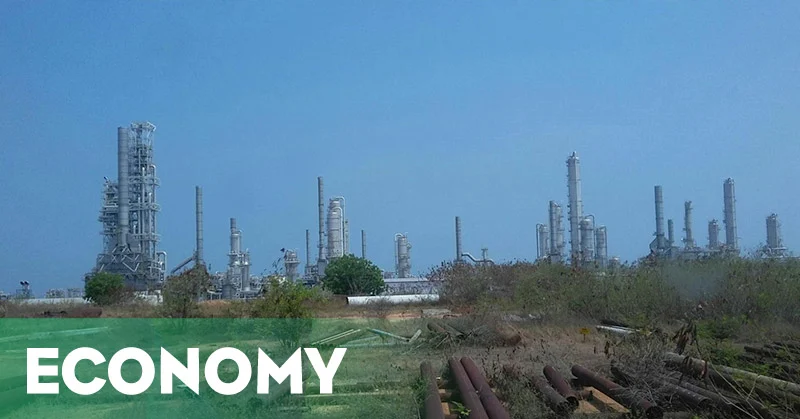
President Joko Widodo conducted a high-profile working visit to inspect the operational facilities of the Trans Pacific Petrochemical Indotama (TPPI) refinery located in Tuban, East Java. This strategic visit marked a critical milestone in Indonesia’s ongoing pursuit of national energy security and self-sufficiency. The presidential entourage included State-Owned Enterprises (SOE) Minister Rini Soemarno, Pertamina President Director Dwi Soetijpto, and Director General of Oil and Gas IGN Wiratmaja Puja, highlighting the paramount importance of the facility to the country’s macroeconomic and energy infrastructure.
The reactivation of the TPPI Tuban refinery under the management of state energy giant PT Pertamina (Persero) represents a decisive turning point in alleviating Indonesia’s heavy reliance on foreign fuel imports. For years, the country’s refining capacity had lagged behind domestic consumption, exposing the national economy to the severe vulnerabilities of global crude oil price fluctuations and foreign exchange pressures. By bringing the TPPI plant back online, the Indonesian government signaled a robust commitment to fortifying domestic production channels, optimizing state assets, and revitalizing strategic industrial projects that had previously stalled due to financial and operational complexities.
Strategic Importance and Production Capacity
The primary catalyst behind President Joko Widodo’s direct inspection was the monumental economic and logistical impact the TPPI Tuban facility yields upon resuming full operations. According to corporate communications officials from Pertamina, the refinery serves as a cornerstone for national fuel optimization, capable of transforming the domestic supply chain for refined petroleum products.
Wianda Pusponegoro, who served as the Vice President of Communication for Pertamina at the time, elaborated on the staggering scale of the refinery’s output during the presidential briefing at the Tuban complex. The facility possesses a production capacity reaching approximately 61,000 barrels of Premium gasoline (RON 88) per day. This substantial output directly addresses a massive fraction of Indonesia’s daily fuel demand, translating to a direct reduction of approximately 20 percent in nationwide Premium fuel imports.
In financial terms, the macroeconomic implications are profoundly significant. When evaluated against historical baseline commodity projections—such as an estimated international gasoline benchmark price of USD 60 per barrel—the domestic production generated by the TPPI Tuban refinery translates to an estimated foreign exchange savings of USD 1.2 billion annually. In local currency terms, this preservation of capital amounts to roughly IDR 16 trillion per year, funds that can be reallocated toward critical infrastructure development, social welfare programs, and other productive sectors of the national economy. Beyond gasoline, the complex is also structurally integrated to produce paraxylene, benzene, orthoxylene, and liquefied petroleum gas (LPG), thereby supplying vital feedstock to Indonesia’s domestic petrochemical manufacturing sector.
Chronology and Background Context of the TPPI Facility
The journey toward the successful reactivation of the TPPI Tuban refinery was neither straightforward nor immediate, characterized instead by a complex chronology of financial restructuring, legal hurdles, and corporate intervention by the Indonesian government. Established in the late 1990s as a private-public venture, the multi-million-dollar petrochemical plant faced severe operational disruptions, mounting debt burdens, and ownership disputes that plagued its productivity for over a decade.
For years, the facility operated intermittently or remained completely idle, representing a glaring symbol of underutilized national industrial capacity. The turning point materialized when the Indonesian government, recognizing the strategic urgency of securing domestic fuel supplies, intervened through state-owned enterprises to reclaim control and stabilize the facility. Pertamina was tasked with absorbing the plant’s operational management and debt restructuring framework, effectively bringing the critical asset back under state stewardship.

Leading up to the November 2015 inspection, engineers, technicians, and operational units worked rigorously to test machinery, secure continuous feedstock supplies, and synchronize the refinery’s output lines with Pertamina’s broader distribution network. The successful restart of the processing units shortly before President Jokowi’s visit validated months of intensive rehabilitation efforts, transforming a dormant industrial liability into a vibrant engine of national economic productivity.
Stakeholder Perspectives and Official Statements
The high-level presence of both executive leadership and corporate heads during the Tuban inspection underscored a unified national strategy regarding energy independence. President Joko Widodo’s administration consistently emphasized that state-owned enterprises must act as the primary engines of national development, particularly in strategic sectors that directly affect the cost of living for the general population.
Minister of State-Owned Enterprises Rini Soemarno played an instrumental role in steering the bureaucratic and financial alignment necessary to facilitate Pertamina’s takeover and operation of the plant. Her presence alongside the President signaled absolute executive backing for the management team tasked with running the complex.
Meanwhile, Pertamina’s leadership, spearheaded by President Director Dwi Soetijpto alongside technical experts like Dirjen Migas IGN Wiratmaja Puja, focused on operational readiness and logistical integration. The collaboration between regulatory bodies and the state oil company demonstrated a synchronized approach to overcoming infrastructural bottlenecks. Corporate representatives reiterated that the resumption of operations at TPPI Tuban was executed ahead of schedule in certain units, proving the technical competence of local engineers and the viability of state-managed industrial rehabilitation.
Broader Economic Impact and Future Implications
The integration of the TPPI Tuban refinery into Pertamina’s overarching supply chain architecture carries far-reaching implications for Indonesia’s macroeconomic stability. By curbing reliance on imported refined products, the country significantly enhances its resilience against external shocks in the global energy market. The preservation of foreign exchange reserves bolsters the stability of the Indonesian rupiah, easing inflationary pressures tied to imported energy costs.
Furthermore, the operational success of the Tuban complex serves as a psychological and operational benchmark for other stalled infrastructure projects across the archipelago. It demonstrates that with decisive political will, sound regulatory frameworks, and competent corporate execution, dormant state assets can be successfully resuscitated to serve the public interest.
Analysts note that while the immediate savings of USD 1.2 billion per year provide instant fiscal relief, the secondary benefits to the domestic petrochemical industry are equally transformative. Access to locally produced aromatics and feedstocks reduces input costs for downstream manufacturing industries, fostering a more competitive industrial landscape within Indonesia. As the nation continues to expand its refining capacity through ongoing mega-projects and refinery development master plans, the foundational lessons learned from the revitalization of TPPI Tuban will undoubtedly guide future strategic energy policies for decades to come.