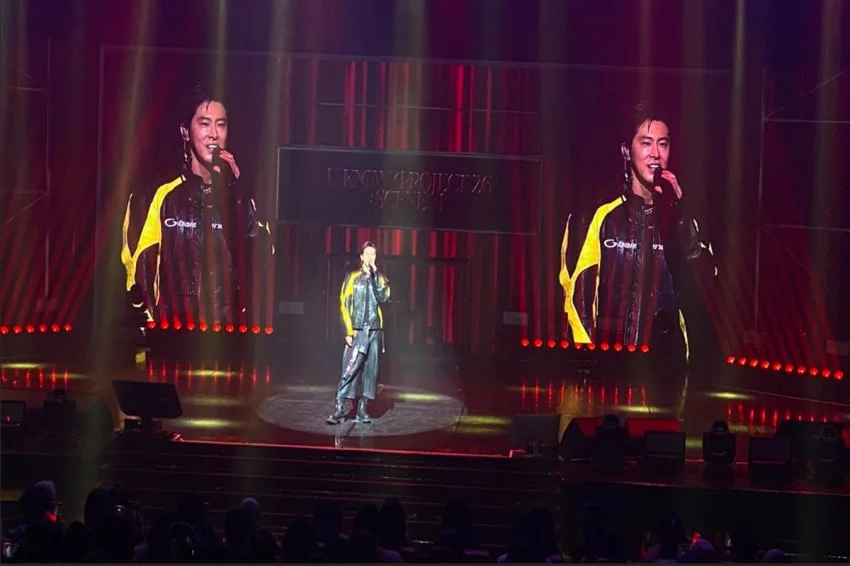
The Jakarta Concert Hall at the iNews Tower in Jakarta witnessed a paradigm shift in live performance art on Saturday, September 12, 2026, as U-KNOW, the acclaimed South Korean singer, dancer, and actor—widely recognized as a member of the legendary K-pop duo TVXQ—staged his highly anticipated solo concert, U-KNOW PROJECT 26: SCENE#1. Moving beyond the conventional framework of a standard music tour, the event functioned as an intricate, narrative-driven theatrical production that invited the audience, known as Cassiopeia, into a carefully curated universe of the artist’s personal and professional evolution.
A Departure from Traditional Concert Formats
The production design of U-KNOW PROJECT 26: SCENE#1 signaled a deliberate move toward "cinematic concert" storytelling. While the music industry has seen a rise in high-concept tours, U-KNOW’s approach was uniquely characterized by its segmented narrative structure. The concert was not merely a collection of chart-topping hits; it was a chronological exploration of the artist’s identity, presented in a series of thematic scenes that blurred the lines between a live music performance, a feature film, and a stage musical.
The conceptual narrative began with an evocative opening sequence: a young version of U-KNOW appeared on stage, interacting with a remote control, which served as a catalyst for the transition into the "present-day" iteration of the performer. This symbolic act of triggering a "Time Machine" served as the anchor for the show’s central premise—the intersection of childhood ambition and adult reality.
Chronology of the Performance and Narrative Arc
The show commenced with a high-energy set that established the "universe" specifically constructed for the 2026 tour. The initial segment featured a string of powerhouse performances, including "Drop," "Follow," and "Set in Stone." These tracks were selected not only for their rhythmic intensity but for their thematic relevance to the narrative of overcoming challenges and asserting one’s presence in the industry.
As the performance progressed, the audience was taken through distinct emotional arcs. Each segment featured specialized lighting, stage design, and choreography that mirrored the specific "scene" being portrayed. By segmenting the show, U-KNOW allowed the audience to digest the performance as a cohesive story rather than a disjointed list of songs. This storytelling approach required a level of technical synchronization rarely seen in mid-sized venue productions, involving real-time lighting cues and pre-recorded cinematic inserts that transitioned seamlessly into live vocal performances.
Contextual Background: The Evolution of U-KNOW
To understand the gravity of this performance, one must consider the historical context of U-KNOW’s career. Since his debut with TVXQ in 2003, U-KNOW has been a central figure in the Hallyu wave, helping to define the standards of K-pop performance. Over the past two decades, his career has evolved from pure idol performance to a multifaceted artistic pursuit that encompasses acting, musical theater, and solo experimental projects.
The decision to bring such a high-concept, intimate production to Jakarta is significant. Indonesia remains one of the largest and most passionate markets for K-pop in Southeast Asia. By choosing the Jakarta Concert Hall, a venue known for its excellent acoustics and intimate atmosphere, U-KNOW prioritized the quality of the fan experience over the scale of a stadium event. This allowed for a more direct connection between the artist and his long-time supporters, enabling the "cinematic" elements to be felt more viscerally by the attendees.
Analytical Implications of the "Cinematic Concert" Trend
The success of U-KNOW PROJECT 26: SCENE#1 offers a case study in the current shift in the touring industry. In an era where digital streaming and high-fidelity home audio are ubiquitous, the value proposition of a live concert is shifting toward exclusivity and narrative depth. Fans are increasingly seeking "experiential" value—content that cannot be replicated through a smartphone screen.
Industry analysts note that by blending musical performance with elements of theatre, artists can extend the lifespan of their tours and offer a higher level of artistic satisfaction. For U-KNOW, this project is a validation of his longevity. By refusing to rely solely on nostalgia, he is effectively positioning himself as a contemporary artist who is still innovating his stagecraft. The financial and critical success of this performance suggests that artists who invest in complex, high-concept storytelling are likely to see higher engagement rates and greater loyalty from their core fanbases.
Audience Reception and Fan Engagement
The interaction between U-KNOW and the audience during the mid-concert talk sessions underscored the importance of this narrative approach. During one such session, U-KNOW explicitly stated his intention for the evening: "My goal is to provide a new performance experience that feels like watching a film as well as a musical."
This dialogue served as a bridge between the artist’s intent and the audience’s perception. Fans in attendance reported that the concert felt personal, as if they were being granted a glimpse into the internal life of a performer who has spent most of his life in the public eye. The use of the "Time Machine" metaphor was particularly well-received, as it allowed older fans who have followed him since the early 2000s to reflect on their own shared history with the artist.
Technical and Operational Excellence
The production logistics for an event of this nature require a high degree of precision. Managing a show that shifts between musical genres and narrative segments requires a sophisticated technical team capable of handling complex audiovisual transitions. The iNews Tower’s Jakarta Concert Hall provided the necessary infrastructure to execute the lighting and sound design required to maintain the "theatrical" atmosphere.
From a production standpoint, the synchronization of the pre-recorded sequences with live choreography demonstrated a high level of rehearsal discipline. This level of technical polish is characteristic of the South Korean entertainment industry, yet the specific narrative focus of this concert suggests that the team behind U-KNOW PROJECT 26 is looking to set a new standard for international touring.
Future Implications for the K-pop Industry
The success of this concert in Jakarta suggests that there is a significant appetite for narrative-driven performances in Southeast Asia. Promoters and venue operators in the region may look toward this event as a blueprint for future tours. As the K-pop market continues to mature, the demand for "concerts as art" rather than "concerts as spectacle" is expected to rise.
Furthermore, this performance serves as a testament to the enduring influence of individual members of long-standing groups. Even after two decades in the industry, U-KNOW has demonstrated the ability to evolve his brand and attract a diverse audience that values innovation over simple repetition of past hits.
Conclusion: A Milestone in Artistic Expression
U-KNOW PROJECT 26: SCENE#1 in JAKARTA will likely be remembered as a pivotal moment in the artist’s solo career. By successfully integrating the mediums of film, musical theater, and live music, U-KNOW has not only satisfied the expectations of his fans but has also pushed the boundaries of what a solo concert can achieve.
As the industry continues to navigate the post-pandemic landscape, the success of this tour highlights the importance of innovation and storytelling in sustaining an artist’s career. With the conclusion of the Jakarta show, the project sets a high bar for upcoming dates, proving that when an artist is willing to invest in a cohesive narrative, the result is a transformative experience for everyone involved. The concert in Jakarta was not just an evening of music; it was a profound exploration of identity, time, and the enduring power of the performance arts.