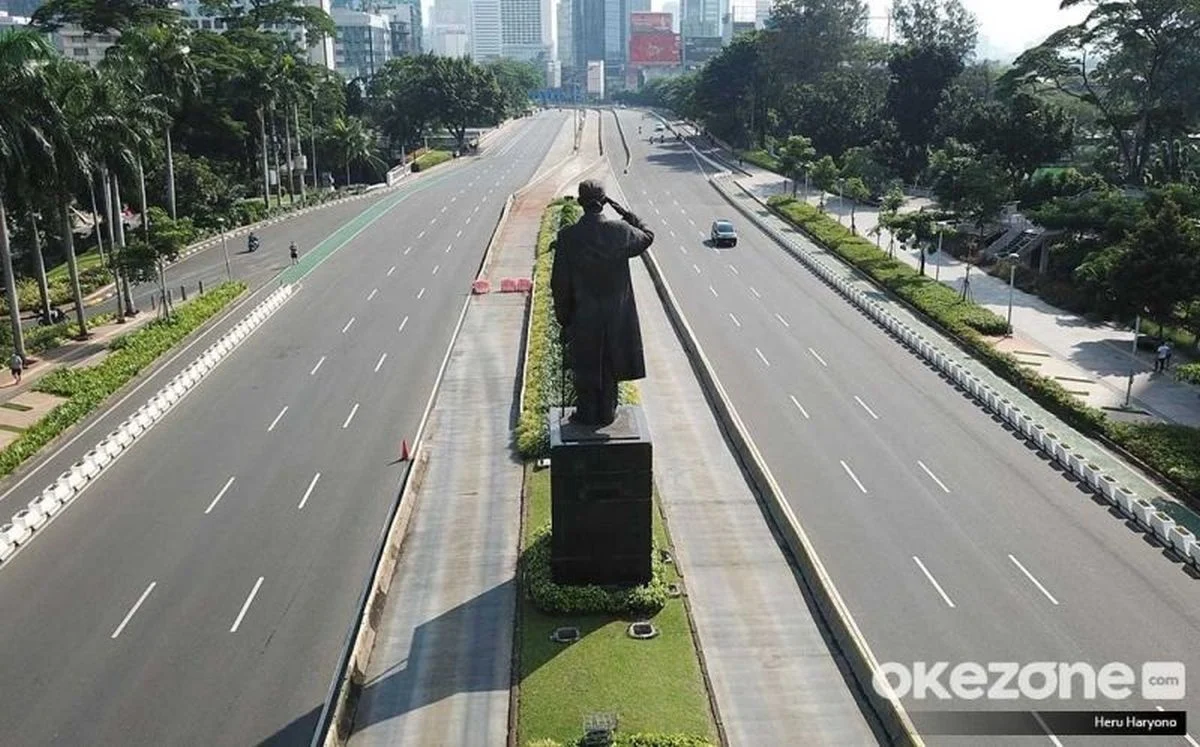
The Meteorology, Climatology, and Geophysics Agency (BMKG) has issued a weather outlook for the Greater Jakarta area (Jabodetabek) for Sunday, September 13, 2026, indicating predominantly clear to cloudy skies throughout the day. Residents across the capital and its surrounding satellite cities—Bogor, Depok, Tangerang, and Bekasi—can expect stable atmospheric conditions from the early hours of the morning through the late afternoon, providing a favorable backdrop for weekend outdoor activities.
According to the official forecast, the morning will commence with clear to partly cloudy skies, transitioning into a consistent state of cloudiness by midday. While the region is currently experiencing a relatively dry phase, the temperature remains high, characteristic of the tropical climate transition period.
Detailed Meteorological Breakdown
The thermal profile for the region is varied, reflecting the diverse topography of the Jabodetabek area. In the highlands of Bogor City and Regency, temperatures are expected to fluctuate between 22 and 34 degrees Celsius. The lower elevation areas within the metropolitan hub, including Jakarta, Tangerang, and Bekasi, are anticipated to experience a slightly narrower, albeit warmer, range of 26 to 34 degrees Celsius.
Relative humidity levels are projected to remain between 44 and 92 percent. This humidity index is a critical factor in how the heat is perceived by the human body; while the lower bound indicates drier air, the upper bound suggests that localized areas may experience a "muggy" sensation during the late afternoon if cloud cover remains thick.
Surface winds are forecasted to blow from the northeast to the southeast, maintaining a steady pace. However, the wind speed is expected to vary significantly, ranging from 5 to 45 kilometers per hour. This variability is a focal point of the BMKG’s current advisory.
Vigilance Against Gusty Winds
While the overall weather outlook is classified as benign, the BMKG has issued a specific cautionary note for the Tangerang region. Meteorologists have identified a potential for localized increases in wind speed that could exceed the standard baseline. Residents in Tangerang City and Regency are advised to remain vigilant, as sudden gusts can pose risks to unsecured outdoor structures, temporary signage, and heavy vehicles on open roadways.
This advisory aligns with standard safety protocols during transition seasons, where localized thermal differences can trigger micro-scale wind phenomena. Authorities have suggested that while no severe storm warnings are currently in effect, keeping an eye on official real-time updates via the BMKG mobile application remains the best practice for those planning extensive travel or outdoor events.
Contextualizing the Regional Climate
The Jabodetabek region, home to over 30 million people, serves as the economic engine of Indonesia. Weather patterns here are heavily influenced by the interplay between the Java Sea to the north and the mountainous terrain to the south. During September, the region is typically navigating the transition from the dry season toward the onset of the rainy season.
Historically, September in Jakarta is characterized by high solar radiation, leading to the high daytime temperatures observed in this forecast. The current 34-degree Celsius peak is consistent with historical averages for the month, though it underscores the importance of hydration and sun protection for residents engaging in outdoor physical activities.

Implications for Urban Infrastructure and Public Health
The persistence of temperatures reaching 34 degrees Celsius has direct implications for urban planning and public health. High temperatures in densely populated areas like Jakarta contribute to the Urban Heat Island (UHI) effect, where concrete and asphalt absorb and re-emit heat, often resulting in night-time temperatures that remain significantly higher than those in rural surroundings.
Health experts emphasize that during such weather conditions, the risk of heat-related exhaustion increases. Vulnerable populations, including the elderly and children, are advised to minimize strenuous activity during the peak heat hours of 1:00 PM to 3:00 PM. Furthermore, the air quality in the Greater Jakarta area remains a secondary concern; while the forecast suggests favorable dispersion conditions due to moderate wind speeds, stagnant air in certain industrial corridors could potentially lead to localized drops in air quality indices.
The Role of BMKG in Disaster Mitigation
The BMKG’s role extends beyond daily forecasting; it serves as a cornerstone of the national disaster mitigation strategy. By providing granular data—such as the specific wind speed warnings for Tangerang—the agency allows local governments to prepare emergency response teams for potential incidents caused by gusty winds.
This data-driven approach is increasingly vital as climate change alters the predictability of seasonal patterns in Southeast Asia. Accurate, timely information helps mitigate the economic impact of weather-related disruptions, ranging from transportation delays at Soekarno-Hatta International Airport to the operational efficiency of the logistics hubs in Bekasi and Cikarang.
Chronology of Weather Reporting
Effective weather reporting follows a structured cycle. The forecast for September 13, 2026, was finalized based on synoptic observations collected on the evening of September 12. These observations include satellite imagery, radar data, and inputs from automated weather stations distributed throughout the province.
- September 12, 20:00 WIB: Preliminary analysis of atmospheric pressure and moisture levels.
- September 13, 05:00 WIB: Finalization and dissemination of the regional forecast.
- Ongoing: Continuous monitoring of wind shifts and cloud formation to determine if an early warning update is required for the evening hours.
Official Guidance and Recommendations
In response to the current weather outlook, various municipal agencies have reinforced their standard operating procedures. Public works departments have been alerted to inspect traffic infrastructure, particularly in areas prone to the reported gusty winds. Meanwhile, the transportation sector has been reminded to ensure that ground handling operations at airports and port authorities remain cognizant of wind speed thresholds that might affect cargo stability or small aircraft operations.
For the general public, the advice remains clear:
- Stay Hydrated: Drink ample water throughout the day, regardless of physical activity levels.
- Sun Protection: Utilize sunscreen, hats, and sunglasses if spending extended periods outdoors, particularly during the peak solar intensity between 11:00 AM and 2:00 PM.
- Monitor Updates: Rely exclusively on official channels like the BMKG website or verified social media handles. Avoid circulating unverified weather reports, which often proliferate on social media during transition seasons and can cause unnecessary public alarm.
Looking Ahead: The Seasonal Transition
As the region moves deeper into the second half of September, meteorologists anticipate a gradual increase in moisture content in the atmosphere. This is the precursor to the inter-monsoon phase, which often brings erratic, localized convective rainfall. While today’s forecast points to a clear and stable Sunday, residents should remain prepared for a shift in weather behavior in the coming weeks.
The current stability is a welcome respite for the metropolitan population, allowing for a standard weekend pace. However, the inherent unpredictability of the Indonesian climate necessitates a culture of preparedness. By synthesizing the data provided by the BMKG with proactive personal safety measures, the public can continue to navigate the challenges of the tropical climate with resilience.
Ultimately, the forecast for this Sunday serves as a reminder of the vital importance of meteorological science in the daily life of the Jabodetabek population. From the high-rises of Sudirman to the suburban landscapes of Bogor, the weather dictates the rhythm of the city. With clear, objective, and timely information, the residents of the capital region are well-equipped to manage their activities, ensuring that the weekend concludes safely and efficiently. As the country continues to develop, the integration of such precise weather data into daily decision-making processes will remain a fundamental aspect of sustainable urban living in one of the world’s most dynamic and densely populated regions.