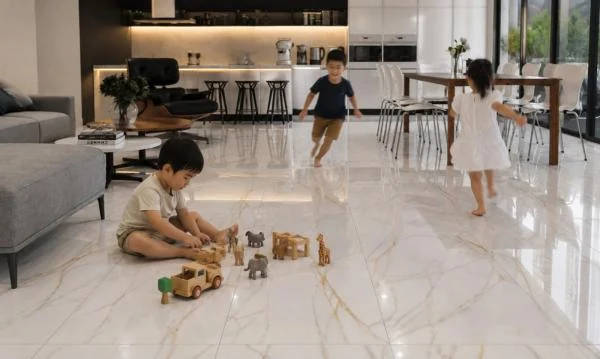
The floor remains one of the most heavily utilized components of any residential structure, serving as the silent witness to the daily rhythms of family life. From children playing on the surface to the constant foot traffic of occupants moving between living spaces, the floor is subjected to continuous physical wear and the accumulation of environmental contaminants. Consequently, maintaining a hygienic home environment is no longer solely a matter of frequent cleaning routines; it has evolved into a strategic architectural consideration where the material properties of the flooring itself play a pivotal role in long-term health and maintenance.
As homeowners increasingly prioritize wellness and sanitation in the post-pandemic era, the selection of interior surfaces—particularly ceramic tiles—has shifted from purely aesthetic motivations to a more nuanced focus on functional performance. Modern consumers are now scrutinizing the technical specifications of building materials, seeking solutions that bridge the gap between interior design trends and advanced microbial protection.
The Evolution of Residential Flooring Requirements
Historically, the selection of flooring was driven primarily by visual appeal and budgetary constraints. However, contemporary living standards have redefined these priorities. With the rise of open-concept floor plans, the distinction between high-traffic utility areas and living spaces has blurred. This structural change means that floors must now perform under diverse conditions: resisting spills in dining areas, withstanding the impact of heavy furniture in living rooms, and maintaining a sterile environment in bedrooms and play areas.
Data from the building materials industry indicates that the average household experiences a significant accumulation of dust, allergens, and microbial load on flooring surfaces within a 24-hour cycle. Traditional flooring materials, while durable, often possess porous structures or surface textures that can trap microscopic pathogens, making standard cleaning methods insufficient for high-level hygiene. This realization has prompted manufacturers to innovate at the molecular level, moving beyond traditional glazes to incorporate active antimicrobial agents directly into the ceramic production process.
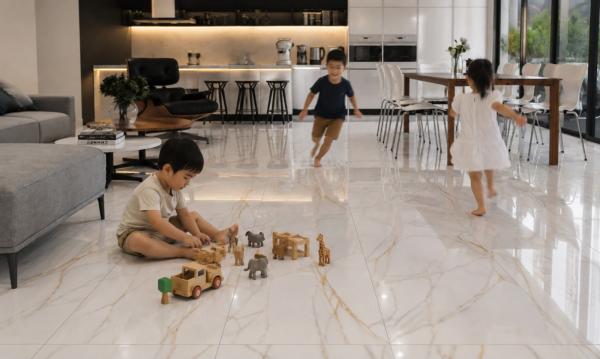
The Rise of Silver Ion Technology in Ceramic Manufacturing
The recent introduction of "Super Guard" ceramic tiles, which integrate silver ion technology, represents a significant leap forward in material science. Silver ions have long been recognized in medical and industrial applications for their ability to disrupt the cellular processes of bacteria. When embedded into the surface of a ceramic tile, these ions create a hostile environment for microbial growth, effectively inhibiting the proliferation of bacteria that would otherwise thrive on common floor surfaces.
The integration of this technology marks a departure from passive hygiene—which relies on the user to remove bacteria manually—to active hygiene, where the material itself participates in the maintenance of a sanitary environment. For families with small children or individuals with respiratory sensitivities, this technological intervention provides an additional layer of protection that passive cleaning cannot achieve alone.
Balancing Aesthetics, Safety, and Hygiene
While the demand for technological innovation is rising, the industry faces the challenge of balancing these advanced features with the fundamental safety requirements of a home. A critical issue in residential flooring remains the risk of slip-and-fall accidents. Research consistently shows that high-gloss, aesthetically pleasing tiles often present significant friction-related hazards, particularly in moisture-prone areas such as bathrooms and kitchens.
Market analysts observe that there is a growing trend toward "shimmering" or highly polished ceramics that provide a luxury aesthetic without the need for excessive interior decor. However, industry experts caution that the pursuit of visual elegance must never override the coefficient of friction (COF) requirements. A balanced approach—one that combines slip-resistant textures with antimicrobial properties—is becoming the gold standard for architects and interior designers aiming to reconcile form, function, and safety.
Industry Perspectives on Maintenance and Utility
Jali Wijaya, Director of Marketing at PT Platinum Ceramics Industry, emphasizes that the modern consumer is increasingly pragmatic. The transition toward surfaces that require less intensive maintenance is not merely a convenience; it is a necessity for the modern, time-poor household. "The need for flooring that is practical to maintain has become increasingly relevant, as the floor is a central part of every family’s daily activities," Wijaya noted.

This sentiment reflects a broader industry trend where durability is measured not just by a tile’s resistance to cracking, but by its ability to remain "factory fresh" with minimal chemical intervention. As household cleaning products become more chemically complex, there is a risk that aggressive detergents may damage the integrity of standard tile glazes over time. By incorporating protective technology during the kiln-firing process, manufacturers are providing a product that is inherently more resistant to the harsh conditions of daily living.
Chronology of Ceramic Innovation
The trajectory of ceramic development over the last decade illustrates a clear path toward specialization:
- 2015–2018: The industry focused heavily on digital inkjet printing, which allowed for hyper-realistic textures mimicking wood, marble, and concrete. The priority was almost entirely visual.
- 2019–2021: A shift occurred toward larger format tiles and "rectified" edges to create seamless, grout-free looks. This was partly driven by the desire for easier cleaning, as less grout meant fewer places for mold and bacteria to reside.
- 2022–2024: The introduction of advanced surface treatments, including high-durability glazes and the adoption of silver ion and other antimicrobial technologies, moved the focus to the "health performance" of the tile.
- 2025–Present: Integration of multifunctional surfaces that combine slip-resistance (safety), antimicrobial properties (hygiene), and enhanced aesthetic finishes (design).
Broader Implications for Sustainable Home Design
The push for more hygienic flooring has broader implications for sustainable construction. By extending the lifespan of the flooring and reducing the reliance on heavy-duty, potentially toxic cleaning agents, homeowners can contribute to a healthier indoor air quality and a smaller environmental footprint. The durability of high-quality, tech-enhanced ceramics ensures that flooring does not need to be replaced as frequently, thereby reducing construction waste in the long term.
Furthermore, as urban living spaces become more compact, the choice of flooring materials significantly impacts the perceived scale and comfort of a room. The trend toward light-reflecting, antimicrobial ceramics allows for smaller spaces to feel larger and brighter, while simultaneously providing a safer environment.
Strategic Recommendations for Homeowners
When selecting flooring materials in the current market, homeowners are advised to adopt a tripartite evaluation framework:

- Technical Performance: Investigate whether the tile incorporates antimicrobial technology (such as silver ions) and check for certified laboratory results regarding bacterial inhibition rates.
- Safety Ratings: Always verify the Coefficient of Friction (COF) rating. For wet areas, a higher COF is essential to prevent accidents.
- Longevity and Maintenance: Consider the "total cost of ownership," which includes the time and products required to maintain the floor over a five-to-ten-year period. A higher initial investment in specialized technology often yields significant savings in cleaning supplies and labor.
Future Outlook
As we look toward the future of residential design, the integration of smart materials will likely continue. We can expect to see further developments in self-cleaning surfaces and perhaps even tiles that react to changes in light or humidity to regulate indoor environments. However, for the present, the focus on silver ion-infused ceramics represents a significant and practical advancement in home care.
The industry is moving toward a future where the home environment is no longer just a static shelter, but an active participant in the health and well-being of its inhabitants. By acknowledging the floor as the primary surface of interaction, consumers can make informed decisions that ensure their homes remain safe, clean, and aesthetically enduring for years to come. The intersection of material science and interior design is not just about making a house look better—it is about creating a more resilient foundation for the lives lived within it.