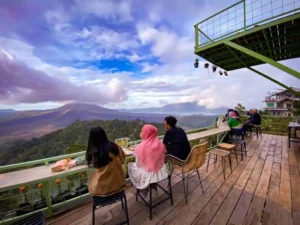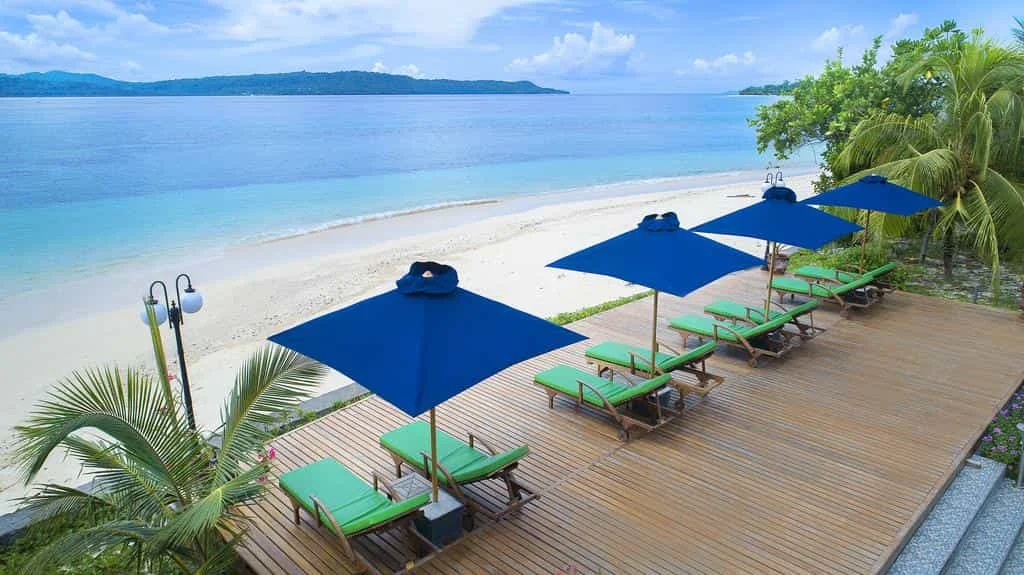
The paradigm of financial planning and personal aspiration among younger demographics has shifted dramatically over the past decade, moving away from conventional wealth accumulation toward what sociologists and economists now define as "lifestyle traveling." Rather than prioritizing traditional capital investments—such as purchasing residential real estate or acquiring automobiles early in adulthood—millennials and Generation Z increasingly allocate their disposable income toward experiential exploration. This cultural pivot reflects a fundamental reevaluation of what constitutes long-term value, transforming travel from a periodic leisure activity into a permanent lifestyle choice.
Background Context and Societal Shifts
The emergence of lifestyle traveling is not an isolated cultural whim, but rather the byproduct of several intersecting macroeconomic, technological, and sociological developments. Historically, post-World War II generations viewed financial stability through tangible assets: a secure job with a pension, homeownership by their late twenties, and steady savings accounts. These milestones provided a sense of security in a predictable economic landscape.
However, the twenty-first century has introduced unprecedented variables. The 2008 global financial crisis, followed decades later by pandemic-related economic disruptions, drastically altered the housing market and employment stability for younger generations. With housing prices skyrocketing relative to stagnant starting salaries, traditional milestones like homeownership became statistically more difficult to achieve early in life. Concurrently, the proliferation of digital technology, remote work capabilities, and low-cost carrier airlines democratized global mobility. Social media platforms further accelerated this trend by broadcasting breathtaking natural landscapes and culturally rich environments directly to smartphones, creating a continuous feedback loop of inspiration and wanderlust.
Faced with a shifting economic reality where traditional asset accumulation feels increasingly out of reach, younger generations have chosen to invest in psychological and intellectual capital instead. Psychological studies consistently support this shift, indicating that purchases associated with experiences—such as traveling, learning a new skill, or attending cultural events—generate longer-lasting happiness and personal growth than material possessions, a phenomenon known in behavioral economics as the "experiential advantage."
The Evolution of Travel: From Vacation to Lifestyle
To understand lifestyle traveling, one must distinguish it from standard tourism. Traditional tourism typically involves short-term, highly curated itineraries characterized by luxury resorts, strict schedules, and minimal interaction with local populations. In contrast, lifestyle traveling integrates the journey itself into daily existence. It often involves slow travel, digital nomadism, and immersion in foreign communities for extended periods.
According to travel industry analytics, the demographic profile of the modern traveler has evolved significantly. Market research indicates that over 65% of international travelers under the age of 35 prioritize cultural immersion and adventure over comfort when planning trips. This demand has spurred the growth of co-living spaces, remote work visas in over 50 countries, and a robust global ecosystem tailored to individuals who work while exploring the globe.
Sociologists specializing in youth culture note that this generation views their youth as a finite period meant for self-discovery rather than premature burden with long-term debt. By accumulating memories, overcoming logistical challenges in unfamiliar territories, and broadening their worldviews, travelers are building a psychological portfolio that they believe will yield greater emotional dividends in their later years.
Economic and Market Implications
The widespread adoption of lifestyle traveling has sent ripples through various global industries, forcing traditional sectors to adapt or face obsolescence.
The Hospitality and Real Estate Sectors
The traditional hotel industry has had to pivot toward hybrid models that accommodate long-term stays, high-speed internet, and communal workspaces. Simultaneously, the rise of short-term rental platforms and specialized co-living spaces has reshaped urban real estate development in major hubs across Southeast Asia, Southern Europe, and Latin America. Cities like Lisbon, Bali, and Medellin have transformed into global capitals for remote-working lifestyle travelers, leading to localized economic booms alongside debates concerning housing affordability for local residents.

Financial Services and Fintech
Financial institutions have also had to respond to the needs of this demographic. The demand for multi-currency accounts, fee-free international debit cards, and flexible travel insurance policies has surged. Fintech startups offering digital banking solutions tailored to nomads and long-term travelers have captured significant market share from legacy banks that still levy heavy cross-border transaction fees.
Sustainable Tourism and Local Economies
As lifestyle travelers increasingly seek authenticity, their impact on local economies has grown more complex. Unlike mass tourists who remain insulated within resort compounds, lifestyle travelers often rent local housing, eat at neighborhood establishments, and utilize public transportation. This integration supports grassroots economies directly. However, it also raises concerns regarding over-tourism, environmental degradation, and the gentrification of culturally sensitive regions. Consequently, modern lifestyle travelers are increasingly scrutinized—and are themselves prioritizing—sustainable and ethical tourism practices to minimize their ecological footprint.
Practical Framework for Adopting Lifestyle Travel
Transitioning from a conventional lifestyle to one centered around continuous travel requires careful psychological preparation and adaptability. Industry experts and seasoned travelers recommend several foundational strategies for those looking to integrate travel into their daily existence safely and sustainably.
Cultivating Psychological Resilience and Boldness
The primary barrier to adopting a travel-centric lifestyle is rarely financial; rather, it is psychological. Overcoming the fear of the unknown and breaking away from societal expectations requires a deliberate strengthening of resolve. Experts advise prospective travelers to avoid the trap of waiting for an arbitrary financial threshold. While having a safety net is prudent, waiting for absolute financial security often results in indefinite postponement. Cultivating a mindset centered on resourcefulness allows individuals to adapt to changing circumstances rather than relying solely on accumulated capital.
Embracing Flexibility Over Rigid Itineraries
Traditional vacations are often meticulously planned down to the hour. Conversely, lifestyle travel thrives on spontaneity. Seasoned travelers emphasize the importance of establishing a broad directional framework while leaving room for serendipity. Over-scheduling can create unnecessary stress and cause travelers to miss impromptu cultural opportunities, local festivals, or meaningful connections with residents. Adopting an "follow-the-flow" mindset enables travelers to handle inevitable logistical hiccups—such as delayed transport or sudden weather changes—with grace and resilience.

Mastering Cross-Cultural Adaptability
The cornerstone of successful lifestyle traveling is the ability to adapt to diverse social norms, linguistic barriers, and cultural frameworks. Anthropologists studying modern mobility note that cultural empathy is the most vital tool a traveler can possess. Respecting local customs, learning basic phrases of the host language, and demonstrating patience in unfamiliar environments not only ensures personal safety but also deepens the overall experience. This adaptive capacity ultimately fosters a higher degree of self-awareness, as individuals are forced to confront their own biases and privileges when immersed in foreign societies.
Broader Impact and Future Outlook
The normalization of lifestyle traveling signals a profound transformation in how human beings value time, labor, and fulfillment. As corporate structures continue to embrace remote work policies and digital infrastructure improves globally, the barriers to entry for this lifestyle will continue to decrease.
While critics argue that lifestyle traveling can sometimes manifest as a form of transient escapism or contribute to economic displacement in vulnerable regions, proponents maintain that it fosters a more interconnected, empathetic global citizenry. By stepping outside comfort zones and experiencing the world firsthand, modern travelers are cultivating a borderless perspective that influences not only their personal lives but also their professional endeavors, consumer choices, and civic engagement.
Ultimately, lifestyle traveling represents a redefinition of wealth. In an era where physical assets are increasingly volatile and traditional life milestones are undergoing structural shifts, investing in experiences offers a resilient alternative. For the modern generation, the memories forged on the road, the challenges overcome in foreign lands, and the broad cultural literacy acquired along the way constitute the ultimate investment portfolio—one that yields returns for a lifetime.