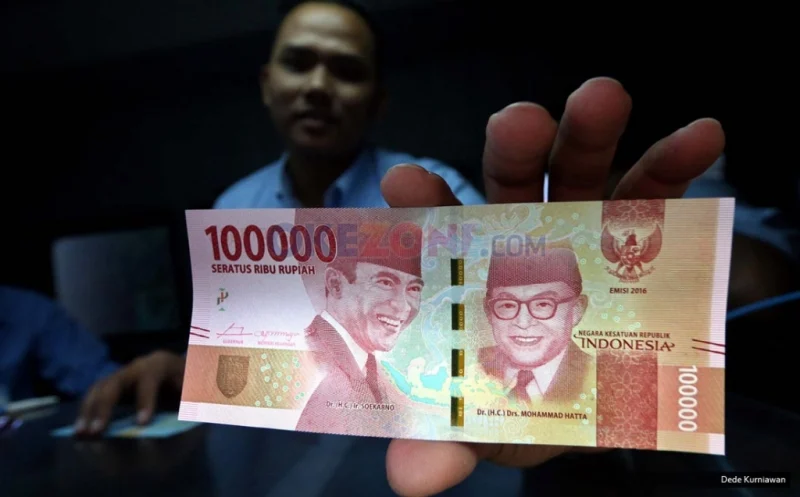
The Indonesian government is currently in the final stages of data reconciliation and verification to determine the exact eligibility criteria for a forthcoming Bantuan Langsung Tunai (BLT) program, which promises a disbursement of Rp5.4 million per eligible family. While anticipation builds across the country, officials have emphasized that the criteria remain under strict review to ensure the funds reach the most vulnerable segments of the population. As of late September 2026, the administration has refrained from announcing a definitive disbursement schedule, citing the need for rigorous data integrity checks to prevent the misallocation of state resources.
The Strategic Shift Toward Precision Welfare
The current initiative represents a significant shift in Indonesia’s social safety net strategy. Under the guidance of the National Economic Council (DEN), led by Chairman Luhut Binsar Pandjaitan, the government is moving away from broad, generalized subsidy models toward a highly targeted, data-driven distribution system. This approach aims to address historical challenges in social welfare delivery, where leakage and administrative errors have frequently undermined the efficacy of government assistance programs.
The core objective of this specific Rp5.4 million injection is to provide a comprehensive support mechanism for households that have been disproportionately affected by recent inflationary pressures and the ongoing structural transformation of the national economy. By consolidating data sets and utilizing advanced verification technology, the government intends to eliminate the "inclusion and exclusion errors" that have plagued previous aid cycles.
Chronology of Data Integration
The process of identifying beneficiaries began in early 2026, following directives to streamline the national social registry. The chronology of the program’s development can be traced through the following milestones:
- Q1 2026: Initial assessments of household consumption patterns were conducted to determine the necessity of a significant cash transfer program.
- Q2 2026: The National Economic Council began coordinating with the Ministry of Social Affairs and the Ministry of Finance to establish the fiscal framework for the Rp5.4 million disbursement.
- Q3 2026: The government initiated a massive data-cleansing exercise, aimed at merging various disparate databases into a single, unified registry.
- September 2026: Integration with the Directorate General of Population and Civil Registration (Dukcapil) database was prioritized to ensure that every beneficiary is a verified citizen with a valid National Identity Number (NIK).
The integration with Dukcapil is a critical component of this effort. By cross-referencing prospective recipients with civil registry data, the government can filter out duplicate entries, deceased individuals, or those whose socio-economic status has changed significantly since the last data update.
Technological Implementation: The Role of Face Recognition
One of the most notable features of this program is the implementation of facial recognition technology for the verification process. This move is designed to add an extra layer of security, ensuring that the individual claiming the benefit is indeed the person registered in the system.
According to Luhut Binsar Pandjaitan, the technology is not merely a tool for administration but a fundamental component of achieving social justice. "The goal is to ensure the program is targeted and fosters fairness," Luhut stated during a press briefing. He noted that the current system often suffers from a dual problem: those who are entitled to receive assistance are frequently left out, while those who are financially stable sometimes find ways to access the benefits. By leveraging biometric data, the government aims to close these loopholes, ensuring that the Rp5.4 million reaches those who genuinely qualify under the new, stricter guidelines.
Determining Eligibility: What We Know So Far
While the final list of criteria has yet to be published in an official decree, economic analysts and government insiders suggest that the eligibility requirements will likely prioritize three key metrics:

- Income Thresholds: Families earning below a specific monthly threshold, likely aligned with the current poverty line adjusted for regional cost-of-living indices.
- Household Vulnerability Index: Households with elderly members, persons with disabilities, or high numbers of dependents will likely receive higher priority.
- Socio-Economic Status (SES): The government is using a composite score based on property ownership, utility consumption (such as electricity capacity and water usage), and employment status to filter out non-qualifying applicants.
The ambiguity regarding the "who" and "when" has sparked public debate. However, the government’s insistence on a thorough verification process is viewed by many economists as a prudent measure to avoid the fiscal strain of an overly broad program. By taking the time to build a robust database, the government hopes to minimize the risk of fraud and ensure the long-term sustainability of the fiscal budget.
Economic Implications and Fiscal Context
The disbursement of a Rp5.4 million cash transfer represents a significant fiscal commitment. For many families, this amount is intended to act as a buffer, covering basic necessities such as food, education, and health-related expenses over a set period.
From a macroeconomic perspective, such a direct cash transfer is expected to stimulate domestic consumption. In the Indonesian context, where private consumption accounts for more than 50% of the Gross Domestic Product (GDP), putting liquidity directly into the hands of lower-income families often results in immediate re-circulation of funds within local economies. This can have a multiplier effect, supporting small-to-medium enterprises (SMEs) that form the backbone of the retail sector.
However, the challenge remains in the timing. Inflationary pressures in late 2026 have made the need for such assistance acute. If the disbursement is delayed too long, the real value of the Rp5.4 million could be eroded by rising prices. Conversely, premature distribution without proper verification could lead to massive administrative waste. The government’s current "slow but sure" approach is an attempt to strike a balance between these two competing risks.
Expert Perspectives and Public Reaction
Sociologists and welfare policy experts have largely welcomed the focus on data precision. Dr. Aris Wahyudi, an economist specializing in social security, noted that the use of face recognition is a "modern, albeit necessary, step" for Indonesia. "The biggest challenge in our welfare system hasn’t been the lack of budget, but the lack of accuracy in targeting," he explained. "If the government can successfully integrate the Dukcapil data with real-time biometric verification, they will set a new gold standard for social protection in the region."
However, there is also concern regarding the digital divide. Critics point out that while technology is excellent for security, it may inadvertently exclude elderly or rural populations who lack access to high-end mobile devices or stable internet connections required for digital authentication. The government will need to provide offline alternatives or mobile verification units to ensure that these vulnerable groups are not left behind in the pursuit of technological efficiency.
Looking Ahead: The Path to Disbursement
As of the latest reports, the government is continuing to work behind the scenes to finalize the software architecture for the disbursement platform. Official channels have advised the public to remain patient and to rely solely on announcements from the Ministry of Social Affairs and the National Economic Council.
Citizens are also cautioned against sharing personal data with unofficial portals or third-party applications claiming to offer "early access" to the BLT program. Fraudsters often capitalize on such moments of uncertainty by creating phishing websites to harvest sensitive information. The government has emphasized that all communication regarding the registration process will be channeled through official state websites and verified local administrative offices.
In conclusion, the Rp5.4 million BLT program is a complex, high-stakes undertaking that seeks to modernize how Indonesia delivers aid to its citizens. By prioritizing data accuracy and leveraging modern technology, the administration aims to create a more equitable system. While the uncertainty regarding the exact date of arrival persists, the underlying message from the government is clear: the focus is on quality over speed, ensuring that when the funds are finally released, they reach the people who need them most. The public, for now, must wait for the finalization of the data, which will serve as the gateway to this essential economic relief.