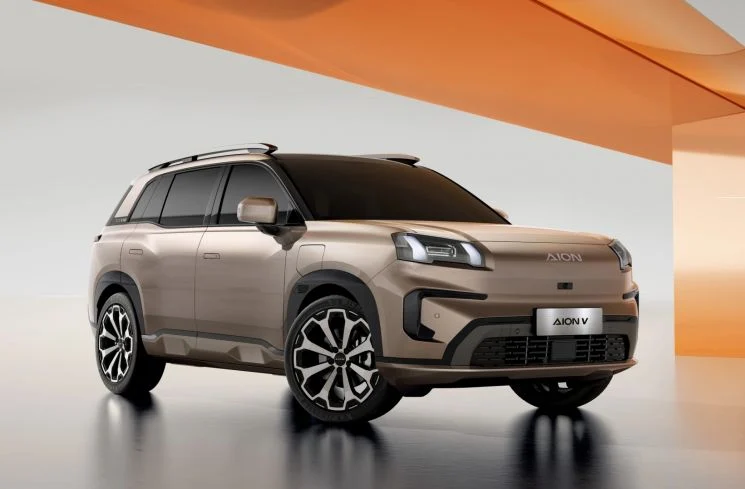
The Indonesian automotive market, particularly the burgeoning Electric Vehicle (EV) sector, witnessed a significant milestone in the first quarter of 2026. The AION V, a sophisticated C-segment electric SUV, has cemented its market presence by demonstrating resilient sales figures. According to the latest wholesale data provided by the Association of Indonesia Automotive Industries (GAIKINDO), the model successfully recorded 238 units sold in March 2026 alone. This performance underscores a shifting consumer preference in Indonesia’s urban centers, where prospective buyers are increasingly prioritizing long-term ownership value, technological integration, and the reliability of local manufacturing over imported alternatives.
The Shift Toward Domestic Manufacturing
The success of the AION V is inextricably linked to its transition toward local assembly. By adopting a Completely Knocked Down (CKD) production strategy, the manufacturer has effectively addressed the historical bottlenecks associated with imported EVs, such as long wait times for delivery and the scarcity of specialized spare parts.
Industry analysts observe that the move toward domestic production is not merely a strategy for price competitiveness; it is a tactical response to the government’s push for local content requirements (TKDN). By producing locally, AION ensures that the supply chain is localized, providing customers with faster access to servicing and a more robust ecosystem for vehicle maintenance. This localized approach serves as a critical trust-building measure, alleviating the "range anxiety" and "service anxiety" that have traditionally plagued early adopters of electric mobility in the archipelago.
Strategic Product Positioning and Technical Specifications
At the heart of the AION V’s market appeal is a robust technical architecture designed to meet the rigorous demands of Indonesian topography and infrastructure. The vehicle is powered by a 75.3 kWh Lithium Iron Phosphate (LFP) battery pack, which offers a competitive range of 602 kilometers on a single full charge. This range is particularly vital for the Indonesian market, where infrastructure development for charging stations is still in its growth phase, necessitating vehicles that can handle inter-city travel with minimal interruptions.
Beyond performance metrics, the AION V distinguishes itself through unique lifestyle-oriented features that cater to the modern consumer. One of the most notable inclusions is an integrated cabin refrigerator capable of operating in three distinct modes: freezing, cooling, and heating. While seemingly a luxury addition, this feature reflects a deep understanding of the local market, where long-distance travel and the tropical climate make in-cabin temperature control a highly valued utility for families and commuters alike.
Official Perspectives on Market Evolution
Andry Ciu, CEO of GAC Indonesia, addressed the industry during a press briefing on April 16, 2026, highlighting the evolving mindset of the Indonesian consumer. "We are witnessing a profound shift in how our customers perceive the value of an electric vehicle," Ciu stated. "For many, the transition to electric is no longer just about the initial purchase price. It is about the total cost of ownership, the ease of maintenance, and the long-term reliability of the vehicle. By investing in CKD operations, we are providing the certainty that the market demands."
Ciu further elaborated on the economic context, noting that the global volatility of energy prices has pushed consumers to seek long-term efficiency. The AION V is positioned as a solution to this volatility, offering a platform that balances high-end technological amenities—such as Advanced Driver Assistance Systems (ADAS) Level 2—with the economic benefits of electric propulsion. Features such as lane-keeping assist and adaptive cruise control bring a layer of safety and modern convenience that aligns the AION V with global standards for intelligent mobility.
Market Context and GAIKINDO Data Analysis
The 238 units sold in March 2026 represent more than just a number; they reflect a healthy trajectory for the C-SUV EV segment. When viewed against the backdrop of the broader Indonesian automotive market, which has historically been dominated by Internal Combustion Engine (ICE) vehicles, the growth of the AION V signals a transition from "niche" to "mainstream."
Historically, the entry of AION into the Indonesian market followed a series of strategic partnerships and infrastructure investments initiated in 2024 and 2025. The brand’s commitment to building a domestic assembly line was a prerequisite for gaining the confidence of the Indonesian government and consumers. As of the first quarter of 2026, the competitive landscape in the SUV segment has tightened, with several international brands vying for market share. However, the AION V’s combination of a competitive price point—starting at IDR 465 million OTR Jakarta—and its comprehensive feature set has allowed it to carve out a distinct identity.
Broader Economic and Environmental Implications
The adoption of vehicles like the AION V serves as a litmus test for the success of Indonesia’s national EV roadmap. The government’s ambition to establish Indonesia as a regional EV manufacturing hub relies heavily on the success of models that are locally produced. The AION V contributes to this goal by fostering a local talent pool, creating jobs within the manufacturing sector, and reducing the nation’s reliance on imported fuel.
Moreover, the emphasis on sustainability is becoming a key differentiator. Modern Indonesian buyers are increasingly conscious of their carbon footprint, and the AION V provides a tangible path toward reducing personal transport emissions without compromising on the comfort or range afforded by traditional SUVs. The technological suite, including the ADAS Level 2, is particularly significant in the Indonesian context, where road conditions can be unpredictable, and driver-assistance systems play a crucial role in enhancing road safety.
Future Outlook and Industry Challenges
As the brand moves into the second half of 2026, the focus will likely shift toward expanding the charging network and diversifying the service center footprint. While the current sales performance is promising, the long-term sustainability of the AION V in Indonesia will depend on two primary factors: the continuous availability of parts and the expansion of the public charging infrastructure.
The industry is also watching closely to see how competitive pricing strategies will evolve as more manufacturers localize their production lines. With a starting price of IDR 465 million, the AION V is currently well-positioned for the middle-to-upper-middle-class demographic. However, sustaining this momentum will require consistent investment in customer experience and community engagement.
In conclusion, the AION V has emerged as a significant player in the Indonesian automotive landscape. By bridging the gap between high-tech requirements and the practical need for reliable, locally supported vehicles, it has successfully captured the attention of a growing segment of the population. As the market continues to mature, the lessons learned from the AION V’s integration into the domestic manufacturing sector will likely serve as a blueprint for other manufacturers looking to make a lasting impact in the Indonesian EV market. The data from March 2026 serves as a clear indicator that when technological excellence meets local commitment, the consumer response is overwhelmingly positive, paving the way for a more electrified and efficient future on Indonesian roads.