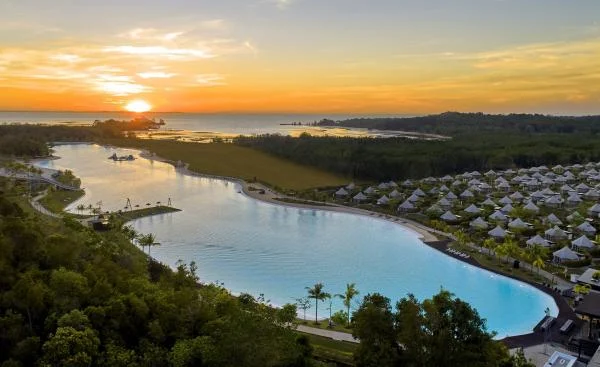
Bintan Island, the largest island in the Riau Archipelago, has solidified its position as one of Indonesia’s most strategic and captivating tourism destinations. Located just south of Singapore and east of Batam, the island serves as a vital bridge between the modern international landscape and the rich, deep-rooted heritage of the Malay world. With its pristine white-sand beaches, iconic blue lakes, expansive mangrove forests, and significant historical landmarks, Bintan offers a multifaceted experience for international travelers and domestic tourists alike.
The accessibility of Bintan is a primary driver of its tourism success. With high-frequency ferry services connecting the island to Singapore’s Tanah Merah Ferry Terminal and various points in Johor, Malaysia, the destination has become a favored getaway for expatriates and regional travelers seeking a quick escape from the urban density of neighboring metropolises.
A Historical Legacy Rooted in the Malay World
Beyond its physical beauty, Bintan holds a significant place in the historical narrative of the Malay maritime empire. The island’s prominence is inextricably linked to the trajectory of the Johor-Riau Sultanate. Following the fall of the Melaka Sultanate to Portuguese forces in 1511, the region entered a period of profound political transformation.
Sultan Mahmud Shah, the last Sultan of Melaka, sought refuge in Bintan, turning the island into a crucial center of resistance and governance for the exiled court. Historians often highlight this period as the foundational era for the subsequent formation of the Johor Sultanate. Bintan was not merely a place of exile; it was a hub of maritime commerce and cultural preservation that shaped the identity of the Riau Islands.
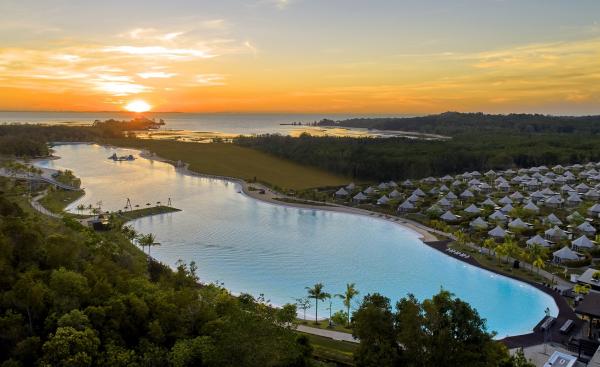
Today, this legacy is preserved through the lingering influence of Malay architecture, traditional seafaring practices, and various historical sites that dot the island. Visitors interested in history can explore remnants of the old kingdoms, which provide a stark contrast to the modern resort developments that have emerged in the northern part of the island.
The Geography of Tourism: From Beaches to Mangroves
The geography of Bintan is diverse, catering to both relaxation and adventure. The northern coast of the island has been transformed into a world-class resort corridor, featuring international-standard hotels, golf courses, and recreational facilities. However, the eastern and southern parts of the island retain a more authentic, natural character that appeals to eco-tourists.
One of the most notable landmarks is Pantai Trikora. Stretching across the eastern coast, the beach is renowned for its expansive, powdery white sand and crystal-clear turquoise waters. The scenery is punctuated by massive, weathered granite boulders, a signature geological feature of the Riau Islands. These natural formations provide a striking backdrop for photography and have become a symbol of Bintan’s raw, untouched beauty.
Inland, the island’s mangrove forests serve as a vital ecological asset. Guided tours through the Sebung River offer visitors an opportunity to witness the biodiversity of the ecosystem, including monitor lizards, various species of kingfishers, and the nocturnal spectacle of fireflies that illuminate the canopy after sunset. These eco-tourism initiatives are part of a broader government effort to promote sustainable travel, ensuring that the island’s natural resources are preserved for future generations.
Economic Impact and Tourism Development Data
The tourism sector in Bintan contributes significantly to the economy of the Riau Islands province. According to recent regional economic data, the tourism and hospitality sector accounts for approximately 30% to 40% of the island’s GDP. The development of the "Bintan Resorts" area, covering approximately 23,000 hectares, has been a flagship project intended to integrate luxury tourism with local economic development.

Data from the Bintan Tourism Office indicates that prior to global travel shifts, the island saw an average of 500,000 to 800,000 international visitor arrivals annually. The growth is supported by a robust infrastructure, including the Raja Haji Fisabilillah International Airport and multiple dedicated ferry terminals that streamline the customs and immigration process for international guests.
Local authorities and the Indonesian Ministry of Tourism have frequently emphasized the "Bintan-Batam-Tanjung Pinang" triangle as a primary growth corridor. By leveraging the proximity to Singapore, the Indonesian government has implemented various policies to encourage long-stay tourism, including simplified visa processes and the promotion of "digital nomad" hubs within the resort areas.
Institutional Responses and Strategic Vision
Government officials have consistently underscored the importance of Bintan in the national tourism strategy. In recent forums, representatives from the Riau Islands provincial government highlighted that the island is currently undergoing a "diversification phase." The goal is to move beyond mere beach tourism and focus on MICE (Meetings, Incentives, Conferences, and Exhibitions) tourism, sports tourism—such as international marathons and cycling events—and cultural heritage tours.
A statement from the local tourism board noted, "Bintan is no longer just a destination for weekend travelers from Singapore. We are positioning the island as a comprehensive hub where historical education, ecological conservation, and luxury travel converge. The historical depth of Bintan provides a unique selling point that many other regional islands lack."
Furthermore, investments in infrastructure, such as the expansion of road networks connecting the eastern beaches to the main port areas, reflect a commitment to increasing the capacity for visitor flow. These improvements are intended to distribute the economic benefits of tourism more equitably among the local villages that have historically remained outside the major resort corridors.

Challenges and Future Implications
Despite its potential, Bintan faces the inherent challenges of island sustainability. Managing the waste generated by the tourism sector, protecting the coastal reefs from climate-related degradation, and maintaining a balance between rapid development and local cultural preservation are the key priorities for the next decade.
The integration of the island into the broader maritime trade routes also presents a logistical challenge. As the Riau Islands act as a gateway to the Malacca Strait, one of the busiest shipping lanes in the world, local authorities must balance maritime industrial activities with the preservation of pristine coastal zones.
From a broader perspective, the success of Bintan’s tourism industry serves as a litmus test for Indonesia’s regional development goals. If the island can successfully harmonize its historical Malay identity with modern, high-end tourism, it could serve as a model for other Indonesian archipelagic regions.
Conclusion: A Destination of Dual Narratives
Bintan remains a destination defined by two distinct yet complementary narratives: the ancient, storied past of the Malay Sultanates and the vibrant, modern future of an international tourist haven. Whether one is wandering through the historical vestiges of the Riau court or reclining on the granite-lined shores of Trikora Beach, the island provides a unique perspective on the intersection of culture and nature.
As international travel continues to evolve in the post-pandemic era, Bintan’s focus on sustainable, experiential tourism positions it well for long-term growth. By preserving the stories of its past while innovating for the comfort of its future guests, Bintan continues to assert its relevance as one of Southeast Asia’s most essential maritime landmarks. The island is not merely a destination; it is a repository of history and a canvas for future exploration, waiting for those who seek to understand the deeper currents of the Riau Archipelago.