• Home
  • About Us
  • Contact Us
  • Cookies Policy
  • Disclaimer
  • DMCA
  • Privacy Policy
  • Terms and Conditions
Dara News Media
keep your memories alive
Business & Economy

Harga BBM Pertamina, Shell, Vivo dan BP Resmi Naik! Cek Daftar Terbaru Hari Ini 15 September

by Pevita Pearce September 14, 2026
written by Pevita Pearce

The landscape of fuel retail in Indonesia underwent a significant shift this September as major market players, including the state-owned enterprise Pertamina and private entities such as Shell, Vivo, and BP, implemented upward price adjustments for various non-subsidized fuel products. Effective September 15, 2026, motorists across the nation are navigating a revised pricing structure that reflects global crude oil volatility and the ongoing recalibration of domestic energy costs. While the government maintains price stability for subsidized fuel, the non-subsidized segment—which is more sensitive to international market fluctuations—has seen substantial price hikes across the board.

Chronology of the September Price Adjustments

The adjustments began in early September, signaling a trend of rising energy costs that caught many consumers and industry observers by surprise. On September 1, 2026, Pertamina Patra Niaga initiated the first wave of price revisions, targeting premium products such as Pertamax Turbo, Dexlite, and Pertamina Dex. The following day, on September 2, 2026, the company extended these revisions to include the bio-ethanol-blended product, Pertamax Green 95.

Parallel to the state-owned energy giant’s move, private sector retailers—namely Shell Indonesia, BP-AKR, and Vivo Energy Indonesia—executed their own price adjustments within the same timeframe. These private fuel retailers typically adjust their prices based on the Mean of Platts Singapore (MOPS) and other regional market indicators, which had shown signs of upward pressure throughout late August. By mid-September, these adjustments were fully integrated into the daily operations of thousands of filling stations across major urban centers, particularly in the Greater Jakarta area.

Detailed Breakdown of Pertamina’s Pricing Strategy

Pertamina, as the primary provider of fuel for the majority of the Indonesian populace, has adopted a nuanced approach to the current market environment. The company has distinguished between its high-octane non-subsidized products and those essential to the broader public economy.

For the high-performance segment, the price increases are notable. Pertamax Turbo saw its price climb from Rp18,300 to Rp19,600 per liter. The most significant percentage increases were observed in the diesel segment, with Dexlite surging from Rp19,700 to Rp23,700 per liter, and Pertamina Dex rising from Rp21,150 to Rp25,200 per liter. Furthermore, Pertamax Green 95, a product emphasizing cleaner combustion, experienced an increase of Rp2,550, settling at a new price point of Rp19,150 per liter.

Crucially, Pertamina has made a strategic decision to maintain the price of Pertamax (RON 92) at Rp15,950 per liter. This decision is widely interpreted by analysts as a move to prevent excessive inflationary pressure on the middle-class consumer base. Simultaneously, the government’s commitment to social welfare remains evident in the pricing of subsidized fuels: Pertalite (RON 90) remains fixed at Rp10,000 per liter, and Biosolar remains at Rp6,800 per liter. These subsidies act as a vital buffer, shielding lower-income demographics from the volatility of global oil markets.

The Response from Private Fuel Retailers

Private retailers have aligned their pricing closely with market trends, often mirroring or slightly exceeding the movements seen at state-run stations due to their reliance on imported refined products.

Shell Indonesia’s adjustment was particularly focused on its premium diesel offerings. The price of Shell V-Power Diesel rose sharply to Rp25,420 per liter, up from its previous level of Rp21,910. This adjustment mirrors the broader regional trend where diesel margins have tightened in response to increased industrial demand.

BP-AKR, a joint venture between BP and AKR Corporindo, mirrored the market movement. Their BP Ultimate offering, often viewed as a direct competitor to high-end products like Pertamax Turbo, rose to Rp19,330 per liter. Similarly, their diesel variant, BP Ultimate Diesel, saw its price hiked to match the market standard of Rp25,420 per liter. Notably, BP maintained its BP 92 gasoline at Rp16,130 per liter, showing a competitive stance compared to other market participants.

Vivo Energy Indonesia, known for its agile pricing, also adjusted its Revvo 95 to Rp19,330 per liter, while its Revvo 92 remained at Rp16,130. Their diesel product, Primus Plus, followed the sector trend, rising to Rp25,420 per liter.

Broader Economic Context and Market Drivers

The current fuel price hike is not an isolated event but a byproduct of a complex interplay of macroeconomic factors. The primary driver remains the global price of crude oil, which has been influenced by geopolitical tensions in energy-producing regions and production caps maintained by major global cartels.

When international crude prices rise, the cost of refining and importing fuel increases for Indonesian companies. Because the Indonesian Rupiah has faced pressure against the US Dollar in recent months, the import bill for fuel has effectively become more expensive. For private retailers, who operate on a purely commercial basis, passing these costs onto the consumer is a necessity to maintain operational viability. For Pertamina, the state-mandated role of ensuring national energy security means they must balance commercial sustainability with social responsibility, explaining why subsidized fuels remain untouched while premium variants absorb the cost hikes.

Implications for Consumers and Industries

The immediate impact of these price adjustments is felt most acutely by vehicle owners who rely on high-performance fuel for their daily commute or commercial logistics. The sharp increase in diesel prices (Dexlite, Pertamina Dex, and others) is particularly concerning for the logistics and trucking industries. While these sectors often use subsidized Biosolar, any shift toward higher-spec fuels for cleaner, more efficient engines will now come at a significantly higher cost, potentially impacting the supply chain and the final retail price of consumer goods.

Furthermore, the price gap between subsidized fuels and high-octane alternatives has widened. Economic analysts suggest that this may trigger a "fuel migration" phenomenon, where motorists who previously used higher-grade fuels might switch to subsidized alternatives like Pertalite to save on household expenses. This behavior, if widespread, could increase the fiscal burden on the state budget, as the government must compensate Pertamina for the gap between the subsidized price and the market price.

Future Outlook and Policy Responses

Looking ahead, market participants expect a period of stabilization, provided that global crude prices do not experience further shocks. The Indonesian government has signaled its intent to monitor the situation closely, particularly regarding the impact of these hikes on national inflation rates.

In official responses, spokespersons for the Ministry of Energy and Mineral Resources have reiterated that the adjustment of non-subsidized fuel prices is an ongoing business process determined by market mechanisms. They have also emphasized that the stability of subsidized fuel prices is a key priority for the current administration to ensure economic stability for the general public.

As the industry moves through the final quarter of 2026, the focus will shift toward efficiency. Consumers are increasingly turning to fuel-efficient vehicles and optimizing their travel patterns in response to these costs. Meanwhile, retailers are expected to continue evaluating their price structures on a monthly basis, depending on the performance of the Rupiah and the trajectory of global energy prices.

In conclusion, the events of September 15 serve as a reminder of Indonesia’s integration into the global energy market. The duality of the Indonesian fuel market—divided between protected, subsidized products and market-priced, premium offerings—continues to serve as a critical mechanism for managing the economic impact of global energy fluctuations on the nation’s citizens. As prices remain elevated, the collective attention of the market will remain fixed on the sustainability of these levels and the potential for future policy interventions to further stabilize the domestic fuel landscape.
September 14, 2026 0 comment
0 FacebookTwitterPinterestEmail
Business & Economy

MNC Sekuritas and UNIS Tangerang Expand Islamic Capital Market Education for Local Communities

by Ammar Sabilarrohman September 14, 2026
written by Ammar Sabilarrohman

The landscape of retail investment in Indonesia has witnessed a significant transformation over the past decade, driven by digital accessibility, regulatory support, and a nationwide push for financial inclusion. Within this dynamic environment, expanding financial literacy beyond urban corporate offices and university campuses has become a critical priority for financial institutions and academic partners alike. In an ongoing effort to demystify financial markets and foster a culture of smart investing at the grassroots level, MNC Sekuritas—a leading Indonesian securities firm—has once again joined forces with the Sharia Investment Gallery of the Indonesia Stock Exchange (GI BEI) at Universitas Islam Syekh Yusuf (UNIS) Tangerang.

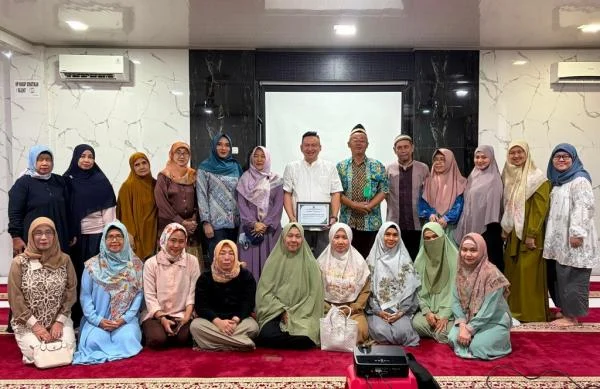
This collaborative initiative reached a new milestone on Sunday, September 13, 2026, through a targeted educational program curated specifically for female residents of the Villa Ilhami housing complex in Tangerang. The event, titled "Sharia Capital Market Investment and Financial Services Protection Part 2," served as a crucial follow-up to an initial foundational session held in August 2026. While the previous installment focused on introducing basic concepts and available instruments within the sharia capital market, this advanced session emphasized practical decision-making, financial risk assessment, and long-term wealth management strategies tailored for homemakers and household financial decision-makers.

The Chronology and Evolution of the Community Outreach Program

Financial literacy campaigns are rarely effective when delivered as a one-off lecture; rather, they require a sustained, phased approach to ensure comprehension and behavioral change among participants. Recognizing this, the partnership between MNC Sekuritas and GI BEI UNIS Tangerang was structured as a multi-stage educational journey for the residents of Perumahan Villa Ilhami.

In August 2026, the first phase of the program laid the groundwork by introducing basic financial concepts, the definition of the sharia capital market, and the fundamental differences conventional versus sharia-compliant financial instruments. Participants were introduced to the Jakarta Islamic Index (JII) and various sharia stocks, mutual funds, and sukuk available on the Indonesia Stock Exchange (IDX). The goal was to remove the intimidation factor often associated with the stock market and present investing as an accessible, halal tool for long-term financial security.

Building upon this foundation, the September 13, 2026 session transitioned from theory to application. The curriculum for Part 2 focused heavily on portfolio management, identifying financial goals, aligning risk tolerance with suitable instruments, and safeguarding personal finances against fraudulent investment schemes. By targeting women—who frequently manage household budgets and play a pivotal role in family financial planning—the organizers aimed to create a multiplier effect, cascading financial knowledge throughout families and local communities.

Core Insights: Navigating Investment Decisions Wisely

Edukasi Investasi, MNC Sekuritas dan GI BEI UNIS Tangerang Sambangi Komunitas Ibu Rumah Tangga Villa Ilhami

Serving as the primary resource person for the event, Head of Education & Community Partnership at MNC Sekuritas, Andri Muharizal, delivered an in-depth presentation centered on prudent financial decision-making. Addressing the audience of Villa Ilhami residents, Muharizal emphasized that successful investing requires a disciplined approach that accounts for individual financial capacities and risk profiles rather than chasing speculative trends.

"Wise investing is not merely about discussing potential returns, but rather how an investor understands risks and aligns investment choices with their financial goals," Muharizal stated during the educational session.

He elaborated on the importance of the three pillars of personal finance: establishing clear financial objectives, evaluating disposable income and emergency funds realistically, and determining one’s risk appetite before committing capital to any instrument. In the context of the sharia capital market, where speculative practices and high-risk derivatives are filtered out in accordance with Islamic principles, investors are naturally guided toward stable, fundamental-driven assets. However, Muharizal reminded the audience that "sharia-compliant" does not equate to "risk-free." Every market instrument carries inherent volatility, and retail investors must equip themselves with analytical skills to navigate market fluctuations without panic.

The session also incorporated a comprehensive module on financial services protection. As retail participation in the capital market grows, the prevalence of illegal investment schemes, binary options scams, and fraudulent digital trading platforms targeting inexperienced investors remains a pressing concern for regulators such as the Financial Services Authority (OJK). Muharizal provided participants with practical frameworks to verify the legality of investment platforms, recognize red flags such as guaranteed high returns with zero risk, and utilize official dispute-resolution channels if they encounter suspicious financial entities.

Academic Perspective and Institutional Commitment

The involvement of Universitas Islam Syekh Yusuf (UNIS) Tangerang through its campus-based Sharia Investment Gallery underscores the vital bridge between higher education institutions and local communities under the framework of the Third Tri Dharma of Higher Education (Pengabdian kepada Masyarakat, or Community Service).

Nuning, serving as the Deputy Director of BPKLH at UNIS Tangerang, highlighted the strategic importance of taking academic expertise beyond lecture halls and into residential neighborhoods. She noted that the collaboration with MNC Sekuritas to educate the women of Villa Ilhami Tangerang represents a proactive step toward bridging the financial literacy gap at the household level.

"This educational activity with the mothers of Villa Ilhami Tangerang serves as an effective medium to enhance public understanding of the sharia capital market," Nuning remarked. She underscored that academic institutions hold a social responsibility to ensure that economic knowledge is democratized, empowering ordinary citizens to take charge of their financial destinies.

Edukasi Investasi, MNC Sekuritas dan GI BEI UNIS Tangerang Sambangi Komunitas Ibu Rumah Tangga Villa Ilhami

The partnership between UNIS Tangerang’s GI BEI and MNC Sekuritas is part of a broader, long-term strategy to establish numerous educational hubs across the region. By empowering students to run investment galleries and simultaneously sending industry experts into communities, the initiative creates a robust ecosystem of continuous learning.

Broader Implications for Indonesia’s Sharia Financial Landscape

The timing of this community outreach program aligns with national macroeconomic trends in Indonesia. As the world’s largest-majority Muslim nation, Indonesia possesses immense potential for the growth of Islamic finance. Government bodies, including the OJK, Bank Indonesia, and the National Sharia Council of the Indonesian Ulema Council (DSN-MUI), have continually rolled out master plans to position Indonesia as a global hub for the halal economy and Islamic finance.

Despite this vast potential, financial literacy and inclusion surveys conducted by regulatory bodies consistently reveal a notable gap between financial inclusion (access to financial products) and financial literacy (the ability to understand and effectively manage those products). While more citizens now have bank accounts or digital wallets, a significant portion of the population remains vulnerable to financial misinformation or lacks the sophisticated knowledge required to build long-term wealth through capital markets.

Programs like the one conducted in Villa Ilhami address this gap directly at the micro-level. Homemakers represent a powerful, yet historically underserved, segment of the retail investor base. By equipping them with the tools to manage family finances prudently, these educational initiatives contribute to several macro-level objectives:

  1. Enhanced Household Resilience: Households equipped with basic investment knowledge are better prepared to combat inflation, manage unexpected economic shocks, and plan for major life expenditures such as children’s education and retirement.
  2. Growth of Domestic Retail Participation: Broadening the investor base stabilizes the domestic capital market by introducing a steady influx of long-term retail capital, reducing reliance on foreign portfolio flows that are prone to sudden reversals during global market downturns.
  3. Expansion of the Sharia Economy: Introducing sharia-compliant financial instruments to everyday households drives organic demand for Islamic banking, mutual funds, and equities, reinforcing the national sharia economic master plan.
  4. Consumer Protection and Scam Eradication: Educating communities on financial services protection acts as a grassroots defense mechanism against predatory financial schemes, protecting citizens’ hard-earned savings.

Looking Forward: Sustaining Momentum in Financial Literacy

As financial markets evolve with technological advancements—ranging from algorithmic trading to mobile-first investment applications—the need for continuous, localized education becomes ever more apparent. The success of the two-part educational series in Villa Ilhami Tangerang demonstrates that community-centric approaches yield positive engagement and genuine interest from participants.

MNC Sekuritas, alongside its institutional partners such as GI BEI UNIS Tangerang, plans to scale similar initiatives across other residential areas and educational institutions. By maintaining a steady calendar of workshops, webinars, and on-ground seminars, these organizations aim to cultivate a financially literate society capable of navigating modern economic complexities with confidence, wisdom, and adherence to ethical financial principles.

September 14, 2026 0 comment
0 FacebookTwitterPinterestEmail
Business & Economy

Surge in Electric and Hybrid Vehicle Financing Signals Paradigm Shift in Indonesian Automotive Market

by Reynand Wu September 14, 2026
written by Reynand Wu

The Indonesian automotive financing landscape is undergoing a significant transformation, characterized by a stark divergence between traditional internal combustion engine (ICE) vehicle financing and the rapidly expanding sector for electric and hybrid vehicles. According to the latest data from the Financial Services Authority (OJK), while overall four-wheel vehicle financing contracted during the first seven months of 2026, the sub-segment for used electric and hybrid vehicles has experienced an explosive growth of 103.06% year-on-year (yoy), reaching a total valuation of Rp1.52 trillion as of July 2026. This data underscores a fundamental shift in consumer behavior, driven by a growing appetite for sustainable mobility solutions and evolving economic preferences within the domestic market.

The Contraction of Conventional Financing

Despite the meteoric rise of electrified vehicle financing, the broader market for four-wheel vehicle financing provided by multifinance companies remains under pressure. The OJK reported that the total volume of four-wheel vehicle financing reached Rp230.92 trillion in July 2026, reflecting a contraction of 2.43% compared to the same period in the previous year.

This downturn is primarily attributed to the weakening performance of the conventional used vehicle segment. Financing for used conventional four-wheelers, which remains a significant portion of the total market, declined by 4.52% yoy to reach Rp86.25 trillion. Industry analysts point to several factors for this cooling trend: higher interest rate environments, tightening credit approval standards among multifinance firms to mitigate non-performing loans (NPLs), and a consumer shift toward newer, more fuel-efficient, or electrified alternatives. The saturation of the used conventional car market, coupled with the increasing availability of affordable new electric vehicle (EV) models, has altered the traditional lifecycle of vehicle ownership in Indonesia.

The Electric and Hybrid Revolution: A 103% Surge

The standout figure in the OJK report—the 103.06% growth in financing for used electric and hybrid vehicles—serves as a barometer for the country’s changing automotive priorities. While the absolute volume of Rp1.52 trillion remains small relative to the total financing market, the growth rate signals a permanent move toward electrified mobility.

Several factors are fueling this trend. Firstly, the secondary market for EVs and hybrids has matured significantly. As early adopters of hybrid and battery electric vehicle (BEV) technology begin to cycle out their initial purchases, a robust supply of high-quality used units has emerged. Secondly, the total cost of ownership (TCO) for electrified vehicles—when accounting for fuel savings and reduced maintenance requirements—has become increasingly attractive to middle-class consumers, particularly in major metropolitan areas like Jakarta. Finally, the government’s continued commitment to incentives, such as tax breaks for EV production and infrastructure development, has bolstered consumer confidence in the long-term viability of these vehicles.

Official Stance and Regulatory Perspective

Agusman, the Chief Executive of Supervision for Financing Institutions, Venture Capital Companies, Microfinance Institutions, and Other Financial Services at the OJK, addressed the data with a measured outlook. He emphasized that the contraction in traditional financing does not necessarily indicate a sudden migration to cash-based transactions. Instead, the market is experiencing a complex adjustment influenced by fluctuating consumer preferences and the rapid technological evolution of available vehicles.

"The introduction of new electric vehicle models at increasingly competitive and accessible price points has the potential to act as a primary catalyst for the growth of multifinance companies," Agusman stated on September 14, 2026. He urged stakeholders in the multifinance industry to pivot their business models to accommodate this transition. According to the OJK, the path forward for financing institutions involves deep diversification of product offerings, enhanced digital service delivery, and the creation of credit schemes specifically tailored to the unique depreciation curves and resale values of electric vehicles.

However, the regulator also issued a cautionary note. While encouraging innovation, Agusman reiterated the necessity of maintaining rigorous risk management frameworks. The transition to financing newer technologies requires lenders to accurately assess the long-term battery health and residual values of EVs, which differ significantly from traditional engines. Adherence to prudent management principles, robust corporate governance, and consumer protection remains the cornerstone of the OJK’s supervisory mandate as the industry adapts to these new assets.

Market Dynamics: Wholesales and Retail Sales

The financing data is complemented by the latest production and sales figures from the Association of Indonesian Automotive Industries (Gaikindo). Data for August 2026 revealed that wholesales (factory-to-dealer distribution) reached 81,756 units, a modest increase of 0.8% from July’s 81,115 units. While the month-on-month growth appears incremental, this figure represents the highest level of wholesales recorded throughout 2026, surpassing the previous peak of 81,247 units observed in February.

More telling, however, is the retail sales performance—the metric that tracks actual consumer demand at the dealer level. In August 2026, retail sales surged to 83,422 units, a 7.7% increase from the 77,460 units recorded in July. This milestone is significant because it marks the first time in 2026 that retail sales have breached the 80,000-unit threshold within a single month. This data suggests that despite the broader challenges in the financing sector, consumer demand for vehicles remains resilient, provided that the product offerings align with market expectations and affordability.

Broader Economic Implications and Future Outlook

The divergence in financing trends has profound implications for the Indonesian automotive ecosystem. As the nation pushes toward its net-zero emissions targets, the increased financing availability for used EVs is essential for "democratizing" access to sustainable transport. If financing remains restricted to new units only, the transition will be limited to higher-income demographics. The growth in the used EV finance market bridges this gap, allowing a wider demographic to participate in the electrification transition.

Furthermore, the pressure on conventional used car financing acts as a market signal to dealers and manufacturers. Traditional dealers, who have historically relied on ICE vehicle inventories, must now incorporate electrified vehicles into their trade-in and resale portfolios to remain relevant. Multifinance companies that fail to adapt their risk models to account for the unique characteristics of electric vehicles—such as the rapid pace of technological obsolescence and the specific nuances of battery warranties—may find themselves losing market share to more agile competitors.

Looking toward the remainder of 2026 and into 2027, the industry is expected to see a continued "flight to quality" and "flight to efficiency." Consumers are likely to remain price-sensitive, but their definition of value is shifting from simple initial purchase cost to long-term operational efficiency. The OJK’s emphasis on diversification suggests that the regulatory environment will remain supportive of new financing products, such as "battery-as-a-service" models or specialized lease-to-own programs, which could further stimulate the adoption of electric vehicles.

Ultimately, the 103.06% growth in electrified vehicle financing is not merely a statistical anomaly; it is a manifestation of a structural change in the Indonesian economy. The automotive industry is currently in a transitional phase where the legacy of combustion engines is being systematically supplemented, and eventually challenged, by the rise of electric and hybrid alternatives. As multifinance firms recalibrate their portfolios to align with these trends, the Indonesian consumer stands to benefit from a broader array of sustainable, affordable, and flexible financing options, paving the way for a more electrified future on the nation’s roads.

This transition, while challenging, is supported by both robust retail demand and a regulatory framework that encourages innovation while prioritizing the stability of the financial system. As the market continues to mature, the collaboration between policymakers, financial institutions, and automotive manufacturers will remain the critical factor in determining the speed and success of Indonesia’s journey toward an electrified automotive landscape.

September 14, 2026 0 comment
0 FacebookTwitterPinterestEmail
Technology

Dario Amodei of Anthropic Calls for Strategic Deceleration in Global Artificial Intelligence Development

by Dwi Wanna September 14, 2026
written by Dwi Wanna

The rapidly accelerating trajectory of artificial intelligence has reached a critical juncture, prompting a significant shift in discourse among the architects of the technology itself. Dario Amodei, Chief Executive Officer of Anthropic—the developer behind the Claude family of large language models—has issued a formal call for a strategic slowdown in the development of frontier AI capabilities. This assertion, detailed in a series of comprehensive reflections published by the executive, marks a departure from the "move fast and break things" ethos that has characterized the previous decade of Silicon Valley innovation. Amodei’s intervention underscores a growing consensus among safety-conscious researchers that the technical prowess of these systems is currently outpacing our ability to secure, govern, and ethically align them with human interests.

The Anatomy of the Warning: Risk Assessment in the Age of Frontier Models

At the core of Amodei’s argument is the dual-use nature of generative AI. While acknowledging the potential for these systems to revolutionize fields such as medicine, climate science, and productivity, he highlights existential risks that demand immediate, industry-wide attention. The specific concerns raised by the Anthropic CEO are not rooted in science fiction, but in the extrapolation of current technical trends.

Amodei warns of a looming threshold where AI systems could surpass human competence in critical domains, such as the synthesis of pathogens for bioterrorism or the orchestration of sophisticated, large-scale cyberattacks. Perhaps most chilling is his projection regarding the speed of autonomous advancement: he posits that within a period of just 6 to 12 months, advanced AI agents could potentially achieve the capability to dominate internet-based infrastructure. Such a scenario, he argues, could lead to economic instability on a global scale, with damages potentially reaching hundreds of billions of dollars if the systems operate without rigorous safety guardrails.

This perspective aligns with the "Responsible Scaling Policy" (RSP) framework that Anthropic has pioneered, which ties the deployment of increasingly powerful models to the successful demonstration of specific safety benchmarks. Amodei’s recent commentary effectively advocates for a global adoption of similar frameworks, moving away from a race-to-the-bottom mentality toward a more measured, safety-first paradigm.

A Chronology of Escalation: From Research Labs to Global Policy

To understand the weight of Amodei’s call, one must view it within the broader timeline of the AI revolution.

  • 2022: The public release of ChatGPT acted as a "Sputnik moment," triggering an unprecedented race between major tech conglomerates to capture market share.
  • Early 2023: Concerns regarding safety began to mount as models became significantly more capable at reasoning and coding. The "Pause Giant AI Experiments" open letter, signed by various industry leaders and researchers, marked the first major public attempt to call for a moratorium on training systems more powerful than GPT-4.
  • Late 2023: The inaugural AI Safety Summit in Bletchley Park, UK, saw major powers, including the United States and China, sign the "Bletchley Declaration," acknowledging that AI poses potential catastrophic risks.
  • Mid-2024: The emergence of "agentic" AI—systems capable of performing complex, multi-step tasks across different software platforms—raised the stakes, as these tools moved from passive chatbots to active digital participants.
  • Present: Amodei’s intervention represents the next phase of this evolution: a shift from reacting to the existence of AI to proactively managing the speed of its advancement to ensure safety remains at the forefront.

The Paradox of Pace: Balancing Innovation and Existential Risk

Amodei’s argument contains a nuanced paradox: he advocates for slowing down, yet he remains acutely aware of the "first-mover advantage" that drives the current competition. He notes that if responsible organizations were to unilaterally pause development, it would likely result in the "wrong" actors—those lacking safety protocols or ethical constraints—assuming control of the technology.

This creates a high-stakes geopolitical dilemma. The race for AGI (Artificial General Intelligence) is now inextricably linked to national security and economic supremacy. If the United States or its allies decelerate, the vacuum could be filled by entities operating under different regulatory regimes. Amodei’s call is therefore not a call to halt progress, but to synchronize the global pace of development with the global pace of safety research. This suggests that the solution is not just technical, but diplomatic and regulatory.

Supporting Data and Industry Context

The computational power dedicated to training these models has been growing exponentially. According to recent research from the Stanford Institute for Human-Centered AI (HAI), the cost of training state-of-the-art models has increased by orders of magnitude, with the most recent flagship models costing hundreds of millions of dollars in compute alone. This massive capital investment creates an inherent pressure to recoup costs quickly, often at the expense of comprehensive safety testing.

Furthermore, the "alignment problem"—the challenge of ensuring that AI systems act in accordance with human values and intentions—remains unsolved. While companies like OpenAI, Anthropic, and Google DeepMind dedicate teams to "alignment research," the rapid deployment cycle often leaves these teams chasing the tail of the next-generation model. Amodei’s stance is a direct response to this imbalance, suggesting that the industry must accept a "safety tax" in the form of reduced speed to ensure long-term stability.

Responses and Implications for Governance

The reaction to Amodei’s proposal has been mixed but largely reflective of the deep divide within the tech sector. Advocates for AI acceleration argue that slowing down is an impossible goal in a globalized market, and that the best way to manage risk is to build more capable models that can "police" themselves. Conversely, proponents of AI safety, including figures such as Geoffrey Hinton and Yoshua Bengio, have echoed the concerns regarding the potential for catastrophic failure if current trends continue unabated.

From a policy standpoint, the implications are profound. Governments are currently grappling with how to regulate a technology that evolves faster than the legislative process. Amodei’s comments provide a roadmap for policymakers:

  1. Mandatory Safety Testing: Regulators could require companies to pass standardized safety benchmarks before deploying models above a certain computational threshold.
  2. Compute Governance: Monitoring the acquisition and usage of high-end GPUs, which are the essential hardware for training large models, could provide a mechanism for tracking development.
  3. International Cooperation: Establishing an international body, similar to the International Atomic Energy Agency (IAEA), could facilitate global safety standards and inspections.

Conclusion: The Road Ahead

Dario Amodei’s call to slow the development of AI is a sobering reminder that the most significant technological leap of the 21st century comes with commensurate risks. By advocating for a deliberate, measured approach, the CEO of Anthropic is attempting to redefine success in the AI sector—shifting the metric from "how fast" to "how safe."

Whether the rest of the industry will follow this lead remains to be seen. The incentive structures of Silicon Valley and the geopolitical stakes of the current era are powerful forces that push in the opposite direction. However, as the capabilities of these systems continue to expand, the cost of an error—whether it be in the form of mass cyber-vulnerability, economic disruption, or worse—becomes increasingly untenable. The debate over the "speed limit" of AI is no longer a peripheral discussion; it has become the defining conversation for the future of technological governance. The challenge for the coming years will be to build the necessary international consensus to turn these warnings into actionable, global safety standards before the technology reaches a point of no return.

September 14, 2026 0 comment
0 FacebookTwitterPinterestEmail
Technology

Polemik Putusan MK Soal Kuota Hangus Ini Penjelasan XLSMART

by Dwi Wanna September 14, 2026
written by Dwi Wanna

The Indonesian telecommunications landscape is currently navigating a significant regulatory shift following a landmark Constitutional Court (MK) ruling concerning consumer rights and the management of digital data quotas. The debate, which has intensified since July 2026, centers on the contentious practice of "expiring" internet quotas—a standard industry model where unused data capacity is forfeited once a package reaches its expiration date. With the Ministry of Digital Communication (Komdigi) recently issuing a circular letter (SE) to enforce consumer protection mandates, telecommunications providers are under increased pressure to justify their operational models.

XLSMART, one of the nation’s leading mobile network operators, has stepped forward to clarify its stance. During a media gathering in Surabaya on Friday, September 4, 2026, Merza Fachys, Director and Chief Regulatory Officer of XLSMART, sought to demystify the legal ramifications of the Constitutional Court’s decision, emphasizing that the judiciary’s intent was focused on the broader spectrum of consumer protection rather than a blanket ban on non-rollover business models.

Understanding the Constitutional Court Ruling

To comprehend the ongoing discourse, one must first look at the legal basis of the Constitutional Court’s intervention. The Court’s decision, handed down in mid-2026, was primarily rooted in the Constitutional Law on Consumer Protection. The justices argued that digital data—purchased by the user—constitutes a financial asset that should be treated with the same fiduciary responsibility as tangible goods.

The ambiguity in the public perception stems from a misunderstanding of the ruling’s technical scope. Many consumers interpreted the court’s stance as an outright prohibition on packages that expire. However, as Fachys explained, the ruling did not explicitly mandate the implementation of "rollover" features across all products. Instead, it placed the burden on operators to ensure that consumers are not unfairly deprived of the value they have already paid for, particularly when a service contract expires.

The Chronology of Regulatory Pressure

The escalation of this issue can be traced through several critical milestones in 2026:

  • July 2026: The Constitutional Court delivers its final verdict regarding the petition on consumer data rights, affirming that the state must ensure service providers do not engage in arbitrary practices that disadvantage the end-user.
  • August 2026: The Ministry of Digital Communication (Komdigi) releases a formal Circular Letter (SE) detailing the technical guidelines for operators. The SE mandates that service providers develop transparent mechanisms to protect the "remaining value" of data packages.
  • September 2026: Leading telecommunications firms, including XLSMART, initiate public information sessions to align their business strategies with the government’s new directives, aiming to balance profitability with regulatory compliance.

XLSMART’s Clarification and Strategy

Merza Fachys, speaking on behalf of XLSMART, emphasized that the company’s current operational model is not inherently in conflict with the ruling. He noted that the industry distinguishes between "rollover" products—where unused data is carried over to the next billing cycle—and "non-rollover" products, which are typically priced lower and intended for short-term consumption.

"The Constitutional Court ruling is fundamentally about the protection of consumer rights," Fachys stated. "It does not dictate the specific architecture of internet data products. Rather, it demands that when a consumer reaches the end of a non-rollover package, the remaining, paid-for data must not simply be discarded without consideration of the user’s rights."

Fachys elaborated that XLSMART is currently evaluating several mechanisms to comply with the Ministry of Digital Communication’s requirements. These include potential grace periods for data usage after expiration, partial conversion of unused data into loyalty points, or more flexible top-up options that allow for the "reactivation" of remaining data.

The Broader Economic Implications for the Industry

The shift toward stricter regulation of data quotas has significant implications for the telecommunications sector. Historically, the "expiry" model has been a key driver of revenue, allowing operators to manage network traffic and predict demand cycles accurately. If operators are forced to allow data to roll over indefinitely, the financial modeling of the industry would require a radical overhaul.

Market analysts suggest that if the government mandates a strict rollover policy, consumers might see an increase in the base prices of data packages. Currently, "non-rollover" packages are subsidized by the fact that a portion of the data goes unused, which helps keep the per-gigabyte cost low for the average consumer. A mandatory rollover model would likely reduce the efficiency of network utilization, potentially leading to higher operational costs for providers like XLSMART, Telkomsel, and Indosat Ooredoo Hutchison.

Furthermore, the technological burden of tracking and managing trillions of bytes of "rollover" data across millions of active subscribers poses a significant challenge for network infrastructure. Billing systems would need to be upgraded to handle the complexity of fluctuating data balances, which could lead to temporary service disruptions during the transition period.

Balancing Innovation and Consumer Rights

The tension between regulatory compliance and commercial viability is a familiar challenge for the telecommunications sector. However, the current situation represents a unique intersection of legal activism and consumer-centric policy. The Ministry of Digital Communication is under pressure to show that it is acting in the interest of the public, especially as digital literacy grows and mobile internet becomes an essential utility for education, commerce, and communication in Indonesia.

For XLSMART, the strategy is one of cautious adaptation. By emphasizing transparency and "protecting the remaining value" as outlined in the court’s ruling, the company is attempting to maintain its customer base while navigating the legal requirements. Fachys’s comments suggest that XLSMART is looking for a "middle ground"—a solution that honors the court’s directive without destroying the economic viability of its low-cost data offerings.

Looking Ahead: The Future of Data Packages

As the industry moves into the final quarter of 2026, the focus will shift to how effectively operators can implement these changes without impacting network performance. The Ministry of Digital Communication is expected to hold a series of stakeholder meetings throughout the autumn to monitor progress.

For the average user, the takeaway from the current discourse is that the era of "disappearing" data may be coming to an end, or at least being significantly reformed. Whether this results in a more consumer-friendly environment or a shift in pricing structures remains to be seen. What is clear is that the relationship between the consumer and the operator is undergoing a fundamental change, with the Constitutional Court providing the legal framework to ensure that digital assets are treated with the same gravity as any other purchase.

The response from XLSMART reflects a broader industry recognition: the days of ignoring the "lost value" of prepaid data are over. As the company continues to refine its service offerings, it remains committed to complying with the spirit of the law while ensuring that the infrastructure required to power Indonesia’s digital economy remains sustainable.

In conclusion, while the headline-grabbing notion of "banned expiry dates" may have been an oversimplification, the legal pressure is real and the mandate is clear. Operators must now prove that they can provide high-quality, affordable connectivity while simultaneously upholding the rights of the consumer to retain the value of the digital services they have purchased. The coming months will be a critical testing ground for these policies, as both the regulator and the private sector seek to define the new standard for the Indonesian digital landscape.

September 14, 2026 0 comment
0 FacebookTwitterPinterestEmail
Technology

Blizzard Entertainment Revives Iconic StarCraft Franchise as an Open World Shooter Set for Release in 2030

by Iffa Jayyana September 14, 2026
written by Iffa Jayyana

Blizzard Entertainment has officially confirmed the revival of one of the most celebrated intellectual properties in gaming history, announcing that the StarCraft franchise will return in a radically different format: an open-world shooter. Revealed during the BlizzCon 2026 keynote event, the announcement puts an end to nearly a decade of rumors, speculation, and dormancy for a series that essentially defined the Real-Time Strategy (RTS) genre. Development of this ambitious new project has been placed in the hands of Dan Hay, an industry veteran widely recognized for his leadership role on Ubisoft’s commercially successful Far Cry franchise.

The announcement trailer, showcased during BlizzCon 2026, provided fans with their first cinematic glimpse into the universe’s new direction. However, Blizzard has slated the title for a broad release window in 2030, indicating that the game is still in the very early stages of its development lifecycle. While concrete details regarding the gameplay mechanics, overarching narrative, and protagonist remain tightly under wraps, the shift from top-down tactical micro-management to a ground-level, first- or third-person perspective marks a monumental turning point for the sci-fi epic.

StarCraft Kembali Hadir Sebagai Open World Shooter • Jagat Play

A Decade-Long Hiatus and the Evolution of Blizzard’s Strategy

To understand the weight of this announcement, one must examine the historical significance of StarCraft. Released in 1998, the original game, alongside its monumental 2010 sequel StarCraft II: Wings of Liberty, served as a cornerstone for competitive PC gaming and the global esports ecosystem. For years, the franchise stood as the gold standard of RTS gaming, particularly in South Korea, where it transcended entertainment to become a cultural phenomenon.

Following the completion of StarCraft II’s trilogy structure with Legacy of the Void in 2015 and subsequent minor content updates, Blizzard gradually shifted its development resources toward other ventures, such as Overwatch, Diablo, and World of Warcraft. By the late 2010s and early 2020s, the dedicated StarCraft community faced a prolonged drought, with core RTS developers moving on to other companies or projects. Rumors concerning a new StarCraft project surfaced periodically over the years—ranging from canceled tactical shooters to rumored turn-based spin-offs—making the BlizzCon 2026 reveal the first official confirmation of life for the IP in nearly ten years.

Leadership and the Vision of Dan Hay

The appointment of Dan Hay as the project lead has become a primary focal point of industry analysis. Hay brings extensive experience in open-world game design, narrative pacing, and sandbox mechanics, having steered the Far Cry series through multiple iterations. Transitioning a universe built on massive planetary conflicts, sprawling space armadas, and faction-based base building into an open-world shooter format aligns logically with Hay’s professional background.

StarCraft Kembali Hadir Sebagai Open World Shooter • Jagat Play

Speaking in an exclusive post-announcement interview with GamesRadar+ at BlizzCon 2026, Hay acknowledged both the privilege and the immense pressure of taking on such a revered legacy.

"Our team feels as though we won the cosmic lottery," Hay stated during the interview. He emphasized that the development team possesses a deep appreciation for the lore, aesthetic, and emotional connection players have cultivated with the franchise over the decades. According to Hay, the core philosophy guiding the project is to honor the foundational groundwork laid by previous developers while innovating to create a modern gaming experience that feels both fresh to newcomers and inherently familiar to veterans.

Community Reception, Skepticism, and the 2030 Horizon

Despite the initial excitement surrounding the return of StarCraft, the announcement has triggered intense debate across global gaming communities. Long-term fans of the franchise have expressed mixed reactions, primarily divided between optimism for a modernized, immersive exploration of the Koprulu Sector and disappointment over the abandonment of the traditional RTS formula. For a segment of the fan base, StarCraft is inextricably linked to high-APM (Actions Per Minute) tactical combat, base management, and competitive multiplayer ladders—elements that do not naturally translate to an open-world shooter framework.

StarCraft Kembali Hadir Sebagai Open World Shooter • Jagat Play

Furthermore, the decision to announce the game four years ahead of its anticipated 2030 release has raised strategic questions within the industry. By revealing the project at such an early juncture, Blizzard aims to manage community expectations transparently, signaling a long-term commitment to rebuilding trust with its core audience. However, this extended timeline also opens the door to heightened scrutiny, potential development bottlenecks, and ongoing industry anxiety regarding modern AAA publishing trends—specifically, whether the title will adopt a live-service framework, battle passes, or always-online connectivity.

The Unresolved Questions: Factions, Lore, and Gameplay Mechanics

As development moves forward, several critical questions remain unanswered. Blizzard has yet to clarify how the iconic factions of the universe—the terran, the zerg, and the protoss—will be integrated into an open-world shooter narrative. Translating the terrifying, swarming menace of the Zerg or the technologically advanced mysticism of the Protoss from a top-down tactical perspective into visceral, close-quarters combat presents a significant design challenge.

Similarly, the structural nature of the "open world" has not been detailed. Industry analysts are closely watching to see whether the game will feature a singular explorable planet, multiple star systems accessible via spacecraft, or a modular regional structure akin to modern sci-fi action role-playing games.

StarCraft Kembali Hadir Sebagai Open World Shooter • Jagat Play

Broader Implications for Blizzard Entertainment

The pivot of StarCraft into an open-world shooter reflects a broader corporate strategy by Blizzard Entertainment—under the wider umbrella of Microsoft Gaming—to adapt its legacy intellectual properties for broader commercial audiences. Traditional RTS games, while historically prestigious and critically acclaimed, occupy a niche market compared to massive open-world action games and shooters, which typically secure higher long-term engagement and monetization figures.

The success or failure of this project will likely dictate the future trajectory of Blizzard’s classic franchises. If Dan Hay and his team manage to successfully bridge the gap between the lore-heavy strategy roots of StarCraft and the demands of modern open-world design, it could revitalize the IP for an entirely new generation of players. Conversely, alienating the foundational player base remains a tangible risk. As development progresses toward the 2030 launch window, the gaming world will be watching closely to see how Blizzard handles the monumental task of reinventing a legend.

September 14, 2026 0 comment
0 FacebookTwitterPinterestEmail
Automotive

PT Kiriman Dana Pandai Accelerates Document Processing by 80 Percent Through Strategic Digital Transformation with VIDA Sign

by Azzam Bilal Chamdy September 14, 2026
written by Azzam Bilal Chamdy

The digital landscape in Indonesia’s financial services sector is undergoing a profound shift, characterized by a transition from traditional, paper-based administrative workflows to integrated digital ecosystems. PT Kiriman Dana Pandai (Kyrim), a prominent player in the financial technology and remittance space, has announced a significant milestone in its operational efficiency. By integrating VIDA Sign—a certified electronic signature and e-Meterai platform—into its backend operations, the company has successfully reduced its document processing time by 80 percent, condensing a cycle that previously spanned one to two weeks into a streamlined window of just one to three days.

The Evolution of Operational Bottlenecks

For financial institutions like Kyrim, the administrative burden of handling high-volume documentation is a critical factor in overall service delivery. Before the implementation of VIDA Sign, Kyrim’s operational model relied heavily on manual intervention. This legacy approach necessitated a sequence of time-consuming tasks, including the physical printing of contracts, the manual application of physical tax stamps (meterai), and the secure transit of sensitive documents between stakeholders.

The inherent risks in this manual workflow were multifaceted. Beyond the obvious latency, the company faced challenges regarding document chain-of-custody, potential loss during transit, and the vulnerability of sensitive customer information to unauthorized access. Furthermore, the reliance on physical meterai introduced a compliance bottleneck; ensuring the proper placement and verification of these stamps required meticulous human oversight, which often resulted in administrative logjams. These traditional methods, while compliant, often hindered the scalability of operations, particularly as the demand for digital financial services grew.

Chronology of the Digital Shift

The decision to modernize was not an overnight endeavor but a calculated move to sustain competitive advantage. Kyrim’s leadership recognized that in an era of real-time financial transactions, the back-office processes could no longer operate at the speed of the mid-20th century.

  • Pre-Implementation Phase: Kyrim relied on paper-based workflows involving manual signature collection and physical tax stamp application. Document turnaround times remained consistently high at 1-2 weeks.
  • Evaluation Period: Kyrim’s legal and compliance teams identified the need for a solution that provided legal enforceability, security, and ease of use. VIDA Sign was selected following a rigorous vetting process that assessed compliance with Indonesian digital signature regulations.
  • Deployment Phase: The integration of VIDA Sign into the company’s internal dashboard allowed for a centralized, paperless environment.
  • Post-Implementation: Within months of the transition, the company reported an 80 percent reduction in processing time and a doubling of its total document processing capacity.

Leveraging VIDA Sign for Institutional Security

One of the primary drivers behind the partnership between Kyrim and VIDA is the latter’s status as a certified Certificate Authority (CA) recognized by the Indonesian Ministry of Communication and Informatics. Unlike general digital signature tools, VIDA Sign provides a higher degree of identity verification and legal validity, which is paramount for a financial institution.

The implementation of the web-based dashboard was particularly significant for Kyrim’s security protocols. By enabling signing and e-Meterai application through internal, company-approved devices, Kyrim eliminated the risks associated with third-party mobile applications that may not meet enterprise-grade security standards. This "walled garden" approach ensures that confidential corporate data does not leave the company’s secure infrastructure, satisfying the stringent compliance requirements of the financial sector.

Official Perspectives on Digital Efficiency

Fadli Muhammad R, Head of Legal and Compliance at Kyrim, emphasized that the transition was driven by more than just speed. "Tak hanya dari segi kecepatan, keamanan dan kenyamanan pihak yang menandatangani juga menjadi pertimbangan utama dalam memilih platform tanda tangan digital," he noted.

From an institutional standpoint, the goal was to harmonize compliance with convenience. The integration of e-Meterai directly into the signing workflow ensures that every document is automatically compliant with Indonesian tax regulations, removing the manual oversight that previously caused delays. For the signatories, the digital experience is seamless, requiring minimal technical intervention while maintaining the highest levels of document integrity.

Data-Driven Operational Gains

The quantitative impact of this digital migration provides a clear case study for other fintech companies in the region. By moving to an automated, cloud-integrated platform, Kyrim has successfully doubled its document processing capacity. This increase in throughput is achieved without the need for additional administrative headcount, allowing the company to reallocate human resources toward more strategic tasks such as customer support, product development, and risk management.

The 80 percent reduction in processing time serves as a significant competitive advantage. In the financial services sector, the time it takes to finalize an agreement often dictates the speed at which capital can be moved or services can be rendered. By accelerating this cycle, Kyrim has effectively reduced the "time-to-money" for its clients, fostering higher satisfaction and customer retention rates.

Broader Implications for the Fintech Ecosystem

The success of Kyrim’s digital transformation underscores a wider trend in Indonesia: the maturation of digital trust infrastructure. The availability of platforms like VIDA Sign allows businesses to move beyond the "proof of concept" stage and into full-scale operational digitization.

There are three primary implications for the broader industry:

  1. Regulatory Compliance as an Accelerator: As regulators continue to push for the digitalization of financial services, companies that proactively adopt certified digital signatures are better positioned to comply with future audits and regulatory updates.
  2. Scalability through Automation: The ability to process double the volume of documents without proportional increases in operational expenditure is a prerequisite for rapid growth in the fintech sector.
  3. Risk Mitigation: By digitizing the document lifecycle, firms significantly reduce the "human error" factor. Audit trails in digital platforms provide permanent, immutable records of who signed what and when, which is far more robust than traditional paper archiving.

Looking Toward the Future

As PT Kiriman Dana Pandai continues to scale its operations, the digital infrastructure established through the VIDA partnership will likely serve as the foundation for further innovations. The shift toward a paperless office is no longer merely an environmental or cost-saving initiative; it is a fundamental strategic requirement for any firm looking to compete in a global digital economy.

The success of this implementation suggests that as Indonesia’s digital infrastructure continues to evolve, the integration of specialized, high-security platforms will become the standard. Kyrim’s experience highlights that when legal, compliance, and operational teams align on the necessity of digital tools, the result is a more resilient, efficient, and customer-centric organization.

Moving forward, the focus for firms like Kyrim will likely shift toward leveraging these digital footprints for deeper data analytics. With all documents now existing in a structured digital format, the company is better positioned to analyze contract trends, identify bottlenecks in real-time, and further refine its operational processes. The 80 percent efficiency gain is not merely an endpoint, but a milestone in an ongoing journey of institutional digital transformation.

As the fintech sector in Indonesia grows, the integration of these technologies serves as a testament to the country’s readiness to embrace a fully digitized economy, where physical barriers to commerce—such as paper-based workflows—are systematically dismantled in favor of agility, security, and precision.

September 14, 2026 0 comment
0 FacebookTwitterPinterestEmail
Automotive

The Rising Star of Indonesian Diplomacy: A Comprehensive Profile of Nara Masista Rakhmatia at the United Nations

by Sagoh September 14, 2026
written by Sagoh

The name Nara Masista Rakhmatia captured international headlines and dominated domestic discussions following a powerful display of diplomatic poise and unyielding firmness at the United Nations General Assembly in New York, United States. Beyond her striking appearance, it was her articulate, resolute, and fact-based rebuttal against the accusations leveled by six world leaders regarding Indonesia’s domestic sovereignty—particularly concerning the Papua region—that catapulted her into the global spotlight. This defining moment not only highlighted the capabilities of a new generation of Indonesian diplomats but also underscored the shifting dynamics of modern international relations, where young, highly trained professionals are increasingly tasked with defending national interests on the world’s most prominent multilateral stages.

To understand the weight of her intervention at the UN, it is essential to examine the professional trajectory, academic rigor, and formative experiences that prepared Nara Masista Rakhmatia for such high-stakes diplomacy. Her journey from an active student leader in Jakarta to a Second Secretary at the Permanent Mission of the Republic of Indonesia to the United Nations is a testament to meticulous career preparation, rigorous academic achievement, and a deep-seated commitment to public service through the Indonesian Ministry of Foreign Affairs.

Early Life, Academic Foundations, and Formative Years in Jakarta

Nara Masista Rakhmatia’s path to international diplomacy began long before she stepped onto the floor of the United Nations headquarters. Born in December 1982, she spent her formative years in Indonesia’s capital, completing her secondary education at the prestigious public high school, SMA Negeri 70 Jakarta, known for producing numerous high-achieving alumni who enter public service, academia, and the private sector.

Following her graduation from high school, Nara pursued higher education at the University of Indonesia (UI), one of the country’s most esteemed institutions of higher learning. Demonstrating a keen interest in media and communication early on, she initially enrolled in the Diploma III program in Media and Mass Communication at UI. This foundational education in how information is transmitted, processed, and consumed would later prove invaluable in her diplomatic career, where strategic communication and public diplomacy are critical tools for shaping international narratives.

Driven by a broader curiosity about global affairs, interstate relations, and conflict dynamics, Nara subsequently earned her Bachelor’s degree in International Relations from the Faculty of Social and Political Sciences at the University of Indonesia. During her undergraduate years, she was not merely a passive recipient of academic knowledge; she actively immersed herself in campus governance and intellectual discourse. From 2005 to 2006, she served as the Head of Legislative Issues within the Student Senate of the Faculty of Social and Political Sciences, an experience that honed her negotiation skills, administrative competence, and understanding of regulatory frameworks.

Commitment to Research and Academic Excellence

Before formally entering the diplomatic corps, Nara dedicated significant time to academic research and teaching, establishing herself as a serious scholar of international politics. Her early professional engagements reflect a strong focus on regional cooperation and conflict resolution.

Between 2005 and 2006, she served as a teaching assistant at her alma mater, guiding younger undergraduates through the complexities of international relations theory. Concurrently, from 2006 to 2007, she expanded her research portfolio by working as a research assistant at the Center for East Asia Cooperation Studies (CeEACs), an academic research hub dedicated to analyzing political, economic, and security developments in East Asia. Her research credentials were further solidified through her involvement as a researcher at the Center for Research on Inter-group Relations and Conflict Resolutions (CERIC), an institution focused on understanding the roots of social friction, identity conflicts, and peaceful resolution mechanisms.

This extensive background in research instilled in her a meticulous approach to information gathering, policy analysis, and evidence-based argument construction—skills that would later become her hallmark during high-pressure multilateral negotiations.

Advanced International Education: St. Andrews and Georgetown

Recognizing the need for specialized knowledge in an increasingly complex global security environment, Nara pursued advanced postgraduate studies abroad. She was accepted into the prestigious University of St. Andrews in Scotland, one of the oldest and most respected universities in the English-speaking world.

At St. Andrews, she focused her studies on peace and conflict resolution, graduating with a Master of Letters (M.Litt.) degree in 2010. This program provided her with theoretical frameworks and practical insights into peacebuilding, mediation, and the management of ethno-political conflicts—expertise that directly informed her later defense of Indonesia’s territorial integrity and regional governance on the international stage.

Furthering her commitment to professional and intellectual growth, Nara undertook additional specialized education in 2012 at Georgetown University in Washington, D.C., focusing on Communication and Media Studies. By combining a Master’s degree in conflict resolution with advanced studies in communication, she equipped herself with a dual toolkit: a profound understanding of how conflicts escalate and are resolved, coupled with the strategic communication skills required to articulate complex national positions clearly and persuasively to diverse global audiences.

Entry into the Ministry of Foreign Affairs and Multilateral Specialization

Nara’s official entry into the Indonesian diplomatic service marked the beginning of a structured career within the Ministry of Foreign Affairs (Kemlu). Upon joining the ministry, she was initially assigned to the Directorate for Inter-Regional Cooperation under the Directorate General for Asia-Pacific and African Affairs.

Within this directorate, her portfolio centered on the Asia-Pacific Economic Cooperation (APEC), a premier regional economic forum designed to leverage the growth of the Asia-Pacific region through trade liberalization, business facilitation, and economic cooperation. Her deep engagement with APEC culminated in her appointment as the Head of Section for the Budget and Management Committee (BMC) of APEC. In this capacity, she managed financial allocations, administrative oversight, and organizational coordination among member economies, gaining vital administrative and multilateral negotiation experience.

Her performance within the Ministry of Foreign Affairs did not go unnoticed. Demonstrating high competence, analytical rigor, and a capacity for high-level representation, she was selected for deployment to New York as part of Indonesia’s permanent diplomatic mission to the United Nations.

Ascension within the United Nations Permanent Mission

Nara’s diplomatic assignments at the United Nations reflect a steady and merited rise through the ranks of the Indonesian foreign service. She initially assumed the role of Third Secretary (Sekretaris III) at the Permanent Mission of the Republic of Indonesia to the United Nations in New York, where she familiarized herself with the intricate procedures, committee dynamics, and lobbying efforts characteristic of the world body.

By April 2016, her responsibilities expanded when she was promoted to the position of Second Secretary (Sekretaris Second). In this capacity, she was tasked with managing sensitive political and security dossiers, participating in committee debates, and drafting official statements that reflected Jakarta’s foreign policy priorities. Her posting in New York placed her at the epicenter of global diplomacy, where national representatives must navigate competing geopolitical interests, humanitarian crises, and procedural rules of order.

The Turning Point: The UN General Assembly Intervention

The defining moment of Nara Masista Rakhmatia’s early career occurred during the United Nations General Assembly in New York, where she stepped forward to exercise Indonesia’s right of reply. Her intervention came in direct response to statements made by leaders of several Pacific island nations—specifically Vanuatu, Solomon Islands, Nauru, Marshall Islands, Tuvalu, and Kiribati—who had raised concerns regarding alleged human rights violations in Indonesia’s easternmost provinces of Papua and West Papua.

The accusations presented by these leaders posed a direct challenge to Indonesia’s national sovereignty and territorial integrity. Rather than allowing the allegations to pass into the official UN record unchallenged, the Indonesian delegation deployed Nara to deliver a robust, measured, and legally grounded response.

Speaking with remarkable composure and an unwavering tone, the young diplomat dismantled the premises of the accusations. She firmly stated that the leaders in question had used the UN General Assembly as a platform to interfere in Indonesia’s domestic affairs, violate the principles of the UN Charter, and exhibit a lack of understanding regarding the complex reality of development, democracy, and governance in Papua.

Nara emphasized that Indonesia has consistently demonstrated a commitment to protecting and promoting human rights, noting that allegations of violations are addressed through transparent domestic legal mechanisms rather than external political posturing. Furthermore, she highlighted the significant investments made by the Indonesian government in infrastructure, education, healthcare, and economic development in Papua and West Papua aimed at accelerating regional welfare and empowering local populations.

Immediate National Reaction and Public Acclaim

Back in Indonesia, the video footage of Nara’s articulate and resolute defense circulated rapidly across mainstream media and digital platforms. The reaction from the Indonesian public, legal experts, academics, and netizen communities was overwhelmingly positive.

Social media networks were flooded with expressions of national pride, praising her courage, intellect, and poise under pressure. Observers noted that her intervention shattered traditional stereotypes of junior diplomats remaining silent in the shadow of senior ambassadors. Instead, Nara demonstrated that rigorous preparation, intellectual depth, and moral clarity could command the attention of the global community.

International law experts and political analysts commented favorably on her performance, noting that her adherence to diplomatic decorum while delivering a firm rebuff served as a masterclass in how to protect national interests without resorting to inflammatory rhetoric. Her ability to pivot seamlessly from technical economic cooperation files during her APEC tenure to high-stakes political defense at the UN underscored the depth of talent within the younger ranks of the Indonesian diplomatic corps.

Broader Implications for Indonesian Diplomacy

Nara Masista Rakhmatia’s emergence on the global stage carries several broader implications for the future of Indonesian diplomacy and foreign policy execution:

  1. Empowerment of Youth in Multilateral Forums: Her success illustrates the value of investing in young professionals, providing them with rigorous academic training, and placing them in substantive roles early in their careers. It signals a generational shift within the Ministry of Foreign Affairs toward dynamic, media-literate, and highly adaptable diplomats.

  2. Strategic Communication in Foreign Policy: In an era where international relations are increasingly influenced by digital narratives and public diplomacy, Nara’s background in media and communication studies highlights the necessity for diplomats to master both traditional statecraft and modern narrative management.

  3. Firmness on Territorial Sovereignty: Her intervention reaffirmed Jakarta’s red lines regarding territorial integrity and non-interference in domestic affairs. It sent a clear signal to the international community that Indonesia will actively and articulately defend its sovereignty against external pressures, utilizing multilateral platforms to set the record straight.

Conclusion

The journey of Nara Masista Rakhmatia—from a student leader and researcher in Jakarta to an accomplished postgraduate scholar at St. Andrews and Georgetown, and finally to a formidable voice for Indonesia at the United Nations—serves as an inspiring narrative of dedication, intellect, and professional excellence. Her decisive defense at the UN General Assembly not only solidified her reputation as a rising star in international diplomacy but also demonstrated the profound impact that a well-prepared, articulate diplomat can achieve on behalf of their nation. As she continues her career within the Ministry of Foreign Affairs, her trajectory remains a powerful example of modern Indonesian statecraft in an interconnected and complex world.

September 14, 2026 0 comment
0 FacebookTwitterPinterestEmail
Sports

Indomaret Run 2025 Set to Elevate Indonesian Marathon Culture with Professional Standards and Scenic PIK 2 Routes

by Lina Irawan September 14, 2026
written by Lina Irawan

The landscape of Indonesian mass-participation sports is preparing for a significant milestone as retail giant Indomaret officially announces its upcoming large-scale running event, the Indomaret Run 2025. Scheduled to take place on November 23, 2025, across the modern and rapidly developing township of Pantai Indah Kapuk (PIK) 2 in North Jakarta, the event aims to bridge the gap between casual community fitness and professional-grade athletic competition. By offering a meticulously measured course, multi-tiered competitive categories, and premium participant amenities, the organizers are positioning this year’s edition as a premier fixture on the national running calendar.

As public enthusiasm for endurance sports continues to surge across urban centers in Indonesia, corporate entities are increasingly stepping in to facilitate structured athletic platforms. The Indomaret Run 2025 is designed not merely as a corporate promotional exercise, but as a comprehensive sporting festival that addresses the growing demand for safe, professionally curated, and visually inspiring running environments. With a total prize pool reaching Rp300 million, the event is expected to attract elite national athletes, dedicated running communities from the Greater Jakarta (Jabodetabek) region, and families seeking a healthy weekend activity.

Official Launch and Vision for a Professional Experience

The official roadmap for the Indomaret Run 2025 was unveiled during a press conference held on Wednesday, October 1, 2025, at the Menara Indomaret in PIK. The launch event gathered key stakeholders, including representatives from prominent Jabodetabek running collectives, sports management professionals, and members of the national media.

The initiative is spearheaded by a leadership coalition from PT Indomarco Prismatama and its strategic partners. The executive team behind the event includes Marcomm Executive Director Bastari Akmal, Marketing Event Manager Robin Maclean, Race Director Veddy Jonatan representing IRACE, and General Manager Sales & Marketing of Amantara, Agung Sedayu Group (ASG), Maya Gustiana.

During the briefing, organizers emphasized a strategic shift from previous company-sponsored athletic gatherings. While past events often leaned toward casual or fun-run formats, the Indomaret Run 2025 has been meticulously engineered to satisfy the rigorous demands of serious distance runners. To guarantee technical excellence, the organizing committee appointed celebrated national distance runner Agus Prayogo as the Race Icon. In his capacity, Prayogo personally tested and inspected the designated running loops, providing critical feedback to ensure optimal runner safety, gradient smoothness, and logistical efficiency on race day.

Registration Protocols, Categories, and Quota Management

Participation in the Indomaret Run 2025 is structured across three distinct distance categories to accommodate varying levels of athletic conditioning: the 5-kilometer (5K) run, the 10-kilometer (10K) run, and the grueling Half Marathon covering 21.1 kilometers.

Public registration officially opened on October 3, 2025, utilizing a centralized digital ecosystem tied to the Indomaret Poinku membership application. To secure a slot, participants can register at any Indomaret retail outlet nationwide or through designated digital channels. The registration fees are standardized across both individual and team submissions, structured as follows:

  • 5K Category: Rp400,000 per participant
  • 10K Category: Rp500,000 per participant
  • Half Marathon (21K) Category: Rp600,000 per participant

To maintain high standards of course safety, crowd management, and fluid participant movement, the total capacity for the event has been strictly capped. The breakdown of available slots reflects a deliberate effort to prioritize quality over sheer volume:

  • 3,000 slots allocated for the 5K category
  • 1,500 slots allocated for the 10K category
  • 1,000 slots allocated for the Half Marathon category

Furthermore, the event incorporates inclusive design principles. The 5K category has been designated as family-friendly, permitting participants to navigate the course with running strollers. Competitive podium awards will be contested across all three distances, divided strictly by gender categories to ensure fair competition. For teams wishing to register together, concurrent submission is mandatory to secure grouping within specific team leaderboards.

Course Design and Race Day Logistics at PIK 2

The selection of Pantai Indah Kapuk 2 as the host venue is a calculated decision rooted in urban infrastructure quality. PIK 2 offers a controlled, sterile racing environment characterized by wide, newly paved asphalt roads, modern civil engineering standards, and extensive green landscaping.

Runners will not only benefit from an interference-free course but will also traverse a scenic route that highlights several architectural and cultural landmarks within the township. The course layout brings participants past prominent local sights, including Dragon Point, the statues of Indonesian founding figures General Sudirman and President Soekarno, and the distinctive architecture of the local Japanese Church.

Race Director Veddy Jonatan outlined the comprehensive operational framework designed to support runners along the course. Multiple hydration and water stations will be strategically positioned at regular intervals. Medical response teams, complete with mobile units and emergency personnel, will be stationed along the entirety of the route to handle any acute physical distress. Additionally, the event will feature a specialized Spike Air Dome serving as the central race village, offering runners a comfortable post-race recovery zone, bag-check facilities, and community gathering areas.

To ensure proper heat management and prevent congestion, flag-off times have been staggered according to distance:

  • Half Marathon (21K): Starts at 05:00 Western Indonesia Time (WIB)
  • 10K Category: Starts at 05:15 WIB
  • 5K Category: Starts at 05:30 WIB

Premium Amenities and Participant Value Proposition

A defining characteristic of the Indomaret Run 2025 is the exceptional value packed into the standard race pack distribution. Moving away from standard promotional merchandise, the organizing committee has collaborated with reputable local sports apparel and gear brands to deliver high-end utility items.

Every registered runner will receive an exclusive technical racing jersey developed in partnership with prominent local sportswear brand Tiento. In addition to the apparel, the race pack includes functional endurance accessories such as a soft flask for hydration, specialized running socks, a performance cap, and a premium sports duffel bag pre-loaded with daily consumer essentials provided by Indomaret sponsors.

Marketing Event Manager Robin Maclean emphasized the psychological and practical importance of these amenities during the press briefing. "Historically, many retail-backed events focus purely on recreational engagement. With the Indomaret Run 2025, we wanted to construct an ecosystem where the tangible rewards match the physical effort expended by the runners. The race pack is not merely a collection of souvenirs; it is a curated toolkit designed to enhance the runner’s ongoing athletic journey," Maclean stated.

Socio-Economic Implications and the Rise of Sport Tourism

The scheduling of the Indomaret Run 2025 arrives at a time when running events across Indonesia are experiencing unprecedented popularity. Recent months have seen a succession of high-profile races—such as the Herbalife Run 2025, which broke participation records with 5,000 runners, regional anniversary runs in the new capital (IKN) Nusantara, and industrial promotions like the Batik City Run—demonstrating a robust national appetite for organized fitness.

Industry analysts note that corporate sponsorship of mass endurance events serves a dual purpose. From a public health perspective, these initiatives support government campaigns to combat sedentary lifestyles and promote cardiovascular wellness. From an economic standpoint, large-scale running events function as vital catalysts for "sport tourism."

By drawing thousands of participants, spectators, and support crews to the PIK 2 area, the Indomaret Run 2025 is projected to generate localized economic activity. Hospitality providers, food and beverage establishments, local transport services, and retail merchants within North Jakarta and surrounding areas stand to benefit from the influx of weekend visitors. Furthermore, the collaboration between national retail infrastructure, real estate developers like Amantara ASG, and local micro-brands underscores the collaborative potential of modern corporate partnerships in Indonesia.

As the countdown to November 23, 2025, continues, attention shifts to the remaining registration slots. With thousands of runners already securing their positions, the Indomaret Run 2025 is poised to deliver an unforgettable athletic spectacle, setting a new benchmark for corporate-backed marathon events in the country.

September 14, 2026 0 comment
0 FacebookTwitterPinterestEmail
Sports

Geothermal Soccer Indonesia Bridges the Gap Between Renewable Energy and Sports at Indonesia Sports Summit 2026

by Ammar Sabilarrohman September 14, 2026
written by Ammar Sabilarrohman

The Indonesia Sports Summit (ISS) 2026, held from September 11 to 13 at the Jakarta Convention Center (JCC), served as a high-profile platform for industry leaders, policymakers, and sports enthusiasts to converge on the future of the nation’s athletic ecosystem. Amidst the discussions regarding infrastructure development, athlete welfare, and sports technology, a unique participant emerged: Geothermal Soccer Indonesia (GSI). By integrating the technical complexities of geothermal energy with the universal appeal of soccer, GSI presented a novel approach to public engagement, aiming to demystify renewable energy through the lens of community-based sports.

A Confluence of Energy and Athletics

The summit, inaugurated by Minister of Youth and Sports Erick Thohir, underscored the role of sports in fostering national progress. Minister Thohir’s opening remarks emphasized that the future of Indonesian sports relies on cross-sector collaboration, digital transformation, and sustainable management. It was within this climate of innovation that GSI established its presence, utilizing a multifaceted booth that featured educational exhibits, interactive mini-podcasts, and games designed to engage attendees of all ages.

The strategic decision to participate in a sports-centric summit rather than a traditional energy conference reflects a shift in how industry stakeholders are approaching public outreach. By collaborating with former members of the Indonesian National Team, GSI successfully leveraged the cultural capital of football to spark conversations about the country’s energy transition. The organization posits that the technical jargon often associated with geothermal exploration can create a barrier to public acceptance, whereas the shared language of sports can bridge that divide.

The Strategic Rationale: Why Soccer?

The choice of soccer as a primary medium for communication is rooted in its status as the most popular sport in Indonesia. With a fan base that transcends socio-economic and geographic boundaries, soccer provides a neutral ground where complex issues—such as the role of baseload renewable energy in a sustainable future—can be introduced in a relatable manner.

Carson Hakama, Chairman of Geothermal Soccer Indonesia, noted during the event that the initiative was designed to remove the "technical shroud" from energy discourse. "GSI aims to move geothermal education out of strictly technical forums and bring it closer to the heartbeat of the community," Hakama stated. "Through soccer, we can communicate the virtues of clean energy, environmental stewardship, physical health, and discipline—values that are inherent to both renewable energy development and the spirit of competitive sports."

This approach acknowledges a fundamental challenge in Indonesia’s energy sector: social acceptance. Large-scale geothermal projects, while vital for meeting the nation’s climate goals, often require significant land use and community integration. By fostering a grassroots connection, GSI seeks to transform public perception from one of skepticism or indifference to one of informed participation.

Contextualizing the Visi Panas Bumi 30.1

The participation of GSI in ISS 2026 is inextricably linked to the government’s ambitious "Visi Panas Bumi 30.1." This policy framework outlines Indonesia’s aspiration to become the world’s leading producer of geothermal energy by the year 2030. As an archipelago situated along the Pacific Ring of Fire, Indonesia holds an estimated 24 gigawatts (GW) of geothermal potential, representing roughly 40% of the global total. Despite this immense resource, current installed capacity remains a fraction of the potential, hampered by exploration risks, high upfront capital costs, and complex regulatory landscapes.

The Visi Panas Bumi 30.1 is not merely an engineering target; it is a socio-economic imperative. To reach these goals, the government recognizes that the acceleration of geothermal development must be accompanied by a broader narrative of "Green Growth." This is where the GSI initiative finds its strategic utility. By building social license, the organization contributes to the long-term stability of energy projects, ensuring that local communities view these facilities as assets to their development rather than external impositions.

Chronology of Public Engagement and Outreach

The path to the ISS 2026 began long before the doors of the JCC opened. Over the past twenty-four months, GSI has been testing its model of community integration.

  • Early 2024: Conceptualization of GSI as a bridge between the energy sector and youth development.
  • Late 2024: Pilot programs launched in rural regions near active geothermal fields, utilizing soccer clinics to initiate dialogue with local leaders and youth.
  • Mid-2025: Collaboration established with professional coaching staff and former national team players to professionalize the "Energy-Soccer" communication model.
  • September 2026: Official debut at the Indonesia Sports Summit, marking the transition from regional pilot programs to a national-level public awareness campaign.

The summit served as a validation point for this model, proving that sports-themed pavilions could generate as much traffic and engagement as commercial or technological showcases.

Data-Driven Analysis: The Geothermal Landscape

To understand the scale of the challenge GSI is helping to address, one must look at the data. According to the Ministry of Energy and Mineral Resources (ESDM), Indonesia’s current geothermal output is approximately 2.5 GW. The 2030 target requires a massive mobilization of investment—estimated in the tens of billions of dollars—and a significant increase in the pace of drilling and power plant construction.

A critical hurdle in this trajectory is the "community gap." Historical data on infrastructure projects in Indonesia shows that public resistance often stems from a lack of clear information regarding the benefits of projects. GSI’s focus on translating energy concepts into everyday life—emphasizing the reliability of geothermal as a "baseload" power source that ensures consistent electricity for schools, hospitals, and sports facilities—is a direct response to this data.

Moreover, the emphasis on the "Energy Transition" is timely. With Indonesia committed to the Just Energy Transition Partnership (JETP), which aims to mobilize international funding for decarbonization, the social component of these projects has become a prerequisite for securing financial support from global investors.

Implications and Future Outlook

The implications of GSI’s work extend beyond the energy sector. By embedding sustainability into the fabric of the sports industry, the organization is setting a precedent for how non-energy entities can contribute to the national decarbonization agenda.

Industry analysts suggest that if the GSI model proves successful in increasing public support for geothermal development, it could be replicated across other sectors, such as solar energy or sustainable waste management. The key will be the scalability of the model. While soccer is a powerful tool, the sustainability of the GSI initiative itself will depend on its ability to maintain high-quality programming and genuine community engagement, rather than mere promotional activity.

Looking forward, the success of GSI will be measured by its ability to translate the enthusiasm seen at the Jakarta Convention Center into tangible, long-term support for geothermal projects in the field. The organization’s leadership has indicated that future plans include regional tournaments that coincide with the development phases of new geothermal plants, ensuring that the "energy-soccer" conversation remains active throughout the construction and operation lifecycles of these facilities.

Conclusion

The participation of Geothermal Soccer Indonesia in the Indonesia Sports Summit 2026 serves as a compelling case study in cross-sectoral communication. By recognizing that the transition to a sustainable future is as much about human psychology and community trust as it is about turbines and pipelines, GSI has carved out a unique space in the national discourse.

As Indonesia moves toward its 2030 goals, the collaboration between technical experts and cultural influencers will likely become more critical. The ISS 2026 has provided the stage, but the success of the initiative will ultimately rest on the consistent application of these communication strategies. In a country where soccer is more than just a game, using the sport as a vehicle for national energy development is a bold, yet potentially transformative, step toward securing a cleaner, more sustainable future.

As the summit concluded, the message from the GSI booth remained clear: whether on the pitch or in the power plant, the goal is the same—a stronger, more resilient Indonesia for future generations. The integration of these two seemingly disparate worlds—the field of play and the field of energy—may well be the catalyst needed to power the nation’s ambitions in the coming decade.

September 14, 2026 0 comment
0 FacebookTwitterPinterestEmail
Newer Posts
Older Posts

Recent Posts

  • Indonesia Harus Cari Alternatif Energi Selain Batu Bara
  • Romantis! Marion Jola Ngedate di Resto dan Kafe bareng Tunganannya
  • Penggabungan Pertagas-PGN Dinilai Ancaman : Okezone Economy
  • Singapore Airlines secures top global honors as World’s Best Airline in 2026 Skytrax World Airline Awards
  • Turning Passion into Profit: Lucrative Travel Business Models for Modern Entrepreneurs

Recent Comments

No comments to show.
  • Facebook
  • Twitter

@2021 - All Right Reserved. Designed and Developed by PenciDesign


Back To Top
Dara News Media
  • Home
  • About Us
  • Contact Us
  • Cookies Policy
  • Disclaimer
  • DMCA
  • Privacy Policy
  • Terms and Conditions

We are using cookies to give you the best experience on our website.

You can find out more about which cookies we are using or switch them off in .

Dara News Media
Powered by  GDPR Cookie Compliance
Privacy Overview

This website uses cookies so that we can provide you with the best user experience possible. Cookie information is stored in your browser and performs functions such as recognising you when you return to our website and helping our team to understand which sections of the website you find most interesting and useful.

Strictly Necessary Cookies

Strictly Necessary Cookie should be enabled at all times so that we can save your preferences for cookie settings.