• Home
  • About Us
  • Contact Us
  • Cookies Policy
  • Disclaimer
  • DMCA
  • Privacy Policy
  • Terms and Conditions
Dara News Media
keep your memories alive
Sports

Pimpin Klasemen Sementara MotoGP 2026, Marc Marquez : Lebih Baik Dikejar daripada Mengejar!

by Jia Lissa September 14, 2026
written by Jia Lissa

The 2026 MotoGP World Championship season has officially reached its high-stakes European stretch, and Ducati Lenovo Team’s star rider, Marc Marquez, has firmly entrenched himself at the center of the title race. Following a masterclass performance at the historic Misano World Circuit Marco Simoncelli during the San Marino Grand Prix on Sunday, September 13, 2026, the veteran Spanish champion captured his fifth Grand Prix victory of the season. This triumph propelled him to the summit of the Riders’ World Championship standings, setting up what promises to be one of the most thrilling championship fights in modern Grand Prix motorcycle racing history.

With the premier class heading into the final and most demanding phase of the 2026 calendar, Marquez commands a leading total of 274 points. However, the championship battle remains razor-thin. Tied on points at the exact same tally of 274 is Aprilia Racing’s formidable contender, Jorge Martin, who continues to mount an aggressive campaign to deny the veteran rider another premier class crown. Despite sharing the exact same points ledger at the top, Marquez holds the psychological and statistical advantage heading into the closing rounds, fueled by a surge of momentum that has redefined the narrative of the 2026 season.

The San Marino Grand Prix: A Decisive Turning Point

The San Marino Grand Prix weekend was billed as a critical juncture for the championship aspirants, and Marquez delivered when it mattered most. Under intense pressure from a competitive grid featuring the sport’s elite talent, the Ducati factory rider showcased the racecraft, tire management, and calculated aggression that have defined his illustrious career.

Navigating the tight and twisty layout of the Misano circuit, Marquez demonstrated supreme confidence aboard his Desmosedici GP machine. This victory was not an isolated incident but rather the continuation of an unstoppable upward trajectory that began just weeks prior. Marquez acknowledged that his triumph at the preceding round at MotorLand Aragon served as the catalyst for his current run of form, unlocking a level of mental clarity and freedom that has translated directly into dominant on-track performances.

"It is true that after Aragon, what happened the week after Aragon, and this weekend, I found myself with a mental freedom," Marquez remarked in media statements following the race. This newfound psychological ease has provided the eight-time world champion with a distinct competitive edge, allowing him to manage races from the front rather than constantly fighting through traffic from behind.

The Psychology of Leadership: The Hunter Versus the Hunted

As the championship points table stands deadlocked at the top, the psychological dynamics between the championship protagonists become increasingly vital. For years, Marquez has found himself in various positions of adversity, whether recovering from severe arm and shoulder injuries, developing underperforming machinery, or desperately chasing down runaway leaders in previous seasons. Now, occupying the familiar territory of the championship leader, the Spaniard made his preference crystal clear.

"Secara mental, jauh lebih baik menjadi pemimpin dan yang dikejar daripada yang mengejar," Marquez stated, emphasizing that mentally, it is infinitely better to be the leader being chased rather than the hunter desperately trying to close the gap.

Pimpin Klasemen Sementara MotoGP 2026, Marc Marquez : Lebih Baik Dikejar daripada Mengejar! : Okezone Sports

This mindset shift carries profound implications for the psychological warfare of the championship. Being the hunted means dictating the pace, applying subtle pressure to rivals, and forcing pursuers into making high-risk errors. For Jorge Martin and other contenders nipping at his heels, the burden now shifts to executing flawless weekends while hoping for a rare misstep from the seasoned Ducati maestro.

Background Context and Season Chronology

The 2026 MotoGP season has been characterized by relentless technical development and shifting power dynamics among the major manufacturers—namely Ducati, Aprilia, KTM, and the struggling Japanese marques trying to claw back competitiveness.

The chronology of Marquez’s campaign up to mid-September 2026 highlights a season of calculated progression:

  • Early Season (March – May 2026): Marquez adjusted to the nuances of the latest factory Ducati iteration, securing crucial podium finishes and early-season victories to establish a strong foundation.
  • Mid-Season Grit (June – August 2026): Despite fierce challenges from Aprilia Racing’s Jorge Martin and factory Ducati stablemates, Marquez maintained consistent point-scoring finishes, avoiding catastrophic non-finishes (DNFs) that plague championship aspirants.
  • The Aragon Breakthrough (Early September 2026): A stellar victory at MotorLand Aragon served as a major psychological and technical breakthrough, validating setup directions and boosting team morale.
  • Misano Mastery (Mid-September 2026): The victory at the San Marino Grand Prix solidified his championship lead, drawing him level on points with Martin while claiming the statistical tie-breaker for the top spot with five Grand Prix wins under his belt.

Statistical Analysis and Title Implications

With 274 points apiece, Marc Marquez and Jorge Martin are locked in a historical statistical duel. Marquez’s five Grand Prix victories give him a vital edge in tie-breaker scenarios, reflecting a higher conversion rate of race wins compared to his rivals. However, the presence of Martin on the factory-supported Aprilia machinery underscores the fierce competitiveness of the 2026 grid.

The implications of Marquez taking control of the standings extend across the entire paddock. Ducati Lenovo Team principal and engineers now have a clearer directive: focus entirely on reliability and marginal gains to protect their lead. Meanwhile, Aprilia Racing faces the tactical challenge of finding extra tenths of a second in qualifying sessions and race pace to prevent Marquez from pulling away in the standings as the championship transitions into the grueling flyaway races in Asia and the Pacific.

Furthermore, Marquez’s younger brother and fellow MotoGP competitor, Alex Marquez, has provided valuable insights into the supportive yet fiercely competitive family dynamic that continues to push both riders toward the sharp end of the grid. Having a familiar presence at the top tier of motorsport adds another layer of intrigue to an already compelling season.

Looking Ahead to the Final Stint of 2026

As the MotoGP circus prepares to pack its equipment for the overseas rounds, the championship narrative is set in stone. With only a handful of Grands Prix remaining before the season finale, every single practice session, sprint race, and main Sunday event carries championship-winning weight.

Marc Marquez enters this final stretch not only with the hardware and the points lead, but crucially, with the mental fortitude of a seasoned champion who knows how to close out a title fight. Whether the status quo remains or whether Jorge Martin can overturn the deadlock will depend entirely on how both riders manage the immense pressure of the world stage. For now, the number 93 is right where he wants to be: at the front of the pack, dictating the terms of engagement, and letting his rivals do the chasing.
September 14, 2026 0 comment
0 FacebookTwitterPinterestEmail
Entertainment & Celebrity

Kangen Band Dissolved Abruptly by Founder Dodhy Hardiyanto Amid Unresolved Internal Conflict and Shocking Fan Disappointment

by Sagoh September 14, 2026
written by Sagoh

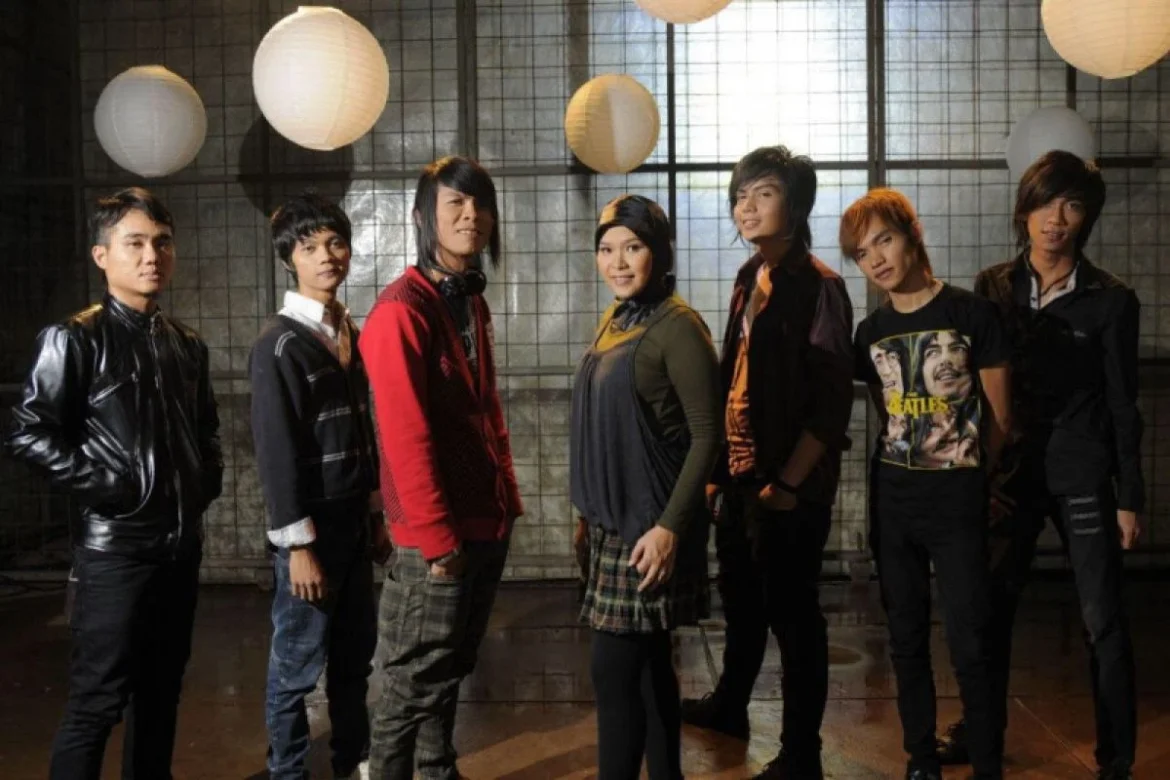
The Indonesian music landscape was rocked by an unexpected and startling announcement when Dodhy Hardiyanto, the primary guitarist and founding member of the iconic pop-melayu group Kangen Band, declared the official dissolution of the band. The announcement, disseminated via his verified personal Instagram account on Saturday, September 12, sent shockwaves through the Indonesian entertainment industry, leaving devoted fans—collectively known as Dovian—in a state of disbelief and profound confusion. The sudden proclamation not only halted the trajectory of one of the country’s most enduring musical acts but also exposed a deep, previously unmasked rift within the band’s internal hierarchy.

Adding to the controversy and public astonishment, the band’s iconic frontman, Andika Mahesa, widely recognized as "Babang Tamvan," publicly admitted that he was completely blindsided by the news. According to Andika, he had no prior knowledge of any systemic grievances or internal crises that could have motivated Dodhy to make such a drastic, unilateral decision. The juxtaposition between Dodhy’s allegations of long-standing grievances and Andika’s claims of absolute harmony has ignited widespread media speculation and intense public scrutiny regarding the true operational and emotional state of Kangen Band behind closed doors.

The Genesis of the Crisis: Dodhy’s Public Declaration and Copyright Restrictions

The unfolding drama began on Saturday afternoon when Dodhy Hardiyanto utilized social media to air his grievances and announce the termination of Kangen Band. In his emotional and stern statement, Dodhy explicitly cited the presence of what he termed "kezaliman" (tyranny, oppression, or severe unfairness) operating within the internal framework of the group. The guitarist maintained that he had harbored emotional pain and distress regarding these unresolved matters for an extended period, suggesting that the dissolution was the culmination of cumulative toxic dynamics rather than a sudden disagreement.

However, Dodhy’s statement conspicuously lacked granular details. He refrained from explicitly identifying the individuals responsible for the alleged mistreatment, nor did he elaborate on the specific incidents or structural failures that catalyzed his decision.

Compounding the severity of the band’s dissolution, Dodhy took a hardline stance regarding the intellectual property generated throughout Kangen Band’s illustrious career. As the primary songwriter and creative architect behind many of the band’s chart-topping hits, Dodhy formally issued a strict prohibition barring any former members of Kangen Band from performing his proprietary musical catalog. Furthermore, this restriction was explicitly extended to event organizers, promoters, and festival planners who might consider booking former members under the moniker of Kangen Band or expecting them to play his compositions live. This legal and artistic embargo threatens to paralyze the commercial viability of any future live performances associated with the brand, directly targeting the livelihood of his former bandmates who rely heavily on performing their classic repertoire.

Andika Mahesa’s Reaction: Confusion and the Quest for Clarity

In the immediate aftermath of the announcement, Kangen Band’s charismatic vocalist, Andika Mahesa, stepped forward to address the media and clarify his position. Andika confirmed that he discovered the dissolution of his own band through the digital realm, scrolling through Instagram just like the general public.

Andika’s primary sentiment was one of profound bewilderment. He asserted that the interpersonal atmosphere among the band members had appeared entirely normal, amicable, and professional leading up to the public announcement. Providing context to the timeline, Andika revealed that just four days prior to the bombshell revelation, the members of Kangen Band had shared stages internationally, successfully completing a high-profile concert appearance in Hong Kong. During this international trip and the subsequent transit back to Indonesia, Andika noted no behavioral anomalies, hostile exchanges, or verbal warnings from Dodhy that would foreshadow the termination of the group.

Rejecting the urge to react defensively or engage in a public war of words, Andika adopted a measured and diplomatic stance. He stated his intention to bypass social media as a communication tool and instead initiate a formal, closed-door meeting with Dodhy, other founding and supporting members, and the band’s management team. Andika emphasized the necessity of a face-to-face dialogue to dissect the vague allegations of "kezaliman" and to determine whether a reconciliation is logistically and emotionally feasible, or if the band must permanently sever ties.

A Historical Retrospective: The Legacy of Kangen Band (2005–Present)

To fully comprehend the gravity of Kangen Band’s sudden dissolution, one must examine the rich and turbulent history of the group. Formed on July 4, 2005, in Bandar Lampung, Lampung province, Kangen Band emerged during a golden era of Indonesian pop-melayu and indie-alternative crossover music. Founded by Dodhy (guitar) alongside vocalists and instrumentalists who would define the early landscape, the band captured the hearts of the Indonesian working class and mainstream pop audiences alike with their distinctively melancholic melodies, catchy hooks, and deeply relatable lyrical themes focusing on love, betrayal, infidelity, and longing.

Throughout the mid-to-late 2000s, Kangen Band achieved phenomenal commercial success, dominating radio airwaves and television music programs. Their seminal studio albums yielded timeless national anthems that remain cultural touchstones to this day, including "Tentang Bintang," "Selingkuh," "Yolanda," "Doy," and "Terbang Bersamaku." These tracks cemented their status as a commercial juggernaut, generating substantial royalties and massive tour revenues.

Despite their widespread acclaim, the band’s trajectory was historically characterized by volatility, internal friction, and high-profile lineup changes. The most notable disruption occurred in 2012 when frontman Andika Mahesa officially departed from the group amid personal legal struggles and creative differences. During Andika’s absence, the band attempted to sustain its momentum by recruiting alternative vocalists, though public reception varied. Recognizing the undeniable synergy of the original lineup, negotiations eventually paved the way for Andika’s triumphant return, leading to a nostalgic and commercially lucrative reunion phase that saw them packing festivals and headlining major tours across the archipelago, including a celebrated performance at Synchronize Fest 2020.

The International Context: Life on the Road Prior to the Split

The timing of Dodhy’s announcement remains one of the most perplexing elements of the entire saga. Industry analysts and fans alike have pointed to the band’s recent international tour schedule as evidence of a functioning, revenue-generating enterprise.

Just days before the Instagram post went live, Kangen Band traveled to Hong Kong to perform before enthusiastic crowds of Indonesian expatriates and migrant workers—a demographic that has historically formed the bedrock of the band’s most loyal fanbase. Reports from the ground indicated that the Hong Kong concert was a resounding success, marked by high energy, strong ticket sales, and apparent camaraderie among the band members on stage.

The abrupt transition from an international touring high to an unannounced, unilateral dissolution highlights a deeply fractured internal communication system. It underscores a reality where professional obligations and international performances were successfully executed on the surface, while deep-seated personal grievances and creative resentments simultaneously boiled underneath.

Legal and Commercial Implications of the Copyright Ban

Dodhy Hardiyanto’s sweeping prohibition against the performance of his copyrighted songs introduces severe commercial and legal ramifications for the remaining members of Kangen Band. Under Indonesian copyright law (UU Hak Cipta), creators and principal songwriters retain substantial moral and economic rights regarding the public performance and broadcast of their musical works.

If Dodhy strictly enforces his legal rights, Andika Mahesa and any other former members will find it legally perilous to perform classic tracks such as "Tentang Bintang," "Selingkuh," and "Terbang Bersamaku" at commercial venues, television broadcasts, or regional concerts. For a touring band whose setlists heavily rely on two decades of nostalgic hits, the inability to perform these signature songs effectively strips them of their primary commercial product.

Event organizers and festival promoters must now navigate a complex legal landscape. Booking former members under the Kangen Band banner without the explicit consent of the primary copyright holder exposes promoters to potential cease-and-desist orders, copyright infringement claims, and subsequent litigation. Consequently, the music industry is bracing for potential legal disputes regarding royalty distributions, performance rights organizations (PRO) enforcement, and the commercial exploitation of a legacy band’s catalog.

Broader Industry Impact and Future Outlook

The dissolution of Kangen Band serves as a poignant reminder of the fragile nature of musical partnerships that endure decades of shifting industry trends, personal maturation, and commercial pressures. For an ensemble that survived multiple iterations, line-up shifts, and the temporary departure of its frontman, the breaking point ultimately arrived not from external market forces or dwindling audience demand, but from internal alienation and unresolved personal disputes.

As of Monday, September 14, the dust has yet to settle. While Dodhy Hardiyanto remains firm in his digital pronouncement and copyright embargo, Andika Mahesa continues to advocate for a transparent, communal resolution. The ultimate fate of Kangen Band—whether it will be relegated to the annals of Indonesian music history or resurrected through mediation and compromise—hangs entirely on the outcome of the impending closed-door summit between the warring factions and their management representation. Until that formal dialogue occurs, the Indonesian music scene watches closely, mourning the sudden halt of a band that defined the soundtrack of a generation.

September 14, 2026 0 comment
0 FacebookTwitterPinterestEmail
Entertainment & Celebrity

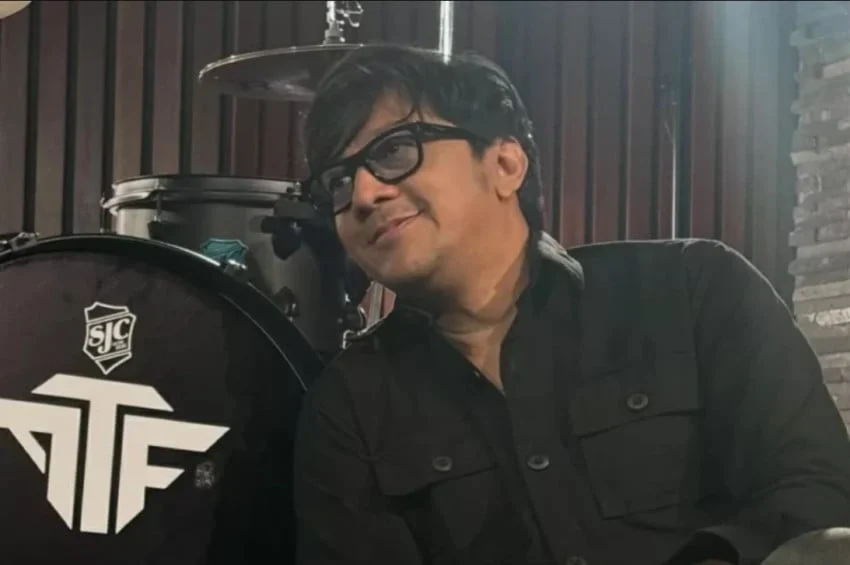
Andre Taulany and Amanda Rigby reportedly file for marriage recommendation at KUA Kebayoran Baru sparking widespread public speculation.

by Azzam Bilal Chamdy September 14, 2026
written by Azzam Bilal Chamdy

The Indonesian entertainment landscape has been set abuzz by reports concerning veteran comedian and television personality Andre Taulany. Following the formal dissolution of his long-standing marriage to Rien Wartia Trigina, recent administrative developments have placed Taulany at the center of a new narrative involving actress and presenter Amanda Rigby. According to documentation circulating within industry circles and verified by local religious authority officials, the two public figures have allegedly initiated the preliminary legal processes required for marriage.

The revelation stems from records associated with the Office of Religious Affairs (Kantor Urusan Agama or KUA) in Kebayoran Baru, South Jakarta. The emergence of these documents has catalyzed intense public discourse regarding the nature of the relationship between Taulany, 50, and Rigby, 32, marking a significant transition in the personal life of one of the country’s most recognizable television hosts.

Chronology of Events and Documentation

The timeline leading to the current speculation began to materialize in mid-August 2026. On August 14, 2026, administrative filings were processed at the Kebayoran Baru KUA office, an essential step for Indonesian citizens intending to marry outside their registered residential jurisdiction or in preparation for specific legal requirements.

Reports from local media outlets and social media trackers, notably the Instagram account @lambe_turah, brought the document to the public’s attention. The records specifically name Andreas Taulany and Amanda Lintang Larasati Rigby as the parties involved. Following the leak, the verification process shifted toward official confirmation from government representatives.

Riswanto, the head of the KUA Kebayoran Baru, provided a critical clarification regarding the nature of the filing. He confirmed that a recommendation letter—a necessary prerequisite for marriage registration—had indeed been requested under the names of the two celebrities. This confirmation effectively moved the story from the realm of celebrity gossip into the domain of verified administrative fact, confirming that the process of legalizing a union is currently underway.

Background and Context of the Parties

Andre Taulany has been a permanent fixture in Indonesian media for over two decades. Initially rising to fame as the frontman of the band Stinky in the late 1990s, he successfully transitioned into a powerhouse of comedy and television hosting. His partnership with Sule in various high-rated comedy programs solidified his status as an A-list entertainer.

His personal life, however, has faced significant scrutiny. In 2024, the public was informed of his divorce proceedings with Rien Wartia Trigina, with whom he shares three children. The divorce was finalized after a period of intense media coverage, signaling the end of an eighteen-year union. Since then, Taulany has maintained a relatively low profile regarding his romantic life, focusing instead on his professional endeavors and his highly publicized passion for classic car collecting.

Amanda Rigby, conversely, represents a newer generation of talent in the Indonesian entertainment industry. Known for her work as a presenter and her acting roles in various situation comedies, Rigby has cultivated a reputation for versatility. Her involvement with Taulany on various television sets has frequently been noted by fans, though their interactions were largely perceived as professional or on-screen chemistry prior to these recent administrative disclosures.

The Role of KUA in Indonesian Marriage Law

Under Indonesian law, the KUA plays a pivotal role in the formalization of marriages for Muslim citizens. The "recommendation letter" mentioned in the current reports is a standard bureaucratic instrument. When an individual seeks to marry in a district other than the one where they are officially registered as a resident, they must obtain a recommendation letter from their local KUA. This document authorizes the KUA in the destination district to perform the marriage ceremony.

The fact that such a document was requested and processed suggests that the parties involved are planning a formal legal union, rather than a mere social or private engagement. For high-profile individuals, the bureaucratic nature of these filings often leaves a paper trail that is difficult to conceal, as the KUA is a public institution subject to administrative transparency.

Industry Implications and Public Reception

The news has triggered a range of reactions across social media platforms. Fans of Andre Taulany have largely expressed curiosity, given the recent conclusion of his previous marriage. In the entertainment industry, the pairing of a veteran comedian and a younger, rising star is often a topic of significant interest due to the power dynamics and the potential impact on their respective professional careers.

From an analytical perspective, this development highlights the challenges faced by public figures in maintaining privacy in the digital age. Even standard administrative procedures, when performed by high-profile individuals, are susceptible to scrutiny. The involvement of the KUA confirms that the process is not merely speculative but grounded in tangible legal activity.

Furthermore, the timing of this filing—occurring relatively shortly after the finalization of his divorce—has led to discussions regarding the pacing of personal life transitions. However, observers note that for individuals in the entertainment sector, personal milestones are frequently viewed through the lens of public expectation, which often contrasts with the private realities of the individuals involved.

Analysis of the Media Narrative

The coverage of this story by various news outlets reflects a broader trend in Indonesian celebrity journalism, where the intersection of personal life and administrative records becomes the primary driver of public interest. While the filing of a marriage recommendation is a private legal matter for ordinary citizens, the celebrity status of Taulany and Rigby transforms it into a public interest narrative.

Critics of such media coverage often argue that the pursuit of private documents can border on an infringement of privacy. Conversely, proponents of this style of reporting contend that because the KUA is a government office, its records—while sensitive—are subject to a level of public interest that justifies the reporting, provided the facts are accurate and handled with professional journalistic integrity.

As of this writing, neither Andre Taulany nor Amanda Rigby has issued an official press statement clarifying the timeline of their relationship or the specific details of their wedding plans. In the absence of direct commentary, the public remains reliant on official statements from the KUA and the verified documentation that has emerged.

Broader Impact on Celebrity Branding

The impact of such news on the professional branding of both artists remains to be seen. In the Indonesian market, public perception can significantly influence an entertainer’s appeal. For Taulany, whose career has been built on a foundation of relatable humor and family-oriented programming, the news of a new marriage will likely be integrated into his public persona.

For Amanda Rigby, the association with a veteran figure like Taulany, if formalized through marriage, may shift her professional trajectory. Industry analysts suggest that such unions often result in increased media exposure and brand partnership opportunities, though they also come with the pressure of maintaining a high-profile public image.

Conclusion

The reports regarding Andre Taulany and Amanda Rigby represent a significant development in the personal lives of two prominent Indonesian figures. With the confirmation from the KUA Kebayoran Baru regarding the filing of marriage recommendation documents, the conversation has moved beyond rumors.

As the situation evolves, the focus of the public and the media will likely remain on whether the couple chooses to make a formal announcement regarding their future together. For now, the administrative filings serve as the primary evidence of a significant life event that has captured the attention of the Indonesian public. The intersection of legal procedure and celebrity culture in this instance serves as a reminder of how, in the modern media era, the private lives of public figures are increasingly documented through the very systems designed to manage their civil status.

September 14, 2026 0 comment
0 FacebookTwitterPinterestEmail
Entertainment & Celebrity

HYROX Minta Netizen Tak Bully Atlet yang Diare di Arena

by Azzam Bilal Chamdy September 14, 2026
written by Azzam Bilal Chamdy

The international fitness racing community, specifically the rapidly growing HYROX circuit, has found itself embroiled in a heated debate following an incident involving Australian athlete Joanna Wietrzyk during a high-stakes competition in Beijing, China. As the footage of Wietrzyk experiencing an involuntary bowel movement during the grueling multi-station race went viral across various social media platforms, the organization behind the sport has issued a firm directive to the public: desist from the online harassment and bullying directed at the athlete.

The incident, which occurred during the elite division of the Beijing event, has sparked a complex discourse regarding the limits of human endurance, the professional standards of competitive fitness, and the toxic nature of modern online commentary. While the physical nature of the incident was undeniably graphic, it has highlighted the extreme physiological toll that the HYROX format demands of its competitors.

Chronology of the Beijing Incident

Joanna Wietrzyk, a 22-year-old athlete, entered the Beijing HYROX competition with the intent of securing a top-tier finish. The HYROX format is notoriously punishing, requiring athletes to complete eight one-kilometer runs, each followed by a functional fitness station—such as the sled push, sled pull, burpee broad jumps, rowing, farmers carry, sandbag lunges, and wall balls.

According to witnesses and event logs, Wietrzyk began to experience severe gastrointestinal distress mid-way through the course. Despite the severity of the situation, she maintained her pace, choosing not to withdraw from the competition. She successfully navigated the remaining stations, eventually crossing the finish line and securing victory in the women’s elite category.

The controversy ignited shortly thereafter when video footage captured by spectators began circulating on platforms like Threads and X (formerly Twitter). The raw nature of the footage drew immediate reactions ranging from visceral disgust to intense scrutiny regarding the sanitary protocols of the event. While some commentators praised Wietrzyk for her unwavering mental fortitude and commitment to finishing the race—a hallmark of the "HYROX spirit"—others questioned the decision of both the athlete and the race marshals to allow the competition to continue in that state, citing potential health risks to other participants.

The Physiology of Extreme Endurance

To understand the context of the incident, it is necessary to examine the physiological demands of competitive fitness racing. HYROX is designed to test the limits of aerobic capacity and muscular endurance simultaneously. This combination, known as high-intensity interval training (HIIT) on a massive scale, places immense pressure on the digestive system.

Medical experts note that during high-intensity exercise, blood flow is redirected from the gastrointestinal tract to the working muscles. This phenomenon, often referred to as "exercise-induced gastrointestinal distress," is well-documented in endurance sports such as ultramarathons and Ironman triathlons. Symptoms range from cramping and bloating to, in extreme cases, bowel incontinence.

In the world of elite sports, "finishing at all costs" is a deeply ingrained philosophy. Wietrzyk’s decision to continue despite her distress is a reflection of this training culture. For many athletes, the physical barrier is the final obstacle, and the mental drive to reach the finish line often supersedes bodily warnings. However, the intersection of this extreme physiological response with the social media era has created a new dilemma for event organizers: how to protect the dignity of athletes who face public health incidents during live-streamed or spectator-heavy events.

Official Response from HYROX

In an official statement released in the wake of the backlash, HYROX took a strong stance in defense of their competitor. The organization expressed concern over the tone of the online discourse, emphasizing that the focus should be on the athlete’s resilience rather than the unfortunate physiological outcome.

"Rasa frustrasi seharusnya tidak pernah diarahkan kepada para atlet itu sendiri," the organization stated in its formal response. "Merekalah orang-orang yang mempertaruhkan diri, berkompetisi di level tertinggi, dan menjadikan kompetisi seperti sekarang ini." (Frustration should never be directed at the athletes themselves. They are the ones putting themselves at risk, competing at the highest level, and making the competition what it is today.)

Furthermore, HYROX clarified that if the public finds fault with how the situation was managed—specifically regarding the decision to let the race continue—that criticism should be directed toward the organizers and race officials, not the athlete. The organization noted that they are currently reviewing their internal protocols for handling medical emergencies and sanitation issues to ensure that future events maintain a balance between competitive integrity and the safety and dignity of all participants.

The Threat of Online Harassment

The incident has also prompted a wider discussion regarding the behavior of the online fitness community. HYROX has warned that they will monitor and potentially take action against accounts that engage in targeted harassment, bullying, or threats against Wietrzyk or any other athlete.

In the digital age, athletes are increasingly vulnerable to "cyber-shaming." When a minor or major incident occurs in the arena, it is instantly immortalized and subjected to the scrutiny of millions. This level of exposure can have lasting psychological effects on athletes, who are already under immense pressure to perform. The move by HYROX to proactively defend their athlete signals a shifting trend in sports management, where organizations are taking a more active role in the digital safety of their participants.

Broader Implications for Competitive Fitness

The Beijing incident serves as a case study for the growth of the HYROX brand. As the sport moves from a niche fitness challenge to a mainstream global spectacle, the expectations for professional conduct and emergency management evolve.

  1. Medical Preparedness: Organizers are likely to increase the presence of medical staff at every station to better assess athletes who show signs of severe distress.
  2. Sanitation Protocols: Future events may implement more robust cleaning protocols that can be deployed instantly if an athlete experiences a medical emergency on the course.
  3. Public Perception: The incident highlights the "human element" of sports. While viewers often expect perfection, the reality of extreme endurance is messy and unpredictable. The media coverage of this event has inadvertently underscored the brutal difficulty of the sport, which may ironically increase interest among those who respect the raw, unfiltered nature of human competition.

Conclusion

Joanna Wietrzyk’s performance in Beijing will likely be remembered for the wrong reasons, but for the athletic community, it stands as a testament to the extreme boundaries of human willpower. As the dust settles on this incident, the focus for the sporting world should remain on the health and welfare of the athlete.

HYROX has made it clear that while they are open to criticism regarding event logistics, they will not tolerate the degradation of their athletes. As the sport continues to expand into new territories, the challenge for organizers will be to provide a safe, sanitary, and professional environment that can accommodate the unpredictability of human physiology while shielding athletes from the often-cruel feedback loop of the internet.

The resilience shown by Wietrzyk—not just in finishing the race, but in navigating the immediate aftermath of public scrutiny—is indicative of the mental toughness required to compete at the elite level. Whether the event marks a turning point for policy or simply a footnote in the history of the sport, the message from the organizing body is unambiguous: the arena is for competition, not for the dehumanization of those who dare to test their limits.

September 14, 2026 0 comment
0 FacebookTwitterPinterestEmail
Entertainment & Celebrity

Testicular Asymmetry Explained: Why Size and Position Differences Between Testis Are Generally Normal

by Sagoh September 14, 2026
written by Sagoh

Medical understanding of male anatomy often reveals features that cause unnecessary anxiety among patients simply due to a lack of public awareness. Among the most common physiological concerns raised in urological and andrological consultations is the observation that a man’s testicles are not identical in size or hanging position. According to recent expert clarifications, such anatomical discrepancies are not only common but fall well within the spectrum of healthy human variation.

To demystify these concerns, medical professionals continually emphasize that human anatomy is rarely perfectly symmetrical. Just as human eyes, ears, hands, and feet often exhibit subtle differences in dimension, the reproductive system follows a similar blueprint. Understanding these variations helps alleviate health anxieties and guides individuals on when to seek professional medical evaluation.

Expert Insights on Testicular Asymmetry

Addressing common patient inquiries, Dr. Jefry Tribowo, a prominent Andrology Specialist, recently shed light on the structural realities of male reproductive organs. He confirmed that having testicles of varying sizes is entirely natural.

"Is it normal for the size of the testicles to be different on one side? The answer is yes, it is normal. It is indeed true that one testicle is usually larger than the other. This is a completely normal condition," Dr. Tribowo explained.

This observation is supported by global urological consensus. In the vast majority of adult males, the left testicle or the right testicle will naturally outmeasure its counterpart by a small margin. Furthermore, visual and physical inspections will reveal that the positioning of the testicles within the scrotum is intentionally staggered rather than horizontally aligned.

Anatomical Context and Positioning Mechanics

Beyond dimensional differences, the vertical positioning of the testes often causes confusion. Typically, the left testicle hangs slightly lower in the scrotal sac than the right one. This asymmetrical hanging position is a deliberate evolutionary design rather than a developmental flaw.

Testis Kanan dan Kiri Beda Ukuran, Apakah Normal? Ini Penjelasan Dokter

Medical anatomists explain that the distinct suspension levels help prevent the testicles from repeatedly colliding or pressing against each other during movement, walking, or physical exertion. The scrotum itself acts as a dynamic thermoregulatory chamber, adjusting to external temperatures by relaxing or contracting. The spermatic cords, which suspend the testes and house blood vessels, nerves, and the vas deferens, also vary slightly in length on the left and right sides, naturally resulting in the observed height difference.

Broadening the Scope: Global Perspectives on Male Health Literacy

The discussion surrounding testicular asymmetry highlights a broader challenge in modern healthcare: male health literacy. Historically, men are less likely than women to seek routine medical check-ups or discuss urological concerns openly. Consequently, normal anatomical variants are frequently misinterpreted as pathological conditions, leading to either undue panic or, conversely, the dangerous dismissal of genuine symptoms.

Health organizations worldwide continually advocate for comprehensive educational campaigns to improve male reproductive awareness. By normalizing discussions around anatomical variations, medical practitioners aim to foster environments where patients feel comfortable seeking timely advice. Education serves as the primary defense against both hypochondria and delayed diagnoses of serious medical conditions.

Distinguishing Normal Variations from Pathological Conditions

While testicular asymmetry is normal, medical professionals stress the importance of understanding the boundary between benign variation and acute pathology. Men must remain vigilant about sudden or drastic changes in their bodies.

While a lifelong, gradual difference in size is typical, a rapid increase in size, the appearance of hard lumps, persistent swelling, or sudden acute pain demands immediate medical intervention. Conditions such as varicoceles (enlarged veins within the scrotum), hydroceles (fluid accumulation), epididymitis (inflammation), or testicular torsion (a twisting of the spermatic cord that cuts off blood supply) require prompt clinical assessment.

Routine Self-Examinations as a Preventative Tool

Urologists and andrologists strongly recommend that adolescent and adult males perform regular testicular self-examinations (TSE). Familiarity with one’s baseline anatomy—including the usual size, weight, and position of each testicle—makes it significantly easier to detect anomalies early.

Testis Kanan dan Kiri Beda Ukuran, Apakah Normal? Ini Penjelasan Dokter

A standard self-examination is best performed after a warm shower or bath, when the scrotal skin is relaxed. By gently rolling each testicle between the thumb and forefingers, an individual can check for unusual lumps, hard nodules, tender spots, or sudden alterations in texture and symmetry. Establishing this monthly habit empowers patients to take an active role in their health management.

Psychological Implications of Body Image and Reassurance

Anatomical anxieties related to reproductive organs can profoundly impact psychological well-being and self-esteem, particularly during adolescence and early adulthood. Misconceptions about what constitutes a "normal" body often stem from a lack of reliable sex education and the unrealistic portrayals found in media or unverified internet forums.

Mental health professionals and medical practitioners emphasize the therapeutic value of professional reassurance. When a patient consults an andrologist or urologist regarding asymmetry and receives confirmation that their anatomy is normal, the psychological relief is substantial. Open dialogues in clinical settings help dismantle internalized stigmas and promote a healthier body image.

Implications for Clinical Practice and Future Outlook

The reaffirmation of normal anatomical variants by specialists like Dr. Jefry Tribowo carries practical implications for daily clinical practice. General practitioners, andrologists, and urologists must continue to prioritize clear, empathetic communication during routine physical examinations. Educating patients proactively during consultations prevents future anxieties and encourages an ongoing, transparent relationship with healthcare providers.

As medical science advances, the focus on preventive health and patient education remains paramount. By demystifying everyday anatomical variations such as testicular asymmetry, the medical community successfully fosters a more informed, health-conscious public capable of distinguishing between harmless physiological traits and medical conditions requiring professional treatment.

September 14, 2026 0 comment
0 FacebookTwitterPinterestEmail
Lifestyle & Fashion

The Evolution and Economic Impact of Affiliate Marketing in the Modern Digital Publishing Landscape

by Pevita Pearce September 14, 2026
written by Pevita Pearce

The contemporary digital media ecosystem has undergone a profound transformation, shifting from a model reliant almost exclusively on traditional display advertising to one increasingly sustained by performance-based revenue streams. Central to this evolution is affiliate marketing, a sophisticated commercial arrangement that has become a cornerstone of financial viability for high-end fashion and lifestyle publications, including those under the Harper’s BAZAAR Indonesia umbrella. As media houses navigate the complexities of declining print circulation and the volatility of programmatic ad spending, affiliate partnerships offer a symbiotic bridge between editorial curation and consumer transactional behavior.

The Structural Shift in Digital Media Monetization

Historically, the business model of luxury magazines was anchored in two primary pillars: print advertising sales and newsstand circulation. With the advent of the digital revolution in the late 2000s and early 2010s, publishers sought to replicate these models online. However, the rise of ad-blocking software and the dominance of "walled garden" platforms like Google and Meta severely constrained the revenue potential of traditional banner advertisements.

In response, publishers began integrating affiliate marketing—a system where a media outlet earns a commission on sales generated through tracking links embedded in editorial content. This model, often referred to as "commerce journalism," allows publications to monetize their authority. When an editorial team recommends a product, they are essentially acting as a bridge between the reader’s aesthetic aspiration and the retailer’s inventory. For a publication like Harper’s BAZAAR Indonesia, which operates as a part of the MRA Media group, this strategy ensures that the brand can continue to produce high-quality, long-form journalism while maintaining the operational overhead required for a premium digital presence.

The Chronology of Digital Commercialization

The integration of commerce into editorial workflows did not happen overnight. The following timeline illustrates the maturation of the affiliate landscape within the publishing sector:

  • 2008–2012: The initial "digital pivot." Publishers focused on page views, prioritizing high-volume traffic to maximize programmatic ad revenue. Affiliate links were rudimentary and often relegated to sidebar advertisements.
  • 2013–2016: The rise of influencers and the "shoppable" content movement. Readers began to expect that if they saw an item in a magazine, they should be able to purchase it instantly. Major publishing houses began partnering with affiliate networks like Skimlinks, Rakuten, and LTK (formerly rewardStyle).
  • 2017–2020: Professionalization of commerce teams. Magazines established dedicated departments tasked with balancing editorial integrity with commercial goals. Disclosure statements became industry standard, mandated by regulatory bodies like the FTC (in the U.S.) and similar consumer protection entities globally.
  • 2021–Present: The era of "integrated commerce." Affiliate links are no longer an afterthought but are baked into the content strategy. Data analytics allow editors to see which trends resonate with readers, influencing future editorial coverage and product selection.

Data-Driven Insights into Affiliate Performance

The economic efficiency of affiliate marketing is supported by substantial market data. According to industry reports from groups like PerformanceIN, affiliate marketing spend has seen a compound annual growth rate (CAGR) of over 10% since 2015. For lifestyle and fashion sectors, the conversion rates are significantly higher than traditional display ads.

In the Indonesian market specifically, the growth of e-commerce platforms such as Shopee, Tokopedia, and Zalora has provided a fertile ground for affiliate programs. When a publication embeds a link to a luxury beauty product or a designer accessory, it leverages the existing trust the reader has in the magazine’s editorial voice. Statistical analysis of reader engagement reveals that "curated lists"—such as "Top 10 Fall Essentials"—outperform generic advertising by a factor of 4:1 in terms of click-through rate (CTR). This demonstrates that readers value the expert curation provided by fashion editors, effectively treating the publication as a personal shopper.

Editorial Integrity and Disclosure Protocols

A frequent point of discussion regarding affiliate models is the potential for conflict of interest. Critics argue that if an editorial team is compensated for sales, they may be incentivized to promote products based on commission potential rather than objective quality. To mitigate this, reputable media organizations have implemented strict internal policies.

At Harper’s BAZAAR Indonesia, the editorial process remains distinct from the commercial department. Articles are written based on fashion trends, industry expertise, and stylistic merit. Only after the content is drafted are affiliate links added to relevant products. This "editorial-first" approach is essential for maintaining brand equity. Furthermore, the mandatory disclosure statements—which explicitly state that the publication may receive commissions—serve to preserve transparency. These disclosures are not merely legal formalities; they are a vital component of the contract of trust between the publication and its audience.

Official Responses and Industry Standards

Industry experts and media ethicists emphasize that disclosure is the bedrock of contemporary media ethics. Dr. Elena Rossi, a media studies analyst, notes, "The shift toward commerce-integrated content is a survival strategy, not a compromise of standards. As long as the disclosure is clear, prominent, and consistent, the reader is empowered to make an informed decision. The challenge for publishers is ensuring that the editorial voice remains authentic."

The MRA Media group, in overseeing its digital properties, has adopted standardized guidelines that align with international best practices. These protocols ensure that every affiliate link is clearly marked, and that the independence of the editors is protected by a firewall between those who manage commercial partnerships and those who curate the content. By formalizing these boundaries, the publication ensures that its status as a trusted voice in the fashion industry remains unassailable, even as its revenue model diversifies.

The Broader Impact on the Publishing Ecosystem

The implications of this model are far-reaching. By diversifying revenue, publishers reduce their reliance on single-source income streams, making the media organization more resilient to economic downturns. During periods where traditional advertising budgets are slashed, affiliate revenue often remains stable, as it is tied to consumer demand rather than corporate marketing spend.

Furthermore, this model has accelerated the digitalization of local luxury markets. By providing direct access to global and local e-commerce sites, publications like Harper’s BAZAAR Indonesia help normalize high-end online shopping in regions where physical retail infrastructure may be limited or geographically concentrated.

Future Projections: AI and Personalization

As the media industry looks toward the next decade, the role of artificial intelligence in affiliate marketing is expected to increase. Predictive analytics will likely allow publishers to provide highly personalized shopping recommendations to readers based on their historical reading habits. Instead of a generic list of products, a reader might see suggestions that align perfectly with their previous interactions with the site, further increasing the efficiency of the affiliate model.

However, as technology advances, the importance of human curation will likely remain the publication’s primary competitive advantage. While algorithms can suggest products based on data, they cannot replicate the cultural nuance, historical context, and stylistic authority of an experienced editor. The intersection of human expertise and machine-learning efficiency represents the future of fashion journalism.

Conclusion: Balancing Commerce and Content

The inclusion of affiliate marketing within the framework of Harper’s BAZAAR Indonesia is a calculated response to the realities of the 21st-century media landscape. It is a model that requires constant vigilance, transparency, and a commitment to editorial quality. By treating the audience as a sophisticated consumer base that values both content and access, the publication successfully navigates the tension between its heritage as a fashion authority and its necessity as a modern, revenue-generating business.

Ultimately, the success of this model relies on the reader’s continued trust. As long as the editorial output remains high-quality and the commercial relationships are clearly disclosed, the publication can continue to thrive. The integration of affiliate marketing is not merely a financial tool; it is a testament to the agility and endurance of the fashion press in an era defined by rapid digital transformation. As the industry continues to evolve, the focus will remain on delivering value to the reader, ensuring that the legacy of the Harper’s BAZAAR brand remains as relevant today as it was at its inception. Through rigorous standards and an unwavering focus on the consumer experience, the publication maintains its position at the forefront of Indonesia’s digital fashion discourse, setting a benchmark for how media outlets can sustain their influence in a complex and competitive global market.

September 14, 2026 0 comment
0 FacebookTwitterPinterestEmail
Lifestyle & Fashion

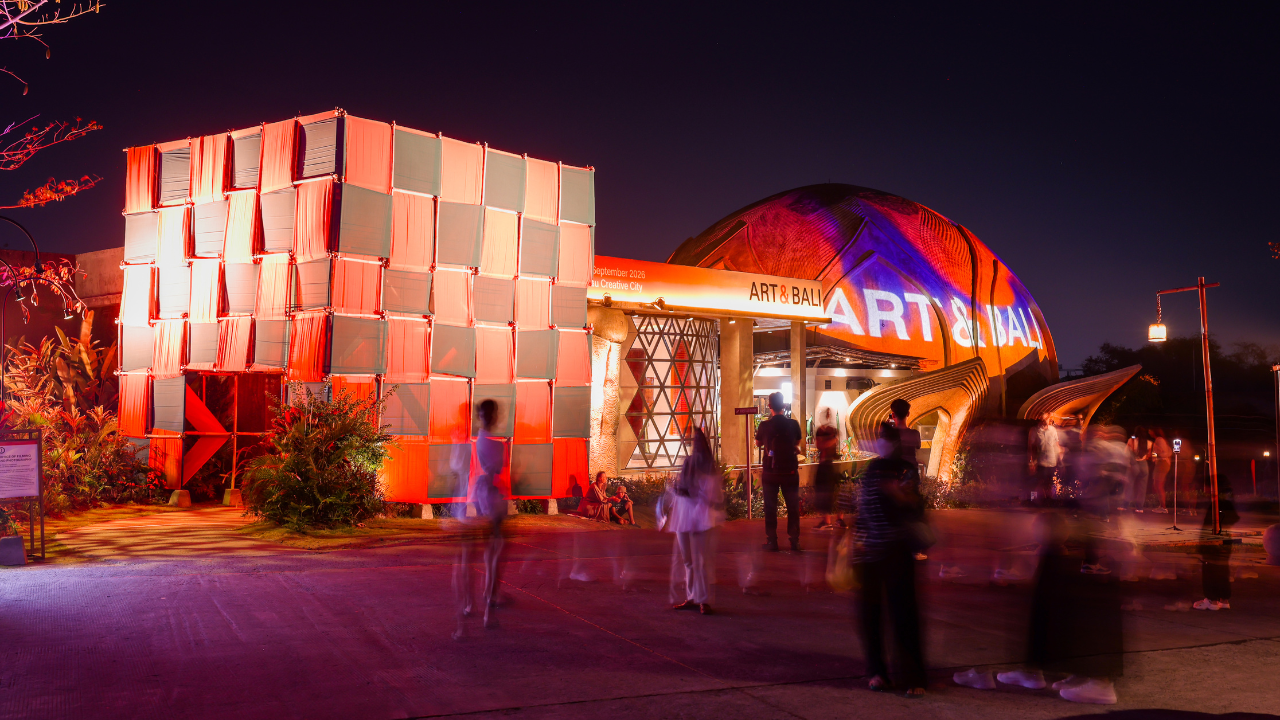
Art and Bali 2026 Bridges Global Creativity and Cultural Heritage at Nuanu Creative City

by Pevita Pearce September 14, 2026
written by Pevita Pearce

The island of Bali has once again cemented its status as a premier global melting pot for artistic innovation and creative industries with the return of Art&Bali 2026. Staged for the second consecutive year within the sprawling 44-hectare expanse of the Nuanu Creative City, this year’s edition has drawn international acclaim for its ambitious scope. Operating under the guiding theme Bridging Dichotomies, the festival serves as a dynamic nexus where contemporary fine art, high fashion, traditional craftsmanship, material culture, and intellectual discourse converge into a unified landscape.

Running from September 11 to September 13, 2026, the primary weekend events activated the futuristic and eco-conscious district of Nuanu, welcoming an international cohort of participants. The grand-scale event successfully brought together 23 esteemed galleries and experimental art spaces alongside more than 300 visionary artists hailing from Indonesia, Malaysia, Singapore, Spain, Italy, Switzerland, and the United States. Through an extensive curation of site-specific installations, immersive presentations, avant-garde performances, and public forums, the festival transformed the Balinese landscape into an interactive forum for cross-cultural dialogue and creative experimentation.

The Genesis and Evolution of Art&Bali in Nuanu Creative City

The selection of Nuanu Creative City as the permanent home for Art&Bali underscores a deliberate shift in how artistic ecosystems are developed in Southeast Asia. Conceived as a hub for sustainable living, education, and art, Nuanu provides an ideal physical and philosophical backdrop for a festival that seeks to dissolve traditional boundaries. By integrating state-of-the-art facilities with natural Balinese topography, the location allows artists to push the limits of scale, medium, and interactivity.

Over the past two years, Art&Bali has evolved from a regional showcase into a globally recognized fixture on the international art calendar. The event addresses a critical modern need: creating physical spaces of encounter in an increasingly digitalized art market. By fostering direct interactions between established blue-chip galleries, emerging independent artist collectives, global curators, and passionate collectors, the festival has stimulated regional art economies while elevating the profile of Indonesian contemporary art on the world stage.

What The Body Remembers: Honoring Ancestral Craft and Somatic Memory

Art&Bali 2026 Hadirkan Pertemuan Seni, Mode, dan Kriya di Nuanu

Among the most celebrated highlights of Art&Bali 2026 is the landmark exhibition titled What The Body Remembers. Running through November 29, 2026, at the Labyrinth Art Gallery within Nuanu Creative City, the exhibition represents a monumental cross-cultural collaboration between 26 pioneering designers and creators from India and Indonesia.

Co-curated by renowned fashion visionary and sustainability advocate Bandana Tewari alongside curator Brina Paska, the exhibition is anchored in a profound philosophical premise: that technical skill is not merely a cognitive tool, but a living form of memory physically stored within the hands of the maker. Through intricate explorations of textile manipulation, ancestral dyeing techniques, complex weaving traditions, and the repetitive physical gestures inherent in artisanal production, What The Body Remembers examines how traditional knowledge is simultaneously preserved through continuous repetition and evolved through contemporary innovation.

The roster of participating talents reads as a who’s who of avant-garde Asian design, featuring visionary creators such as Lulu Lutfi Labibi, Raw Mango in collaboration with Sanjay Garg, the late-legacy-honoring works of Tex Saverio, and TOTON The Label. The exhibition acts as a powerful reminder that fashion and textile art carry the weight of human history, familial lineages, and geographical identities.

International Gallery Convergence and Collaborative Ecosystems

Beyond the standout textile exhibition, Art&Bali 2026 facilitated an unprecedented gathering of international commercial and institutional art spaces. The participation of 23 distinct galleries from across Southeast Asia, Europe, and North America created a robust marketplace and intellectual exchange platform. This diverse representation allowed local Indonesian artists to position their works within a global dialogue, addressing shared contemporary anxieties such as ecological degradation, technological acceleration, and cultural preservation.

The presence of galleries from Italy, Spain, Switzerland, and the United States introduced Western collectors to Southeast Asian sensibilities, while regional galleries from Singapore and Malaysia highlighted the vibrant interconnectedness of the ASEAN art market. Industry analysts note that such cross-border collaborations are vital for driving liquidity, visibility, and institutional recognition for artists operating outside traditional Western art capitals.

Nuanu Future Talks: Fashion, Art, and Cultural Ownership

Art&Bali 2026 Hadirkan Pertemuan Seni, Mode, dan Kriya di Nuanu

Complementing the visual spectacles, the Nuanu Future Talks: Fashion & Art series expanded the festival’s intellectual footprint. Spanning six comprehensive panel discussions featuring over 20 leading voices in art, fashion, and cultural studies, the forums tackled urgent contemporary issues, including cultural ownership, the commodification of heritage, the intersection of technology and sustainability, and the future trajectory of creative industries across Asia.

A central centerpiece of this dialogue was the highly anticipated panel session titled “When Does Fashion Become Art?”. Moderated by Bandana Tewari—whose expertise as a lead curator, cultural journalist, and sustainability advocate guided a nuanced conversation—the panel interrogated the shifting paradigms of wearable design. Joining Tewari were prominent industry leaders including Svida Alisjahbana, Chairman of Jakarta Fashion Week (JFW); Jiya Ambast, founder and CEO of the ethical fashion brand AYNI; and acclaimed multidisciplinary artist Natasha Preenja, widely recognized by her moniker Princess Pea.

The panel addressed the increasingly porous boundaries separating high fashion, fine art, and traditional craftsmanship. The discourse moved past the tired, binary question of categorization, focusing instead on how contemporary creators imbue physical objects with profound narrative meaning. Alisjahbana offered valuable insights into the institutional frameworks supporting Indonesian design on global runways, while Ambast and Preenja contributed critical perspectives on ethical production, anonymity in art, and the psychological dimensions of wearable sculptures.

Implications and Broader Impact on the Global Creative Landscape

The success of Art&Bali 2026 signals a transformative shift in the global art economy, proving that peripheral regions can successfully anchor international cultural discourse without relying on traditional Western epicenters. By consciously dismantling the dichotomies between high art and craft, tradition and technology, as well as local heritage and global contemporary practice, the festival offers a blueprint for a more inclusive and sustainable creative future.

Observers and market analysts suggest that the collaborative frameworks established during the three-day event will yield long-term benefits for the participating artists and institutions. By fostering an environment where discourse is valued as much as commercial acquisition, Art&Bali has successfully cultivated an informed collector base and an engaged public audience. As the exhibitions—such as What The Body Remembers—continue to draw visitors through late November, the enduring legacy of Art&Bali 2026 remains clear: it has redefined the possibilities of cultural collaboration, proving that the future of art lies in the rich intersection of diverse human histories and shared creative resilience.

September 14, 2026 0 comment
0 FacebookTwitterPinterestEmail
Lifestyle & Fashion

Tanpa Disadari, 3 Tanda Orang yang Sudah Tidak Bahagia dengan Hidupnya

by Evan Lee Salim September 14, 2026
written by Evan Lee Salim

In an era characterized by rapid technological advancement, constant digital connectivity, and heightened societal expectations, the pursuit of personal well-being has become increasingly complex. While modern life offers unprecedented convenience, it also presents significant psychological challenges. Recent observations in behavioral health suggest that many individuals are experiencing a silent erosion of life satisfaction, often manifesting in subtle behavioral shifts that go unnoticed by both the individual and their social circle. Recognizing these indicators is essential for early intervention and the restoration of psychological equilibrium.

The psychological landscape of the 21st century has shifted significantly. According to global health metrics, the prevalence of symptoms associated with languishing—a state of being characterized by a lack of joy and motivation without necessarily meeting the clinical threshold for major depression—has risen sharply. Experts suggest that the "hustle culture" prevalent in professional environments, combined with the social pressure curated by digital media, has created a fertile ground for emotional detachment.

The Mechanics of Anhedonia and Routine Disengagement

One of the most prominent indicators that an individual is struggling with their internal state is the loss of interest in previously cherished activities, a condition clinically referred to as anhedonia. Anhedonia is a core symptom of various mood disorders and acts as a primary warning sign of emotional burnout.

The psychological mechanism behind this is rooted in the brain’s reward system. Under normal circumstances, small, predictable routines—such as the morning ritual of brewing coffee or the scheduled engagement in a hobby—trigger the release of dopamine, reinforcing a sense of purpose and structure. When an individual loses the capacity to derive pleasure from these activities, it indicates a disruption in the neural pathways associated with reward processing.

Tanda Orang yang Sudah Tidak Bahagia dengan Hidupnya

The National Institute of Mental Health (NIMH) has long documented that when daily routines become perceived as burdens rather than sources of satisfaction, it often signals that the individual is operating in a state of chronic stress. This is not merely a matter of boredom; it is a clinical marker of reduced functionality. When these routine tasks are abandoned, the individual often falls into a cycle of withdrawal, further exacerbating the feeling of being disconnected from one’s own life.

The Social Withdrawal Paradox

Social isolation is perhaps the most visible, yet frequently misinterpreted, indicator of deteriorating mental health. While the necessity for "me time" is a healthy component of human psychology, there is a distinct difference between restorative solitude and compulsive social withdrawal.

Data from the National Institutes of Health (NIH) indicates that a significant reduction in social interaction is a hallmark of emotional distress. This behavior often stems from a feeling of being overwhelmed by the demands of social performance. In many instances, the individual may feel that maintaining social connections requires an amount of emotional energy they no longer possess. Consequently, they begin to cancel plans, stop responding to messages, and isolate themselves from their support networks.

This phenomenon creates a self-reinforcing loop. By avoiding social contact, the individual loses the external validation and perspective that social interaction provides. Over time, this isolation increases the individual’s risk of developing deeper depressive symptoms. Behavioral scientists note that while the urge to withdraw is a defensive mechanism designed to protect the individual from perceived social pressure, it ultimately functions as a barrier to recovery. Encouraging small, low-stakes social interactions—or even physical activity, such as a 30-minute walk—is often recommended as a foundational step toward reintegration and improved mood regulation.

The Crisis of Purpose and Direction

Perhaps the most profound indicator of profound dissatisfaction is the loss of a perceived sense of purpose. Humans are inherently goal-oriented creatures; the presence of a "why" provides the motivation required to navigate daily hardships. When an individual loses sight of their objectives, the physical and mental effort required to wake up and engage with the day becomes significantly harder to justify.

Tanda Orang yang Sudah Tidak Bahagia dengan Hidupnya

This crisis of purpose is often accompanied by a sense of existential apathy. It is not necessarily that the individual is in pain, but rather that they feel a profound lack of vitality. This state of being can lead to significant drops in professional productivity and the abandonment of long-term ambitions.

To address this, psychologists often advocate for a process of "narrative reconstruction." Robert Evans Wilson Jr., a noted expert in the field of behavioral motivation, suggests that the most effective way to regain a sense of direction is to perform an audit of past joys. By documenting the activities, relationships, and environments that have historically provided a sense of fulfillment, individuals can begin to identify patterns that might be missing from their current lives. This data-driven approach to self-reflection helps individuals move away from vague feelings of unhappiness and toward actionable, small-scale adjustments.

Supporting Data and Broader Implications

The implications of these behaviors extend far beyond the individual. From a public health perspective, the rise in these symptoms places a substantial burden on healthcare systems and workforce productivity. In 2025, global health reports highlighted that workplace absenteeism due to mental health-related issues had reached a ten-year high.

The chronology of these symptoms often begins with minor, cumulative stressors that are ignored until they manifest as a significant behavioral change. The progression typically follows this trajectory:

  1. The Phase of Disengagement: Minor routines are dropped, and the individual begins to report feeling "numb" or "tired" without clear cause.
  2. The Phase of Isolation: The individual curtails social interaction, leading to a diminished external feedback loop and increased rumination.
  3. The Phase of Apathy: A loss of long-term vision occurs, where the individual struggles to find motivation for basic daily tasks, potentially leading to burnout or clinical depression.

Expert Perspectives and Intervention Strategies

Mental health professionals emphasize that these signs are not permanent states but rather signals from the body and mind that a recalibration is necessary. The consensus among clinical psychologists is that early intervention is key.

Tanda Orang yang Sudah Tidak Bahagia dengan Hidupnya

The approach involves three primary pillars:

  • Biological Regulation: Utilizing consistent sleep schedules, moderate physical activity, and balanced nutrition to support the physiological basis of mood.
  • Cognitive Reappraisal: Engaging in activities that force the brain to focus on the present moment, thereby breaking the cycle of negative rumination.
  • Social Reconnection: Gradually reintroducing low-pressure social interactions to rebuild the support systems that buffer against stress.

While the modern environment is undeniably challenging, the capacity for human resilience remains high. By paying attention to the subtle cues of dissatisfaction—the loss of joy in small things, the drift toward isolation, and the fading sense of purpose—individuals can take proactive steps to intervene before these patterns become entrenched.

The transition from a state of languishing to one of thriving requires both self-awareness and the courage to seek assistance. As health organizations continue to monitor these trends, the emphasis is shifting toward preventive mental health, encouraging society to treat psychological well-being with the same level of urgency as physical health. Through a combination of intentional lifestyle changes, professional guidance, and social support, the trajectory of unhappiness can be reversed, allowing for a more sustainable and fulfilling approach to modern life.

September 14, 2026 0 comment
0 FacebookTwitterPinterestEmail
Health & Wellness

Nuclear Power Remains a Last Resort as Indonesia Confronts the Daunting Realities and Complexities of the 35,000 MW Electrification Master Plan

by Lina Irawan September 14, 2026
written by Lina Irawan

JAKARTA — In an ambitious bid to accelerate nationwide electrification and bridge infrastructural disparities between urban centers and remote islands, the Indonesian government embarked on a monumental campaign to construct 35,000 megawatts (MW) of new power generation capacity over a strict five-year window. However, this grand vision has continuously collided with severe structural, logistical, and financial bottlenecks. Amid growing skepticism from energy analysts, economists, and industry stakeholders regarding the feasibility of the target, the administration has maintained its resolve, framing the initiative as an unprecedented learning curve for the nation’s energy sector.

Addressing the mounting skepticism surrounding the timeline and execution of the massive infrastructure drive, Minister of Energy and Mineral Resources (ESDM) Sudirman Said adopted a pragmatic stance, acknowledging that an undertaking of this magnitude is inevitably fraught with complications. Speaking at the Indonesian Institute of Sciences (LIPI) in Jakarta on Thursday, November 5, 2015, the minister emphasized that hesitation is not an option despite the formidable hurdles standing in the way of completion.

The 35,000 MW electricity infrastructure development project represents our maiden voyage into a capacity expansion program of this historical scale, and naturally, it is bound to encounter numerous systemic barriers, Minister Sudirman remarked during his address. Nevertheless, these obstacles cannot simply be sidestepped or avoided; the initiative must forge ahead to meet the pressing energy demands of the populace.

The Genesis and Strategic Objectives of the 35,000 MW Target

The 35,000 MW electrification program was officially launched by President Joko Widodo’s administration as a cornerstone policy aimed at driving economic growth, boosting industrial productivity, and fulfilling the constitutional mandate of delivering affordable energy to all citizens. For decades, Indonesia struggled with rolling blackouts, capacity deficits in key regional grids—particularly outside Java and Bali—and a heavy reliance on outdated, inefficient fossil fuel generators.

Prior to the announcement of the 35,000 MW master plan, the nation’s electrification ratio hovered at levels that severely constrained manufacturing hubs and left millions of households in eastern provinces entirely disconnected from the primary electricity grid. The shortfall in power generation capacity was widely identified by domestic and international investors as a primary bottleneck stifling foreign direct investment and regional industrialization.

To rectify this, the state-owned electricity enterprise, Perusahaan Listrik Negara (PLN), was tasked with spearheading the massive capacity addition, heavily supported by Independent Power Producers (IPPs). The strategic distribution of the planned capacity envisioned a diversified energy mix dominated by coal-fired power plants, supplemented by gas-fueled facilities and a nascent push toward renewable energy sources, while keeping nuclear energy strictly on the back burner as a contingent alternative of last resort.

The Logistical Nightmare of Archipelagic Transmission

While procuring power generation plants through engineering, procurement, and construction (EPC) contracts or independent power producer agreements presented its own commercial challenges, Minister Sudirman pointed out that the true Achilles’ heel of the entire master plan lies outside the power plants themselves: the transmission network.

Building generation capacity is only half the battle; moving that power safely and efficiently across vast geographical expanses is where the real operational nightmare begins, Sudirman explained. Indonesia’s unique topography as an archipelago comprising over 17,000 islands makes the establishment of a cohesive, integrated transmission grid an extraordinarily complex engineering feat.

Unlike continental nations that can easily interconnect regional grids through contiguous landmasses, Indonesia’s archipelagic nature requires complex submarine cable networks, massive overhead transmission lines traversing dense tropical rainforests, rugged mountainous terrains, and deep marine trenches. The transmission bottleneck has historically resulted in trapped energy in surplus regions—such as parts of Java—while rapidly growing industrial zones and remote communities in outer islands experience chronic supply deficits.

Furthermore, right-of-way (ROW) acquisition issues, land clearance disputes, environmental permitting processes, and protracted bureaucratic red tape at regional and municipal levels have continually delayed transmission line construction. These delays create a severe systemic mismatch where completed power plants risk sitting idle or operating below capacity simply because the transmission infrastructure required to evacuate the generated power has not been finished.

Skepticism and Institutional Realities in 2015

Nuklir Opsi Terakhir, Jika Proyek 35 ribu Mw Gagal : Okezone Economy

By late 2015, the initial euphoria surrounding the 35,000 MW announcement began to give way to sober econometric reality. Independent energy think tanks, legislative bodies, and financial institutions openly questioned whether PLN and the national budget could absorb the financial shocks associated with such a rapid capacity expansion. Projections indicated that electricity demand growth might not match the aggressive assumptions embedded in the master plan, raising fears of overcapacity and severe financial liabilities for PLN through take-or-pay power purchase agreements.

Despite these warnings, the Ministry of Energy and Mineral Resources insisted that recalibration rather than abandonment was the appropriate policy response. The government argued that aiming high, even if the absolute target slipped past the initial five-year deadline, would still force a generational leap in the country’s energy infrastructure compared to maintaining conservative, business-as-usual growth rates.

Nuclear Energy as the Ultimate Contingency

In the face of chronic delays and potential shortfalls in meeting the 35,000 MW target through conventional thermal and renewable sources, policymakers frequently debated the prospective role of nuclear power. Within energy policy circles, nuclear energy was consistently categorized not as an immediate primary option, but strictly as an ultimate fallback measure—an emergency contingency to be deployed only if fossil-fueled and conventional renewable projects experienced catastrophic failure in meeting long-term baseload demands.

The reluctance to embrace nuclear energy stemmed from a combination of public safety concerns, seismic vulnerabilities associated with Indonesia’s location along the Pacific Ring of Fire, high initial capital expenditure requirements, and the absence of a domestic radioactive waste management infrastructure. While feasibility studies for nuclear power plants—such as the long-discussed site on the Muria Peninsula in Central Java—had been conducted over preceding decades, political sensitivities and strong public opposition ensured that atomic energy remained on the shelf.

Economic and Industrial Implications of the Electrification Push

The broader economic implications of the 35,000 MW project extend far beyond the energy sector, directly influencing macroeconomic stability, employment, and the global competitiveness of Indonesian manufacturing. Reliable electricity supply is a foundational prerequisite for downstream mineral processing industries—a major policy push initiated by the government to add value to raw nickel, bauxite, and copper before export.

Delays in executing the power infrastructure master plan directly threatened to stall the development of these smelters, thereby dampening export revenues and dampening regional economic multiplier effects. Conversely, a successful, albeit delayed, rollout of the generation and transmission network promises to democratize economic activity, lowering logistics and operational costs for businesses operating outside the main economic corridors of Java.

Chronological Context and Subsequent Policy Shifts

To understand the trajectory of Indonesia’s energy policy following the 2015 milestones, it is crucial to examine the chronological evolution of the nation’s power sector planning:

  • 2014–2015: The Joko Widodo administration assumes office and launches the 35,000 MW program to eradicate chronic electricity deficits and stimulate regional economies.
  • Late 2015: Senior officials, including ESDM Minister Sudirman Said, publicly address mounting doubts, conceding that transmission hurdles and archipelagic logistics represent the most formidable obstacles to realizing the targets on schedule.
  • 2016–2018: The government implements regulatory reforms, fast-track permitting processes, and sovereign guarantees to support PLN in financing transmission lines and attracting foreign independent power producers.
  • 2019–2021: Realized capacity additions consistently lag behind initial projections, prompting successive revisions of the Electricity Supply Business Plan (RUPTL) to favor a higher share of renewable energy while scaling back coal expansion to align with international climate commitments.
  • Present Era: The long-term debate over nuclear energy continues to evolve, with low-carbon baseload considerations slowly breathing new life into exploratory discussions, though nuclear remains secondary to geothermal, hydro, solar, and wind integration.

Conclusion and Future Outlook

The journey of Indonesia’s 35,000 MW infrastructure master plan serves as a textbook case study in the complexities of executing mega-projects within a developing, archipelagic economy. While the original timelines proved overly optimistic in the face of harsh topographical, financial, and bureaucratic realities, the foundational push fundamentally reshaped the nation’s infrastructural priorities.

As Indonesia continues to navigate the dual imperatives of meeting surging domestic energy demand and transitioning toward sustainable, low-carbon power generation, the lessons learned from the early struggles of the 35,000 MW initiative remain invaluable. Whether through the successful completion of complex inter-island transmission spines or the cautious, long-term re-evaluation of nuclear energy as a final fallback, the ultimate goal of achieving equitable and reliable electrification for all Indonesians remains an enduring national mission.

September 14, 2026 0 comment
0 FacebookTwitterPinterestEmail
Food & Culinary

Uan Kaisar Hobi Makan Sambil Live Streaming, Lahap Nasi Padang hingga Lele

by Ammar Sabilarrohman September 14, 2026
written by Ammar Sabilarrohman

Julian Kaisar, yang lebih dikenal publik sebagai Uan Kaisar, vokalis grup musik pop asal Bandung, Juicy Luicy, belakangan ini menyita perhatian publik bukan karena karya musiknya, melainkan melalui serangkaian insiden yang melibatkan absennya grup tersebut dalam jadwal manggung di Batam. Isu pembatalan penampilan tersebut dipicu oleh kendala logistik terkait masalah bagasi, yang kemudian memicu reaksi keras di media sosial. Di tengah hiruk-pikuk spekulasi publik dan hilangnya akun Instagram pribadi sang vokalis, para penggemar kembali menyoroti sisi personal Uan yang cukup unik, yakni kegemarannya melakukan siaran langsung atau live streaming di media sosial saat sedang menyantap makanan.

Uan Kaisar Hobi Makan Sambil Live Streaming, Lahap Nasi Padang hingga Lele

Kebiasaan ini sebenarnya bukan hal baru bagi pengikut setianya. Selama beberapa waktu, Uan kerap membangun interaksi yang kasual dan santai dengan basis penggemarnya melalui platform digital, di mana ia tidak hanya membahas musik atau proyek kreatif, tetapi juga memperlihatkan sisi manusiawinya melalui sesi makan yang lahap.

Kronologi dan Konteks Isu Terkini

Sorotan terhadap Uan Kaisar meningkat tajam menyusul kegagalan Juicy Luicy untuk tampil di sebuah acara musik di Batam. Berdasarkan informasi yang beredar, pembatalan tersebut terjadi akibat kendala pada bagasi peralatan musik yang tidak terangkut sesuai jadwal penerbangan. Dalam dunia industri hiburan, manajemen logistik adalah elemen krusial yang menentukan keberhasilan sebuah rangkaian tur. Ketidakmampuan untuk tampil di panggung sering kali memicu kekecewaan besar bagi para penyelenggara acara dan penonton yang telah membeli tiket.

Uan Kaisar Hobi Makan Sambil Live Streaming, Lahap Nasi Padang hingga Lele

Tak lama setelah insiden tersebut ramai diperbincangkan di berbagai platform daring, akun Instagram resmi milik Uan Kaisar mendadak tidak dapat diakses. Hilangnya jejak digital sang musisi memicu beragam asumsi di kalangan warganet, mulai dari upaya untuk meredam kebisingan publik hingga adanya pembersihan citra pribadi. Namun, sebelum akun tersebut tidak lagi aktif, terdapat ribuan rekaman cuplikan layar dari para penggemar yang mengabadikan momen-momen saat sang vokalis melakukan siaran langsung, khususnya saat ia sedang menikmati hidangan lokal.

Profil Kuliner Uan Kaisar dalam Siaran Digital

Dalam berbagai sesi siaran langsung yang terekam, Uan Kaisar sering kali menunjukkan preferensi makanan yang sangat dekat dengan selera masyarakat Indonesia pada umumnya. Berbeda dengan citra selebritas yang sering kali diasosiasikan dengan gaya hidup mewah, Uan justru lebih sering terlihat menikmati hidangan sederhana yang kaya akan rempah.

Uan Kaisar Hobi Makan Sambil Live Streaming, Lahap Nasi Padang hingga Lele

Salah satu menu yang paling sering muncul di meja makan Uan adalah nasi Padang. Hidangan ini seolah menjadi menu wajib yang ia santap sambil menjawab pertanyaan-pertanyaan dari penggemarnya. Uan sering kali terlihat sangat menikmati perpaduan antara gulai, sambal hijau, dan nasi hangat. Interaksi ini menciptakan ikatan yang unik antara sang musisi dan audiensnya; alih-alih menjaga jarak sebagai seorang bintang, ia memilih untuk tampil "apa adanya" dengan hidangan rakyat yang merakyat.

Selain nasi Padang, pecel lele juga menjadi bagian dari repertoar kuliner yang sering ia tampilkan. Dalam salah satu sesi, Uan tampak tidak ragu menunjukkan lele goreng yang garing lengkap dengan lalapan segar. Hal ini sejalan dengan tren di kalangan musisi muda tanah air yang mulai lebih terbuka mengenai kehidupan sehari-hari mereka melalui konten live streaming. Selain itu, Uan juga sempat tertangkap kamera sedang menikmati bakso kaki lima, sebuah pemandangan yang memberikan kesan bahwa meskipun ia adalah vokalis grup musik populer, ia tetap mempertahankan preferensi makan yang tidak pretensius.

Uan Kaisar Hobi Makan Sambil Live Streaming, Lahap Nasi Padang hingga Lele

Analisis Tren Artis dan Digital Engagement

Kebiasaan Uan Kaisar untuk melakukan siaran langsung saat makan merupakan bentuk dari digital engagement yang kini banyak diadopsi oleh pelaku industri hiburan. Dalam perspektif komunikasi media, tindakan ini bertujuan untuk memanusiakan sosok figur publik. Dengan menunjukkan aktivitas sehari-hari yang sangat universal—yakni makan—seorang seniman dapat mengurangi jarak psikologis dengan penggemarnya.

Namun, strategi ini juga memiliki risiko. Ketika seorang figur publik berada dalam pusaran isu negatif—seperti pembatalan konser—perilaku yang dianggap santai atau "biasa saja" di media sosial dapat disalahartikan oleh publik sebagai bentuk kurangnya empati terhadap situasi yang sedang terjadi. Para pengamat media sosial mencatat bahwa hilangnya akun Instagram Uan kemungkinan merupakan langkah strategis manajemen untuk melindungi sang artis dari serangan balik (backlash) warganet yang tidak puas terkait masalah teknis di Batam.

Uan Kaisar Hobi Makan Sambil Live Streaming, Lahap Nasi Padang hingga Lele

Data Pendukung dan Dampak Industri

Dilihat dari statistik keterlibatan media sosial, musisi yang sering berinteraksi secara personal cenderung memiliki basis penggemar yang lebih loyal. Sebelum penonaktifan akun, Uan Kaisar secara konsisten mempertahankan durasi siaran langsung yang cukup panjang. Hal ini berkontribusi pada metrik watch time yang tinggi, yang secara algoritma sangat menguntungkan bagi popularitas profil sang musisi.

Namun, dampak dari pembatalan konser di Batam memberikan catatan tersendiri bagi manajemen Juicy Luicy. Secara finansial dan reputasi, keterlambatan logistik yang berdampak pada pembatalan acara dapat memengaruhi kontrak-kontrak di masa depan. Industri musik di Indonesia yang sedang tumbuh pesat sangat bergantung pada ketepatan waktu dan profesionalisme manajemen tur. Kasus ini menjadi pengingat bagi seluruh ekosistem musik, mulai dari promotor hingga manajemen artis, untuk lebih memperhatikan aspek operasional agar insiden serupa tidak terulang kembali.

Uan Kaisar Hobi Makan Sambil Live Streaming, Lahap Nasi Padang hingga Lele

Tanggapan dan Implikasi ke Depan

Hingga saat ini, belum ada pernyataan resmi secara mendalam dari pihak manajemen Juicy Luicy terkait detail teknis kendala bagasi yang memicu pembatalan tersebut. Namun, para pakar industri hiburan menyarankan agar pihak terkait segera memberikan klarifikasi transparan untuk meredam spekulasi. Dalam dunia manajemen krisis, komunikasi yang cepat dan akurat adalah kunci untuk memulihkan kepercayaan publik.

Ke depannya, publik menantikan kembalinya Uan Kaisar ke panggung hiburan. Perdebatan mengenai kegemarannya melakukan siaran langsung saat makan mungkin akan segera memudar seiring dengan berjalannya waktu, namun pelajaran mengenai pentingnya manajemen operasional dalam tur musik akan tetap menjadi topik yang relevan. Kehidupan personal sang musisi, termasuk hobinya menikmati kuliner lokal, tetap menjadi daya tarik tersendiri bagi para penggemar, namun profesionalisme dalam menjalankan kewajiban manggung tetap menjadi standar utama yang dituntut oleh para penikmat musik tanah air.

Uan Kaisar Hobi Makan Sambil Live Streaming, Lahap Nasi Padang hingga Lele

Secara keseluruhan, fenomena Uan Kaisar ini menggambarkan dinamika antara persona digital dan realitas profesional. Di satu sisi, ia berhasil membangun koneksi personal yang kuat dengan audiens melalui konten yang jujur dan apa adanya. Di sisi lain, tantangan profesional yang dihadapinya menuntut standar manajemen yang jauh lebih ketat. Bagi Uan dan grup musiknya, tantangan saat ini adalah bagaimana menyeimbangkan kedekatan dengan penggemar melalui media sosial dengan menjaga reputasi sebagai kelompok musik profesional yang dapat diandalkan dalam setiap jadwal penampilan mereka di seluruh penjuru Indonesia.

Dengan selesainya polemik ini di masa depan, diharapkan Juicy Luicy dapat kembali fokus pada karya-karya musik yang selama ini telah membesarkan nama mereka di kancah musik nasional. Sementara bagi penggemar, momen-momen santai Uan saat menikmati nasi Padang atau pecel lele akan selalu menjadi bagian dari memori digital yang merekam sisi humanis sang vokalis di balik gegap gempita panggung musik.

September 14, 2026 0 comment
0 FacebookTwitterPinterestEmail
Newer Posts
Older Posts

Recent Posts

  • Indonesia Harus Cari Alternatif Energi Selain Batu Bara
  • Romantis! Marion Jola Ngedate di Resto dan Kafe bareng Tunganannya
  • Penggabungan Pertagas-PGN Dinilai Ancaman : Okezone Economy
  • Singapore Airlines secures top global honors as World’s Best Airline in 2026 Skytrax World Airline Awards
  • Turning Passion into Profit: Lucrative Travel Business Models for Modern Entrepreneurs

Recent Comments

No comments to show.
  • Facebook
  • Twitter

@2021 - All Right Reserved. Designed and Developed by PenciDesign


Back To Top
Dara News Media
  • Home
  • About Us
  • Contact Us
  • Cookies Policy
  • Disclaimer
  • DMCA
  • Privacy Policy
  • Terms and Conditions

We are using cookies to give you the best experience on our website.

You can find out more about which cookies we are using or switch them off in .

Dara News Media
Powered by  GDPR Cookie Compliance
Privacy Overview

This website uses cookies so that we can provide you with the best user experience possible. Cookie information is stored in your browser and performs functions such as recognising you when you return to our website and helping our team to understand which sections of the website you find most interesting and useful.

Strictly Necessary Cookies

Strictly Necessary Cookie should be enabled at all times so that we can save your preferences for cookie settings.