• Home
  • About Us
  • Contact Us
  • Cookies Policy
  • Disclaimer
  • DMCA
  • Privacy Policy
  • Terms and Conditions
Dara News Media
keep your memories alive
Entertainment & Celebrity

Nona Nego Ternyata Sudah Lama Bergerak di Dunia Sosial Tapi Identitasnya Tetap Menjadi Misteri

by Laily UPN September 14, 2026
written by Laily UPN

The digital landscape is currently witnessing a phenomenon that defies the conventional norms of modern philanthropy: the rise of "Nona Nego," an enigmatic figure who has captured public imagination by blending altruism with total anonymity. While her recent emergence on platforms like TikTok and Instagram has sparked a wave of curiosity, investigative insights suggest that her involvement in social and humanitarian causes is not a sudden trend born of digital ambition, but rather the continuation of a long-standing, quiet commitment to community support.

The Anatomy of an Enigma: Beyond the Screen

In an era where social media influencers often prioritize personal branding and the monetization of their daily lives, Nona Nego stands as a stark departure from the archetype. Her digital presence, characterized by the handle @negovsowner0 on TikTok and @nona.nego.real on Instagram, is defined not by vanity, but by a curated sense of mystery. She frequently appears in videos wearing black gloves and dark, obscuring attire—a visual aesthetic that serves as a deliberate barrier between her public impact and her private identity.

However, behind the carefully managed shroud of secrecy lies a history of tangible, ground-level intervention. Long before the algorithms favored her content, Nona Nego was reportedly active in the field, working in the shadows to provide aid to marginalized communities. Her early activities, which were never documented for clout, reportedly included direct support to small-scale street vendors and spontaneous acts of charity for individuals facing economic hardship.

Chronology of Humanitarian Engagement

While the exact dates of her initial foray into social work remain undisclosed to protect her privacy, reports indicate that her most significant contributions have occurred during moments of national crisis. The following timeline outlines the evolution of her involvement:

  • Pre-Digital Era (Early Years): Nona Nego reportedly began her philanthropic journey as a silent volunteer. During this period, she focused on localized, grassroots efforts, such as assisting small-scale traders and families in immediate financial distress. These activities were conducted without any digital footprint, establishing the foundational principle of her mission: the anonymity of the donor is secondary to the utility of the donation.
  • The Humanitarian Crisis Phase: As her involvement deepened, Nona Nego began participating in larger-scale disaster relief efforts. When natural disasters struck, she was noted for joining on-the-ground volunteer teams. Unlike celebrities who use disaster zones for photo opportunities, she was observed focusing on the logistical aspects of aid distribution—managing food supplies, clothing, and essential survival tools for displaced populations.
  • The Digital Transition: Recent years saw a shift as she began utilizing social media, not as a tool for personal fame, but as a medium to highlight the needs of others. By leveraging the reach of TikTok and Instagram, she effectively turned the spotlight away from herself and onto the plight of those she assists.

The Philosophy of Anonymous Altruism

The approach adopted by Nona Nego invites a broader discussion on the ethics of modern charity. In the age of "performative philanthropy," where the act of giving is often inextricably linked to the accumulation of social capital, her refusal to reveal her face is a radical stance. Sociologists and digital media experts note that this method challenges the "viewer-benefactor" dynamic. By obscuring her face, she ensures that the focus remains entirely on the recipient of the aid, effectively removing the ego from the act of charity.

This strategy serves a dual purpose. First, it protects her personal life from the intrusion that often accompanies public recognition. Second, it shifts the audience’s perspective, forcing them to engage with the humanitarian issue at hand rather than the personality delivering the message. Her choice of attire—black gloves and dark clothing—acts as a psychological anchor, reinforcing the idea that the "who" is irrelevant, and the "what" (the action) is paramount.

Broader Implications and Societal Impact

The rise of figures like Nona Nego has implications for how society perceives humanitarian aid in the digital age. According to data on charitable engagement, transparent and accountable giving is generally encouraged; however, the "mystery donor" trend has seen a resurgence in popularity, particularly among younger demographics who are skeptical of institutionalized charity.

Experts in non-profit management observe that while anonymous giving is noble, the lack of institutional affiliation can sometimes pose challenges in terms of long-term scalability. However, Nona Nego’s ability to mobilize assistance suggests that the "trust" factor in the digital age has moved from institutions to individuals. The public is increasingly willing to support aid efforts if they feel a personal connection to the messenger, even if that messenger remains a cipher.

Official and Community Responses

While there has been no official statement from public agencies regarding her specific activities, the feedback from the communities she has supported remains consistently positive. On social media, the comment sections of her videos are frequently filled with users expressing gratitude for her intervention, alongside a growing cohort of followers who are intrigued by the mystery.

There is, however, a segment of the public that remains skeptical, questioning the sustainability of such aid models. Critics often argue that without professional coordination, spontaneous aid can sometimes be inefficient or redundant. Yet, supporters argue that in times of crisis, the speed and agility of independent actors like Nona Nego often surpass the bureaucratic response times of larger organizations. Her focus on immediate, tangible needs—food, shelter, and medical supplies—addresses the "ground zero" reality that survivors of natural disasters face in the first 72 hours.

Analysis of the "Nona Nego" Brand

The brand identity of Nona Nego is a masterclass in modern digital communication. By maintaining a consistent, mysterious aesthetic, she has successfully built a loyal following without ever having to "humanize" herself in the traditional sense. This creates a psychological curiosity gap; followers stay tuned not just to see who she helps next, but to see if the "mask" will ever slip.

However, the core of her influence lies in the disconnect between her appearance and her actions. The juxtaposition of a mysterious, almost ominous visual presentation with acts of profound kindness and empathy creates a strong emotional resonance. This "heroic archetype" is a common trope in literature and film, but its application in real-world humanitarianism is rare. It positions her as a modern-day vigilante of sorts, one who fights poverty and misfortune rather than crime.

The Path Forward: What Next?

As Nona Nego continues to gain traction, the question arises: can this model be sustained? Maintaining total anonymity in an era of advanced digital tracking and facial recognition is an increasingly difficult feat. The more influence she gains, the more scrutiny she will inevitably face from the public, media, and potentially, regulatory bodies.

The challenge for the future of the Nona Nego project will be balancing the need for transparency—often required when managing public donations or large-scale aid—with her commitment to anonymity. If she intends to expand her humanitarian footprint, she may eventually need to navigate the complexities of organizational compliance while maintaining the aura that made her a social media sensation.

Ultimately, the story of Nona Nego is a reflection of a society that is hungry for authentic, selfless action. Whether she is a single individual, a group, or an evolving digital concept, her influence serves as a reminder that the most impactful acts of kindness are often those done without the expectation of recognition. As long as she continues to deliver tangible aid to those in need, the mystery of her identity may remain the least important aspect of her journey. The real story, as she has consistently demonstrated, lies in the lives she touches, the communities she sustains, and the silence with which she chooses to work.


September 14, 2026 0 comment
0 FacebookTwitterPinterestEmail
Entertainment & Celebrity

HYROX Lakukan Desinfeksi Lintasan Usai Atlet Diare di Arena

by Jia Lissa September 14, 2026
written by Jia Lissa

The HYROX fitness racing event held in Beijing on Saturday, September 12, 2026, concluded under unusual circumstances, prompting the event organizers to initiate an immediate and comprehensive sanitation protocol. The decision followed a highly publicized incident involving Australian athlete Joanna Wietrzyk, who suffered an involuntary bowel movement while competing in the elite Pro Women’s division. As images and video footage of the incident circulated across Chinese social media platforms and international news outlets, the organizers were compelled to address both the physical sanitation of the competition floor and the growing public discourse regarding athlete health and hygiene protocols.

The event, a grueling test of endurance and functional fitness, requires participants to navigate a series of eight one-kilometer runs interspersed with eight functional workout stations. The high-intensity nature of these races often pushes athletes to their physiological limits, leading to incidents of extreme physical distress. In the case of the Beijing event, the disruption caused by Wietrzyk’s medical emergency raised questions regarding the intersection of extreme athletic performance, public health, and the logistical challenges of maintaining sanitary conditions in a high-traffic sporting environment.

Chronology of the Incident and Immediate Response

The incident occurred during the mid-to-late stages of the Pro Women’s race. According to eyewitness accounts and verified footage circulating on platforms such as Weibo and Douyin, Wietrzyk continued her performance despite the evident physical trauma. The footage specifically captured the athlete performing burpee broad jumps, a movement that requires extreme core engagement and hip flexion, which appeared to exacerbate the situation.

Despite the visible contamination on the competition floor, Wietrzyk persisted, completing the remaining segments of the course. Her ability to finish the race while dealing with such an acute medical event sparked a polarized reaction among the fitness community; while some lauded her tenacity and mental fortitude, others expressed significant concern regarding the potential health risks posed to other competitors using the same lane and equipment.

Following the conclusion of the event, HYROX officials acted swiftly. The specific section of the arena affected by the incident was cordoned off by event staff. A specialized sanitation crew was deployed to conduct a deep-cleaning and disinfection process of the impacted lane, as well as the equipment—including weights, sleds, and the floor surface—that had been exposed to the area. By the following morning, organizers issued a statement confirming that the integrity of the competition area had been restored and that the facility was safe for subsequent heats and future use.

Understanding the Demands of HYROX

To understand why such an incident could occur, it is necessary to examine the physiological demands of a HYROX race. Unlike traditional marathons or standard CrossFit workouts, HYROX combines running with heavy strength-based functional movements. The metabolic cost of this combination is exceptionally high, often resulting in "GI distress," a common condition among endurance athletes.

Medical literature on high-intensity endurance sports frequently cites gastrointestinal issues as a primary reason for "did not finish" (DNF) results. Factors contributing to these issues include reduced blood flow to the gastrointestinal tract as the body redirects oxygenated blood to the working muscles, the physical jarring of the digestive system during running, and the ingestion of high-concentration carbohydrate gels or energy drinks under extreme duress.

For professional-level athletes like Wietrzyk, the pressure to maintain a competitive pace often leads them to ignore early warning signs of physical distress. In this specific instance, the athlete’s decision to continue to the finish line, while demonstrating significant individual resolve, brought the reality of these physiological stressors into a public spotlight.

Public Health Implications and Social Media Backlash

The incident gained significant traction on Chinese social media, where the footage was analyzed by thousands of spectators. The Hong Kong-based news outlet HK01 was among the first to report on the broader concerns raised by the public. The discourse primarily focused on two areas: the potential transmission of pathogens on a shared competition surface and the responsibility of the event organizers to ensure a hygienic environment for all participants.

In response to the growing scrutiny, experts in infectious disease control have noted that while the risk of pathogen transmission in such an environment is generally low if proper sanitation protocols are followed, the sight of biological contamination in a public arena is understandably distressing. HYROX’s rapid deployment of a professional cleaning team served as the primary mitigation strategy, aligning with international standards for public facility management following a biohazard event.

The Athlete’s Perspective and Aftermath

Joanna Wietrzyk, who resides in Melbourne, Australia, demonstrated high-level performance throughout the event, ultimately securing a victory in her category. However, the victory was followed by a brief period of personal medical attention. Following the race, Wietrzyk shared an Instagram Story featuring a photo of herself receiving intravenous (IV) fluids, a common recovery measure for athletes suffering from severe dehydration or metabolic exhaustion.

While the original post was later removed, the imagery highlighted the physical toll of the Beijing competition. Wietrzyk’s subsequent statement of gratitude toward her support network indicated a focus on recovery. As of the time of reporting, there have been no further comments from the athlete regarding the specific nature of the health crisis, and it is assumed she is undergoing a period of rest to recover from the strain of the event.

Organizational Responses and Future Protocol

The HYROX organization has been largely quiet regarding specific policy changes, though the incident has prompted internal discussions regarding medical monitoring during races. Currently, HYROX provides medical stations at every event to treat injuries, cramps, and exhaustion. However, the question of whether to implement "mandatory retirement" rules—whereby officials intervene if an athlete is deemed to be in a state of physical or sanitary distress that compromises the safety of others—is a complex one.

From a liability perspective, event organizers face a balancing act. Forcing a competitive athlete to stop when they wish to continue can lead to legal disputes regarding the athlete’s autonomy. Conversely, allowing an athlete to continue in a potentially unsanitary state raises questions about the event’s duty of care to other participants.

Industry analysts suggest that HYROX may look to strengthen its "Athlete Code of Conduct" to include specific language regarding personal health and hygiene. Such updates would likely focus on the responsibility of the athlete to self-report severe physical distress, similar to the protocols seen in major professional leagues like the Ironman World Championship or the CrossFit Games.

Broader Impact on the Fitness Industry

The Beijing incident serves as a poignant reminder that as functional fitness races grow in popularity and scale, the logistics of managing human physiology under extreme stress must evolve. The rise of "fitness tourism," where athletes travel globally to compete in events like HYROX, increases the complexity of medical support systems.

Furthermore, the visibility of the incident highlights the role of social media in the modern sporting landscape. What might have been a localized, private medical event a decade ago is now a global topic of discussion within minutes. For organizations like HYROX, the incident represents a "stress test" for their reputation management and operational efficiency. The fact that the area was cleaned and the event continued without further disruption is a testament to the organizational maturity of the race directors.

Conclusion

The events of September 12, 2026, in Beijing, remain a unique case study in the intersection of elite athletics and environmental management. While the involuntary nature of the incident was undoubtedly a source of embarrassment for the athlete, the rapid and effective response by the organizers prevented a minor medical emergency from escalating into a public health crisis.

As HYROX continues to expand its global footprint, the lessons learned from this incident—ranging from the necessity of rapid-response cleaning teams to the importance of transparent communication with participants—will likely be integrated into their standard operating procedures. The story of Joanna Wietrzyk’s win in Beijing will ultimately be remembered for two things: her remarkable athletic achievement in the face of extreme physiological challenge, and the incident that briefly turned the spotlight on the essential, yet often overlooked, importance of sanitation in the world of high-intensity competitive sports.

Moving forward, the focus for the fitness community remains on ensuring that these intense physical competitions remain a safe and hygienic environment for all involved, regardless of the challenges that may arise on the competition floor. The organizational response in Beijing has set a clear precedent for how such incidents will be handled in the future, prioritizing both the health of the individual athlete and the safety of the collective field.

September 14, 2026 0 comment
0 FacebookTwitterPinterestEmail
Entertainment & Celebrity

New Research Highlights Importance of Sleep Timing Beyond Duration in Reducing Mortality Risks

by Ammar Sabilarrohman September 14, 2026
written by Ammar Sabilarrohman

JAKARTA — For decades, public health messaging surrounding sleep hygiene has placed primary emphasis on the total number of hours accumulated each night. Adults are routinely advised to secure between seven and nine hours of restorative rest, while adolescents and children require even more. However, emerging scientific consensus increasingly points to another vital dimension of sleep health that has historically received less attention: circadian alignment, specifically the exact hours at which an individual initiates sleep and wakes up.

Recent discussions within the medical community have been revitalized by prominent health influencers and clinical professionals, including Indonesian physician and digital health educator Dr. Adam Prabata. Drawing upon comprehensive epidemiological research, Dr. Adam recently underscored the significant correlation between sleep timing and long-term health outcomes, noting that the biological clock plays an irreplaceable role in preserving longevity and cardiovascular wellness.

The insights shared by Dr. Adam stem from robust scientific investigations, most notably a landmark study entitled Association of sleep timing with all-cause and cardiovascular mortality: the Sleep Heart Health Study and the Osteoporotic Fractures in Men Study. This academic inquiry set out to determine whether the clock hours at which individuals fall asleep—independent of sleep duration and overall sleep quality—exert a measurable influence on mortality rates, particularly regarding cardiovascular diseases and all-cause mortality.

The Implications of Circadian Disruption on Human Physiology

The human body operates on an internal master clock known as the circadian rhythm, which is primarily regulated by the suprachiasmatic nucleus in the hypothalamus. This biological pacemaker synchronizes physiological processes with the Earth’s 24-hour light-dark cycle. When individuals consistently push their sleep onset far past midnight, they force their bodies to operate in direct conflict with evolutionary biology.

Cardiovascular health is intricately tied to this circadian rhythm. During early nocturnal sleep phases, healthy individuals typically experience a nocturnal blood pressure "dipping," characterized by a 10% to 20% reduction in blood pressure and heart rate. When sleep is delayed or irregular, this cardiovascular recovery period is compromised, leading to sustained autonomic nervous system activation, elevated systemic inflammation, and increased vascular resistance over time.

Jangan Cuma Hitung Durasi Tidur, Jam Bangun Tak Kalah Penting

Furthermore, chronic late-night sleep patterns are frequently associated with metabolic dysregulation. Disruptions in the circadian cycle impair glucose tolerance, reduce insulin sensitivity, and alter the secretion of key appetite-regulating hormones such as leptin and ghrelin. Over extended periods, these physiological shifts elevate the incidence of obesity, type 2 diabetes, hypertension, and ultimately, premature mortality.

Insights from Dr. Adam Prabata and Public Health Awareness

Dr. Adam Prabata, who regularly translates complex medical literature into accessible insights for millions of followers across digital platforms, brought these findings to the forefront of public discourse. Utilizing his Threads account, Dr. Adam shared a personal reflection on the alarming correlations uncovered by the research conducted in the United States.

"I make an effort to sleep before midnight after reading this journal," Dr. Adam wrote, highlighting how deeply the empirical data impacted his own lifestyle habits.

By sharing the findings of the Sleep Heart Health Study and related cohorts, Dr. Adam catalyzed a broader conversation across Southeast Asia regarding modern sleep habits. In an era dominated by late-night screen time, professional demands, and urban lifestyle shifts, the temptation to delay bedtime has become ubiquitous. Public health advocates argue that shifting the cultural narrative from merely "how long" people sleep to "when" they sleep is an urgent necessity for preventive medicine.

Methodology and Findings of the Sleep Heart Health Studies

To understand the weight of Dr. Adam’s recommendations, it is essential to examine the underlying research methodology of the studies he referenced. The Sleep Heart Health Study (SHHS) and the Osteoporotic Fractures in Men Study (MrOS) represent extensive, multi-center epidemiological initiatives designed to evaluate the cardiovascular and other consequences of sleep-disordered breathing and sleep habits in large, well-characterized cohorts.

Jangan Cuma Hitung Durasi Tidur, Jam Bangun Tak Kalah Penting

Researchers tracked thousands of participants over extended follow-up periods, utilizing objective measurements such as wrist actigraphy to monitor sleep onset times alongside rigorous longitudinal health tracking. The analytical models adjusted for confounding variables, including age, sex, body mass index (BMI), socioeconomic status, smoking habits, and existing comorbid conditions.

The results consistently demonstrated that individuals who habitually fell asleep very late—typically in the early morning hours—exhibited a statistically significant elevation in all-cause mortality and cardiovascular events compared to those who maintained an earlier sleep window, generally falling asleep between 10:00 PM and 11:00 PM. Even when late sleepers managed to accumulate an adequate seven to eight hours of total rest by waking up late in the morning, the misalignment with their natural circadian phase appeared to exact a long-term toll on physiological resilience.

The Role of Melatonin and Endocrine Health

The physiological rationale behind the dangers of late sleep timing heavily involves melatonin, the neurohormone responsible for signaling darkness and preparing the body for rest. Melatonin synthesis typically begins in the evening as ambient light decreases, peaking between 2:00 AM and 4:00 AM, provided the individual is asleep in a dark environment.

When an individual remains awake under artificial lighting late into the night, the suppression of melatonin delays the entire endocrine cascade. This delay prevents the body from entering deep slow-wave sleep efficiently. Slow-wave sleep is the critical phase during which cellular repair occurs, growth hormone is released, and the glymphatic system clears metabolic waste products from the brain, including beta-amyloid proteins associated with neurodegenerative disorders.

Global Context and Changing Sleep Paradigms

The challenge of optimizing sleep timing is not confined to any single nation; it represents a global public health crisis driven by modern infrastructure, shift work, and the digital economy. Urbanization and the proliferation of blue light-emitting devices have universally pushed average bedtimes later into the night.

Jangan Cuma Hitung Durasi Tidur, Jam Bangun Tak Kalah Penting

In the United States and Europe, public health agencies have steadily integrated circadian health into broader wellness guidelines. Similarly, healthcare professionals in Indonesia and across the Asia-Pacific region are beginning to emphasize that sleep hygiene must encompass not only sleep duration and environmental factors like room darkness and quietness, but also chronobiological consistency.

Experts recommend establishing a fixed sleep-wake schedule that aligns with natural daylight patterns as closely as possible. Maintaining consistency on both weekdays and weekends—avoiding the phenomenon of "social jetlag"—is vital for preserving metabolic and cardiovascular stability.

Future Directions in Preventive Cardiology and Sleep Medicine

As epidemiological evidence continues to mount, cardiologists and sleep specialists are advocating for the inclusion of sleep timing assessments in routine clinical evaluations. Standard patient intakes frequently inquire about sleep duration and snoring, but rarely do they evaluate the exact temporal window of an individual’s rest cycle.

Incorporating chronotherapy and sleep-timing counseling into primary care could serve as a low-cost, high-impact intervention for reducing cardiovascular disease burdens globally. Educational campaigns led by medical communicators like Dr. Adam Prabata play an invaluable role in bridging the gap between dense academic literature and everyday health practices.

Ultimately, the message resonating from contemporary sleep research is clear: while duration remains foundational, the clock does not lie. Aligning rest periods with natural circadian rhythms offers a powerful, accessible pathway toward enhanced longevity, robust cardiovascular health, and sustained overall well-being.

September 14, 2026 0 comment
0 FacebookTwitterPinterestEmail
Lifestyle & Fashion

Plaza Indonesia Selections Fall/Winter 26/27 A Curated Showcase of Luxury and Personal Expression in Jakarta

by Rifan Muazin September 14, 2026
written by Rifan Muazin

As September marks the definitive transition in the fashion calendar, the arrival of the Fall/Winter 26/27 season serves as a catalyst for a global reset in personal style and aesthetic identity. In a strategic collaboration, Plaza Indonesia and Harper’s Bazaar Indonesia have unveiled the Plaza Indonesia Selections Fall/Winter 26/27, a curated exhibition that highlights the pinnacle of luxury retail available within the iconic Jakarta-based shopping destination. This initiative goes beyond simple product placement; it acts as a comprehensive editorial synthesis of high fashion and lifestyle trends, designed to assist consumers in navigating the complex demands of modern sartorial choices.

9 Pilihan Gaya di Setiap Momen dari Editor Bazaar Indonesia

The Context of Seasonal Curation in Luxury Retail

The fashion industry operates on a cyclical nature, where the Fall/Winter season—often referred to as the "Big Season"—represents the highest investment in both textile technology and creative direction. For Plaza Indonesia, this collaboration with Harper’s Bazaar Indonesia serves to bridge the gap between high-concept runway designs and practical, everyday luxury. By leveraging the expertise of the magazine’s editorial board, the partnership provides a localized lens on international trends, ensuring that the global aesthetic of the F/W 26/27 collections resonates with the specific lifestyle needs of the Indonesian market.

Historically, the transition into September in the luxury sector is characterized by a shift toward heavier fabrics, layered silhouettes, and a darker, more sophisticated color palette. However, the current iteration of the Plaza Indonesia Selections highlights a move toward "pragmatic luxury," where the lines between professional wear, travel, and leisure are increasingly blurred.

9 Pilihan Gaya di Setiap Momen dari Editor Bazaar Indonesia

Editorial Perspectives: The Curators’ Approach

The editorial team at Harper’s Bazaar Indonesia, led by key figures such as Fashion Director Michael Pondaag and Managing Editors Gusti Aditya and Erica Arifianda, has curated a list of essential items that define the upcoming season. Their selections suggest that the modern consumer is seeking versatility—garments and accessories that offer high utility without sacrificing the elevated status associated with luxury brands.

Functional Sophistication and Professional Tailoring

Michael Pondaag’s curation emphasizes the "Away We Go" theme, focusing on pieces that cater to the frequent traveler. By integrating the Caroline Hélaïn x Longchamp M Tote Bag in olive with technical cashmere jumpers from COS and the timeless Panthère de Cartier watch, Pondaag illustrates a trend toward "quiet luxury" that emphasizes longevity.

9 Pilihan Gaya di Setiap Momen dari Editor Bazaar Indonesia

Parallel to this, the "Desk to Done" category—led by Gusti Aditya—redefines the traditional office aesthetic. The selection of Ferragamo’s Tramezza shoes in midnight blue, paired with Celine’s Maison Belt and the Hug Bag, signals a departure from rigid corporate dress codes. This shift reflects a broader market trend where professionals prioritize comfort and modern silhouettes that can transition seamlessly from formal meetings to evening social engagements.

The Rise of Athleisure and Lifestyle Integration

The boundaries of traditional luxury continue to expand into leisure activities. Geofanny Tambunan’s "Game Face On" curation highlights how luxury jewelry and accessories, such as the Tiffany Lock Bangle and Saint Laurent’s Y Tote, are now staples of the weekend athletic aesthetic. This indicates that high-end brands are successfully capturing the "tennis-core" and wellness-focused demographics that have seen significant growth in recent years.

9 Pilihan Gaya di Setiap Momen dari Editor Bazaar Indonesia

Analysis of Consumer Trends and Market Implications

The choices presented in the Plaza Indonesia Selections are not arbitrary; they reflect significant shifts in consumer purchasing behavior. Data from the luxury sector indicates that Gen Z and Millennial cohorts are driving a demand for pieces that offer a "statement" element, whether through bold color palettes or iconic branding, as seen in the selections from Emily Naima, Jennifer Marshiela, and Naura Kamilla. Their inclusion of Fendi’s Black Leather Bag and Givenchy’s Boudoir Bow Red Heels underscores the influence of "it-girl" aesthetics and the persistent popularity of high-impact accessories.

Furthermore, the emphasis on intellectualism in fashion, as noted in Sabrina Sulaiman’s curation ("Meet Me by The Monet"), speaks to a segment of the market that views clothing as an extension of cultural literacy. The combination of Dior’s Cropped Bar Jacket and Lanvin’s Affinity Arch Heels demonstrates a curated, museum-inspired approach to personal style, suggesting that consumers are increasingly looking for narratives behind their purchases.

9 Pilihan Gaya di Setiap Momen dari Editor Bazaar Indonesia

Strategic Impact on the Indonesian Luxury Landscape

The Plaza Indonesia Selections serve as a vital indicator of the health and direction of Indonesia’s premium retail sector. By curating specific looks, Plaza Indonesia is effectively providing a roadmap for high-net-worth individuals to navigate the vast array of options within their retail footprint. This editorialized approach helps maintain customer loyalty by adding value beyond the transaction; it provides education on how to style, wear, and appreciate luxury goods.

From a macroeconomic perspective, the luxury fashion market in Indonesia has shown resilience, with a projected compound annual growth rate (CAGR) that remains competitive within Southeast Asia. The continued partnership between established retail centers and influential fashion media is a key driver in sustaining this growth. By creating "must-have" lists that are both aspirational and actionable, the collaboration ensures that the brands housed within Plaza Indonesia remain at the forefront of the consumer’s consciousness.

9 Pilihan Gaya di Setiap Momen dari Editor Bazaar Indonesia

Chronology and Future Outlook

The launch of the Fall/Winter 26/27 selections follows a series of pre-seasonal previews that began in late August. Moving forward, the industry expects to see these selected pieces influence local retail trends throughout the remainder of the year. The "curated" model of retail is likely to expand, with more emphasis placed on personal shopping experiences and digital-to-physical integration.

Industry experts note that the success of these selections depends on the ability of the retailer to maintain a balance between seasonal trends and timeless investment pieces. As consumers become more discerning, the preference for "booked and busy" aesthetic pieces—like the Bottega Veneta Andiamo Bag and Santoni Sibille shoes highlighted by Erlissa Florencia—suggests a pivot toward items that communicate professional status and organizational capability.

9 Pilihan Gaya di Setiap Momen dari Editor Bazaar Indonesia

Official Stance and Conclusion

While specific sales targets for the campaign remain proprietary, the overarching objective of the Plaza Indonesia Selections is to fortify the mall’s position as the premier destination for international luxury in Jakarta. By aligning with Harper’s Bazaar Indonesia, the institution ensures that its offerings are framed within the context of global fashion discourse.

The selections for Fall/Winter 26/27 confirm a major shift in the fashion landscape: the prioritization of the "individual." Whether it is the sophisticated brunch look curated by Yudith Kindangen or the edgy, concert-ready aesthetic championed by Erica Arifianda, the message is clear. Luxury is no longer a monolith; it is a fluid, personal tool for self-expression. For the residents of Jakarta and the broader Indonesian market, these selections offer more than just a list of products—they provide a comprehensive framework for navigating the evolving complexities of global style. As the season progresses, the influence of these specific items will undoubtedly be seen across the social and professional landscapes of the city, marking another chapter in the successful synergy between luxury retail and editorial influence.

September 14, 2026 0 comment
0 FacebookTwitterPinterestEmail
Lifestyle & Fashion

Bridging Continents: France and ASEAN Launch Creative ASEAN to Empower Regional Arts and Cultural Industries

by Evan Lee Salim September 13, 2026
written by Evan Lee Salim

France and the Association of Southeast Asian Nations (ASEAN) have officially inaugurated "Creative ASEAN," a landmark regional cooperation initiative designed to bolster artistic collaboration, cultural exchange, and the creative industries across both territories. The launch event, held at the official residence of the French Ambassador in Jakarta, marks a pivotal moment in Euro-Southeast Asian cultural diplomacy. Backed by the strategic deployment of the ASEAN-France Fund, the program integrates various pre-existing bilateral cultural agreements into a unified, highly structured regional framework. This comprehensive initiative operates in strict alignment with the ASEAN Creative Economy Sustainability Framework, reflecting a shared regional commitment to cultivating a creative ecosystem that is fundamentally inclusive, environmentally and economically sustainable, and fiercely competitive on the global stage.

The Genesis and Strategic Objectives of Creative ASEAN

The conceptualization of Creative ASEAN stems from years of escalating cultural and diplomatic dialogue between European institutions and Southeast Asian governance bodies. Recognizing the explosive growth of the creative economy within the ten ASEAN member states—spanning digital media, graphic design, gaming, fine arts, and traditional crafts—stakeholders identified a critical need for structural support. While Southeast Asia boasts a vibrant and rapidly expanding market of young, digitally native creators, many local talents face systemic barriers to entry, including limited access to international networks, fragmented funding opportunities, and a lack of formal recognition beyond domestic borders.

By leveraging the financial and institutional backing of the ASEAN-France Fund, Creative ASEAN seeks to dismantle these barriers. The initiative functions as a bridge, connecting grassroots creators from remote provinces in Southeast Asian nations with elite European institutions, cutting-edge mentorship programs, and lucrative global markets. The program’s core philosophy rejects the notion that high-level creative production must remain confined to major metropolitan hubs like Paris, Jakarta, or Bangkok. Instead, it actively seeks out marginalized or regional talent pools, offering them direct pathways to international professional development.

Democratizing the Creative Economy: Insights from Key Collaborators

A cornerstone of the initiative’s rollout involves close collaboration with academic and innovation leaders within the region. Alfatika Aunuriella Dini, Director of the Innovation and Creativity Hub at Universitas Gadjah Mada (UGM) and a principal collaborator in the Creative ASEAN framework, has been vocal about the necessity of transforming the creative sector into an accessible, multi-stakeholder domain.

Peluncuran Creative ASEAN: Kerangka Kerja Sama Baru Seni dan Budaya ASEAN-Prancis

Speaking at the launch in Jakarta, Dini emphasized that the initiative’s ultimate success lies in its ability to democratize access. "I believe that with the presence of Creative ASEAN, the creative industries in Indonesia and indeed across ASEAN will become far more inclusive," Dini stated. "Why? Because it can be accessed by multiple stakeholders—not just established professionals in the creative sector, but also university students who possess a deep passion, academic lecturers, and creative practitioners operating in various regional areas."

Dini pointed to previous collaborative milestones as proof of concept, citing the "Escape Numérique" exhibition organized in partnership with the Institut Français d’Indonésie (IFI). The exhibition drew an impressive 70,000 visitors, serving as a vital nexus for students and young creators from multiple ASEAN member states. According to Dini, Southeast Asia is brimming with localized talent whose capacities often exceed current local infrastructure. She highlighted the presence of highly skilled concept artists in regions like Sleman, Yogyakarta, who quietly contribute to massive international portfolios—ranging from Disney productions to major titles by gaming giant Gameloft. Despite their technical prowess, these artists frequently struggle to identify the correct institutional pathways required to scale their operations globally. Creative ASEAN is explicitly engineered to solve this discovery and integration problem.

Itinerant Residencies: Redefining Mobility and Spatial Boundaries in Modern Art

One of the most innovative structural mechanisms introduced by Creative ASEAN is the implementation of "itinerant tracks"—a dynamic model of cross-border artistic residencies. Traditional artistic residencies often require a creator to remain stationed in a single physical location, typically a gallery, museum, or designated cultural center, for a fixed duration. While effective, this static approach often limits the cross-pollination of ideas and fails to reflect the hyper-connected, digital nature of contemporary artistic production.

Under the new itinerant framework, selected artists, creators, and cultural professionals are empowered to conduct initial academic or field research in one ASEAN member state, transition their practical production phase to a second Southeast Asian nation, and ultimately finalize and exhibit their works in France. This multi-staged migratory model breaks away from conventional spatial limitations, encouraging multidisciplinary experimentation and fostering deep cross-cultural dialogue.

The structural design of the residency program draws heavily from contemporary curatorial philosophies observed in European institutions. Dini reflected on her experiences during the Future Leaders Initiative Program in France, where intensive discussions with management teams at the Centre Pompidou in Paris profoundly influenced her perspective. Those engagements reinforced the idea that modern creative spaces must be borderless, operating independently of rigid physical gallery walls. This theoretical framework has already begun translating into practical applications on the ground; recent workshops in Yogyakarta successfully united French visual artists with legal experts from UGM. Together, they explored complex contemporary intersections, such as the deployment of artificial intelligence (AI) in visual arts and the meticulous safeguarding of intellectual property (IP) rights for regional creators operating in digital ecosystems.

Digital Infrastructure and Transparent Access via Open Calls

Peluncuran Creative ASEAN: Kerangka Kerja Sama Baru Seni dan Budaya ASEAN-Prancis

To ensure equity, transparency, and widespread participation, Creative ASEAN relies heavily on a newly launched, centralized digital platform. This interactive web portal functions as the digital backbone of the entire initiative, serving simultaneously as an information clearinghouse, a networking hub, a comprehensive mapping tool for regional creative hubs, and a verified professional directory.

The platform is designed to be fully accessible to all regional stakeholders, ranging from individual artisans to large-scale creative enterprises. Program participation is managed through scheduled open calls published directly on the digital portal. Through this interface, prospective applicants can review detailed eligibility criteria, download application dossiers, track selection timelines, and examine the precise operational mechanics of available grants and financial support mechanisms. By digitizing the application and vetting process, the initiative minimizes bureaucratic hurdles and ensures that talented creators residing far from capital cities enjoy equal opportunities to secure funding and international exposure.

The Broader Implications and Long-Term Economic Impact

The launch of Creative ASEAN arrives at a critical juncture for the global creative economy, which has increasingly been recognized by international bodies such as UNCTAD and UNESCO as a vital engine for sustainable development, job creation, and soft power diplomacy. For the ASEAN region—a dynamic economic bloc comprising over 660 million people—scaling the creative economy offers a sustainable alternative to resource-dependent industrial models.

Economists and cultural analysts anticipate that the initiative will generate several profound ripple effects over the coming years:

  1. Enhanced Global Market Penetration: By systematically bridging ASEAN talent with European institutional networks, local creators gain unprecedented access to Western markets, distribution channels, and high-value clientele.
  2. Intellectual Property Strengthening: Through educational partnerships involving legal scholars and academic institutions like UGM, regional creators will become better equipped to protect their proprietary works in an increasingly digitized, borderless global economy.
  3. Institutional Capacity Building: Local creative hubs across Southeast Asia will benefit from knowledge-transfer mechanisms, upgrading their internal management, curation, and technological capabilities to meet international standards.
  4. Deepened Geopolitical Ties: Cultural diplomacy initiatives of this scale reinforce strategic partnerships between the European Union (via France) and ASEAN, fostering mutual understanding and diplomatic goodwill outside the traditional domains of trade and security.

As the first cohort of applicants prepares to navigate the itinerant residency tracks and engage with the digital infrastructure of Creative ASEAN, the initiative stands as a testament to the power of structured international cooperation. By uniting French institutional expertise with the rich, diverse cultural heritage of Southeast Asia, Creative ASEAN is poised to redefine the contours of the global creative landscape, ensuring that the next generation of artists and innovators can build sustainable careers without geographic boundaries.

September 13, 2026 0 comment
0 FacebookTwitterPinterestEmail
Lifestyle & Fashion

Menurut Studi, Ini Kebiasaan Malam Hari yang Bikin Otak Cepat Tua

by Lina Irawan September 13, 2026
written by Lina Irawan

Latar Belakang dan Metodologi Penelitian

Penelitian yang dipublikasikan dalam jurnal medis American Academy of Neurology pada Oktober 2024 ini memberikan wawasan mendalam mengenai mekanisme bagaimana tidur memengaruhi struktur fisik otak. Para peneliti dari UCSF melakukan studi longitudinal yang melibatkan 589 partisipan dengan usia rata-rata 40 tahun pada awal pengumpulan data. Desain penelitian ini sangat krusial karena berfokus pada individu di usia paruh baya, sebuah periode kehidupan di mana perubahan neurologis mulai menjadi indikator penting bagi risiko penyakit neurodegeneratif di masa depan.

Proses pengumpulan data dilakukan dalam beberapa fase. Pada tahap awal, pola tidur partisipan didokumentasikan. Lima tahun kemudian, tim peneliti kembali melakukan evaluasi melalui kuesioner mendalam untuk memantau konsistensi, durasi, dan kualitas tidur mereka. Puncak dari penelitian ini terjadi 15 tahun setelah pengumpulan data awal, di mana para ilmuwan melakukan pemindaian Magnetic Resonance Imaging (MRI) terhadap otak para partisipan.

Tujuan utama dari pemindaian MRI tersebut adalah untuk mengukur tingkat atrofi otak—sebuah kondisi medis yang ditandai dengan penurunan jaringan otak yang sehat, hilangnya neuron, serta degradasi koneksi antarneuron yang esensial. Dengan membandingkan hasil pemindaian tersebut dengan data tidur yang telah dikumpulkan selama 15 tahun, tim peneliti dapat memetakan korelasi langsung antara gangguan tidur kronis dengan percepatan "usia biologis" otak.

Temuan Utama: Tidur dan Atrofi Otak

Hasil analisis menunjukkan bahwa partisipan yang melaporkan masalah tidur kronis selama periode pengamatan menunjukkan tanda-tanda penuaan otak yang jauh lebih cepat dibandingkan dengan mereka yang memiliki pola tidur sehat. Clémence Cavaillès, PhD, seorang psikiater dan penulis utama studi tersebut, menyatakan bahwa fenomena ini menjelaskan mengapa gangguan tidur sering kali menjadi pendahulu bagi penurunan fungsi kognitif.

Secara biologis, otak individu dengan kualitas tidur buruk dapat memiliki usia yang jauh lebih tua daripada usia kronologis mereka. Atrofi otak, jika dibiarkan, akan berdampak pada penurunan kemampuan berpikir, defisit daya ingat, dan secara signifikan meningkatkan kerentanan seseorang terhadap berbagai bentuk demensia di masa tua. Temuan ini menegaskan bahwa otak bukan sekadar organ yang perlu beristirahat, melainkan sebuah sistem yang aktif melakukan perbaikan seluler dan pembersihan sisa-sisa metabolisme selama fase tidur nyenyak.

Mengapa Tidur Penting bagi Kesehatan Otak?

Para ahli dari Cleveland Clinic memberikan penjelasan mengenai pentingnya durasi dan kualitas tidur yang ideal. Meskipun kebutuhan spesifik dapat bervariasi tergantung pada usia dan kondisi kesehatan individu, rentang 7,5 hingga 8 jam per malam tetap menjadi standar emas bagi orang dewasa. Selama periode tidur yang berkualitas, otak menjalankan serangkaian fungsi restoratif yang sangat kompleks:

Menurut Studi, Ini Kebiasaan Malam Hari yang Bikin Otak Cepat Tua
  1. Pembuangan Toksin: Selama tidur, sistem glimfatik di otak bekerja lebih efisien untuk membuang protein berbahaya yang terakumulasi di antara neuron selama kita terjaga.
  2. Konsolidasi Memori: Otak memproses informasi yang diterima sepanjang hari, memperkuat ingatan, dan membuang informasi yang tidak relevan.
  3. Stabilitas Metabolik: Tidur yang cukup membantu mengatur hormon yang mengontrol nafsu makan dan metabolisme glukosa, yang secara tidak langsung melindungi otak dari peradangan sistemik.
  4. Perbaikan Seluler: Tidur yang cukup mendukung perbaikan sel yang dapat menangkal risiko kanker dan menjaga kesehatan sistemik secara keseluruhan.

Rekomendasi Ahli untuk Menjaga Kesehatan Otak

Kristine Yaffe, MD, anggota American Academy of Neurology sekaligus rekan penulis studi ini, menggarisbawahi bahwa penuaan otak yang cepat bukanlah nasib yang tak terelakkan. Dengan melakukan intervensi gaya hidup yang tepat, seseorang dapat memitigasi risiko atrofi otak. Beberapa langkah strategis yang direkomendasikan meliputi:

  • Konsistensi Jadwal: Membangun rutinitas tidur yang teratur membantu menstabilkan ritme sirkadian tubuh, yang sangat penting untuk efisiensi fungsi otak.
  • Manajemen Nutrisi dan Zat: Mengurangi konsumsi kafein dan alkohol, terutama di sore dan malam hari, terbukti secara medis dapat memperbaiki arsitektur tidur. Kafein bertindak sebagai stimulan yang mengganggu fase tidur dalam, sementara alkohol—meskipun memberikan rasa kantuk awal—secara drastis menurunkan kualitas tidur REM.
  • Aktivitas Fisik: Olahraga rutin tidak hanya meningkatkan kebugaran kardiovaskular tetapi juga merangsang pelepasan neurotransmiter yang mendukung kesehatan neuron.
  • Teknik Relaksasi: Praktik seperti meditasi, pernapasan dalam, atau sekadar menjauhkan diri dari perangkat elektronik 60 menit sebelum tidur dapat menurunkan kadar kortisol, sehingga memudahkan transisi ke tidur yang nyenyak.

Implikasi Sosial dan Kesehatan Masyarakat

Temuan dari UCSF ini memiliki implikasi kebijakan yang luas bagi kesehatan masyarakat global. Mengingat meningkatnya angka harapan hidup di banyak negara, tantangan utama yang dihadapi sistem kesehatan bukanlah lagi sekadar memperpanjang umur, melainkan meningkatkan "kualitas hidup" di usia senja.

Penyakit neurodegeneratif seperti Alzheimer sering kali bersifat progresif dan tidak memiliki penyembuhan yang efektif setelah kerusakan permanen terjadi. Oleh karena itu, pendekatan preventif—seperti mengedukasi masyarakat mengenai pentingnya higienitas tidur sejak usia paruh baya—menjadi strategi yang lebih ekonomis dan manusiawi dibandingkan dengan penanganan klinis jangka panjang.

Dalam konteks medis, studi ini juga membuka peluang bagi pengembangan alat diagnostik baru. Jika kualitas tidur dapat dipantau dengan lebih presisi melalui teknologi wearable atau kuesioner standar, dokter dapat mengidentifikasi individu berisiko tinggi lebih awal dan memberikan intervensi sebelum atrofi otak menjadi signifikan.

Kesimpulan

Penelitian ini berfungsi sebagai pengingat bagi masyarakat modern yang sering mengabaikan waktu istirahat demi produktivitas atau hiburan malam. Fenomena "revenge bedtime procrastination" atau menunda waktu tidur untuk mendapatkan waktu luang bagi diri sendiri secara tidak sadar dapat menjadi bumerang bagi kesehatan otak.

Dengan mengintegrasikan pemahaman ilmiah ini ke dalam rutinitas harian, setiap individu memiliki kendali untuk menjaga integritas struktural otaknya. Kesehatan otak di usia 60, 70, atau 80 tahun ke depan, secara signifikan ditentukan oleh kebiasaan tidur yang kita bangun pada hari ini. Fokus pada durasi dan kualitas tidur bukan lagi sekadar gaya hidup, melainkan investasi kesehatan jangka panjang yang sangat krusial untuk memastikan ketajaman mental tetap terjaga seiring bertambahnya usia.

September 13, 2026 0 comment
0 FacebookTwitterPinterestEmail
Health & Wellness

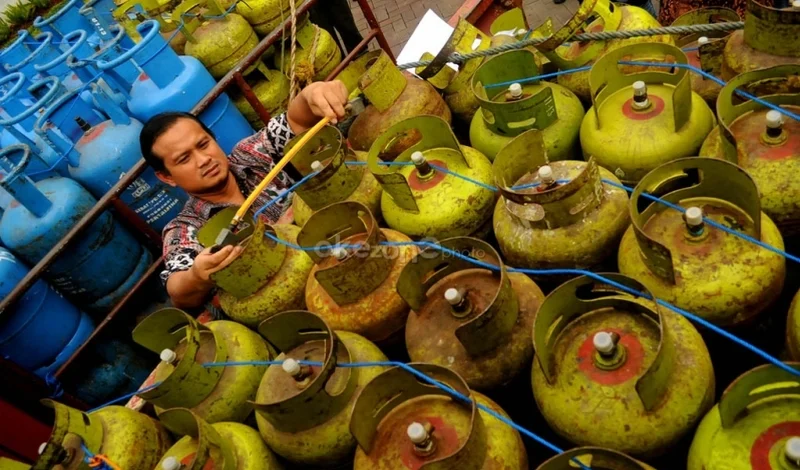
Cegah Kelangkaan, Pertamina Operasi Pasar Elpiji 3 Kg : Okezone Economy

by Lina Irawan September 13, 2026
written by Lina Irawan

Balikpapan — In response to widespread community concerns and rumors regarding a potential vacuum in the local energy supply chain, PT Pertamina Marketing Operation Region (MOR) VI Kalimantan swiftly deployed emergency market operations for 3-kilogram liquefied petroleum gas (LPG) cylinders across Balikpapan, East Kalimantan. The strategic intervention, executed on Thursday, November 5, 2015, was designed to directly counter panic-driven purchasing behaviors and reassure consumers that the government-subsidized energy commodities remained fully available within the region.

The mobilization of these targeted market operations highlights the delicate balance energy distributors must maintain between actual physical inventory and public sentiment. While official assurances from both corporate entities and municipal governments repeatedly confirmed adequate reserve levels, the psychological impact of localized queues and unverified scarcity reports necessitated immediate, tangible action from state-owned enterprises to restore public confidence.

Background Context of the Energy Distribution Landscape

During the mid-2010s, Indonesia’s distribution network for the heavily subsidized 3-kilogram LPG cylinders—affectionately referred to by citizens as "gas melon" due to its distinctive bright green coloration—frequently faced logistical and psychological hurdles. Designed exclusively for low-income households and micro-enterprises, the subsidized energy product required stringent oversight to ensure it reached its intended demographic without leaking into the commercial sector or falling victim to speculative hoarding.

Balikpapan, serving as a major economic and industrial hub in East Kalimantan, relied heavily on a structured supply chain managed through official agents and sub-agents (pangkalan). However, rapid urbanization, fluctuating maritime logistics connecting the island of Borneo with Java and other distribution nodes, and periodic spikes in consumer demand often triggered localized anxiety. Whenever rumors of supply disruptions circulated via word-of-mouth or early digital messaging platforms, consumer reactions were typically swift: long queues formed outside official distribution points, draining daily quotas within hours and creating a self-fulfilling prophecy of scarcity.

Chronology of the Intervention and Operational Deployment

The sequence of events leading to the November 5 market operations began earlier in the week, when reports and rumors regarding empty shelves at various retail points began circulating among Balikpapan residents. Anticipating potential panic buying and seeking to preempt any genuine distribution bottlenecks, PT Pertamina MOR VI mobilized its field teams to execute a localized supply injection.

According to official reports provided by corporate communications representatives on Thursday, November 5, 2015, the emergency intervention was structured around specific distribution points known for high population density and retail activity. Each designated operational site was initially allocated an abundant supply of 150 cylinders to satisfy immediate local demand.

The physical implementation of the market operations focused heavily on key neighborhoods. Pertamina established direct sales posts in areas such as Gunung Sari and the urban village (kelurahan) of Karang Jati. Despite initial concerns over empty shelves, the operational reality on the ground quickly debunked the severity of the shortage narrative. Monitoring data collected by field supervisors indicated that demand, while active, was easily met by the allocated stock. By afternoon, sales tallies revealed significant surpluses remaining at the deployment sites: Gunung Sari retained 80 unsold cylinders from its initial 150-unit allocation, while Karang Jati maintained a surplus of 50 units.

Expanding the safety net beyond these primary deployment zones, Pertamina concurrently extended the market operation framework across a network of 15 secondary distribution bases and sub-agents (pangkalan) throughout Balikpapan, ensuring that outlying residential zones shared in the stabilized supply buffer.

Official Responses and Stakeholder Perspectives

Addressing the public and media in Balikpapan, Andar Titi Lestari, speaking in her capacity as the Humas (Public Relations) representative for Pertamina MOR VI, firmly put to rest any notions of a systemic crisis. She emphasized that the primary motivation behind the deployment was preventative rather than corrective.

Cegah Kelangkaan, Pertamina Operasi Pasar Elpiji 3 Kg : Okezone Economy

"This operation is intended to anticipate the vacancies that were rumored to have occurred. Each location has been allocated 150 tubes," Titi stated during her briefing on Thursday, November 5, 2015. She reiterated that the physical stock within regional storage facilities and transit hubs remained robust, pointing out that the operational data—specifically the surplus cylinders remaining at the Gunung Sari and Karang Jati sites—demonstrated that local supply comfortably outstripped the actual consumption rate.

To prevent future recurrences of artificial shortages driven by consumer behavior, Pertamina issued a dual-pronged appeal to the public. First, consumers relying on the subsidized 3-kilogram cylinders were urged to purchase strictly according to their normal household consumption patterns, avoiding the temptation to stockpile. Second, and crucially, Pertamina strongly reminded members of the economically capable strata of society—households and businesses not qualifying for government welfare—to consciously pivot toward commercial alternative products.

"Since our stock is entirely sufficient, we urge members of the capable income bracket to purchase alternative LPG sizes, such as the 12-kilogram variants or the Bright Gas product line," Titi elaborated.

Local Government Validation

The assertions put forward by the state energy corporation were fully corroborated by municipal authorities. Arzeadi, serving as the Head of the Economic Section (Kabag Ekonomi) for the City Government of Balikpapan, stepped forward to provide administrative clarity, confirming that official monitoring channels had detected no structural deficits in the municipality’s energy reserves.

"From the information we have gathered, including comprehensive data provided directly by Pertamina, the stock of subsidized LPG remains completely secure," Arzeadi affirmed.

Offering a sociological and logistical explanation for the visual phenomenon of long queues that frequently misled the public into believing a crisis was unfolding, Arzeadi pointed to consumer behavior patterns at the retail level. Many official distribution bases enforced strict purchase caps—typically limiting individual buyers to a maximum of two 3-kilogram cylinders per transaction—to ensure equitable distribution among neighbors.

However, this regulation inadvertently fostered a workaround culture. "If there is a queue of people at a distribution base, it does not mean the gas is scarce. Usually, buyers are restricted to purchasing two cylinders per visit. However, individuals occasionally queue at multiple different bases to acquire more than their fair share, creating the outward illusion of a massive gas shortage," Arzeadi explained, shedding light on the mechanics of localized panic buying.

Broader Economic Implications and Systemic Analysis

The events of November 2015 in Balikpapan serve as a classic case study in the vulnerability of subsidized commodity supply chains to informational shocks. In developing and emerging economies like Indonesia, where state-mandated price controls protect vulnerable populations from global commodity price volatility, the psychological management of supply expectations is just as critical as physical pipeline logistics.

When a rumor of scarcity takes root, the resulting economic friction manifests as deadweight loss: consumers expend valuable time standing in multiple queues, transportation costs rise as buyers chase phantom inventories, and municipal officials are forced to divert administrative resources from long-term economic planning to manage short-term public relations crises.

Furthermore, the persistent challenge of subsidy leakage—whereby affluent consumers exploit price differentials by purchasing fuel intended strictly for the poor—remains a structural burden on the state budget. Pertamina’s active promotion of commercial alternatives like Bright Gas during the Balikpapan market operations represented an ongoing institutional effort to segment the market, gently steering higher-income demographics away from the subsidized pool without resorting to immediate, heavy-handed rationing mechanisms.

Ultimately, the successful containment of the Balikpapan LPG scare demonstrated the efficacy of rapid, transparent institutional communication coupled with modest, highly visible physical interventions. By flooding rumored deficit zones with surplus inventory and allowing local government officials to independently verify warehouse reserves, stakeholders effectively short-circuited the feedback loop of panic. The episode underscored a vital lesson for energy governance in decentralized regions: maintaining consumer trust requires not only an uninterrupted physical supply of fuel, but also an agile communication infrastructure capable of separating logistical reality from ground-level speculation.

September 13, 2026 0 comment
0 FacebookTwitterPinterestEmail
Food & Culinary

The Hidden Agricultural Potential of Kitchen Waste: Transforming Banana Peels into Nutrient-Rich Liquid Fertilizer for Home Gardening

by Dwi Wanna September 13, 2026
written by Dwi Wanna

In the heart of urban Jakarta and cities across the globe, a significant shift toward sustainable home gardening has transformed kitchen waste management habits. Among the most overlooked resources in the average household is the banana peel. While traditionally discarded, recent horticultural research and food science studies have highlighted that these peels are rich in essential minerals, particularly potassium and magnesium. When processed into a liquid solution, they offer a low-cost, eco-friendly method to supplement the health of ornamental plants and backyard vegetables, providing a viable alternative to synthetic boosters while simultaneously reducing organic waste in landfills.

The Nutritional Composition of Banana Peels

The efficacy of banana peel fertilizer stems from its chemical profile. Bananas (Musa acuminata) are widely recognized for their high potassium content, an essential macronutrient for plant physiology. Potassium plays a pivotal role in regulating stomatal opening and closing, facilitating water transport, and activating enzymes required for photosynthesis.

According to nutritional data, a single banana peel contains a concentrated supply of potassium, magnesium, phosphorus, and calcium. In the context of soil chemistry, these elements are categorized as primary and secondary macronutrients. Magnesium, in particular, is the central atom of the chlorophyll molecule, which is vital for the absorption of light and the overall vitality of the plant’s foliage. When these minerals are extracted through a blending process, they become bioavailable to the soil, potentially improving the health of root systems and the resilience of the plant against environmental stressors.

Historical Context and the Rise of Organic Gardening

The movement to utilize kitchen scraps as fertilizer is not a new phenomenon, but it has gained significant traction in the last decade. Historically, composting was the primary method for utilizing organic waste. However, the rise of "micro-gardening" in urban apartments—where space for traditional composting bins is non-existent—has necessitated faster, more efficient methods of nutrient delivery.

In the mid-2010s, urban agriculture proponents began circulating "DIY liquid fertilizer" recipes, with the banana peel extraction method emerging as one of the most popular. This trend gained momentum as global awareness of waste management rose. According to the Food and Agriculture Organization (FAO), approximately one-third of all food produced for human consumption is lost or wasted globally. By repurposing even a fraction of the millions of tons of banana peels generated annually, households can engage in a circular economy model that reduces the burden on municipal waste infrastructure.

The Procedural Guide: Preparing and Applying the Extract

For the modern home gardener, the process of creating a liquid extract from banana peels is designed to be accessible and efficient. The transformation follows a specific technical protocol to ensure maximum nutrient extraction:

  1. Collection and Preparation: Two to three fresh banana peels are collected. It is essential to ensure that the peels are free from labels or synthetic stickers. The peels are then cut into small segments, which increases the surface area for water interaction and blending efficiency.
  2. The Extraction Phase: The segments are placed in a blender with approximately one liter of clean water. The mechanical action of the blender serves to break down the cellular walls of the peel, accelerating the release of minerals into the water.
  3. Filtration: Once a homogeneous mixture is achieved, the liquid is strained through a fine-mesh cloth or sieve. This step is critical as it removes the fibrous pulp, which could otherwise invite mold or attract unwanted pests if left to decompose on the soil surface.
  4. Dilution and Application: Depending on the concentration, the mixture may be further diluted with water to prevent osmotic shock to the plant. The application is strictly limited to the base of the plant—the soil—to ensure that nutrients reach the root zone. Experts advise against spraying the leaves, as the sugar content of the peel residue could attract insects or encourage fungal growth on the foliage.

Analytical Perspectives: Supplementation vs. Substitution

While the benefits of banana peel fertilizer are scientifically grounded, agricultural experts caution against viewing this method as a panacea. The most common misconception among amateur gardeners is that organic liquids can entirely replace commercial fertilizers.

Dr. Aris Kusuma, an agricultural consultant, notes that while banana peel water provides a boost of potassium, it lacks the balanced N-P-K (Nitrogen, Phosphorus, and Potassium) ratio required for sustained, long-term plant growth. "Banana peel extract should be viewed as a supplemental tonic, not a comprehensive nutrient source," Kusuma explains. "It does not contain the necessary nitrogen levels required for leaf development or the specific micronutrients that formulated synthetic fertilizers offer. Relying solely on banana peels for long-term cultivation can eventually lead to nutrient deficiencies."

Furthermore, the application must be moderated. Excessive use, particularly in indoor environments with limited drainage, can lead to waterlogging, root rot, and an imbalance in soil pH. The "less is more" approach is the gold standard for home gardeners, with applications recommended on an intermittent basis rather than as part of every watering cycle.

Environmental Impact and Waste Mitigation

The broader implication of this practice lies in its contribution to waste reduction. Municipalities in Jakarta and other major metropolitan areas have struggled with the management of organic waste, which accounts for a significant portion of landfill volume. When organic waste ends up in landfills, it undergoes anaerobic decomposition, producing methane, a potent greenhouse gas.

By diverting banana peels to domestic gardens, households reduce their individual waste footprint. This decentralized approach to waste management aligns with international sustainability goals, such as the United Nations Sustainable Development Goal 12 (Responsible Consumption and Production). Even a minor percentage of households adopting this practice could lead to a measurable decrease in the volume of organic matter transported to city dumpsites.

Best Practices for Urban Growers

To successfully integrate banana peel extract into a gardening routine, enthusiasts should follow a set of established best practices to ensure plant safety and health:

  • Drainage Check: Ensure all pots have functional drainage holes. The addition of liquid fertilizer should never result in standing water at the bottom of the pot, as this creates a breeding ground for pathogens.
  • Soil Monitoring: Before application, check the moisture content of the soil. If the soil is already saturated, delay the application until the substrate has sufficiently dried.
  • Consistency: Do not replace professional-grade fertilizer schedules. If a plant has a specific feeding requirement—such as heavy feeders like tomatoes or roses—continue with established programs and use the banana peel extract only as a secondary, periodic additive.
  • Hygiene: Keep the blending equipment clean and use fresh peels. Using over-fermented or rotting peels can introduce unwanted bacteria into the soil ecosystem.

Future Research and Potential Limitations

The scientific community continues to explore the potential of household organic waste as a fertilizer. While the potassium-magnesium extraction from banana peels is effective for small-scale gardening, its efficacy in large-scale commercial farming remains limited due to the labor-intensive nature of the process and the inability to standardize the nutrient content. Every banana peel varies slightly in mineral content depending on the soil conditions in which the banana was grown, making it difficult to maintain a consistent nutrient profile for high-yield crops.

However, for the casual hobbyist, the practice remains a highly recommended educational tool. It fosters a deeper understanding of plant physiology and nutrient cycling. It also bridges the gap between urban living and nature, encouraging a more conscious interaction with the food chain.

Conclusion: A Sustainable Choice

The use of banana peel liquid fertilizer is a testament to the fact that modern gardening does not always require expensive, synthetic solutions. By repurposing common household waste, gardeners can provide their plants with essential minerals while contributing to a healthier environment. While it is not a complete replacement for balanced fertilization, its role as a supplemental nutrient source is both practical and ecologically responsible.

As the trend of urban home gardening continues to grow, practices like these serve as a vital link in the chain of sustainable living. They remind us that the items we categorize as "trash" often possess latent value, and that with a little knowledge and innovation, the simplest kitchen scraps can become a catalyst for growth in our homes and communities. Moving forward, the continued adoption of such practices, tempered by a realistic understanding of plant nutritional needs, will undoubtedly remain a hallmark of the conscious, environmentally-aware gardener.

September 13, 2026 0 comment
0 FacebookTwitterPinterestEmail
Travel & Tourism

Pasar Masih Labil Membuat Rupiah Kembali Muram

by Nila Kartika Wati September 13, 2026
written by Nila Kartika Wati

The Indonesian rupiah faced intense downward pressure on October 17, 2008, as persistent volatility in global and domestic financial markets continued to erode investor confidence. Trading sessions in the foreign exchange market opened with gloomy prospects for the local currency, driven primarily by ongoing shocks stemming from the global financial crisis. Market participants and economic analysts warned that the combination of international stock market crashes and domestic liquidity constraints was creating a highly irrational trading environment, leaving monetary authorities scrambling to defend the currency against relentless depreciation.

The fragility of the rupiah underscored the severe transmission mechanisms of the 2008 global financial crisis into emerging markets. As major economies in the West grappled with the fallout of the subprime mortgage meltdown and the collapse of key financial institutions, developing markets like Indonesia found themselves caught in the crossfire. Foreign capital flight, driven by panic and a desperate need for liquidity among global institutional investors, became the primary driver behind the rupiah’s slide. Despite proactive policy measures implemented by Bank Indonesia (BI) and the government, the sheer magnitude of external shocks overwhelmed short-term stabilization efforts, exposing the vulnerability of domestic asset markets to systemic global events.

Chronology of the October 2008 Market Turmoil

The pressure on the rupiah on October 17 was the culmination of weeks of escalating turmoil across international and domestic financial ecosystems. The timeline of events leading up to this critical trading day illustrated the rapid deterioration of market sentiment:

September 15, 2008: The collapse of Lehman Brothers sent seismic shockwaves through global financial markets, freezing interbank lending rates and triggering a severe global liquidity crunch.
Late September 2008: Indonesian stock and currency markets began experiencing sharp corrections as foreign portfolio investors initiated aggressive sell-offs to repatriate funds to parent institutions in the United States and Europe.
Early October 2008: Bank Indonesia intervened repeatedly in the foreign exchange market and adjusted monetary policy tools, including reductions in the BI rate and the statutory reserve requirement (Giro Wajib Minimum/GWM), in an attempt to inject liquidity into the local banking system.
October 15–16, 2008: Wall Street’s Dow Jones Industrial Average suffered another massive plunge, shedding hundreds of points in a single session amid erratic trading patterns. This renewed international sell-off immediately reverberated across Asian bourses.
October 17, 2008: Foreign exchange markets opened with expectations of continued rupiah depreciation, with analysts projecting the exchange rate to breach the psychological threshold of 9,900 per US dollar if global equity indexes failed to stabilize.

Perspectives from Foreign Exchange Analysts

Fahrial Anwar, a prominent money market observer from Bank Negara Indonesia (BNI), provided critical insights into the mechanics of the rupiah’s decline. Speaking on developments leading into the October 17 trading session, Anwar highlighted the direct correlation between Wall Street’s performance and capital flows in Jakarta.

"The sharp plunge in the Dow Jones index has forced foreign investors to once again liquidate their holdings in Indonesia, converting their rupiah assets into US dollars," Anwar explained during an interview. He projected that the rupiah could test the 9,900-per-dollar mark if ongoing volatility on Wall Street persisted.

Anwar elaborated that the core issue was the inability of the US financial crisis to find a bottom, which induced widespread panic across domestic markets. International investors, facing severe liquidity shortages and unable to secure traditional lines of credit in Western markets, treated their emerging market portfolios as sources of immediate cash. Consequently, equities were dumped, and the resulting rupiah proceeds were converted into hard currency and repatriated.

Pasar Masih Labil Membuat Rupiah Kembali Muram : Okezone Economy

Furthermore, Anwar criticized the erratic nature of domestic price action, describing the contemporary market as fundamentally unhealthy. He pointed out that daily fluctuations of up to 100 points in the exchange rate indicated a detachment from rational economic fundamentals, transforming the foreign exchange market into a theater of emotional reaction rather than price discovery.

Inadequate Monetary Interventions

Prior to the October 17 market session, Indonesian monetary authorities had deployed several traditional policy tools to insulate the domestic economy from external shocks. Bank Indonesia lowered the benchmark interest rate and reduced the primary reserve requirements for commercial banks in an effort to ease tight rupiah liquidity and encourage lending.

However, these measures proved insufficient in halting the rupiah’s slide. Financial analysts noted that monetary easing, while necessary for domestic credit health, did little to stem the hemorrhage caused by international capital flight. When global investors are mandated to deleverage and cover balance-sheet losses at home, local interest rate cuts carry minimal weight in altering their exit strategies.

In light of these limitations, market experts renewed calls for structural interventions. Anwar strongly urged the government and central bank to implement more stringent regulatory controls over foreign exchange transactions. Specifically, he recommended measures to monitor, restrict, and manage short-term speculative capital flows—commonly referred to as "hot money"—to prevent destabilizing surges of capital outflows during global crises.

Broader Economic Implications and Structural Risks

The predicament faced by the rupiah in mid-October 2008 carried profound implications for Indonesia’s broader macroeconomy. A rapidly depreciating currency introduced severe imported inflation risks, raising the costs of vital imports such as energy, raw materials, and capital goods. For domestic corporations holding unhedged foreign-currency debt, a weaker rupiah substantially increased debt-servicing burdens, threatening corporate solvency across multiple sectors.

At the same time, the aggressive withdrawal of foreign capital exerted heavy downward pressure on the Jakarta Composite Index (IHSG), leading Bank Indonesia and the capital market regulator to contemplate emergency trading halts and temporary market closures during peak volatility periods to protect domestic asset valuations.

The events of October 17, 2008, served as a stark reminder of the interconnectivity of global financial architecture. For policymakers in Jakarta, the crisis underscored the urgent need to build domestic economic resilience, enhance foreign exchange reserve buffers, and design macroprudential frameworks capable of withstanding systemic international shocks. The ongoing battle to stabilize the rupiah demonstrated that conventional monetary adjustments alone were inadequate when facing a global liquidity panic, signaling a turning point in how emerging markets approach capital account management and financial market surveillance.

September 13, 2026 0 comment
0 FacebookTwitterPinterestEmail
Travel & Tourism

Inul Daratista Expands Business Empire with Unique Korean Culinary and Karaoke Concept in Jakarta

by Nana September 13, 2026
written by Nana

The landscape of Indonesia’s entertainment and culinary industry is witnessing a significant evolution as prominent dangdut singer and business mogul Inul Daratista unveils her latest venture, Min Sok Chon. This new establishment marks a strategic diversification for the entertainer, who has successfully bridged the gap between the music industry and the service sector for over two decades. By integrating authentic Korean cuisine with the signature Inul Vizta karaoke experience, the venture aims to tap into the burgeoning popularity of K-culture in Indonesia while leveraging the singer’s established brand equity in the karaoke market.

The launch of Min Sok Chon represents a calculated move to capitalize on two distinct consumer trends: the enduring popularity of Korean gastronomy and the social habit of karaoke, which remains a staple of urban entertainment in Indonesia. By merging these two concepts under one roof, Inul Daratista is creating a "third space" that appeals to both families and young professionals looking for a comprehensive dining and entertainment experience.

Strategic Vision and Business Model

The concept behind Min Sok Chon is grounded in the "edutainment" and "eat-and-play" business models that have proven successful in Southeast Asian markets. While many restaurants focus exclusively on culinary output, Inul’s model prioritizes the "experience economy." By incorporating her own brand, Inul Vizta—one of the largest karaoke chains in the country—into the restaurant’s infrastructure, she effectively lowers the cost of customer acquisition by cross-promoting her existing business assets.

The decision to lean into a classic, rather than modern, Korean aesthetic is a nuanced choice. While many establishments in Jakarta opt for high-tech, neon-lit, or minimalist modern designs, Min Sok Chon’s rustic and traditional approach aims to offer a nostalgic and immersive environment. This "old-world" Korean charm provides a distinct visual differentiation in a market saturated with sleek, modern K-BBQ joints.

Inul Daratista Buka Restoran Korea, Pengunjung Bisa Makan Sambil Karaoke

Culinary Authenticity and Halal Compliance

A critical component of any international culinary venture in Indonesia is the adaptation to local dietary requirements. In the Indonesian market, where the majority of the population follows Islamic dietary laws, the "Halal" designation is not merely a preference but a market necessity. Min Sok Chon has positioned itself as a provider of authentic Korean cuisine that strictly adheres to Halal standards, ensuring a broad appeal across diverse demographics.

To maintain the integrity of the flavors, the restaurant has taken the significant step of employing chefs brought directly from South Korea. This decision underscores a commitment to culinary authenticity. In a market where "Korean-style" food is often localized to the point of losing its original character, the presence of Korean chefs ensures that the flavor profile remains faithful to the peninsula’s culinary traditions. This approach addresses the increasing sophistication of Indonesian diners who are better traveled and more knowledgeable about international cuisines than ever before.

Contextualizing Inul Daratista’s Entrepreneurial Journey

To understand the significance of this expansion, one must look at the trajectory of Inul Daratista as an entrepreneur. Her transition from a national music icon to a business leader began in the mid-2000s. The launch of Inul Vizta was a pivotal moment in the domestic entertainment industry, professionalizing the karaoke experience and setting high standards for service and safety in a sector that was previously fragmented.

Over the years, Inul has navigated the complexities of the Indonesian regulatory environment and the volatility of the retail sector. Her business portfolio has faced various challenges, including the global pandemic that forced the closure of entertainment venues, and more recently, issues involving identity theft and digital fraud. Despite these hurdles, her ability to pivot and launch new concepts indicates a high level of resilience and an astute understanding of market shifts. The move into the restaurant business is, in many ways, a natural extension of her hospitality experience, as both karaoke and dining rely on high-volume foot traffic and customer retention strategies.

Market Analysis: The K-Wave in Indonesia

The Indonesian market for Korean products, media, and food has seen exponential growth over the last decade, driven largely by the proliferation of streaming platforms and social media. According to recent trade reports, the demand for Korean food products in Indonesia has surged, with a significant increase in the number of Korean-themed restaurants in Jakarta alone.

Inul Daratista Buka Restoran Korea, Pengunjung Bisa Makan Sambil Karaoke

However, the market is also becoming increasingly competitive. Large-scale franchises and boutique establishments are vying for a share of the consumer wallet. By offering a "hybrid" experience—where the meal is accompanied by the ability to sing—Min Sok Chon addresses the "time-spent" metric. In the restaurant industry, increasing the duration of a customer’s stay often correlates with higher average spending per table, provided the venue can manage the balance between dining and entertainment facilities effectively.

Operational Challenges and Future Prospects

While the concept is promising, the implementation of a hybrid model carries inherent operational challenges. Managing a high-turnover restaurant kitchen while simultaneously maintaining the acoustics and sound-system requirements of a professional-grade karaoke facility requires a complex management structure. The integration of these two service streams will necessitate a highly trained staff capable of multitasking across hospitality and entertainment sectors.

Furthermore, the restaurant must maintain a consistent quality-to-price ratio to compete with established competitors. With the rising cost of imported ingredients, maintaining a "Halal" and "Authentic" standard while keeping prices accessible for the mass market will be a key performance indicator in the coming quarters.

Official Statements and Industry Reactions

Reflecting on the vision for her new venture, Inul Daratista emphasized the seamless integration of her two passions. "Makan sambil karaoke. Tetap, karaokenya Inul Vizta. Jadi sambil makan, pengunjung bisa nyanyi-nyanyi di sini," she noted during a recent media briefing. Her statement highlights the simplicity of the proposition: the value lies in the consolidation of two distinct entertainment activities.

Industry observers suggest that if the concept succeeds, it could serve as a blueprint for future expansion. Should Min Sok Chon prove viable in Jakarta, the scalability of the model—replicating the restaurant-karaoke hybrid in other major Indonesian cities—becomes a logical next step. Analysts indicate that investors and stakeholders in the hospitality industry are watching the rollout closely, as it represents a shift toward more integrated, experience-led consumer spaces in the post-pandemic era.

Inul Daratista Buka Restoran Korea, Pengunjung Bisa Makan Sambil Karaoke

Broader Implications for the Hospitality Sector

The launch of this venture is emblematic of a broader trend where celebrities are moving beyond simple product endorsements to become active stakeholders and operators in the businesses they represent. This "celebrity-operator" model allows for more direct control over quality and brand messaging, which is essential in a digital age where social media reviews can dictate the success or failure of a brand in real-time.

Moreover, the focus on authentic, internationally sourced culinary talent within the local halal framework suggests a maturation of the Indonesian middle class. Consumers are no longer satisfied with mere imitations; there is a tangible demand for a genuine cultural experience, provided it respects local sensitivities.

Conclusion: A New Chapter

As Min Sok Chon begins its operations, the focus will undoubtedly remain on service excellence and the ability to manage the logistics of a dual-purpose venue. Inul Daratista has once again proven her ability to anticipate consumer interests and adapt her business strategy accordingly. Whether the combination of Korean culinary arts and the karaoke culture will set a new trend in the Indonesian service industry remains to be seen, but the initial reception suggests that the market is ready for a more dynamic and interactive dining experience.

The success of this project will likely depend on the synergy between the authentic culinary offerings and the technical performance of the karaoke facilities. By betting on a blend of tradition and entertainment, Inul Daratista continues to solidify her position not just as a singer, but as a formidable force in the Indonesian business landscape. The coming months will be crucial as the establishment gathers feedback and refines its operations, potentially setting a new standard for how entertainment and dining can coexist in a modern urban environment.

September 13, 2026 0 comment
0 FacebookTwitterPinterestEmail
Newer Posts
Older Posts

Recent Posts

  • Darmin: Urusan Perpanjangan Freeport Belum Selesai
  • Rizal Ramli Silent on Petral Dissolution Following Ministry Announcement to Disband Controversial Trading Arm Amid Governance Reforms
  • Jokowi and Rini Soemarno Inspect TPPI Tuban Refinery to Mark Strategic Revival for National Energy Security
  • Indonesia Harus Cari Alternatif Energi Selain Batu Bara
  • Sebelum Tinjau Kilang TPPI, Rini Soemarno Cicipi Semangka Tuban

Recent Comments

No comments to show.
  • Facebook
  • Twitter

@2021 - All Right Reserved. Designed and Developed by PenciDesign


Back To Top
Dara News Media
  • Home
  • About Us
  • Contact Us
  • Cookies Policy
  • Disclaimer
  • DMCA
  • Privacy Policy
  • Terms and Conditions

We are using cookies to give you the best experience on our website.

You can find out more about which cookies we are using or switch them off in .

Dara News Media
Powered by  GDPR Cookie Compliance
Privacy Overview

This website uses cookies so that we can provide you with the best user experience possible. Cookie information is stored in your browser and performs functions such as recognising you when you return to our website and helping our team to understand which sections of the website you find most interesting and useful.

Strictly Necessary Cookies

Strictly Necessary Cookie should be enabled at all times so that we can save your preferences for cookie settings.