• Home
  • About Us
  • Contact Us
  • Cookies Policy
  • Disclaimer
  • DMCA
  • Privacy Policy
  • Terms and Conditions
Dara News Media
keep your memories alive
Politics

Korban Tewas Kebakaran Feri di Filipina Melonjak Menjadi 76 Orang

by Basiran September 12, 2026
written by Basiran

The death toll from the catastrophic fire aboard the M/V June Aster off the coast of the Philippines has surged to 76, authorities confirmed on Saturday, September 12, 2026. This grim development follows a intensive search and recovery operation conducted by the Philippine Coast Guard (PCG), which discovered 41 additional bodies trapped within the charred, skeletal remains of the vessel. The tragedy, which occurred on Wednesday, September 9, has sent shockwaves through the nation, once again highlighting the persistent challenges regarding maritime safety in the archipelagic country.

Chronology of the Disaster

The disaster began late Wednesday morning when the M/V June Aster, a passenger ferry navigating the waters near the tourist destination of Coron, Palawan, suddenly erupted into flames. Initial reports suggested that the fire spread with alarming speed, catching many passengers and crew members off guard. The vessel, now a blackened hulk, is currently grounded approximately 7.5 kilometers (4.5 miles) from the coastline, serving as a stark monument to one of the deadliest maritime incidents in recent memory.

Following the outbreak of the fire, emergency response teams were deployed to the scene. Early efforts were hampered by the intensity of the inferno and the structural instability of the ferry. On the day of the incident, initial reports confirmed only five fatalities, but as the search and rescue teams gained access to the lower decks and interior compartments, the scale of the disaster became painfully apparent.

By Friday, recovery efforts shifted to a recovery operation as hopes for finding survivors dwindled. On Saturday morning, the Coast Guard intensified its sweep, resulting in the discovery of 41 bodies. Earlier that day, 30 additional remains had already been transported to the port of Coron, where a makeshift morgue and disaster management hub have been established to handle the surge of victims.

The Forensic Challenge

The identification process is expected to be a long and arduous endeavor. Given the intensity of the blaze, many of the remains were recovered in a condition that precludes immediate visual identification. The Philippine government has mobilized forensic experts to oversee the process, which will rely heavily on DNA testing and dental records.

Kristine Ablana, a local tourism official acting as a spokesperson for the emergency response committee, stated that authorities have prepared temporary burial plots in the town of Coron. "We have prepared individual grave sites, each a meter deep, to ensure that the victims are treated with dignity while we conduct the necessary forensic procedures," Ablana noted. The process of DNA sampling is essential, as families from various parts of the country are currently awaiting news of their missing relatives. The government has pledged to cover the costs of these procedures and to provide assistance to the families of the victims.

Maritime Safety in the Philippines: A Recurring Crisis

The Philippines, an archipelago comprising over 7,000 islands, is heavily dependent on sea transport. Ferries are the primary mode of transit for millions, but the industry has been plagued by a history of accidents. The M/V June Aster tragedy is the latest in a long line of maritime disasters involving aging fleets, overcrowding, and lapses in safety protocols.

Historically, the Philippine maritime sector has struggled with the "RORO" (Roll-on/Roll-off) ferry culture. While these vessels are efficient for transporting vehicles and passengers, they are prone to rapid capsizing and fire hazards if cargo is not properly secured or if electrical systems are not strictly maintained. Data from the Maritime Industry Authority (MARINA) and international safety organizations indicate that while regulations have been tightened over the last decade, the sheer volume of maritime traffic makes enforcement a gargantuan task.

In the wake of this disaster, public discourse has shifted toward the need for mandatory vessel upgrades and stricter oversight of private ferry operators. Critics argue that despite numerous legislative efforts to modernize the maritime industry, the reliance on older vessels continues to place passengers at unnecessary risk.

Official Responses and Inquiries

The Department of Transportation (DOTr) and the Philippine Coast Guard have initiated a formal investigation into the fire. While the exact cause remains under determination, investigators are looking into potential electrical failures in the engine room, as well as whether safety equipment—such as fire suppression systems and life rafts—was functional and accessible at the time of the fire.

"We are committed to a transparent and thorough investigation," said Coast Guard Commodore Noemie Cayabyab. "Our primary focus right now is the recovery of all victims and ensuring that the families receive the support they need. Once the search operations are concluded, we will pivot fully to uncovering the root cause of this tragedy to prevent a recurrence."

The government has also declared a period of mourning in the province of Palawan, with flags flying at half-mast in local government buildings. Local officials have praised the swift response of nearby fishermen and private vessels that assisted in the initial evacuation, noting that without their immediate intervention, the death toll could have been significantly higher.

Broader Economic and Social Implications

The incident carries significant implications for the tourism industry in Palawan, a province that has consistently ranked as one of the world’s top island destinations. Coron, known for its pristine waters and world-class diving sites, relies heavily on maritime transit for both tourism and the movement of goods. A disaster of this magnitude may lead to a temporary decline in confidence regarding ferry travel, potentially impacting the local economy as the peak tourist season approaches.

Furthermore, the logistical burden of managing such a high number of casualties in a smaller, regional municipality like Coron has highlighted deficiencies in local emergency response infrastructure. While the town has managed the influx of bodies with professionalism, the event has prompted calls for the central government to allocate more resources to regional disaster management offices, specifically for forensic and mortuary capabilities in remote provinces.

Future Outlook

As the investigation continues, the focus will likely turn toward the accountability of the ferry operator. Under Philippine law, owners of vessels involved in fatal accidents face stringent administrative and criminal inquiries. If negligence is proven, the owners could face heavy fines, suspension of their operational licenses, and potential criminal charges for reckless imprudence resulting in multiple homicides.

For the families of the 76 victims, the coming weeks will be characterized by the agonizing wait for DNA results and the eventual funeral services. The tragedy of the M/V June Aster serves as a somber reminder of the delicate balance between the economic necessity of maritime transit and the non-negotiable requirement for passenger safety. As the nation mourns, the clamor for systemic reform within the Philippine maritime industry grows louder, with the hope that the lives lost in this disaster will force a permanent change in how safety is managed, monitored, and maintained in the Philippine seas.

The recovery operation remains ongoing as divers continue to inspect the submerged sections of the hull, and authorities remain on high alert to ensure the vessel does not pose an environmental hazard, such as an oil spill, in the fragile marine ecosystem of the Palawan coast. The world watches as the Philippines grapples with this tragedy, waiting to see what lessons will be learned and, more importantly, what actions will be taken to ensure that the waters of the archipelago become safer for all who traverse them.

September 12, 2026 0 comment
0 FacebookTwitterPinterestEmail
Business & Economy

Global Oil Prices Surge Past $90 per Barrel Amid Geopolitical Tensions, Raising Economic alarms for Indonesia

by Asro September 12, 2026
written by Asro

The final days of August 2026 have ushered in renewed economic anxiety across emerging markets, spearheaded by a sharp and unsettling rebound in international crude oil prices. Propelled by escalating geopolitical volatility and persistent threats to critical maritime supply routes, benchmark Brent crude breached the threshold of $90.41 per barrel on Monday, August 31, 2026. For hydrocarbon-reliant importing nations, this upward trajectory sets off immediate policy and fiscal alarms. In Indonesia, Southeast Asia’s largest economy, the shockwave of soaring global energy markets is felt across multiple economic layers, reverberating directly through state budget projections, domestic fuel pricing mechanisms, inflationary pressures, and broader macroeconomic stability.

While global energy markets are inherently volatile, the convergence of multiple supply-side bottlenecks and shifting demand dynamics in the third quarter of 2026 has created a precarious environment. Policymakers, central bankers, and state energy enterprises are now locked in intensive evaluations to balance fiscal health against the purchasing power of ordinary citizens. The central question dominating financial corridors in Jakarta is no longer simply about the cost of a barrel of oil, but rather how deeply the cascading effects will penetrate the domestic economy over the remainder of the fiscal year.

Geopolitical Friction and the Anatomy of the Price Surge

The primary driver behind the late-August price surge is not an explosion in global consumption, but rather a profound tightening of actual and perceived global supply. Geopolitical friction points in the Middle East have once again taken center stage. Disruptions, naval maneuvers, and security threats around the critical Strait of Hormuz—a crucial chokepoint through which a significant fraction of the world’s petroleum is transported—have injected severe risk premiums into the market. Energy traders have increasingly priced in the probability of sudden, protracted supply blockades.

This supply-side constraint unfolds against a nuanced backdrop of global demand. According to comprehensive data tracking by Reuters, global oil demand for 2026 is actually projected to contract by approximately 1 million to 1.6 million barrels per day. This softening is predominantly attributed to a cooling industrial appetite and declining crude imports from China, the world’s second-largest economy. Yet, despite this broader cooling in global demand, the acute specter of supply disruption has thoroughly overwhelmed demand-side relief, maintaining an upward pressure on crude prices that analysts warn could keep Brent hovering above $80 per barrel for the duration of 2026.

The Domestic Dilemma: Non-Subsidized Versus Subsidized Fuel

In Indonesia, the immediate public reaction to rising global oil prices typically centers on domestic fuel costs. However, the architectural design of Indonesia’s energy pricing policy creates a stark dichotomy between subsidized and non-subsidized petroleum products.

Non-subsidized fuels, most notably Pertamax, operate under a market-responsive framework. State-owned energy giant PT Pertamina (Persero), alongside the Ministry of Energy and Mineral Resources (ESDM), continuously monitors global crude benchmarks and refined product indices to determine retail pricing adjustments. The economic cost of Pertamax is directly tethered to the landed cost of crude oil and processing expenditures. Consequently, sustained rallies in the global energy market translate into immediate upward pricing pressures for non-subsidized consumers. Ministry of Energy officials have repeatedly reiterated that while Pertamax follows market realities, retail adjustments require careful calibration to prevent sudden shocks to consumer spending.

Conversely, government-subsidized fuels such as Pertalite operate under strict fiscal insulation. To shield the domestic populace from the immediate brunt of international market shocks, the Indonesian government maintains a steadfast policy of capping subsidized fuel prices. Minister of Finance Purbaya Yudhi Sadewa recently reaffirmed this stance, assuring the public that the retail price of Pertalite will remain untouched, even if international benchmarks like Brent crude temporarily graze or surpass the psychological threshold of $100 per barrel. This structural insulation ensures that while middle-to-upper-income vehicle owners utilizing non-subsidized fuel absorb market fluctuations immediately, the broader lower-income demographic remains temporarily buffered from direct retail price hikes.

Fiscal Repercussions and the Indonesian Crude Price (ICP) Equation

Beneath the surface of retail fuel prices lies a complex web of fiscal accounting managed through the state budget, or Anggaran Pendapatan dan Belanja Negara (APBN). The primary administrative benchmark used by the Indonesian government to calculate its oil and gas fiscal health is the Indonesian Crude Price (ICP).

Data from the Ministry of Energy and Mineral Resources indicates that the ICP stood at $81.68 per barrel in July 2026, registering a slight contraction from $83.45 per barrel in June. However, the sudden surge of Brent past $90 per barrel at the close of August signals that upcoming ICP calculations will likely trend upward, putting strain on budgetary assumptions.

In the formulation of the 2026 State Budget (APBN 2026), the Indonesian government penciled in a conservative baseline ICP assumption of $70 per barrel. When actual market realizations persistently outstrip this baseline assumption, the fiscal math shifts dramatically. If global oil prices remain elevated while subsidized fuel and energy compensation costs are frozen at current domestic levels, the government faces ballooning fiscal liabilities. Subsidies and compensation funds destined for energy distributors must expand, potentially diverting crucial capital away from infrastructure development, social assistance programs, and long-term economic diversification initiatives.

Furthermore, the overall impact on the APBN is dictated by a multi-variable equation. Beyond the raw ICP figure, fluctuations in the exchange rate of the Indonesian rupiah against the United States dollar, domestic fuel consumption volumes, and state revenues derived from upstream oil and gas production collectively determine the ultimate health of the national fiscal posture.

Macroeconomic Tremors: Inflation, Capital Markets, and Purchasing Power

The broader macroeconomic implications of prolonged high energy prices extend far beyond government ledgers, seeping directly into the daily lives of citizens and the operational frameworks of local businesses.

Inflationary pressure remains one of the most immediate macroeconomic threats. When the costs of energy and fuel rise—particularly impacting logistics, freight forwarding, and commercial transportation—the increased overhead is inevitably passed down the supply chain. From the distribution of staple agricultural goods to urban public transit and industrial manufacturing output, higher energy input costs ripple across all sectors. If unmitigated, this cost-push inflation erodes the real purchasing power of households, dampening domestic consumption, which has historically served as the primary engine of Indonesian economic growth.

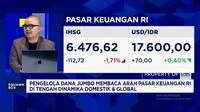
Financial markets have also registered immediate sensitivity to the energy shock. Regional equities across Asia, including the Jakarta Composite Index (IHSG), experienced notable downward pressure toward the end of August. Market analysts noted that foreign capital outflows and cautious domestic sentiment were heavily influenced by the macroeconomic headwinds generated by surging global commodity prices, illustrating how deeply integrated domestic capital markets are with global energy trends.

Strategic Outlook and Government Vigilance

As Indonesia navigates the closing months of 2026, the resurgence of global oil prices serves as a stark reminder of the nation’s ongoing vulnerability to external geopolitical shocks. While domestic fiscal cushions and energy subsidies provide vital short-term relief to vulnerable populations, the structural costs associated with high energy imports and expanding fiscal subsidies demand rigorous, long-term vigilance.

Policymakers face the delicate task of balancing fiscal prudence with social protection. Maintaining the affordability of subsidized fuels protects the immediate welfare of the masses, but it simultaneously increases the burden on state finances if global prices remain structurally high. For businesses and consumers alike, the current economic climate underscores the urgency of transitioning toward energy efficiency, domestic renewable alternatives, and enhanced supply-chain resilience. Ultimately, Indonesia’s ability to weather the current oil market turbulence will depend on disciplined fiscal management, strategic energy reserves, and adaptive macroeconomic policies designed to insulate the domestic economy from external storms.

September 12, 2026 0 comment
0 FacebookTwitterPinterestEmail
Business & Economy

President Prabowo Subianto Emphasizes National Resilience and Self-Sufficiency at the 18th BRICS Summit in New Delhi

by Iffa Jayyana September 12, 2026
written by Iffa Jayyana

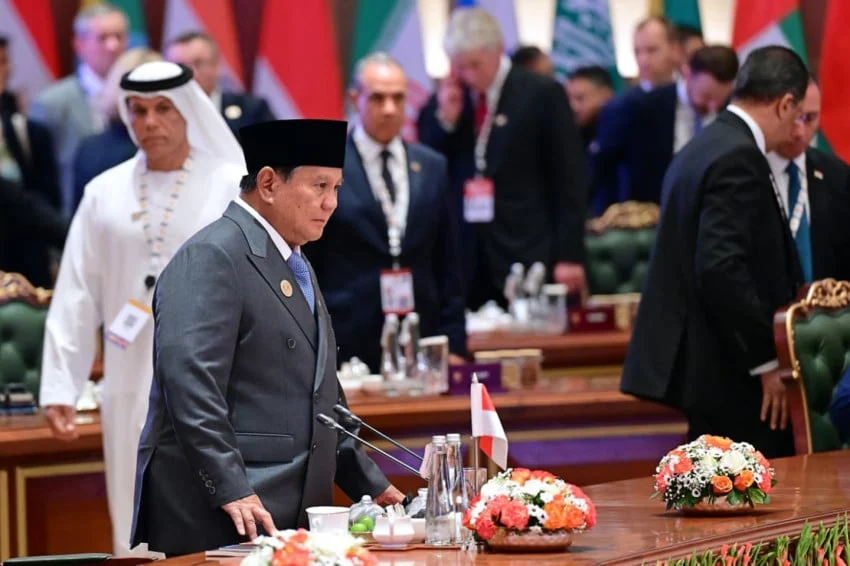
President Prabowo Subianto of Indonesia underscored the critical importance of national resilience and economic self-sufficiency during his address at the 18th BRICS Summit held in New Delhi, India, on Saturday, September 12, 2026. Speaking during a high-level closed session titled Inclusive Global Governance and Strengthening Multilateralism, the Indonesian leader articulated a vision where domestic stability serves as the foundational pillar for effective international cooperation. His remarks come at a pivotal time as the BRICS bloc—originally comprising Brazil, Russia, India, China, and South Africa—continues to expand its influence and membership, positioning itself as a central counterweight in the evolving landscape of global governance.

The focus on self-reliance reflects a broader strategic shift in Indonesian foreign policy, which seeks to balance its non-aligned tradition with proactive participation in emerging economic powerhouses. President Prabowo argued that true sovereignty in the 21st century is not merely a political construct but an economic reality anchored in the state’s capacity to provide for its populace.

The Foundation of National Sovereignty

Addressing fellow heads of state and government representatives, President Prabowo laid out a clear hierarchy of national priorities. He contended that international alliances, including membership in BRICS, are most effective when member nations possess the internal strength to sustain their own populations. According to the President, the strength of a nation begins at home, starting with the fundamental ability to guarantee food security, ensure a stable and sustainable energy supply, provide quality education, and create economic opportunities that lead to widespread prosperity.

"With unity, we become stronger," President Prabowo stated during the session. "However, strength must always originate from within—through our ability to meet the food requirements of our citizens, secure the energy supplies they depend on, educate the next generation, and provide them with the pathways to a dignified and prosperous life. This is the only way to build a nation that is truly resilient and independent."

This emphasis on "bottom-up" resilience is a core tenet of the Prabowo administration’s domestic policy, which emphasizes downstreaming industries and increasing agricultural productivity to reduce dependence on volatile global supply chains.

Contextualizing the 18th BRICS Summit

The 18th BRICS Summit in New Delhi represents a milestone for the bloc, which has increasingly sought to define itself as a champion of the "Global South." Since the bloc’s initial expansion in 2023, the organization has navigated the complexities of integrating new member states while attempting to standardize its collective economic agenda. The theme of this year’s summit, Inclusive Global Governance, addresses the long-standing critique by developing nations that international financial institutions—such as the IMF and the World Bank—are skewed toward the interests of the Global North.

For Indonesia, joining the dialogue and formalizing deeper ties with BRICS is seen as a strategic maneuver to broaden market access and strengthen diplomatic leverage. The summit serves as a platform for Jakarta to advocate for a more equitable global order, where the interests of developing economies are prioritized in trade negotiations, climate finance, and technology transfer.

Chronology of Indonesia’s Engagement with BRICS

Indonesia’s journey toward its current involvement with BRICS has been marked by a cautious but deliberate progression:

  • 2023: During the BRICS Summit in Johannesburg, Indonesia participated as an observer, signaling its interest in the group’s economic potential without immediately seeking full membership.
  • Early 2024: Following his election, President Prabowo signaled that his administration would pursue an active, "good neighbor" policy that seeks economic partnerships regardless of ideological divisions.
  • Late 2024–2025: Technical working groups were established between the Indonesian Ministry of Foreign Affairs and BRICS secretariats to assess the feasibility of integration and its impact on Indonesia’s existing trade agreements.
  • September 12, 2026: President Prabowo attends the 18th BRICS Summit in New Delhi, marking a significant milestone in Indonesia’s high-level engagement with the bloc’s leadership.

Economic Data and Strategic Implications

The push for resilience is supported by economic realities facing the Indonesian archipelago. Indonesia, as the largest economy in Southeast Asia, maintains a GDP growth rate consistently hovering around 5%. However, the country remains vulnerable to global price fluctuations in energy and agricultural commodities.

Data from the Indonesian Central Bureau of Statistics (BPS) indicates that while the nation has made strides in food security, the import dependency for certain commodities—such as wheat and sugar—remains a strategic vulnerability. Furthermore, the global energy transition presents both a challenge and an opportunity; as a major coal exporter, Indonesia is under pressure to pivot toward renewable energy sources. Prabowo’s focus on energy security, as mentioned at the summit, is intrinsically linked to the national "Green Energy Transition" program, which aims to leverage Indonesia’s massive nickel reserves for the global battery and electric vehicle (EV) supply chain.

Analysts suggest that alignment with BRICS could offer Indonesia a hedge against Western protectionism. By diversifying trade routes and exploring alternative payment mechanisms—such as the potential use of local currencies in cross-border transactions—Indonesia aims to insulate its economy from the shocks of the U.S. dollar’s volatility.

Global Reactions and Diplomatic Perspectives

The rhetoric adopted by President Prabowo in New Delhi has been welcomed by other emerging economies within the bloc. Observers in India and China have noted that Indonesia’s pragmatic approach—focusing on food and energy security—aligns closely with the "BRICS Plus" objective of fostering internal cooperation rather than external confrontation.

Dr. Aris Nugroho, a senior analyst at the Institute for Global Strategic Studies, commented on the significance of the address: "President Prabowo is recalibrating the narrative. By focusing on food and energy, he is shifting the conversation from abstract geopolitical alignments to concrete, tangible benefits for the citizen. This is a language that resonates across the Global South. It effectively legitimizes the bloc as a vehicle for real development rather than just a diplomatic club."

However, Western diplomats have monitored the summit with a degree of caution. There is lingering concern that the expansion of BRICS could lead to a fragmented global trading system. In response to these concerns, the Indonesian government has consistently maintained that its involvement with BRICS does not signal a departure from its traditional "Free and Active" foreign policy. Instead, it is framed as a policy of "multiplexity"—engaging with all major power centers to maximize national interest.

Broader Impact on Multilateralism

The 18th BRICS Summit highlights the limitations of current multilateral frameworks. The discussions in New Delhi reflect a growing consensus among participating nations that the status quo of global governance is increasingly incapable of addressing the challenges of the 21st century, such as climate change, pandemics, and debt crises.

By emphasizing "Inclusive Global Governance," the summit is attempting to propose an alternative architecture. President Prabowo’s call for self-sufficiency acts as a stabilizing element within this, suggesting that a strong, independent Indonesia is a better partner to the world than one reliant on the charity of others.

The implications for Indonesia are twofold. Domestically, the government is likely to accelerate investments in infrastructure and agriculture to meet the standards of the "resilience" model proposed by the President. Internationally, Indonesia is expected to play a bridging role, using its position to advocate for middle-power interests and ensuring that the BRICS agenda remains focused on economic development and poverty alleviation.

Conclusion

The address delivered by President Prabowo Subianto in New Delhi serves as a defining moment for his administration’s foreign and domestic policy. By linking national resilience to the broader goals of the BRICS bloc, the President has articulated a clear, pragmatic path forward. As the summit concludes, the world will be watching to see how these ambitious goals translate into specific policy outcomes, trade agreements, and regional cooperation.

For now, the message from the Indonesian delegation is clear: the path to global influence is paved with the strength of one’s own nation. In an era of increasing uncertainty, this focus on domestic foundation, coupled with strategic international partnership, may well be the blueprint for Indonesia’s trajectory as a rising global player. The 18th BRICS Summit has not only solidified Indonesia’s seat at the table but has also provided a clear framework for how the nation intends to navigate the complex waters of international diplomacy in the years to come.

September 12, 2026 0 comment
0 FacebookTwitterPinterestEmail
Business & Economy

MagangHub Batch 2 Angkatan II Enters Selection Phase with Final Results Expected September 18

by Muslim September 12, 2026
written by Muslim

The national apprenticeship landscape in Indonesia is witnessing a significant surge in momentum as the MagangHub Batch 2 Angkatan II program for the year 2026 officially transitions into its critical selection phase. Following the initial registration and administrative screening periods, thousands of prospective applicants are currently undergoing rigorous assessments conducted by partner organizations, ranging from private sector corporations to various government ministries and state-affiliated institutions. This strategic initiative, overseen by the Ministry of Manpower, serves as a cornerstone of the government’s efforts to bridge the persistent gap between academic theory and the practical requirements of the modern industrial workforce.

The selection window, which opened on September 9 and is scheduled to conclude on September 15, 2026, represents a pivotal moment for both the candidates and the host organizations. According to official reports, the process is decentralized, allowing individual partners to evaluate candidates based on specific technical competencies, behavioral assessments, and alignment with the unique operational requirements of their respective fields.

The Strategic Importance of Vocational Alignment

Darmawansyah, the Director General of Vocational Training and Productivity Development (Binalavotas) at the Ministry of Manpower, emphasized that this iteration of the program is not merely about placement, but about strategic alignment. Speaking from Jakarta on Friday, September 11, 2026, he highlighted that the selection process is meticulously designed to match the specific needs of host partners with the latent potential of the applicants.

"The selection process is an indispensable component of the program," Darmawansyah stated. "Our objective is to ensure that every participant is placed in an environment that not only challenges them but also aligns perfectly with their career aspirations and the competency frameworks established by the host companies. We are moving away from generalized internships toward highly specialized, skill-based apprenticeships that reflect the current demands of the Fourth Industrial Revolution."

The program’s focus on professional development is part of a broader government roadmap to reduce youth unemployment rates in Indonesia. By integrating vocational training directly into the professional ecosystem, the Ministry of Manpower aims to create a "ready-to-work" generation that possesses both the theoretical knowledge provided by higher education institutions and the practical, hands-on experience required by domestic and multinational industries.

Chronology of the 2026 MagangHub Cycle

The roadmap for MagangHub Batch 2 Angkatan II has been structured with precision to ensure a seamless transition from education to employment. The timeline of the current cycle is as follows:

  • Initial Registration and Outreach: Conducted throughout August 2026, focusing on vocational high schools (SMK), polytechnics, and university graduates nationwide.
  • Administrative Screening: Completed in early September to ensure all applicants meet the baseline requirements regarding age, educational background, and relevant certification.
  • Selection Phase (September 9–15): The current phase, where host entities conduct interviews, aptitude tests, and technical proficiency assessments.
  • Announcement of Successful Candidates (September 18): A nationwide disclosure of successful applicants who have cleared the selection hurdles.
  • Commencement of Apprenticeship (September 21): The official start date for the on-the-job training period, where participants will begin integrating into their respective professional teams.

This structured approach is designed to maintain transparency and efficiency, ensuring that the transition into the apprenticeship period is as smooth as possible for all stakeholders involved.

Analyzing the Impact on Indonesia’s Labor Market

The MagangHub program operates within the context of a labor market that is increasingly characterized by digital transformation and the need for agile, multi-skilled employees. Data from recent labor force surveys suggests that while Indonesia has a massive demographic dividend, the challenge lies in the "mismatch" between the curriculum offered by educational institutions and the requirements of the private sector.

Economic analysts observe that government-backed apprenticeship programs serve as a vital risk-mitigation strategy for companies. By participating in MagangHub, private sector entities gain access to a pool of vetted, motivated talent without the immediate overhead of long-term recruitment costs. Furthermore, the apprenticeship model allows firms to influence the training process, ensuring that the skills being developed are immediately applicable to their internal workflows.

From a macroeconomic perspective, the success of programs like MagangHub is closely tied to Indonesia’s goal of becoming one of the world’s top five economies by 2045. A highly skilled, experienced workforce is a primary driver of increased productivity, which in turn fosters economic growth and reduces reliance on imported labor for technical roles.

Ensuring Quality and Relevancy

One of the key mandates of the Ministry of Manpower for this batch is the enforcement of quality standards. In previous years, critics noted that some internship programs lacked structure, often relegating participants to administrative tasks that did not add value to their professional development. To combat this, the 2026 cycle mandates that all host organizations must provide a clear "Competency Map" for each intern.

This map outlines the specific skills—whether technical, such as software development, mechanical engineering, or laboratory analysis, or soft skills like project management and team collaboration—that the intern is expected to master by the end of the term. Darmawansyah reiterated that the ministry would be conducting periodic audits of participating firms to ensure that the apprentices are receiving genuine mentorship and not just performing menial tasks.

Perspectives from the Industry and Academia

Industry leaders have largely welcomed the structured nature of the Batch 2 Angkatan II program. Representatives from sectors such as manufacturing, digital technology, and renewable energy have reported that the standardizing of the selection process makes it easier to integrate apprentices into their existing human resource pipelines.

Conversely, academia has begun to integrate these apprenticeship cycles into their own curricula. Many universities and vocational centers now offer academic credit for successful completion of the MagangHub program, recognizing the internship as an essential component of the degree-awarding process. This integration creates a symbiotic relationship: the industry gets the talent it needs, and the educational institutions fulfill their mandate of producing employable graduates.

Challenges and Future Considerations

Despite the optimism surrounding the program, experts note that there are inherent challenges. Scaling such programs to reach thousands of participants requires robust digital infrastructure and consistent oversight. The reliance on individual partner organizations to conduct their own selections means that there is a risk of inconsistency in the quality of the evaluation process.

To address this, the Ministry of Manpower has implemented a centralized digital platform to track candidate progress, grievances, and final evaluations. The platform acts as a safeguard, ensuring that if a candidate encounters an issue with their host organization, there is a clear channel for resolution.

Furthermore, as the program moves toward the September 18 announcement, the Ministry is already looking toward Batch 3. The data gathered from the current selection phase will be instrumental in refining the criteria for future applicants and identifying sectors that require a larger influx of apprentice labor.

Conclusion and Looking Ahead

As the September 18 announcement date approaches, the atmosphere among applicants is one of high anticipation. For the thousands of young professionals vying for a spot, this program represents more than just a temporary work arrangement; it is an entry point into the professional world and a chance to prove their capabilities in a competitive market.

The success of the MagangHub Batch 2 Angkatan II will be measured not just by the number of participants, but by the conversion rate of apprentices into permanent employees following the conclusion of their training. By prioritizing competency, transparency, and industry alignment, the Indonesian government is taking concrete steps to ensure that its youth are equipped to lead the nation into a more prosperous and technically proficient future.

The commitment shown by the Ministry of Manpower, coupled with the cooperation of private and public sector partners, signals a promising trajectory for vocational education in Indonesia. As the participants prepare to commence their journeys on September 21, the focus will shift from selection to execution, with the entire nation watching to see how this generation of apprentices will shape the future of the domestic workforce.

September 12, 2026 0 comment
0 FacebookTwitterPinterestEmail
Business & Economy

Exploring Gold ETF as a Modern Investment Instrument for Portfolio Diversification in Capital Markets

by Ammar Sabilarrohman September 12, 2026
written by Ammar Sabilarrohman

Gold has long maintained its reputation as a premier safe-haven asset, serving as a reliable hedge against inflation, geopolitical uncertainty, and market volatility. For centuries, investors turned to physical gold bars, coins, and jewelry to preserve their wealth across generations. However, the evolution of global financial markets has introduced innovative pathways to gain exposure to the precious metals sector. Among these modern instruments, Exchange Traded Funds (ETFs) focused on gold have emerged as a sophisticated alternative, bridging the gap between traditional commodity ownership and the efficiency of modern stock market trading.

Financial technology platforms and brokerage applications, such as MotionTrade, are actively educating retail and institutional investors about the mechanics and benefits of incorporating gold ETFs into their financial planning. By merging the intrinsic value of gold with the liquidity and convenience of capital market instruments, gold ETFs have transformed how modern investors approach portfolio asset allocation.

Understanding the Mechanics of Gold ETFs

An Exchange Traded Fund, or ETF, is an investment fund traded on stock exchanges, much like individual equities. A gold ETF specifically tracks the domestic or international price of gold, allowing market participants to hold an interest in the precious metal without the logistical burdens associated with physical bullion. When an investor purchases a share of a gold ETF, the underlying fund generally holds physical gold bars in secure vaults, matching the value of the shares to the prevailing market price of the metal, minus management fees.

Unlike purchasing physical gold, which requires careful consideration regarding assay certificates, secure storage facilities, and insurance policies, gold ETFs eliminate these physical hurdles entirely. Transactions are executed digitally through a standard brokerage account during regular stock exchange trading hours. This seamless integration into the capital market ecosystem provides investors with unprecedented flexibility, enabling them to react swiftly to macroeconomic developments, currency fluctuations, or shifts in central bank monetary policies.

Tips MotionTrade: Kenali ETF Emas di Pasar Modal, Ini Keunggulannya

Key Advantages of Gold ETFs in Modern Portfolios

Financial experts and brokerage platforms like MotionTrade frequently highlight several core advantages that make gold ETFs an attractive option for contemporary investors seeking to optimize their investment strategies.

First, practicality and ease of trading stand out as primary benefits. Traditional gold ownership involves visiting a precious metals dealer, verifying authenticity, transporting heavy assets, and arranging for a bank safety deposit box or a secure home vault. In contrast, trading gold ETFs requires nothing more than an internet connection and a funded brokerage account. Investors can buy or sell units within seconds, matching the speed and efficiency of equity trading.

Second, gold ETFs play a crucial role in effective portfolio diversification. Investment theory dictates that holding a diversified mix of non-correlated assets reduces overall portfolio risk. Gold historically exhibits a low or negative correlation with equities and fixed-income securities during periods of economic downturn. By incorporating a gold ETF, investors gain exposure to this precious metal without needing to liquidate other asset classes or commit large sums of capital to physical bullion purchases.

Third, the transparency and liquidity offered by capital market mechanisms provide a distinct edge. Gold ETFs are traded continuously during exchange hours, ensuring that pricing is transparent and reflective of real-time market supply and demand dynamics. Investors are not subjected to wide bid-ask spreads typically imposed by physical retail dealers; instead, they transact at fair market prices established on the exchange. Furthermore, the high liquidity of these funds ensures that investors can quickly convert their holdings into cash whenever their financial strategies require adjustment.

The Broader Context of Gold Investment Evolution

Tips MotionTrade: Kenali ETF Emas di Pasar Modal, Ini Keunggulannya

The growing popularity of gold ETFs reflects a broader global shift toward digitization within the financial services industry. Over the past decade, technological advancements have democratized access to sophisticated financial instruments. Retail investors who previously lacked the capital to purchase large quantities of physical gold can now accumulate fractional or proportional exposure through low-cost ETF units.

This democratization aligns with changing demographics in the investor base. Younger generations of investors—millennials and Generation Z—demonstrate a strong preference for digital-first financial products. Managing investments via mobile applications, monitoring real-time charts, and executing trades with minimal friction are essential criteria for this cohort. Consequently, financial institutions are heavily investing in educational initiatives to bridge the knowledge gap between traditional asset preservation and modern digital execution.

Market Implications and Economic Analysis

From a macroeconomic perspective, the rise of gold ETFs influences global demand dynamics for the precious metal. While physical demand from central banks and retail jewelry markets remains a foundational pillar of gold valuation, institutional and retail inflows into ETFs create an additional layer of price support and volatility. During periods of heightened macroeconomic stress—such as persistent inflationary pressures, banking sector instability, or aggressive monetary policy tightening by central banks—rapid inflows into gold ETFs often accelerate upward momentum in gold prices.

However, financial analysts emphasize that gold ETFs are not without risks. Like all capital market instruments, their values fluctuate based on market conditions. Investors are exposed to systemic market risks, counterparty risks associated with the fund management company, and tracking errors where the ETF performance deviates slightly from the spot price of gold due to management fees and operational costs. Therefore, financial advisors consistently recommend conducting thorough research, reviewing fund prospectuses, and aligning investments with individual risk profiles and long-term financial goals.

Educational Initiatives and Regulatory Oversight

Tips MotionTrade: Kenali ETF Emas di Pasar Modal, Ini Keunggulannya

As the adoption of capital market-based commodities continues to expand, regulatory bodies and brokerage firms place significant emphasis on investor education. Platforms like MotionTrade regularly publish analytical insights, guides, and webinars to help investors understand the nuances of various financial products, ranging from Initial Public Offerings (IPOs) to specialized asset classes like commodity ETFs.

Understanding prospectuses, expense ratios, custodian banks, and underlying asset structures is critical for safeguarding investor interests. Regulatory frameworks governing mutual funds and ETFs ensure that fund managers maintain strict compliance standards, including regular audits of physical gold reserves held in custody. This transparency reinforces market confidence, encouraging both novice and experienced investors to utilize ETFs as standard components of their wealth-building strategies.

Conclusion

The integration of gold ETFs into mainstream capital markets represents a significant milestone in the evolution of personal finance and investment management. By eliminating the friction of physical storage while retaining the protective qualities of gold, these instruments offer a practical, liquid, and efficient avenue for portfolio diversification. As financial technology continues to advance and educational resources become more widely accessible, gold ETFs are poised to remain a cornerstone of modern, resilient investment portfolios for years to come.

September 12, 2026 0 comment
0 FacebookTwitterPinterestEmail
Business & Economy

Global Financial Markets Brace for Extended Federal Reserve Rate Hikes Through 2026 Amid Persistent Inflation and Geopolitical Instability

by Muslim September 12, 2026
written by Muslim

Global financial markets are currently undergoing a period of intense recalibration as investors grapple with the reality that the Federal Reserve’s monetary easing cycle may be significantly delayed or even reversed. Recent data releases from the United States, particularly the robust non-farm payroll figures and persistent inflationary pressures, have fundamentally altered the outlook for interest rates. Analysts now project that the Federal Reserve could maintain a high-interest rate environment—or even implement further hikes—well into the end of 2026. This shift comes as the global economic landscape remains fractured by the ongoing conflict in the Middle East, which continues to exert upward pressure on energy prices and supply chain costs, complicating the Fed’s dual mandate of maximum employment and price stability.

The Shifting Narrative of U.S. Monetary Policy

The consensus among market participants has shifted dramatically over the past several quarters. For much of 2025, the prevailing expectation was a steady path toward monetary easing. However, the latest economic data from the Bureau of Labor Statistics has painted a different picture. The U.S. labor market has demonstrated remarkable resilience, consistently adding jobs at a pace that prevents the cooling of wage inflation. When combined with headline inflation numbers that remain stubbornly above the Fed’s 2% target, the margin for error for policymakers has narrowed significantly.

Dimas Yusuf, Investment Director at Sucor Asset Management, highlighted the growing apprehension regarding the leadership transition at the Federal Reserve. With Kevin Warsh’s emerging influence at the helm, the lack of explicit "forward guidance" has left investors in a state of flux. The ambiguity surrounding the central bank’s long-term strategy has created a vacuum of certainty, forcing market participants to rely on data-dependent modeling rather than clear communication from the Fed. According to Yusuf, the probability of a 25-basis-point rate hike has gained significant traction, with current market pricing suggesting a 60% likelihood of such a move by September 2026.

Chronology of Market Expectations: 2025–2026

To understand the current sentiment, one must look at the timeline of events that led to this pivot:

  • Early 2025: Optimism peaked regarding a "soft landing," with markets pricing in aggressive rate cuts starting in the second half of the year.
  • Mid-2025: Geopolitical tensions in the Middle East escalated, leading to a surge in crude oil prices, which re-introduced energy-driven inflationary risks.
  • Q4 2025: The U.S. non-farm payroll reports consistently outperformed analyst expectations, forcing a reassessment of the "cooling labor market" narrative.
  • Q1 2026: Leadership transitions at the Federal Reserve brought new voices to the table, resulting in a more hawkish tone that prioritized inflation containment over economic stimulus.
  • September 2026 (Current Period): Markets are now discounting the possibility of rate cuts and are instead preparing for potential hikes to curb persistent price increases.

The Dilemma for Bank Indonesia

The prospect of a "higher-for-longer" or an increasingly hawkish Federal Reserve presents a profound dilemma for Bank Indonesia (BI). As a central bank in an emerging market, BI operates under the constant pressure of maintaining the stability of the Indonesian Rupiah (IDR) while simultaneously fostering domestic economic growth.

When the Fed raises rates, the yield on U.S. Treasury securities increases, making dollar-denominated assets more attractive to global capital. This leads to capital outflows from emerging markets like Indonesia as investors seek higher risk-adjusted returns in the U.S. To prevent excessive depreciation of the Rupiah, which could trigger imported inflation, Bank Indonesia is often compelled to match the Fed’s hawkish stance.

However, increasing interest rates locally acts as a drag on economic growth by raising the cost of borrowing for businesses and consumers. If BI raises rates to protect the Rupiah, it risks stifling domestic credit expansion, potentially slowing down GDP growth at a time when the global economy is already facing significant headwinds. If BI fails to respond, the resulting currency volatility could undermine investor confidence and worsen the nation’s current account balance.

Economic Implications and Structural Risks

The potential for further Fed hikes is not merely a central banking issue; it has cascading effects across the real economy. For Indonesia, the impact is twofold: financial market volatility and trade-related risks.

Financial Market Volatility

Foreign institutional investors often hold a significant portion of Indonesian government bonds (SBN). A sudden shift in Fed policy typically triggers a sell-off in these assets, leading to a sharp rise in domestic bond yields. This increases the cost of government debt servicing, which can constrain fiscal space for infrastructure development and social welfare programs.

Trade and Commodity Prices

The ongoing conflict in the Middle East remains a wildcard. Should the conflict widen, it could lead to further disruptions in global energy supply chains. For Indonesia, as a major commodity exporter, higher energy prices can be a double-edged sword. While it may provide a temporary boost to export revenue, the cost of importing refined fuels to meet domestic demand—often heavily subsidized—places a significant burden on the state budget. The combination of a strong U.S. dollar (due to high Fed rates) and expensive energy imports creates a significant fiscal risk.

Analyst Perspectives and Market Sentiment

Financial analysts are closely monitoring the upcoming Federal Open Market Committee (FOMC) meetings for any signals of a pivot. The consensus is that the Fed will likely remain data-dependent, with the labor market and consumer price index (CPI) reports serving as the primary drivers of future decisions.

According to market commentary provided during the latest Squawk Box segment on CNBC Indonesia, the prevailing sentiment is one of caution. Investors are advised to maintain a defensive stance, focusing on assets that provide a hedge against inflation and currency volatility. The unpredictability of the Fed’s policy trajectory under the current leadership means that volatility in equity and bond markets is likely to persist for the remainder of the year.

Broader Global Context

The U.S. Federal Reserve’s decisions do not occur in a vacuum. Major central banks in Europe and Asia are also grappling with similar challenges. The European Central Bank (ECB) and the Bank of Japan (BoJ) have their own unique pressures, but the "Fed effect" remains the primary driver of global liquidity. When the Fed signals a tighter policy, it effectively exports that tightening to the rest of the world, creating a "synchronized tightening" environment that can heighten the risk of a global economic slowdown.

In the case of Indonesia, the strategy appears to be a delicate balancing act. BI has historically utilized a mix of interest rate adjustments and market intervention (through the foreign exchange market) to manage currency fluctuations. As we look toward the end of 2026, the effectiveness of this policy mix will be tested against the backdrop of potential U.S. rate hikes.

Looking Ahead: The Policy Outlook for Late 2026

As of mid-September 2026, the path forward remains highly contingent on the evolving economic data. The 60% probability of a 25-basis-point hike mentioned by Dimas Yusuf underscores the fragility of current market expectations. Should upcoming U.S. jobs data show a cooling trend, these expectations could shift rapidly. However, if the labor market continues to surprise to the upside, the Fed may have no choice but to maintain its hawkish posture.

For Indonesian policymakers and investors, the next several months will be characterized by intense focus on U.S. economic indicators. The ability of Bank Indonesia to navigate this environment—maintaining the delicate equilibrium between growth and stability—will be crucial for the nation’s economic resilience. As the global financial community continues to debate the trajectory of the Fed, one thing remains certain: the era of easy money is firmly behind us, replaced by a complex, data-driven landscape where the margin for policy error is smaller than ever.

The narrative of 2026 is becoming defined by this struggle against persistent inflation and the geopolitical realities of a fragmented world. Whether the Federal Reserve chooses to hike or hold, the implications for emerging markets like Indonesia will be profound, necessitating a strategic and proactive approach to monetary and fiscal management.

September 12, 2026 0 comment
0 FacebookTwitterPinterestEmail
Technology

Xiaomi Pad 9 Pro Max Officially Unveiled as a Premium 13.3-Inch Flagship Tablet Featuring a Massive 12,000 mAh Battery and 120W Fast Charging

by Reynand Wu September 12, 2026
written by Reynand Wu

Xiaomi has officially expanded its high-end ecosystem with the global premiere of the Xiaomi Pad 9 Pro Max, a cutting-edge flagship tablet engineered to challenge the boundaries of mobile productivity and multimedia consumption. Debuting during Xiaomi’s highly anticipated September 2026 hardware showcase, the device arrives as an engineering marvel that merges desktop-class performance with the mobility of a slate form factor. Built explicitly for power users, digital artists, enterprise professionals, and multimedia enthusiasts, the Pad 9 Pro Max commands attention through its oversized display, robust internal architecture, and unprecedented battery endurance.

The launch event, broadcast globally from Beijing, highlighted Xiaomi’s strategic pivot toward capturing a larger share of the premium productivity market. As remote work, digital content creation, and mobile multitasking continue to dictate consumer demands, technology manufacturers are racing to deliver hardware that bridges the gap between traditional laptops and conventional tablets. With the introduction of the Pad 9 Pro Max, Xiaomi has positioned itself at the forefront of this evolution, offering an uncompromising suite of specifications designed to replace secondary laptops for mobile professionals.

An Immersive Visual Experience: The 13.3-Inch Ultra-Display

At the epicenter of the Xiaomi Pad 9 Pro Max is its striking 13.3-inch LCD panel, a canvas meticulously designed for expansive multitasking and vibrant media playback. Boasting an unconventional yet highly practical 3:2 aspect ratio, the screen delivers a resolution of 3408 by 2272 pixels. This vertical real estate is particularly advantageous for document editing, digital illustration, and split-screen workflows, allowing users to view extensive spreadsheets, read complex PDF files, or run dual applications side-by-side without feeling constrained.

The display panel does not compromise on fluidity or brightness. It supports an adaptive refresh rate reaching up to 144Hz, ensuring seamless scrolling, responsive stylus tracking, and stutter-free animation rendering whether navigating the user interface or gaming. Furthermore, outdoor visibility and HDR content consumption are heavily reinforced by a peak brightness threshold of 1,000 nits.

To address diverse user preferences, Xiaomi has introduced specialized surface treatments for the display. Alongside the standard glossy glass variant, the company offers a pioneering Nano-textured Soft Light screen option on select configurations. This specialized etching scatters ambient light to drastically minimize glare and reflections, simulating the tactile resistance and visual comfort of paper—a feature tailored specifically for digital creators and avid e-book readers.

Unprecedented Processing Might: The XRING O3 Chipset

Beneath the sleek exterior lies the true engine of the Xiaomi Pad 9 Pro Max: the proprietary XRING O3 chipset. Built on an advanced node architecture, this powerhouse features a formidable 10-core CPU configuration capable of clock speeds up to a blistering 4.35 GHz. Graphics rendering is equally impressive, driven by a 16-core Mali-G2-Ultra GPU designed to handle graphically intensive games, 4K video timeline scrubbing, and complex 3D modeling applications with minimal thermal throttling.

To complement the raw compute power, Xiaomi has integrated up to 16GB of lightning-fast LPDDR6 RAM, paired with expansive onboard storage options reaching up to 1TB via UFS standards on the highest-tier variant. This memory and storage configuration effectively eliminates bottlenecks, allowing the tablet to maintain dozens of active background tasks, heavy productivity suites, and large media libraries simultaneously. Industry analysts note that the integration of the XRING O3 chipset signals Xiaomi’s growing independence and ambition in silicon engineering, placing the company in direct competition with elite proprietary processors from rival tech giants.

Endurance and Rapid Replenishment: 12,000 mAh Paired with 120W Charging

Battery anxiety has historically been a critical pain point for high-performance tablets equipped with oversized displays. Xiaomi has aggressively tackled this challenge by outfitting the Pad 9 Pro Max with a staggering 12,000 mAh battery cell. This high-capacity energy reservoir is engineered to easily sustain a full workday of intensive computing, continuous video conferencing, or creative drafting without requiring a mid-day recharge.

When the energy reserves are finally depleted, the device minimizes downtime through industry-leading 120W wired fast-charging technology. Utilizing Xiaomi’s proprietary power management protocols, the tablet can replenish a significant percentage of its battery in a matter of minutes, transforming how users interact with charging routines. This rapid-recovery capability ensures that professionals on the move can secure hours of operational autonomy during brief coffee breaks.

Audiovisual Excellence: Cinematic Sound and High-Resolution Optics

Media consumption and collaborative communication are elevated to professional standards through the tablet’s comprehensive audiovisual array. The Xiaomi Pad 9 Pro Max features an octasonic speaker setup—comprising eight meticulously tuned drivers—that delivers an expansive, spatially aware soundstage with deep bass and crisp highs. This is supported by an array of six noise-canceling microphones designed to capture vocal audio with pristine clarity, making the device an exceptional tool for virtual boardroom meetings, online lectures, and remote interviews.

In the imaging department, the tablet departs from the traditional auxiliary role assigned to slate cameras. The rear chassis houses a high-resolution 50-megapixel primary sensor capable of capturing sharp documents, reference photos, and casual snapshots with remarkable dynamic range. Meanwhile, the front-facing camera utilizes a 32-megapixel sensor strategically positioned along the landscape bezel. This high-fidelity shooter optimizes video call framing and facial clarity, ensuring professional presentation during remote engagements.

Architectural Precision and Ergonomics

Engineering a device with a 13.3-inch display and a 12,000 mAh battery while maintaining ergonomic viability is a formidable design hurdle. Yet, Xiaomi has managed to compress the internal components into an aluminum unibody chassis measuring a mere 5.67 mm in thickness. Tipping the scales at approximately 645 grams, the Pad 9 Pro Max achieves a harmonious balance between structural rigidity and lightweight portability, allowing it to slide effortlessly into briefcases or backpacks alongside traditional notebooks.

Pricing, Market Availability, and Global Projections

The Xiaomi Pad 9 Pro Max made its initial retail debut in the Chinese domestic market, where it carries a starting price tag of 4,799 yuan. Direct currency conversions place this baseline figure at approximately Rp11 million, though final regional pricing structures are expected to fluctuate depending on local import tariffs, logistical overhead, value-added taxes, and country-specific distribution strategies.

As of press time, consumer electronics enthusiasts across international markets—including Southeast Asia, Europe, and the Middle East—await official announcements from regional subsidiaries regarding exact launch timelines and localized pricing. Industry observers anticipate that the global rollout will gain momentum heading into the fourth quarter of the fiscal year, positioning the device strategically ahead of the holiday shopping season.

Strategic Implications and Industry Impact

The launch of the Xiaomi Pad 9 Pro Max reflects a broader market maturation within the mobile computing sector. By pushing past traditional hardware limitations—such as sub-11-inch form factors, sluggish charging speeds, and middling audio configurations—Xiaomi is redefining consumer expectations for high-end tablets.

Market analysts point out that devices of this caliber are fundamentally altering the portable workstation landscape. By coupling the XRING O3 processor and 16GB of LPDDR6 RAM with a versatile 144Hz display, the Pad 9 Pro Max blurs the operational boundaries between Android-based slates and traditional notebook computers. For enterprise users and creative professionals seeking uncompromised performance without the heft of a gaming laptop, Xiaomi’s latest flagship presents a compelling, highly integrated alternative that promises to influence competitive hardware strategies throughout the consumer technology landscape for years to come.

September 12, 2026 0 comment
0 FacebookTwitterPinterestEmail
Technology

Lintasarta Executive Dialogue Highlights the Critical Role of Bandwidth on Demand in Modernizing Indonesian Banking Infrastructure

by Pevita Pearce September 12, 2026
written by Pevita Pearce

The rapid acceleration of digital transformation across Indonesia’s financial landscape has necessitated a fundamental shift in how national banking institutions approach their underlying technological architecture. As digital services become the primary touchpoint for millions of customers, the demand for robust, scalable, and highly adaptable infrastructure has reached a critical inflection point. This urgency was the central focus of the Lintasarta Executive Dialogue, an industry-leading forum themed "Mastering Digital Infrastructure in the Intelligent Banking Era Through Bandwidth on Demand (BWoD)," held in Jakarta on September 10, 2026.

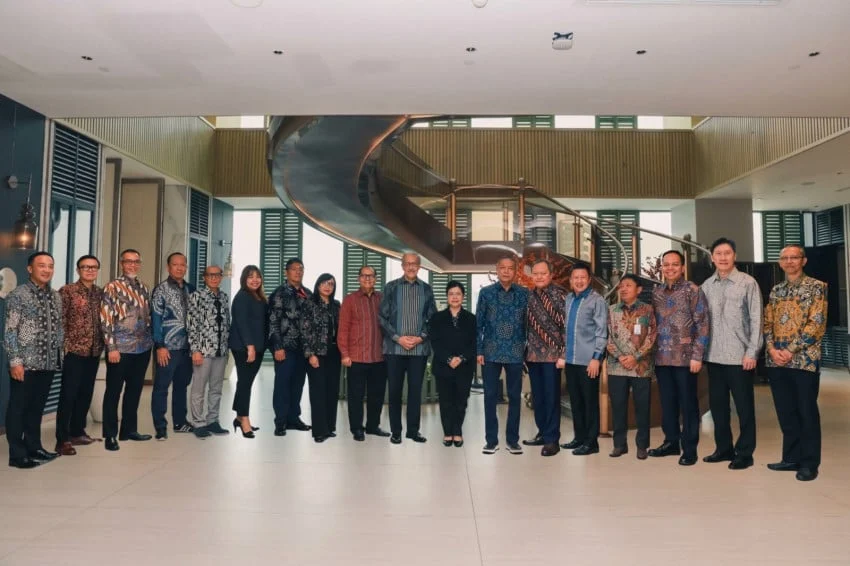
The event, co-hosted by Lintasarta and Infobank, served as a vital nexus for decision-makers from top-tier national and multinational banks. Participants included senior representatives from the Indonesian State-Owned Banks Association (Himbara), the National Banks Association (Perbanas), and the Regional Development Banks Association (Asbanda). Furthermore, the dialogue featured critical contributions from high-ranking officials from Bank Indonesia (BI) and the Financial Services Authority (OJK), signaling a collaborative effort between industry players and regulators to fortify the nation’s financial backbone.

The Evolution of Banking Infrastructure in the Digital Age

The Indonesian banking sector has undergone a seismic shift over the past decade. Driven by the proliferation of mobile internet and the entry of agile fintech competitors, traditional banks have had to pivot toward a "digital-first" model. This transformation is not merely about launching mobile applications; it is about re-engineering the complex IT ecosystems that handle millions of transactions daily.

In the current intelligent banking era, data is the new currency. Artificial Intelligence (AI), machine learning-based credit scoring, and real-time transaction processing require significant computing power and stable, high-speed connectivity. However, the traditional procurement of network infrastructure—often characterized by rigid, long-term contracts and fixed capacity—is proving increasingly inadequate for the modern, high-velocity financial market.

Addressing the Volatility of Digital Demand

A primary challenge identified during the Lintasarta dialogue is the inherent unpredictability of data traffic in the banking sector. Unlike static retail environments, banking traffic is characterized by extreme fluctuations triggered by specific operational cycles and unforeseen market events.

During the event, industry experts highlighted several key periods where connectivity requirements spike exponentially:

  • Month-End and Year-End Closings: During these periods, core banking systems undergo intense reconciliation, batch processing, and reporting cycles that place immense strain on network bandwidth.
  • Payroll Processing: The "payday effect," typically occurring at the end of each month, triggers a massive surge in mobile banking transactions, ATM withdrawals, and digital transfers, creating temporary bottlenecks.
  • Disaster Recovery (DR) Drills: In an era of increasing cyber threats and climate-related risks, banks must frequently synchronize large volumes of data between primary data centers and disaster recovery sites.
  • Product Launches and Marketing Campaigns: The deployment of new digital features or large-scale promotional events often leads to sudden spikes in user engagement, requiring immediate scaling of network resources to ensure a seamless customer experience.

Before the introduction of agile solutions, banks were often forced to "over-provision" their bandwidth—paying for maximum capacity year-round to ensure stability during peak periods. This resulted in significant capital inefficiencies, with substantial network capacity remaining dormant during standard operational hours.

Introducing Bandwidth on Demand (BWoD)

To address these inefficiencies, Lintasarta unveiled its Bandwidth on Demand (BWoD) solution, a dynamic connectivity model designed to align infrastructure costs with actual usage. The BWoD service represents a paradigm shift from traditional, static Wide Area Network (WAN) configurations.

The solution provides banks with the ability to adjust their bandwidth capacity on the fly. Key features of the BWoD offering include:

  • Scalability: Capacity scaling of up to 1 Gbps in regions equipped with the necessary technical infrastructure.
  • Operational Agility: The ability to instantly scale up for peak demand and scale down during off-peak periods, allowing for precise resource allocation.
  • Self-Service Management: Through Lintasarta’s "Super Apps Ultima," banking IT teams can manage their network capacity independently without waiting for manual provisioning from a service provider.

This self-service functionality is critical. In a high-stakes banking environment, waiting days or even hours for an ISP to upgrade bandwidth is unacceptable. By empowering bank IT departments with direct control, Lintasarta aims to reduce the "time-to-market" for critical banking services and improve overall operational resilience.

Regulatory and Strategic Perspectives

The presence of Bank Indonesia and the OJK at the dialogue underscored the regulatory priority placed on "Digital Resilience." As Indonesian banks become more reliant on digital connectivity, the systemic risk associated with network failures increases.

From a regulatory standpoint, the ability of a bank to manage its network capacity effectively is now viewed as a component of sound risk management. The OJK has repeatedly emphasized the importance of robust IT governance in the financial sector, particularly regarding the security and availability of digital services. Solutions like BWoD are seen as instruments that not only improve efficiency but also contribute to the stability of the national payment system by ensuring that connectivity is always available when and where it is needed most.

Industry leaders present at the dialogue noted that the shift toward software-defined infrastructure is inevitable. As banks move toward multi-cloud environments and distributed architectures, the network must become as flexible as the software it supports. The consensus among the Himbara and Perbanas members was that the transition to an intelligent, demand-driven infrastructure is no longer a luxury but a fundamental requirement for staying competitive in a rapidly digitizing economy.

Economic and Operational Implications

The implementation of BWoD technology carries several long-term implications for the Indonesian financial sector:

  1. Cost Optimization: By shifting from a fixed-cost model to a consumption-based model, banks can significantly reduce their operational expenditure (OPEX) related to IT connectivity. These savings can then be redirected toward innovation and digital product development.
  2. Enhanced User Experience (UX): Reliable, high-speed connectivity ensures that banking applications remain responsive during high-traffic periods, directly improving customer satisfaction and loyalty.
  3. Improved Security: Dynamic bandwidth allocation allows for better management of traffic during security incidents. For instance, in the event of a Distributed Denial of Service (DDoS) attack, the ability to rapidly adjust bandwidth can provide the necessary headroom for mitigation strategies to take effect.
  4. Support for Digital Inclusion: As banks expand their services to remote regions of Indonesia, the ability to manage infrastructure remotely via Super Apps like Ultima becomes essential for maintaining high service standards outside of major urban centers.

Looking Ahead: The Future of Intelligent Banking

The Lintasarta Executive Dialogue serves as a clear indicator of the direction in which the Indonesian banking sector is headed. The focus is no longer just on expanding digital reach, but on perfecting the "plumbing" that keeps the digital economy flowing.

As the industry moves toward 2027 and beyond, the integration of advanced connectivity solutions will be a differentiator for banks aiming to maintain their market share. The collaboration between service providers like Lintasarta and the banking community highlights a proactive approach to infrastructure management, moving away from reactive "break-fix" models toward a strategic, intelligent framework.

For the banking sector, the task ahead remains clear: to continue investing in technology that is not only capable but also adaptive. As transaction volumes continue to rise and customer expectations for 24/7 availability become the norm, the ability to master digital infrastructure through solutions like Bandwidth on Demand will be the cornerstone of a resilient and prosperous financial future for Indonesia. The success of these initiatives will ultimately be measured by the ability of the national banking system to provide seamless, secure, and uninterrupted services to every citizen, regardless of the scale or unpredictability of the digital environment.

September 12, 2026 0 comment
0 FacebookTwitterPinterestEmail
Technology

ADVAN Luncurkan AIR NEO: Laptop Tipis, Ringan, dan AI-Ready Penantang MacBook Neo

by Nana Muazin September 12, 2026
written by Nana Muazin

In a significant move to reshape the local Indonesian technology landscape, ADVAN has officially unveiled the AIR NEO, a flagship laptop series that blends ultra-portable aesthetics with the robust computational power of Intel’s latest architecture. By introducing a device that challenges the market dominance of premium thin-and-light laptops—often colloquially compared to the MacBook Air series—ADVAN is signaling a shift in its business strategy toward the premium-tier segment. With a chassis weighing a mere 0.99 kilograms and a profile measuring just 12.9 millimeters, the AIR NEO represents a milestone in local manufacturing engineering, aiming to capture the interest of digital nomads, corporate professionals, and university students who prioritize both mobility and performance.

Architectural Innovation and Technical Specifications

At the heart of the ADVAN AIR NEO lies the new Intel Core Series 3 processors, codenamed "Wildcat Lake." The decision to adopt this specific architecture marks a pivotal moment for ADVAN, as it aligns the brand with the latest global hardware standards. The series offers two primary configurations: the Intel Core 3 Processor 304 and the more robust Intel Core 5 Processor 320.

These processors are specifically engineered to optimize the balance between thermal management and raw performance. Unlike previous generations that relied heavily on clock speed, the Wildcat Lake architecture focuses on multi-threaded efficiency, which is essential for modern multitasking. A standout feature of this hardware is its integration of dedicated AI acceleration. As the industry pivots toward artificial intelligence, having an "AI-ready" device is no longer a luxury but a requirement for future-proofing. This allows the AIR NEO to handle local AI workloads, such as real-time noise cancellation in video conferencing, background blurring, and predictive text features, without relying solely on cloud-based processing.

The visual experience is facilitated by a 14-inch FHD+ IPS display. By opting for an IPS panel, ADVAN ensures accurate color reproduction and wide viewing angles, which are critical for users engaged in content creation or collaborative work environments. The choice of a 14-inch form factor strikes a balance between screen real estate and physical footprint, ensuring the device remains compact enough to fit into standard courier bags or small backpacks.

The Evolution of ADVAN in the Local Market

The launch of the AIR NEO is not an isolated event but the culmination of a multi-year strategy by ADVAN to elevate its brand perception. For over a decade, ADVAN has primarily focused on the entry-level and mid-range segments of the Indonesian PC market. However, with the rise of remote work and the increasing demand for professional-grade hardware, the company has pivoted toward premium aesthetics and higher-tier internal components.

Chronologically, ADVAN’s progression can be traced back to its earlier "Workplus" series, which laid the groundwork for performance-focused laptops. The transition to the AIR NEO series represents the next phase: a focus on industrial design and material science. By utilizing a solid metal chassis, ADVAN has addressed one of the primary criticisms of locally manufactured laptops—durability and perceived build quality. This strategic pivot reflects the broader maturation of the Indonesian technology sector, where local firms are increasingly competing directly with multinational corporations like ASUS, Acer, and Apple.

Market Context and Competitive Landscape

The global laptop market is currently undergoing a contraction, yet the segment for ultra-portable, AI-capable laptops is witnessing consistent growth. According to recent market analysis from international technology research firms, the demand for laptops weighing under 1.2 kilograms has increased by nearly 15% year-over-year. Consumers are increasingly valuing the portability-to-performance ratio over raw power alone.

In the Indonesian market, the AIR NEO faces stiff competition. Established players have long dominated the premium space with devices that command high price points. ADVAN’s entry strategy, however, relies on providing comparable—or in some cases superior—specifications at a more competitive price point. By leveraging local assembly and distribution networks, ADVAN can reduce overhead costs that typically inflate the price of imported premium laptops.

ADVAN Luncurkan AIR NEO: Laptop Tipis, Ringan, dan AI-Ready Penantang MacBook Neo : Okezone Ototekno

Industry observers note that the "AI-ready" branding is a calculated move to capture the growing demographic of younger professionals who use AI tools for productivity. Whether it is automated summarizing in Microsoft Copilot or creative generation via Adobe’s AI suite, the AIR NEO is positioned as an accessible gateway to these technologies.

Engineering for Mobility: The 0.99kg Threshold

The achievement of a 0.99-kilogram weight is a notable engineering feat. To reach this, ADVAN had to move away from standard plastic enclosures to specialized alloys. This reduction in weight is not merely a marketing metric; it significantly impacts the user experience for frequent travelers. A sub-one-kilogram laptop is categorized as "ultra-portable," a tier that is notoriously difficult to manufacture while maintaining thermal stability.

The 12.9mm thickness suggests a sophisticated cooling solution. Thin laptops often struggle with thermal throttling, where the processor slows down to prevent overheating. ADVAN claims that the Wildcat Lake architecture, combined with a redesigned internal airflow system, allows the AIR NEO to maintain high performance even under sustained loads. This is a critical factor for users who use their laptops for video rendering or heavy spreadsheet management.

Implications for the Indonesian Tech Ecosystem

The release of the AIR NEO carries broader implications for Indonesia’s domestic manufacturing capabilities. As the government continues to push for increased "TKDN" (Tingkat Komponen Dalam Negeri) or domestic component levels, companies like ADVAN are proving that local firms can produce high-end electronics. This contributes to the national goal of reducing dependency on imported finished goods.

Furthermore, the integration of AI-ready chips by a local brand encourages a more robust local software ecosystem. As more users adopt devices capable of local AI processing, there is a greater incentive for local developers to create software that leverages these hardware capabilities. This creates a positive feedback loop, fostering innovation within the Indonesian digital economy.

Looking Ahead: Strategic Outlook

While the AIR NEO represents a major step forward, the true test will be its long-term reliability and the brand’s ability to provide comprehensive after-sales support. In the premium market, consumers expect not just a high-quality product, but a seamless service experience. ADVAN has indicated that it is expanding its service center network to match the premium positioning of the AIR NEO, ensuring that technical support is readily available across the archipelago.

From a macroeconomic perspective, the success of the AIR NEO could pave the way for more localized, high-spec hardware. If the device achieves strong sales volumes, it may encourage other local manufacturers to invest in similar R&D processes, effectively narrowing the gap between local offerings and international flagship models.

In conclusion, the ADVAN AIR NEO is a testament to the brand’s ambition. By marrying the latest Intel Core Series 3 architecture with a refined, ultra-portable design, ADVAN is positioning itself as a serious contender for the premium laptop market. The laptop is not just a tool for productivity; it is a manifestation of the current technological trend toward AI-integrated mobility. For the Indonesian consumer, it offers a compelling alternative to global brands, combining local availability and value with the performance benchmarks required for the modern digital age. Whether it succeeds in disrupting the status quo will depend on its performance in the hands of the public, but the foundation laid by this launch is undoubtedly a significant advancement for the local industry. As the market evolves, the AIR NEO will likely be remembered as the device that proved local brands could deliver on the promise of premium, AI-ready performance.

September 12, 2026 0 comment
0 FacebookTwitterPinterestEmail
Technology

Samsung Galaxy SmartTag 3 Leaks Reveal a Radical Redesign and New Color Options Ahead of Anticipated Launch

by Layla Zulfa September 12, 2026
written by Layla Zulfa

Samsung is once again preparing to shake up the consumer tracking device market, as fresh leaks surrounding the upcoming Galaxy SmartTag 3 reveal a significant design overhaul. Following earlier certification filings that surfaced earlier this month, newly leaked high-resolution renders provide a clearer look at the third-generation Bluetooth tracker. The imagery highlights a departure from the aesthetic philosophy of its predecessors, introducing a distinct shape, updated material finishes, and notable structural adjustments that could alter how users interact with and attach the device to everyday valuables.

The Evolution of Smart Trackers: A Brief Background
The personal item tracker market has experienced explosive growth over the past half-decade, transforming from a niche tech novelty into an essential ecosystem accessory for everyday carry. When Samsung introduced its original Galaxy SmartTag lineup, the company aimed to secure a firm foothold in the growing ecosystem of location-aware accessories, competing directly with Apple’s AirTag and competing offerings from Tile and Chipolo.

While the first-generation SmartTag focused on basic functionality and integration with the SmartThings Find network, the second-generation Galaxy SmartTag 2 brought a substantial refinement. Launched with an elongated loop design, improved battery life, and enhanced durability, the SmartTag 2 was designed to easily clip onto keychains and luggage without requiring additional accessories.

However, technology markets move rapidly, and consumer demands for sleeker, more versatile form factors have pushed manufacturers back to the drawing board. The emergence of Galaxy SmartTag 3 leaks indicates that Samsung is willing to pivot its design strategy once again to better align with contemporary industrial design trends and user preferences.

A Radical Shift to Squircle Geometry and Material Finishes
According to the latest leaked product renders, the Samsung Galaxy SmartTag 3 abandons the distinctive elongated shape of the previous model in favor of a "squircle" geometry—a hybrid form factor blending geometric squares with smooth, rounded corners. This geometric approach mirrors early conceptual illustrations that circulated within tech forums earlier this year, signaling a more cohesive design language across Samsung’s ecosystem of small accessories.

Samsung Galaxy SmartTag 3 Muncul Dalam Bocoran Gambar, Desainnya Ganti! • Jagat Gadget

The leaked images also confirm that the device will launch in at least two distinct colorways at debut, catering to consumers looking for personalized aesthetics. More importantly, the structural anatomy of the tracker has undergone a major revision. Unlike the Galaxy SmartTag 2, which featured a prominent built-in cutout to accommodate straps and key rings directly, the SmartTag 3 appears to completely omit a native mounting hole.

This structural change implies that users wishing to attach the tracker to keys, backpacks, or luggage will likely need to purchase dedicated protective cases or specialized mounting accessories. While this brings the SmartTag 3 closer to the form factor of Apple’s AirTag—which also relies on third-party loops and holders—it may elicit mixed reactions from long-time users who appreciated the out-of-the-box utility of the previous design.

Furthermore, the center of the device houses a physical control button embedded with the corporate Samsung logo. This button appears to utilize a metallic-finish coating, creating a subtle contrast against the matte finish of the primary plastic chassis. While the exact mechanical functionality and programmable triggers of this button remain unconfirmed by official documentation, historical precedents suggest it will likely serve multiple functions, ranging from smartphone location pings to smart home automation triggers and remote camera shutters within the SmartThings ecosystem.

Timeline of Leaks and Regulatory Approvals
The journey of the Galaxy SmartTag 3 from concept to public visibility has followed a standard trajectory for major consumer electronics releases. The timeline of public disclosures highlights how anticipation has steadily built among tech enthusiasts:

  • July: Initial conceptual illustrations and early supply chain rumors surface online, hinting at a shift toward a squircle-based design language for Samsung’s next-generation tracker.
  • Early September: Regulatory bodies begin processing filings associated with new Samsung tracking hardware, confirming that development has progressed to regional certification phases.
  • Mid-September: High-resolution marketing renders and detailed product images leak globally, offering the first definitive look at the device’s physical dimensions, colorways, and the absence of a built-in strap hole.
  • Anticipated Launch Window: Industry analysts and market watchers project an official unveiling event within the next one to two months, positioning the device for a late autumn commercial rollout.

Market Implications and Ecosystem Integration
The introduction of the Galaxy SmartTag 3 arrives at a critical juncture for item-tracking ecosystems. Security, privacy, and precision locating capabilities have become central battlegrounds among tech giants. Features such as Ultra-Wideband (UWB) connectivity, augmented reality finding, and advanced anti-stalking alerts are increasingly becoming baseline expectations for premium trackers.

From a strategic standpoint, Samsung’s SmartThings Find network has expanded substantially, leveraging millions of active Galaxy smartphones worldwide to create a dense, passive location-tracking mesh. By refining the hardware design of the SmartTag 3, Samsung aims to maintain its competitive edge against heavy competition.

Samsung Galaxy SmartTag 3 Muncul Dalam Bocoran Gambar, Desainnya Ganti! • Jagat Gadget

However, the removal of the integrated lanyard hole introduces an interesting business dynamic. By necessitating third-party or first-party protective cases for attachment, Samsung opens up a lucrative secondary market for ecosystem accessories. Official and third-party manufacturers will likely rush to release silicone loops, leather keychains, and adhesive mounts tailored specifically to the squircle dimensions of the SmartTag 3.

Industry Outlook and Consumer Reception
As of press time, Samsung has maintained an official silence regarding the existence, pricing, and exact release schedule of the Galaxy SmartTag 3. Given the cadence of previous product cycles, industry consensus points toward a formal announcement in the coming weeks, potentially alongside other ecosystem expansions or seasonal hardware refreshes.

Consumer reactions across technology forums and social media platforms have been divided. While many enthusiasts praise the clean, modern aesthetic of the squircle design and the refined metallic button accent, others express skepticism regarding the omission of the built-in keyring slot, citing convenience and the added cost of purchasing separate attachment cases as potential drawbacks.

Ultimately, the commercial success of the Samsung Galaxy SmartTag 3 will hinge not only on its exterior redesign but also on internal upgrades—specifically improvements to tracking range, battery longevity, audio alert volume, and deeper integration with smart home automation standards. As official details emerge, consumers and tech analysts alike will closely evaluate whether Samsung’s stylistic risks translate into tangible daily benefits.

September 12, 2026 0 comment
0 FacebookTwitterPinterestEmail
Newer Posts
Older Posts

Recent Posts

  • Guruh Soekarnoputra, Younger Brother of Megawati Soekarnoputri, in Critical Condition and Receiving Intensive Care at Siloam Hospital Semanggi
  • Prabowo Geram Ada Perda yang Bolehkan Warga Bakar Lahan Ini Menipu
  • The Rise, Collapse, and Historical Legacy of the Indonesian Communist Party in the Twentieth Century
  • Chairman Asep Mulyadi Urges Bandung City Government to Enhance Public Responsiveness and Urban Management on 216th Anniversary
  • Indonesia Desak Pemulihan Kehidupan Warga Gaza Segera Dimulai

Recent Comments

No comments to show.
  • Facebook
  • Twitter

@2021 - All Right Reserved. Designed and Developed by PenciDesign


Back To Top
Dara News Media
  • Home
  • About Us
  • Contact Us
  • Cookies Policy
  • Disclaimer
  • DMCA
  • Privacy Policy
  • Terms and Conditions

We are using cookies to give you the best experience on our website.

You can find out more about which cookies we are using or switch them off in .

Dara News Media
Powered by  GDPR Cookie Compliance
Privacy Overview

This website uses cookies so that we can provide you with the best user experience possible. Cookie information is stored in your browser and performs functions such as recognising you when you return to our website and helping our team to understand which sections of the website you find most interesting and useful.

Strictly Necessary Cookies

Strictly Necessary Cookie should be enabled at all times so that we can save your preferences for cookie settings.