• Home
  • About Us
  • Contact Us
  • Cookies Policy
  • Disclaimer
  • DMCA
  • Privacy Policy
  • Terms and Conditions
Dara News Media
keep your memories alive
National News

President Prabowo Subianto Firmly Warns Corporate Offenders Behind Forest Fires, Threatens Immediate License Revocation and Criminal Prosecution

by Evan Lee Salim September 17, 2026
written by Evan Lee Salim

JAKARTA — In a decisive move signaling a zero-tolerance policy toward environmental crimes, Indonesian President Prabowo Subianto has issued a stern warning against corporations proven to have intentionally caused forest and land fires, commonly known in Indonesia as karhutla. Speaking during a high-stakes Cabinet Meeting at the State Palace in Jakarta, the head of state emphasized that his administration will not grant any leniency to entities that recklessly endanger public health, the environment, and the nation’s ecological security for short-term commercial gains.

The presidential directive underscores a growing shift in national policy toward absolute corporate accountability. President Prabowo explicitly stated that beyond criminal prosecution, the government will ruthlessly pursue administrative penalties, chief among them the immediate revocation of business licenses for implicated corporate entities. This hardline stance marks a pivotal escalation in Indonesia’s ongoing battle against seasonal environmental degradation, particularly in regions historically prone to deliberate land-clearing practices.

Cabinet Meeting Focuses on Multiple National Emergencies

The unequivocal statement was delivered during a comprehensive Limited Cabinet Meeting (Rapat Terbatas) chaired by President Prabowo at the State Palace. While the primary focus of the session centered on the escalating threats and management of forest and land fires, the high-level meeting also addressed several other critical national crises. These included disaster mitigation efforts following the recent earthquake in East Nusa Tenggara (NTT), the ongoing search and rescue operations concerning the Virgo ship accident, and the mysterious disappearance of a journalist whose contact was lost under active investigation.

However, the discourse surrounding environmental security dominated the agenda. President Prabowo underscored that forest and land fires are no longer viewed merely as recurring natural disasters exacerbated by weather anomalies, but rather as calculated criminal actions perpetrated in many instances by commercial actors seeking cheap land-clearing methods. By addressing the crisis at the highest executive level, the administration aims to synchronize central and regional law enforcement agencies, compelling them to bypass bureaucratic delays and implement immediate punitive measures.

The Imperative of Deterrence and Immediate License Revocation

A cornerstone of President Prabowo’s address was the absolute necessity of establishing robust legal and administrative deterrence. The President noted that lesser penalties, such as administrative fines that have historically been absorbed by large conglomerates as mere operational costs, are entirely insufficient. To break the cycle of recurring annual smoke haze and massive carbon emissions, the state must impose the ultimate economic and legal sanctions.

"There will be no compromise for those who deliberately destroy our environment," President Prabowo asserted during the session. He directed relevant ministries and law enforcement bodies to act swiftly, instructing that the revocation of operational permits and business licenses for guilty corporations must be executed without hesitation or procedural procrastination. By cutting off the legal right of errant corporations to operate, the administration hopes to send an unmistakable signal to the broader agribusiness and forestry sectors that ecological destruction carries an existential business risk.

Escalating Legal Action: 95 Corporations Under Investigation

The President’s uncompromising rhetoric aligns closely with escalating data from law enforcement and environmental protection agencies regarding corporate culpability in recent fire incidents. According to recent institutional updates, approximately 95 corporations are currently navigating various stages of rigorous legal scrutiny, including active investigation and formal judicial inquiries by the National Police and the Ministry of Environment and Forestry.

These investigations span several key provinces notorious for high concentrations of palm oil plantations and industrial timber estates, predominantly across Sumatra and Kalimantan. Investigators are utilizing advanced satellite mapping, thermal imaging, and forensic soil analysis to determine whether fires originated within corporate concessions and whether they were ignited intentionally to clear biomass. The transition of nearly a hundred corporate entities into active judicial pipelines highlights a structural shift from passive monitoring to aggressive prosecutorial action.

Historical Context and the Chronology of Karhutla in Indonesia

To fully understand the gravity of President Prabowo’s recent directive, it is essential to examine the historical trajectory of forest and land fires in Indonesia. For decades, the Southeast Asian archipelago has grappled with seasonal karhutla, which peaks during prolonged dry seasons, often intensified by El Niño weather patterns. The resulting transboundary haze has historically strained diplomatic relations with neighboring countries such as Malaysia and Singapore, while inflicting severe respiratory ailments on millions of citizens domestically.

Historically, slash-and-burn techniques have been deployed as a low-cost method for land preparation, primarily by smallholders but systematically utilized or contracted by rogue elements within larger commercial supply chains. The watershed moment for national policy reform occurred during the catastrophic fires of 2015, which burned an estimated 2.6 million hectares of land and peatlands, resulting in massive economic losses estimated in tens of billions of dollars and catastrophic greenhouse gas emissions.

In the years following the 2015 disaster, successive Indonesian administrations implemented tighter preventative measures, moratoriums on new palm oil permits, and enhanced satellite-based hotspot monitoring through the Meteorology, Climatology, and Geophysical Agency (BMKG) and the Ministry of Environment and Forestry (KLHK). Despite these measures, enforcement bottlenecks, jurisdictional overlaps between central and regional governments, and corporate evasion tactics continued to frustrate complete eradication efforts. President Prabowo’s administration has now inherited this complex landscape, choosing to pivot from preventative advisories to aggressive, direct judicial retribution.

Stakeholder Reactions and Environmental Advocacy Responses

The President’s hardline stance has drawn widespread reactions from civil society organizations, environmental watchdogs, and industry associations alike. Environmental NGOs, including Greenpeace Indonesia and WALHI (Indonesian Forum for the Environment), have cautiously welcomed the rhetoric while emphasizing that rigorous follow-through remains the true test of the administration’s resolve.

Civil society representatives argue that previous administrations have frequently announced sweeping threats against corporate burners, only to see cases stall or dissolve in protracted civil litigations and administrative appeals. Consequently, advocacy groups are urging the government to ensure absolute transparency in the publication of corporate names currently undergoing investigation, alongside public accountability for the judges and prosecutors handling the cases. Furthermore, environmental groups emphasize that license revocation must be accompanied by mandatory land restoration orders, forcing corporations to finance the ecological rehabilitation of damaged peatlands and forests rather than walking away scot-free.

Conversely, representatives from mainstream agricultural and forestry business associations, such as the Indonesian Palm Oil Association (GAPKI), have maintained a nuanced position. Industry stakeholders generally reiterate their commitment to zero-burning policies, asserting that major compliant members adhere strictly to international sustainability certifications such as the Roundtable on Sustainable Palm Oil (RSPO) and the Indonesian Sustainable Palm Oil (ISPO) standards. However, industry leaders acknowledge that rogue operators or independent third-party suppliers operating within complex supply chains often tarnish the broader reputation of the sector, signaling that compliant corporations may not necessarily oppose the penalization of bad actors who undercut legitimate market competition.

Socio-Economic and Ecological Implications of the Crackdown

The enforcement of President Prabowo’s directive carries profound socio-economic and ecological implications for Indonesia’s long-term development trajectory. From an environmental perspective, eliminating intentional forest fires is critical to Indonesia fulfilling its enhanced Nationally Determined Contributions (NDCs) under the Paris Agreement. Peatland restoration and the prevention of deforestation are paramount for curbing national carbon emissions, given that burning carbon-rich peat deposits releases immense quantities of greenhouse gases into the atmosphere.

Economically, a strict regulatory environment signals to international markets and global investors that Indonesian commodities are transitioning toward verified sustainability. As international trade regulations—most notably the European Union Deforestation Regulation (EUDR)—impose stringent compliance frameworks on imported agricultural goods, the Indonesian government’s aggressive stance against errant corporations helps safeguard the global market access of legitimate national exports. By systematically weeding out lawbreaking corporations, Indonesia positions itself as a credible, environmentally responsible producer on the global stage.

However, analysts also warn of potential operational challenges. Effective implementation will require seamless coordination between regional law enforcement, the judiciary, regional forestry offices, and anti-corruption watchdogs to prevent bribery and administrative corruption from subverting the execution of license revocations and criminal indictments. The legal apparatus must ensure that evidence gathered against corporate entities is watertight, withstanding aggressive challenges in commercial and administrative courts.

Outlook and Future Policy Trajectory

As the legal proceedings against the 95 investigated corporations progress, all eyes remain on the executive branch to ensure that President Prabowo’s directives translate into tangible courtroom victories and visible administrative sanctions. The administration’s willingness to bypass traditional bureaucratic leniency represents a defining test of state authority over corporate power in modern Indonesia.

Moving forward, the success of this campaign will be measured not merely by the number of investigations initiated, but by the final execution of license revocations, the successful prosecution of corporate executives under environmental laws, and the visible reduction of fire hotspots during upcoming dry seasons. President Prabowo’s unwavering stance has set a remarkably high benchmark for environmental governance, signaling that the era of impunity for corporate ecological destroyers in Indonesia has reached its definitive end.

September 17, 2026 0 comment
0 FacebookTwitterPinterestEmail
National News

Prakiraan Cuaca Jabodetabek Sebagian Wilayah Bakal Diguyur Hujan Ringan Hari Ini

by Nana September 17, 2026
written by Nana

The Greater Jakarta area, colloquially known as Jabodetabek, is bracing for a day of mixed meteorological conditions this Friday, September 18, 2026. According to the latest data issued by the Indonesian Agency for Meteorology, Climatology, and Geophysics (BMKG), residents across the capital and its satellite cities should prepare for localized precipitation, with light rain expected to affect several key zones throughout the day. This atmospheric instability marks a shift in the local climate patterns as the region continues to navigate the transitional periods between seasonal cycles.

Regional Breakdown of Expected Precipitation

The weather forecast for today reveals a distinct geographical variance in rainfall distribution. In the heart of the capital, Jakarta, the outlook remains fragmented. While areas such as the Thousand Islands (Kepulauan Seribu), Central Jakarta, and South Jakarta are anticipated to experience cloudy conditions throughout the morning and afternoon, residents in West Jakarta and East Jakarta are advised to remain vigilant as light rain is projected to descend upon these districts.

Moving into the periphery of the capital, the satellite cities are also showing signs of scattered showers. The mountainous and elevated regions of Bogor—specifically the Regency and the City of Bogor—are expected to see light rain, a common occurrence given the area’s unique topography which often acts as a catchment for moisture. Similarly, the densely populated urban center of Depok is included in the BMKG’s forecast for light rain, necessitating that commuters and outdoor workers prepare for potential disruptions.

In the western sector, the situation is equally varied. Both the Regency and the City of Tangerang are predicted to experience light rainfall, potentially impacting morning traffic along the major toll roads connecting these hubs to Jakarta. In contrast, South Tangerang is currently forecasted to remain predominantly cloudy, providing a slight reprieve from the precipitation affecting its neighboring administrative regions. To the east, the City of Bekasi is slated for light rain, whereas the Bekasi Regency is expected to maintain a steady, cloudy sky without significant rainfall.

Meteorological Context and Seasonal Trends

The current weather pattern is consistent with the broader climatic shifts observed in the Indonesian archipelago during the month of September. As the region transitions, the interaction between local wind patterns and regional moisture influx often leads to the development of convective clouds. These clouds, which typically form in the afternoon, are the primary drivers of the short-lived, light-to-moderate rain showers currently being reported across the Jabodetabek area.

Meteorologists often emphasize that during this time of year, while the overall intensity of rainfall may not match the peaks of the monsoon season, the unpredictability of localized convective activity remains high. The formation of these clouds is frequently influenced by the urban heat island effect, where the dense concrete landscape of Jakarta and its surrounding industrial satellites retains heat, thereby accelerating the upward movement of air and the subsequent development of rain-bearing clouds.

Chronology of Data Dissemination

The BMKG updates its forecasts multiple times throughout the day to ensure that the public and emergency response agencies are equipped with the most accurate information. Early this morning, at approximately 03:01 WIB, the data was finalized and released to the public. This standardized reporting protocol allows for city administrations, such as the Jakarta Provincial Government and the respective regency offices in Bogor, Tangerang, and Bekasi, to adjust their disaster mitigation strategies if necessary.

Prakiraan Cuaca Jabodetabek, Sebagian Wilayah Bakal Diguyur Hujan Ringan Hari Ini : Okezone News

Historical data suggests that such light rain forecasts, while seemingly minor, are critical for the management of urban infrastructure. For instance, in previous years, even light rain during the morning rush hour has been sufficient to cause significant congestion on the Jakarta Outer Ring Road (JORR) and major arterial roads leading into the Central Business District.

Socio-Economic Implications for Jabodetabek

The implications of today’s weather extend beyond mere inconvenience. Jabodetabek is a massive economic engine, home to over 30 million people, where a significant portion of the workforce relies on reliable public transportation and road networks. The forecasted rain, though categorized as "light," serves as a reminder of the vulnerability of the region’s logistics and transportation systems.

  1. Traffic Congestion: Historically, light rain in Jakarta reduces average traffic speeds by approximately 15% to 20% due to increased caution, road surface slickness, and a higher propensity for minor vehicular accidents.
  2. Public Health: During transitional weather, the incidence of seasonal illnesses often fluctuates. Local health authorities frequently issue advisories during such periods, urging citizens to maintain their immune systems and exercise caution regarding vector-borne diseases that can proliferate with stagnant water.
  3. Infrastructure Maintenance: The drainage systems across the metropolitan area are constantly monitored by the Public Works and Spatial Planning agencies. Even light rain requires these systems to be fully operational to prevent localized pooling, which can exacerbate traffic flow issues.

Expert Perspectives and Official Guidance

While the current forecast does not indicate extreme weather events, the BMKG continues to advise the public to monitor official channels for real-time updates. The agency emphasizes that localized weather conditions can change rapidly. In situations where rain clouds intensify, the potential for lightning or gusty winds—even in areas currently forecasted for "light rain"—cannot be entirely ruled out.

"The public is encouraged to stay informed through our official digital platforms and mobile applications," a representative from the agency noted in previous advisories. "While the current predictions indicate light rain, we always advocate for a proactive approach to weather preparedness, especially for those commuting on motorcycles or those working in outdoor environments."

For residents living in low-lying areas or regions prone to minor flooding, the standard advice remains to ensure that drainage channels around residential properties are free of debris. Small, consistent maintenance efforts are widely regarded as the most effective strategy for mitigating the impact of urban precipitation.

Looking Ahead

As the day progresses, the evolution of these cloud formations will determine the actual intensity of the rainfall. The meteorological community in Indonesia remains focused on refining short-term forecasting models, utilizing satellite imagery and ground-based weather stations to provide high-resolution data for the Jabodetabek area.

For today, Friday, September 18, 2026, the overall consensus is one of mild instability. While the rain is unlikely to cause widespread disruption, it necessitates a cautious approach to travel and outdoor activities. As the region moves toward the end of the work week, the combination of cloudy skies and light showers will likely define the atmospheric backdrop for the metropolitan population, serving as a reminder of the dynamic and ever-changing nature of the tropical climate that defines life in Jakarta and its satellite cities.

The public is encouraged to follow official news outlets and government-managed communication channels for any potential changes in weather alerts as the day unfolds. Ensuring that one has access to accurate, real-time information is the most effective way to navigate the day’s meteorological conditions safely and efficiently.

September 17, 2026 0 comment
0 FacebookTwitterPinterestEmail
Politics

Understanding the Evolution and Implementation of Identitas Kependudukan Digital in Indonesia

by Lina Irawan September 17, 2026
written by Lina Irawan

The Indonesian government’s shift toward a digital-first governance model has reached a critical juncture with the nationwide rollout of the Identitas Kependudukan Digital (IKD), a strategic initiative designed to modernize the nation’s civil registration and administrative infrastructure. Managed by the Directorate General of Population and Civil Registration (Dukcapil) under the Ministry of Home Affairs, this initiative represents a fundamental transformation in how citizens interact with state services, moving away from the sole reliance on physical identity documents toward a secure, mobile-integrated ecosystem.

The Foundation of Digital Sovereignty

The legal framework underpinning the IKD is anchored in the Minister of Home Affairs Regulation (Permendagri) Number 72 of 2022. This regulation formalized the existence of electronic information intended to represent population documents in a digital format. Far from being a mere mobile application, the IKD is conceptualized as an essential pillar of Indonesia’s digital public infrastructure. By digitizing the KTP-el (Electronic National Identity Card), the government aims to create a seamless interface where citizens can authenticate their identity for both governmental and private sector services, including banking, healthcare, and social security programs, without the need for physical copies of their documents.

The core of this system is the IKD application, which serves as the secure vault for a citizen’s identity data. When activated, the application generates a unique, dynamic QR code that acts as a secure verification token. This mechanism significantly reduces the risk of document forgery while simultaneously providing a frictionless experience for citizens who previously had to carry physical cards for every administrative requirement.

Chronology and the Path to Digital Adoption

The journey toward digital identity in Indonesia did not happen overnight. It is the culmination of years of investment in the national biometric database. Following the successful, albeit gradual, rollout of the KTP-el over the past decade, the Ministry of Home Affairs initiated pilot programs for digital identity in late 2021 and early 2022.

The formalization of the IKD via Permendagri 72/2022 signaled a transition from experimental technology to a standardized national policy. Since its inception, the adoption rate has grown steadily. Major metropolitan centers, such as Jakarta, have reported significant milestones, with over two million residents activating their digital identities by early 2025. This momentum has spread to regional municipalities, such as Tangerang, where local governments have set ambitious targets to reach 30 percent of their population within the next fiscal year to ensure that digital services remain accessible to all demographics.

Clarifying the Misconception: Digital vs. Physical

A recurring challenge in the adoption of the IKD is the public misconception that the digital identity is intended to immediately replace the physical KTP-el. Official communications from the Directorate General of Dukcapil have consistently clarified that the IKD is not a replacement, but rather a complementary digital manifestation of the identity document.

The physical KTP-el remains a valid and necessary document, particularly for citizens who may not have access to smartphones or who live in areas with limited internet connectivity. The government’s dual-track approach ensures that the transition to a digital economy does not inadvertently exclude vulnerable or technologically disadvantaged populations. The IKD is designed to coexist with the physical card, providing convenience for those who prefer the efficiency of a digital device while maintaining the reliability of the physical card as a fallback mechanism for formal legal procedures.

Why Digital Identity Matters: The Strategic Benefits

The transition to IKD offers four primary benefits that justify the government’s push for widespread adoption:

  1. Accessibility and Convenience: In an era of mobile-first services, the ability to store and display identity documents on a smartphone eliminates the logistical burden of carrying multiple physical cards. This is particularly relevant for high-frequency interactions with government offices, where real-time verification is required.
  2. Integration of Public Services: The IKD is intended to be a "master key." By integrating it into the broader national digital ecosystem, the government envisions a future where a single authentication via the IKD application can grant access to health records, social assistance programs like the Program Keluarga Harapan (PKH), and tax filings.
  3. Enhanced Security and Fraud Prevention: Unlike a physical document that can be stolen or duplicated, the IKD is secured by multi-layered encryption, biometric verification, and PIN protection. The dynamic nature of the QR code ensures that identity information cannot be easily intercepted or misused by unauthorized parties.
  4. Data Integrity: Digital identity allows for instantaneous synchronization with the central national database. When a citizen updates their address or marital status at a local civil registration office, the changes are reflected in the IKD application almost immediately, ensuring that the government is always operating with the most accurate population data.

Navigating the Activation Process and Security Protocols

The activation of an IKD account is a deliberate, multi-step process designed to prioritize security. Citizens must download the official IKD application and undergo a verification process that often requires an in-person visit to a local Dukcapil office or a designated service point. This "face-to-face" verification is crucial to ensure that the individual claiming the digital identity is indeed the owner of the biometric data stored in the national database.

Security experts emphasize that while the system is robust, the responsibility for safeguarding personal information remains shared between the state and the user. The Ministry of Home Affairs has issued repeated warnings against third-party applications or individuals offering "expedited" registration services. Citizens are strictly advised to use only official channels—either through the official government portal or registered civil registration offices—and to keep their PIN and password confidential.

Broader Implications for Indonesia’s Digital Economy

The implications of a successful IKD implementation extend far beyond civil administration. By providing a reliable, government-backed identity verification system, the IKD serves as the foundational layer for the country’s digital economy. Private sectors, including the banking and fintech industries, stand to benefit immensely from the reduced costs of "Know Your Customer" (KYC) processes.

When private entities can verify a customer’s identity against a secure, government-verified digital source, the risk of financial fraud is reduced, and the speed of transaction processing increases. This creates a positive feedback loop: as more citizens adopt the IKD, more service providers will integrate it into their platforms, which in turn increases the utility of the application for the average user.

Official Responses and Future Outlook

Government officials, including representatives from the Ministry of Home Affairs, have highlighted that the current focus is on building "digital literacy" among the public. In regions like Bali, for example, the government has been actively facilitating IKD activation for social aid recipients, ensuring that even those who rely on government support are included in the digital transformation.

Looking forward, the roadmap for the IKD involves further integration with the national "Satu Data Indonesia" (One Data Indonesia) initiative. This project aims to unify the fragmented data across various ministries into a single, cohesive source of truth. As this initiative matures, the IKD will likely evolve from a simple identification tool into a comprehensive digital identity gateway, capable of facilitating everything from digital voting to the secure signing of legal contracts.

In conclusion, the Identitas Kependudukan Digital is a cornerstone of Indonesia’s vision for a modern, digital-native nation. While the transition requires time, public education, and robust infrastructure, the long-term benefits of efficiency, security, and integration are undeniable. By maintaining a steady, regulated, and security-first approach, the Indonesian government is setting a precedent for how large, diverse nations can successfully navigate the complexities of digital transformation in the 21st century. The success of this project will ultimately be measured by its ability to simplify the lives of millions of citizens, ensuring that the state remains accessible, transparent, and responsive in an increasingly connected world.

September 17, 2026 0 comment
0 FacebookTwitterPinterestEmail
Regional News

Merauke Government and Civil Society Push to Elevate Indigenous Customary Institutions Beyond Conflict Resolution

by Jia Lissa September 17, 2026
written by Jia Lissa

Merauke Regency in South Papua is witnessing a strategic shift in how local governance interacts with its traditional roots. The Office of National Unity and Political Affairs (Badan Kesbangpol) of Merauke Regency has formally initiated a comprehensive push to strengthen indigenous customary institutions, ensuring they transition from reactive conflict-resolution agents into proactive, permanent strategic partners in regional development and social order.

This policy direction was front and center during a focused stakeholder discussion held at the Kesbangpol meeting room in Merauke. The high-level dialogue, themed “Strengthening, Protection, and Participation of Indigenous Law Communities in Regional Development,” was organized in collaboration with the Merah Pusaka Stratejik Indonesia (MPSI) Foundation. The convening brought together government officials, civil society organizers, and customary leaders to evaluate how traditional authorities can be better integrated into the administrative architecture of Indonesia’s southernmost regency.

The Strategic Imperative of Customary Leadership in Papua

At the core of the Merauke administration’s new stance is a pragmatic recognition of sociological reality: customary leaders and traditional institutions wield profound, enduring social influence at the grassroots level. While formal bureaucratic structures operate through top-down policy execution, indigenous leaders hold the moral and cultural authority necessary to resonate deeply with local populations.

Head of the Merauke Kesbangpol, Sukito, emphasized during the forum that traditional authorities should no longer be treated as mere firefighters—summoned only after social friction has erupted into open conflict. Instead, they must be woven into the fabric of daily governance, serving as crucial bridges for communication, social cohesion, and development support.

"Security and community comfort are fundamental prerequisites for any development initiative to succeed," Sukito stated during the proceedings. While acknowledging that Merauke currently enjoys a relatively stable and conducive security climate, he underscored that regional authorities cannot afford complacency. Potential social issues must be identified and addressed at their inception through continuous, institutionalized dialogue involving the government, the citizenry, and customary figureheads.

Shifting from Reactive Response to Early Detection

A key takeaway from the MPSI-backed forum is the redefinition of what constitutes effective conflict mitigation. According to the Kesbangpol leadership, preventing social upheaval does not exclusively rely on physical infrastructure projects or heavy-handed security operations. Rather, the cornerstone of regional stability lies in acute sociological observation—the ability to read early warning signs of discontent, maintain open channels of communication, and foster inclusive public spaces for dialogue before minor grievances escalate.

This proactive philosophy aligns with Merauke’s broader administrative strategy. Over recent years, the regional government has steadily expanded its multi-stakeholder engagement framework. Kesbangpol has actively maintained robust communication networks with a diverse array of community elements, ranging from registered mass organizations and indigenous councils to the Interfaith Harmony Forum (FKUB), the Community Early Vigilance Forum (FKDM), and the National Integration Forum (FPK).

By integrating customary institutions more formally into this existing participatory matrix, the Merauke government hopes to create a resilient social safety net capable of absorbing the socioeconomic shocks accompanying rapid regional development.

Background and Context: Development and Customary Rights in South Papua

To fully understand the weight of the discussions in Merauke, one must examine the broader geopolitical and developmental context of South Papua. Following the formal enactment of the new autonomous provinces in Papua, Merauke has found itself designated as a central hub for major national strategic projects, including large-scale agricultural optimization initiatives and infrastructure expansions aimed at bolstering national food security.

While these national projects bring economic investment and physical modernization, they frequently intersect with traditional land use, customary rights (hak ulayat), and indigenous livelihoods. In many regions across the Papuan archipelago, rapid economic transition without adequate local consultation has historically served as a catalyst for friction between corporate entities, state actors, and indigenous communities.

By proactively strengthening indigenous institutions, the Merauke Regency government is attempting to preemptively address these structural vulnerabilities. Empowering customary leaders with formal consultative channels ensures that indigenous communities retain a voice in spatial planning, resource allocation, and cultural preservation, thereby mitigating potential friction points before they materialize into industrial or social disputes.

Chronology of the Policy Evolution

The integration of customary institutions into Merauke’s governance framework is the culmination of a gradual institutional evolution rather than an overnight policy shift.

Phase one of this trajectory involved basic security coordination, where traditional leaders were briefed on regional security updates primarily during moments of heightened tension or electoral cycles.

Phase two, spanning recent years, saw the establishment of structured forums such as the FKUB and FKDM, which formally institutionalized dialogue between civil authorities and community representatives.

The current initiative, marked by the mid-September forum hosted by the MPSI Foundation at the Kesbangpol office, represents phase three: the structural elevation of customary law communities from consultative participants to recognized, strategic co-architects of regional development. This phase focuses on legal protection, institutional capacity-building, and embedding traditional governance frameworks into municipal planning documents.

Broader Implications for Regional Stability and Local Governance

The implications of Merauke’s policy shift extend far beyond local administration, offering a potential model for regional governance across Eastern Indonesia.

From an economic standpoint, creating a predictable, stable, and socially harmonious investment climate is vital for regional growth. Investors—ranging from agricultural enterprises participating in corporate social responsibility (CSR) programs to infrastructure developers—benefit immensely from operating in an environment where potential land and social disputes are mediated by respected traditional authorities long before they disrupt operations.

From a socio-cultural standpoint, this approach honors the constitutional recognition of indigenous law communities (masyarakat hukum adat) as stipulated under Indonesian law. By granting customary institutions a recognized seat at the policy-making table, the government validates indigenous identity and safeguards local heritage against the pressures of rapid modernization.

Furthermore, the integration of customary networks into early-warning mechanisms enhances public safety at a fraction of the cost required for reactive security interventions. When traditional leaders are equipped with the information, resources, and institutional backing to resolve internal disputes using customary mediation (musyawarah adat), minor neighborhood disagreements or land boundary disputes are resolved locally, keeping the judicial and penal systems from becoming overburdened.

Future Outlook and Next Steps

As the Merauke Kesbangpol moves forward following the MPSI forum, the primary challenge will lie in implementation: translating high-level policy discussions into actionable legal frameworks, clear standard operating procedures, and sustained financial or administrative support for customary councils.

Stakeholders have emphasized that empowering indigenous institutions requires more than symbolic gestures; it demands capacity-building, transparent communication protocols, and a genuine willingness from state officials to share decision-making space with traditional authorities.

With Merauke continuing to balance national strategic mandates with local cultural preservation, the success of this initiative will be measured by the region’s long-term social stability and the sustained inclusion of indigenous voices in the trajectory of South Papua’s development. Through persistent dialogue, proactive early detection, and the elevation of customary leadership, Merauke is charting a steady course toward inclusive and resilient regional governance.

September 17, 2026 0 comment
0 FacebookTwitterPinterestEmail
Politics

Wabah Campak di Bangladesh Tewaskan Lebih dari 1.000 Anak

by Dwi Wanna September 17, 2026
written by Dwi Wanna

The humanitarian crisis in Bangladesh has reached a critical juncture as a relentless measles outbreak continues to claim the lives of the nation’s youngest and most vulnerable citizens. Official reports confirmed this week that the death toll has surpassed 1,000 children, a grim milestone that underscores the severe failure of public health infrastructure in the face of a highly contagious viral threat. Despite an aggressive, large-scale emergency vaccination campaign that has successfully reached over 19.8 million children, the epidemiological situation remains dire, with health authorities still logging approximately 1,000 suspected new cases every single day.

The escalation of the crisis, which gained significant momentum in March 2026, has overwhelmed local clinics and hospitals across the densely populated South Asian nation. With a population of 178 million, the structural limitations of the healthcare system have been laid bare, exposing deep-seated vulnerabilities that have been exacerbated by years of political instability, economic volatility, and the lingering shadow of the COVID-19 pandemic.

The Anatomy of the Outbreak

Measles is an acute viral respiratory illness characterized by high fever, cough, runny nose, and a distinct maculopapular rash. It is one of the most infectious diseases known to medical science, capable of spreading through the air via respiratory droplets long after an infected person has left a room. In Bangladesh, the transmission rate has been amplified by the country’s high population density, particularly in urban centers and impoverished rural districts where basic hygiene and sanitation resources are often limited.

Since March 2026, government health data indicates that over 194,000 cases of measles have been recorded. The virus, which can lead to severe complications such as pneumonia, encephalitis, and permanent blindness, has proven particularly lethal among children who missed their routine immunization schedules during the COVID-19 lockdowns. This "immunity gap" left millions of children without the necessary protection, creating a fertile ground for the current outbreak to flourish.

A Chronology of a Public Health Failure

The current crisis did not emerge in a vacuum. The roots of the epidemic can be traced back to the broader socio-political upheaval that has characterized Bangladesh over the last two years.

  • 2024: Massive student-led protests erupt across the country, culminating in the ousting of long-term Prime Minister Sheikh Hasina. This period of civil unrest severely disrupted government operations, including the logistics of national health programs.
  • Late 2024 – Early 2025: As the transitional administration under Muhammad Yunus took shape, bureaucratic shifts occurred within the Ministry of Health. UNICEF and other international observers noted that the procurement process for routine childhood vaccines faced significant delays during this transition.
  • March 2026: The measles outbreak is officially declared, with cases surging across multiple districts. UNICEF labels the situation a "perfect storm," noting the convergence of low immunization coverage, political transition, and high population density.
  • September 2026: The death toll crosses the 1,000 mark. Despite the implementation of emergency vaccination drives, the virus continues to circulate, with eight deaths reported on September 15 alone.

The Debate Over Vaccine Procurement

The controversy surrounding the availability of vaccines has become a focal point of the crisis. UNICEF, which acts as a primary supplier for many developing nations, has pointed toward the administrative delays during the change in government as a primary driver of the current supply shortage. According to reports from the UN agency, the transitional government opted to pause existing vaccine orders to review and potentially shift to new suppliers, a move that critics argue ignored urgent warnings from public health experts regarding the risks of an immunity gap.

Conversely, former officials within the Ministry of Health under the Yunus administration have consistently refuted claims of a systemic vaccine shortage. They argue that existing stockpiles were sufficient and that the distribution challenges were primarily logistical rather than a result of procurement policy. However, the sheer number of children continuing to contract the disease suggests a significant disconnect between central planning and on-the-ground immunization capacity.

Socio-Economic and Political Implications

The measles outbreak serves as a stark reminder of the fragile state of Bangladesh’s public health infrastructure. When a nation undergoes significant political transformation, essential services—most notably immunization programs—are often the first to suffer. The delay in procurement, whether due to a desire for administrative transparency or bureaucratic inertia, has had devastating, irreversible consequences for families across the country.

Furthermore, the outbreak highlights the persistent danger posed by the erosion of public trust in health institutions. In the wake of the 2024 protests, the public’s confidence in government initiatives has been tested. Combatting a viral outbreak of this magnitude requires not only the physical delivery of vaccines but also a robust public awareness campaign to counter vaccine hesitancy, which has seen a slight uptick in some regions due to misinformation spreading on social media platforms.

International Response and Future Outlook

The international community, led by the World Health Organization (WHO) and UNICEF, is currently providing technical and logistical support to the Bangladeshi health authorities. International aid has been focused on replenishing cold-chain storage facilities, training community health workers, and launching mobile vaccination clinics designed to reach the most remote, underserved communities.

However, health experts warn that the emergency response is only a temporary fix. To prevent future outbreaks, Bangladesh must revitalize its routine immunization program, which had been considered a global model of success prior to the 2024 political crisis. This includes investing in the digital tracking of immunization records, strengthening the supply chain for vaccine storage, and insulating public health initiatives from the whims of political instability.

The implications of this outbreak extend far beyond the immediate health crisis. It has forced a national conversation regarding the government’s responsibility to provide basic healthcare even during times of political transition. As the death toll continues to rise, the pressure on the current administration to demonstrate a more effective, science-driven approach to the crisis is mounting.

For the families of the 1,000 children who have lost their lives, the statistics are not merely data points; they are the result of a tragic intersection of biological vulnerability and institutional failure. The challenge for Bangladesh in the coming months will be to contain the current surge, restore the integrity of its immunization programs, and rebuild the public’s confidence in the institutions designed to protect the next generation.

As the vaccination drive continues, the government faces the daunting task of vaccinating the remaining millions of children who have yet to receive their dose. The success of this effort will depend on the stability of the supply chain, the dedication of the frontline healthcare workforce, and the willingness of the public to participate in the mass inoculation campaign. Until then, the nation remains on high alert, waiting to see if the measures taken will finally break the chain of transmission and bring an end to this devastating chapter in its recent history.

September 17, 2026 0 comment
0 FacebookTwitterPinterestEmail
Business & Economy

OJK Cancels Planned Lending Cap of Three Pindar Platforms to Support Market Needs and Financial Inclusion

by Azzam Bilal Chamdy September 17, 2026
written by Azzam Bilal Chamdy

JAKARTA — The Financial Services Authority (OJK) of Indonesia has officially announced the cancellation of a controversial regulatory proposal that would have capped individual borrowing and lending activities at a maximum of three financial technology peer-to-peer lending platforms, commonly referred to locally as pindar or pinjol. The decision to drop the proposed restriction comes after a comprehensive evaluation of the domestic financial services sector, taking into close consideration the rapid evolution of the digital finance industry, shifting consumer demands, and the broader macroeconomic climate characterized by persistent global uncertainties.

Initially, regulatory framers designed the limitation to curb potential systemic over-indebtedness among retail borrowers. The framework aimed to prevent individuals from spreading their financial liabilities across an unmanageable number of digital lending applications, a practice that historically has heightened the risk of widespread default and severe personal financial distress. However, following extensive dialogue with industry stakeholders, consumer advocates, and a rigorous review of market dynamics culminating in mid-2026, the regulatory body concluded that a rigid restriction would unnecessarily constrain alternative financing options. This was deemed particularly detrimental for under-banked demographics, retail consumers, and micro, sitä, and medium-sized enterprises (MSMEs) that heavily rely on agile, non-bank digital credit channels to maintain liquidity and fund operational expansion.

Background Context of the Regulatory Shift

The digital lending landscape in Indonesia has undergone a transformative journey since its inception. Regulated peer-to-peer lending platforms have emerged as a critical pillar of the national economy, bridging the persistent financing gap left traditional banking institutions. For years, the OJK has walked a delicate tightrope between fostering financial inclusion and safeguarding systemic stability through stringent regulatory oversight.

The idea to cap the number of active lending platforms an individual could utilize was first floated as a preventive measure against predatory lending and reckless borrowing cycles. Regulators observed that a subset of vulnerable borrowers engaged in "chain borrowing"—taking out new loans from one platform to service debts on another. While this practice provided short-term liquidity relief, it frequently trapped consumers in compounding interest spirals. Consequently, the OJK initially drafted the three-pindar rule to enforce a disciplined approach to consumer credit management.

Nevertheless, as economic recovery gathered pace and digital adoption deepened across Indonesia’s archipelagic geography, the demand for flexible financing surged. Data from the OJK highlighted a booming market, with total outstanding peer-to-peer financing reaching substantial heights—surpassing IDR 105.63 trillion by July 2026. Furthermore, digital financing dedicated specifically to MSMEs witnessed an impressive year-on-year growth rate of 23.25 percent by June 2026. Recognizing that MSMEs and productive sectors often utilize multiple platforms strategically to manage varying capital expenditures and supply chain cycles, the regulator reassessed the proportionality of the proposed blanket cap.

Balancing Financial Inclusion with Prudent Risk Management

By deciding against the implementation of the three-pindar limit, the OJK has opted for a regulatory philosophy centered on accountability and sophisticated risk management rather than hard numerical caps. While consumers will no longer face a legal ceiling on the number of platforms they can access, regulatory authorities emphasize that this policy adjustment does not translate into an unregulated free-for-all.

Instead, the onus shifts heavily onto the fintech platforms themselves, as well as the financial literacy of the end-user. The OJK has explicitly reiterated that the cancellation of the cap does not exempt peer-to-peer lending organizers from upholding the highest standards of corporate governance, robust credit scoring algorithms, and stringent prudential principles. Fintech operators remain legally obligated to elevate their analytical frameworks to evaluate borrower creditworthiness accurately, ensuring that loans are extended only to individuals and businesses with verifiable repayment capacities.

This nuanced approach aims to prevent a resurgence of non-performing loans (NPLs) within the digital lending ecosystem. Recent supervisory data released by the OJK underscored the persistent nature of credit risk in the sector. As of April 2026, statistics revealed that 19 individual fintech lending organizers recorded a macroeconomic lagging indicator known as the TWP90—representing the success rate of loan repayments within a 90-day window—where the delinquency rate exceeded the regulatory threshold of 5 percent. This data serves as a stark reminder that while credit accessibility is vital for economic vitality, undisciplined lending practices pose tangible threats to both corporate balance sheets and consumer welfare.

Implications for Borrowers and Consumer Financial Literacy

The removal of the three-pindar ceiling places a heightened level of personal responsibility on the borrowing public. Financial planners and consumer protection agencies note that while the market now offers unrestricted access to multiple liquidity channels, borrowers must exercise extreme caution and rigorous self-regulation.

Industry experts advise that individuals must meticulously evaluate their debt-service ratios, ensuring that monthly cumulative repayment obligations across all active platforms do not outstrip their disposable income. Taking advantage of multiple platforms without a clear repayment strategy can swiftly lead to liquidity crunches, aggressive debt-collection practices, and long-term damage to individual credit scores registered under the national financial information system.

To mitigate these risks, collaborative initiatives between industry associations—such as the Indonesian Joint Funding Fintech Association (AFPI)—and journalistic institutions like the Indonesian Journalists Association (PWI) have continuously ramped up public financial literacy campaigns. These educational drives are designed to equip everyday consumers and micro-entrepreneurs with the knowledge required to navigate digital financial services safely, differentiate between legal and illegal operators, and understand the legal ramifications of loan defaults.

Ongoing Regulatory Vigilance and Macroeconomic Stability

Despite the reversal on the platform-cap rule, the OJK’s overarching supervisory stance remains uncompromisingly strict. The regulatory body continues to monitor the operations of all licensed fintech lenders closely, deploying data-driven oversight mechanisms to detect anomalies, liquidity strains, or predatory lending behaviors early.

The broader financial services sector report released by the OJK in August 2026 affirmed that Indonesia’s financial system remains remarkably resilient, maintaining strong capital buffers and adequate liquidity cushions despite ongoing global geopolitical tensions, inflationary pressures, and supply chain adjustments. The decision to scrap the three-pindar limit is thus viewed as a flexible, market-responsive adjustment designed to align regulatory frameworks with the real-world financial needs of a growing digital economy, without compromising the fundamental tenets of consumer protection and systemic stability.

Ultimately, the OJK’s latest policy maneuver establishes a balanced paradigm: empowering productive economic sectors and consumers with unimpeded access to alternative financing, while holding digital lending platforms strictly accountable for maintaining rigorous risk management standards and sustainable credit practices across the board.

September 17, 2026 0 comment
0 FacebookTwitterPinterestEmail
Business & Economy

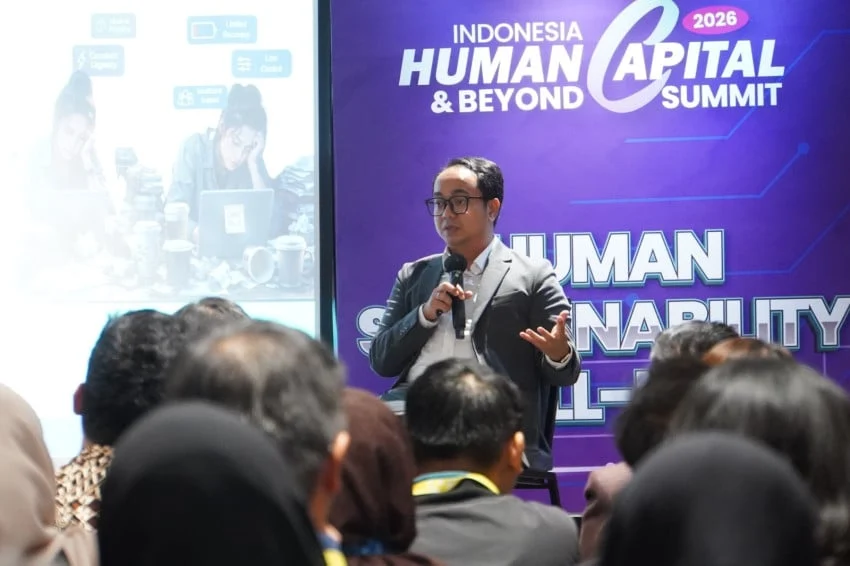
Career Well-being Becomes Central Pillar for Organizational Sustainability at Indonesia Human Capital and Beyond Summit 2026

by Pevita Pearce September 17, 2026
written by Pevita Pearce

JAKARTA — The professional landscape of 2026 has undergone a profound transformation, shifting the focus of human resource management from mere productivity metrics to the holistic concept of Career Well-being (CWB). At the Indonesia Human Capital & Beyond Summit (IHCBS) 2026, held in Jakarta on September 15–16, industry experts and organizational leaders converged to address the mounting crisis of workplace burnout and the urgent need for a systematic overhaul of corporate wellness strategies.

Ivan Ahda, Director of Strategic & Advisory at KTM Solutions, emerged as a leading voice during the summit, advocating for a paradigm shift that moves the burden of mental health away from the individual and places it squarely within the framework of organizational design. As global workforce demographics shift and the demands of a hybrid, tech-integrated economy intensify, the discourse at IHCBS 2026 highlighted that failing to address career well-being is no longer just a human resources issue—it is a significant business risk.

The Shift from Personal Resilience to Organizational Responsibility

For decades, corporate wellness programs were largely centered on individual accountability. Employees were encouraged to practice mindfulness, manage their time better, and build personal resilience to cope with increasing workloads. However, the data presented at the summit suggests that this approach has reached a point of diminishing returns.

"We have spent too much time treating burnout as a personal failing, asking employees to be more resilient or better at balancing their lives," Ivan Ahda noted during his keynote address. "When burnout becomes a recurring cycle within a team, it is no longer a problem of individual stamina. It is a systemic issue involving the environment, the culture, and the very structure of daily workflows. Wellbeing must evolve from a personal initiative into a core pillar of organizational strategy."

The implications of this shift are vast. By framing burnout as an "organizational fatigue" issue rather than a lack of individual willpower, companies are beginning to map the causal links between management styles, unreasonable deadlines, and talent attrition. This transition represents a maturation of HR practices, where the success of a business is now explicitly tied to the sustainability of its human capital.

IHCBS 2026: A Hub for Future-Proofing Human Capital

The Indonesia Human Capital & Beyond Summit 2026 serves as the primary forum for HR professionals, CEOs, and government policy advisors to discuss the future of work in Southeast Asia’s largest economy. The event, which spanned two days, featured a series of high-level discussions, interactive workshops, and technological showcases designed to prepare organizations for the challenges of the late 2020s.

A key highlight of the summit was the focus on the "The Burnout Audit," a methodology presented by KTM Solutions. This approach encourages organizations to implement diagnostic tools to identify the "early warning signs" of organizational fatigue long before they manifest as mass resignations or sudden declines in performance. The audit evaluates key metrics, including communication friction, decision-making bottlenecks, and the clarity of organizational purpose, all of which contribute to the underlying stress levels of the workforce.

The Five Dimensions of Career Well-being

To provide a framework for these discussions, KTM Solutions introduced an interactive Career Well-being Assessment at the summit. This assessment categorizes well-being into five distinct but interconnected dimensions:

  1. Social Well-being: Evaluating the quality of interpersonal relationships within the team, the existence of a support network, and the feeling of belonging within the organizational culture.
  2. Psychological Well-being: Measuring the cognitive and emotional health of employees, focusing on autonomy, competence, and the ability to handle professional challenges without chronic stress.
  3. Environmental Well-being: Assessing the physical and digital workspace, including the tools provided, the ergonomic conditions, and the efficiency of the workflow systems.
  4. Physical Well-being: Addressing the basic health needs of the workforce, including sleep, energy levels, and the physical capacity to maintain sustained performance over time.
  5. Financial Well-being: A critical component in the current economic climate, focusing on fair compensation, financial literacy, and the feeling of security regarding one’s professional future.

By breaking down well-being into these specific categories, organizations are better equipped to implement targeted interventions rather than relying on broad, generic wellness initiatives that often fail to address the root causes of employee dissatisfaction.

Data-Driven Insights and Global Context

The urgency of the discussions at IHCBS 2026 is supported by broader global trends. According to reports from the World Health Organization (WHO) and various human capital analytics firms, the cost of burnout in terms of lost productivity, healthcare expenses, and recruitment replacement is estimated to reach into the trillions of dollars annually on a global scale.

In the Indonesian context, where the workforce is increasingly young and tech-savvy, the expectations for workplace flexibility and mental health support have skyrocketed. Data presented at the summit indicated that companies with high scores in the five dimensions of CWB showed a 25% higher retention rate compared to their peers who maintained traditional, high-pressure management structures. Furthermore, these organizations reported a 15% increase in innovation, suggesting that a well-supported workforce is not only more stable but also more capable of high-level creative output.

The Impact of Organizational Fatigue

The session titled "The Burnout Audit: Detecting Organizational Fatigue Before Turnover Occurs" provided a sobering look at how companies often ignore the precursors of a "talent exodus." Ivan Ahda explained that burnout is rarely an overnight event; it is a gradual erosion of commitment.

"The audit is about identifying the ‘silent’ indicators," Ahda explained. "When an organization notices a decline in voluntary participation in optional meetings, a shift in communication tone from collaborative to transactional, or an increase in minor errors, these are the early signals of fatigue. If leadership waits for an employee to hand in a resignation letter, it is already too late to address the systemic cause."

The implications for leadership are clear: modern management requires a shift from reactive to proactive monitoring. This involves the use of data analytics to track pulse surveys, engagement scores, and project load metrics, ensuring that the organization remains "healthy" in a structural sense.

Towards a Sustainable Future of Work

The consensus emerging from the IHCBS 2026 is that the future of competitive advantage lies in the "Humanity of the Organization." As artificial intelligence and automation take over routine tasks, the value of human workers lies in their creativity, emotional intelligence, and strategic thinking—all of which are severely compromised by chronic stress.

For corporations operating in Indonesia and beyond, the path forward involves integrating Career Well-being into the company’s annual report, treating it with the same level of importance as financial audits or market expansion plans. By adopting a "well-being by design" approach, leaders can build organizations that are not only resistant to the inevitable shocks of the modern economy but are also capable of attracting and retaining the best talent in an increasingly competitive market.

The IHCBS 2026 has set a clear precedent: the organizations of the future will be defined by their ability to harmonize high-performance demands with a sustainable human experience. As the summit concluded, the message to the business community was unambiguous—the era of ignoring the human cost of growth is over, and the era of strategic Career Well-being has officially begun.

Conclusion and Future Outlook

As industries continue to navigate the complexities of 2026, the insights shared by KTM Solutions and the broader expert community at IHCBS 2026 provide a roadmap for survival and growth. The focus on proactive burnout detection, combined with a comprehensive understanding of the five dimensions of well-being, offers a blueprint for organizational longevity.

Looking ahead, the challenge for HR leaders will be the implementation of these concepts across diverse corporate cultures. While the theory is robust, the practical application—shifting entrenched management behaviors and re-engineering workflows—will require sustained commitment from the highest levels of executive leadership. Nevertheless, the momentum gained at the summit suggests that the industry is ready for this change, recognizing that in the modern world, the most valuable asset a company possesses is a workforce that is not only productive but also fundamentally healthy and supported.

By prioritizing the individual’s role within the organization through the lens of career well-being, companies are ensuring that they are not just surviving the challenges of the 2026 landscape, but are actively setting the standard for the next decade of professional excellence.

September 17, 2026 0 comment
0 FacebookTwitterPinterestEmail
Business & Economy

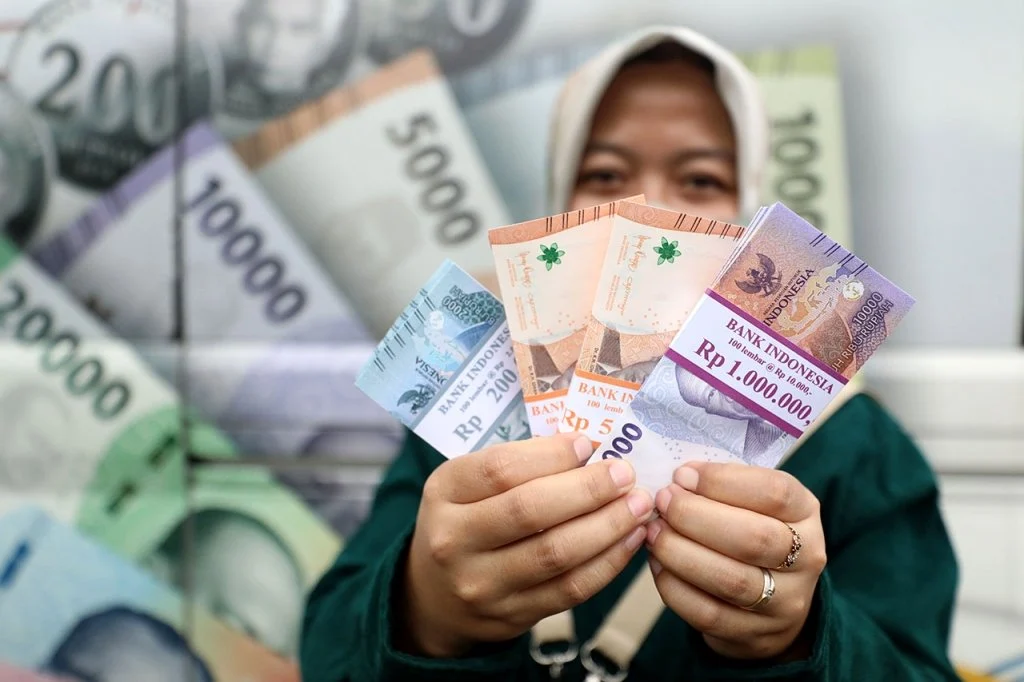
Jadwal Pencairan Bansos Tunai, Rakyat Akan Dapat BLT Rp5,4 Juta!

by Dwi Wanna September 17, 2026
written by Dwi Wanna

The government of Indonesia is preparing a major overhaul of its social welfare distribution system, with plans to transition toward a direct cash transfer model by the first half of 2027. Under the guidance of the National Economic Council (DEN), led by Luhut Binsar Pandjaitan, the administration is currently refining data sets to ensure that the upcoming financial assistance reaches the most vulnerable segments of the population. This initiative represents a shift in strategy, aiming to balance fiscal efficiency with targeted economic support for families in need.

Strategic Shift in Social Welfare Distribution

The proposed plan, which envisions a distribution of approximately Rp5.4 million per family, is designed to stimulate local consumption while providing a safety net against inflationary pressures. According to recent statements from the government, the transition toward a digital or coupon-based cash transfer system is intended to provide recipients with greater autonomy while simultaneously implementing safeguards to ensure funds are utilized for essential nutritional and household needs.

The decision to pivot toward a more direct form of social assistance follows months of internal deliberation regarding the efficacy of existing subsidy programs. By consolidating various smaller aid streams into a more cohesive direct cash transfer, the government hopes to reduce administrative overhead and minimize the risk of leakages in the distribution chain.

Chronology and Implementation Timeline

The roadmap for this program is structured around a rigorous data-cleansing phase scheduled to conclude by the end of 2026. This preparatory period is critical, as it involves cross-referencing national identity databases with household economic indicators to create an accurate registry of beneficiaries.

  • Late 2026: Finalization of the beneficiary database and integration of administrative systems.
  • Q1-Q2 2027: Official pilot program launch, where the new transfer mechanisms will be tested in selected regions to evaluate logistical feasibility.
  • Late 2027: Full-scale evaluation of the pilot program, followed by potential national rollout pending final executive approval.

The focus on the first half of 2027 is strategic, allowing the government to gauge the macroeconomic impact of the injections before committing to a permanent, nationwide expansion.

Mechanism and Guardrails: Beyond Simple Cash

A significant aspect of the new policy is the implementation of a "controlled" cash transfer mechanism. While the assistance is intended to provide direct liquidity to households, the government is exploring the use of digital coupons or restricted-use vouchers to ensure that the funds are directed toward specific, high-priority commodities.

Luhut Binsar Pandjaitan emphasized that the intent is to support the nutritional standards of low-income families. Specifically, the program aims to promote the consumption of essential protein sources such as eggs and poultry. By restricting the use of the aid to these categories, the government aims to combat stunting and malnutrition in children, which remain significant public health challenges in Indonesia.

Furthermore, the government is introducing strict usage policies. To ensure that the assistance serves its intended purpose of poverty alleviation, the funds will be barred from being utilized for non-essential or harmful expenditures, such as online gambling—an issue that has recently become a focus of national policy intervention—or the purchase of alcoholic beverages.

Fiscal Implications and Economic Scope

The potential impact of this program is significant, with estimations suggesting that the government could leverage fiscal savings to fund a program of this magnitude. Current projections mention an ambitious figure of Rp1,200 trillion in potential fiscal space, though the exact funding for the Rp5.4 million allocation remains subject to the final approval of President Prabowo Subianto.

The scale of this funding suggests a robust commitment to social welfare. If fully implemented, the injection of such capital into the lower-income brackets of the economy is expected to have a multiplier effect on local markets. By increasing the purchasing power of these households, the government anticipates a boost in demand for agricultural and essential goods, which in turn could support local producers and small-to-medium enterprises (SMEs).

Challenges and Expert Perspectives

While the proposal is bold, economists note that the success of such a large-scale cash transfer program depends heavily on the accuracy of the targeting mechanism. The primary challenge remains the "exclusion and inclusion error," where deserving families might be left out, or households with higher income levels might inadvertently receive benefits.

Furthermore, the integration of digital coupon technology requires a robust financial infrastructure. For families in remote or rural areas where access to digital banking or electronic payment kiosks is limited, the government will need to develop offline or physical alternatives to ensure that the distribution is inclusive.

Labor experts and social policy analysts suggest that while direct cash transfers provide immediate relief, they must be complemented by long-term structural programs, such as job training and education initiatives, to ensure that families can eventually transition out of poverty. The government has signaled an awareness of this, noting that the social safety net is part of a broader strategy for economic resilience.

Government Response and Future Outlook

The National Economic Council has maintained that the current preparatory phase is not just about the distribution of funds, but about building a sustainable system of economic monitoring. By digitizing the process, the government expects to gain better visibility into how social assistance impacts the livelihoods of the recipients over time.

As the administration of President Prabowo Subianto continues to refine its economic agenda, the social assistance program stands as a cornerstone of its commitment to social equity. The transition to a more transparent and restricted cash transfer system reflects a global trend in welfare economics, where governments move away from broad subsidies toward targeted interventions that can be measured, audited, and adjusted in real-time.

For the citizens awaiting the program, the coming months will be a period of observation as the government completes its data verification. The effectiveness of the pilot program in early 2027 will likely serve as the litmus test for the long-term feasibility of this Rp5.4 million assistance package.

Strengthening Social Safety Nets in Indonesia

Indonesia has historically utilized various forms of social assistance, ranging from the Program Keluarga Harapan (PKH) to Bantuan Pangan Non-Tunai (BPNT). The new proposal by the National Economic Council represents an evolution of these programs, incorporating lessons learned from the challenges of past distributions.

One of the key lessons learned during previous aid cycles is the importance of real-time data updates. By investing in a more dynamic registry, the government aims to ensure that the aid responds to changing economic circumstances—such as job losses or sudden inflation—more effectively than static lists used in the past.

The involvement of the National Economic Council, a body tasked with providing high-level advice on economic policy, underscores the seriousness of this initiative. By aligning social welfare with broader economic strategies, the government is attempting to ensure that social aid is not seen merely as a cost, but as an investment in the human capital of the nation.

The Role of Technology and Monitoring

The move toward "smart" social assistance, utilizing coupon-based systems, necessitates a high degree of technological integration. If successful, this could reduce the administrative burden on local governments, which have often struggled with the logistical complexities of physical goods distribution.

Furthermore, by moving toward a digital footprint for these transfers, the government creates a trail that can be analyzed to identify consumption patterns. This data will be invaluable for future policy adjustments, allowing the state to understand which commodities are most essential to the target demographic and how price fluctuations in these goods impact household stability.

Conclusion

As the government moves toward the first quarter of 2027, the focus remains on execution and precision. The proposed Rp5.4 million direct cash transfer is a significant undertaking that reflects the current administration’s focus on poverty reduction through direct, targeted support. By combining the benefits of cash liquidity with the oversight of restricted usage, the policy seeks to strike a delicate balance between individual agency and the necessity of social responsibility.

While the program is still in its design and verification phase, the framework suggests a methodical approach to one of the most critical aspects of national governance: the welfare of its people. The upcoming pilot phase will be a critical period for assessing the operational capacity of the government to deliver on this promise, and it will undoubtedly be closely watched by stakeholders, economists, and the millions of families who stand to benefit from the initiative. As the deadline for the pilot approaches, the government’s ability to maintain the integrity of its data and the efficiency of its distribution will determine the overall success of this ambitious welfare transformation.

September 17, 2026 0 comment
0 FacebookTwitterPinterestEmail
Business & Economy

IHSG Closes in the Green Zone: Jakarta Composite Index Gains 0.40 Percent Supported by Broad Sectoral Recovery

by Rifan Muazin September 17, 2026
written by Rifan Muazin

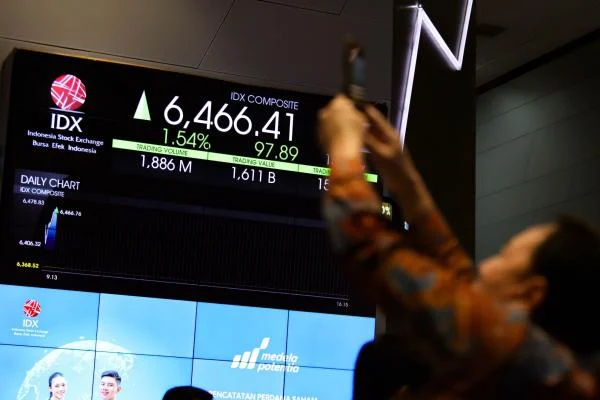
The Jakarta Composite Index, widely known as the Indeks Harga Saham Gabungan (IHSG), successfully closed in positive territory during the final trading session on Thursday, September 17, 2026. Demonstrating resilience amid shifting regional and global macroeconomic sentiments, the benchmark index advanced by 25.58 points, or 0.40 percent, to settle at the 6,462 level. This positive momentum reflected strong participation from retail and institutional investors alike, characterized by robust trading volumes and widespread gains across a majority of the market sectors listed on the Indonesia Stock Exchange (IDX).

Comprehensive Market Statistics and Trading Activity

Thursday’s trading session was marked by an energetic market breadth, signifying healthy buying interest across diverse asset classes within the exchange. Out of the total equities traded, 407 stocks recorded gains, 255 stocks experienced corrections, and 301 stocks remained stagnant, reflecting a balanced yet predominantly bullish market sentiment.

Market liquidity remained strong throughout the session, with total transaction values reaching Rp13.8 trillion. This substantial turnover was generated through the exchange of approximately 27.3 billion shares across various boards. The sheer volume of transactions underscores ongoing investor confidence in the underlying fundamentals of Indonesian corporations, even as global markets navigate inflationary pressures and fluctuating monetary policies.

Major benchmark indices on the Indonesia Stock Exchange mirrored the upward trajectory of the main index. The LQ45 index, which tracks the 45 most liquid and highly capitalized stocks, crept up by 0.22 percent to close at 648. Similarly, the Jakarta Islamic Index (JII), focusing on Sharia-compliant securities, edged higher by 0.02 percent to finish at 392.

IHSG Hari Ini Ditutup Menguat ke 6.462, Nilai Transaksi Rp13,8 Triliun

Broader market gauges also posted encouraging figures. The IDX30 index advanced by 0.36 percent to reach 360, while the MNC36 index recorded a 0.27 percent gain, closing the day at 282. These consistent, albeit modest, increases across multiple sub-indices highlight a synchronized recovery rather than a rally driven by a single heavyweight sector.

Sectoral Performance: Energy and Financials Lead the Charge

A closer look at sectoral indices reveals a dominant green wave across the board. Out of the eleven primary sectors monitored on the IDX, ten closed in positive territory, while only a single sector succumbed to selling pressure.

The sectors that successfully ended the day in the green zone included energy, non-cyclical consumer goods, financials, properties, basic materials, transportation, industrial, technology, cyclical consumer goods, and infrastructure. Financial institutions and energy counters served as the primary pillars supporting the IHSG, driven by steady corporate earnings reports and favorable commodity price outlooks.

Conversely, the healthcare sector stood out as the sole laggard, closing the session in the red. Analysts attribute the minor pullback in healthcare stocks to routine profit-taking following short-term rallies earlier in the week, alongside shifting defensive allocations by institutional portfolios.

Top Gainers and Top Losers of the Session

Individual stock movements provided significant excitement for market participants, with several lesser-known and mid-cap equities experiencing sharp volatility.

IHSG Hari Ini Ditutup Menguat ke 6.462, Nilai Transaksi Rp13,8 Triliun

Leading the top gainers list was PT Arkayana Lestari Grup Tbk (AYLS), which skyrocketed by 34.69 percent to close at Rp198 per share. Close behind was PT Andalan Sakti Primaindo Tbk (ASPI), registering an impressive surge of 24.51 percent to finish at Rp635. Rounding out the top three performing equities was PT Dana Brata Luhur Tbk (TEBE), which climbed 18.73 percent to reach Rp1,965 per share. These substantial gains were largely attributed to speculative buying and company-specific corporate updates that caught the attention of growth-oriented investors.

On the flip side, the top losers board featured equities that faced heavy profit-taking and downward selling pressure. PT Asia Sejahtera Mina Tbk (AGAR) suffered the steepest decline among common stocks, plunging 14.62 percent to Rp2,160. It was followed by the Reksa Dana Indeks Simas ETF IDX30, which fell 14.52 percent to Rp106. Additionally, logistics provider PT Satria Antaran Prima Tbk (SAPX) dropped 12.02 percent, closing the day at Rp322 per share.

Background Context and Recent Market Trajectory

The rebound on Thursday follows a period of notable volatility within the Indonesian capital market. Earlier in the week, specifically during the trading session on Tuesday, September 15, 2026, the market experienced a downturn where 332 stocks slumped into the red zone, dragging the IHSG down to close at 6,461.

Market observers noted that the earlier contraction was primarily driven by external uncertainties, including cautious stances adopted by global central banks and foreign capital outflows from emerging markets. However, the ability of the IHSG to recover and hold above the 6,460 support level by Thursday demonstrates underlying domestic market resilience. Analysts have pointed out that strong domestic consumption, robust retail investor participation, and favorable quarterly economic indicators continue to provide a vital cushion against external shocks.

Expert Analysis and Broader Implications

Financial analysts reviewing Thursday’s market action emphasize that the consolidation phase currently experienced by the IHSG is a normal part of the broader market cycle. While global headwinds—such as geopolitical tensions and fluctuating currency exchange rates—continue to cast a shadow over emerging market economies, Indonesia’s macroeconomic fundamentals remain relatively stable.

IHSG Hari Ini Ditutup Menguat ke 6.462, Nilai Transaksi Rp13,8 Triliun

The high transaction value of Rp13.8 trillion indicates that liquidity within the domestic financial system is adequate to support active trading. Institutional investors appear to be engaging in selective stock-picking, focusing on companies with solid balance sheets, sustainable dividend payouts, and strong exposure to domestic economic growth drivers such as infrastructure development and consumer spending.

Looking ahead, market participants are advised to closely monitor upcoming macroeconomic data releases, including domestic inflation figures, trade balance reports, and central bank interest rate decisions. These indicators will heavily influence market direction in the remaining weeks of the third quarter of 2026. While short-term volatility is expected to persist, the capacity of the IHSG to maintain its position above crucial psychological thresholds offers a cautiously optimistic outlook for investors navigating the Indonesian bourse.

September 17, 2026 0 comment
0 FacebookTwitterPinterestEmail
Technology

Maximizing Your Mac Video Quality: How to Transform Your iPhone into a High-Definition Webcam Using Apple Continuity Camera

by Basiran September 17, 2026
written by Basiran

The evolution of remote work, virtual education, and digital communication has elevated the importance of video conferencing hardware. While built-in cameras on modern MacBooks have improved significantly—often featuring 1080p FaceTime HD lenses or advanced image signal processors paired with Apple Silicon—they still rely on compact sensors constrained by the thin physical profile of a laptop lid. For professionals, content creators, and everyday users seeking DSLR-quality video calls without investing in dedicated external mirrorless cameras, Apple offers a native, high-performance solution already sitting in millions of pockets: the iPhone.

Through a proprietary ecosystem capability known as Continuity Camera, Apple allows users to harness the sophisticated multi-lens arrays, larger sensors, and advanced computational photography engines of their iPhones to act as a wireless or wired webcam and microphone for their Mac. This integration bridges the hardware gap between mobile photography and desktop computing, utilizing ecosystem synergy to deliver studio-grade visual fidelity during virtual meetings, webinars, and online lectures without requiring third-party software, complex drivers, or cumbersome hardware setups.

The technological architecture behind this feature reflects a broader industry shift toward device interoperability and hardware recycling. Instead of purchasing an independent peripheral, consumers can leverage the powerful camera hardware they already own. This comprehensive guide explores the systemic prerequisites, step-by-step configuration protocols, advanced creative features, troubleshooting methodologies, and the broader technological implications of Apple’s Continuity Camera feature in modern remote workflows.

Technological Background and Evolution of Continuity Camera

Apple first introduced the concept of Continuity alongside iOS 8 and OS X Yosemite in 2014, establishing a seamless bridge between mobile devices and personal computers. Features like Handoff, Universal Clipboard, and iPhone Cellular Calls transformed isolated operating systems into a unified user experience. However, utilizing high-end mobile optics as a primary computer input device remained a challenge due to bandwidth limitations, latency issues, and the sheer processing overhead of high-resolution video streaming.

As Apple transitioned its Mac lineup from Intel processors to proprietary Apple Silicon (M1, M2, M3, and M4 series) and enhanced the Neural Engine capabilities across its mobile and desktop chips, the technical barriers to real-time high-bandwidth video routing evaporated. Released natively with iOS 16 and macOS Ventura, Continuity Camera represented a major leap forward. It capitalized on the ultra-wide rear camera sensors of iPhones, utilizing software-based ultra-wide framing to create dynamic tracking capabilities that traditionally required motorized robotic webcams.

Industry analysts note that this capability addresses a long-standing pain point in remote corporate environments. While external webcams from manufacturers like Logitech, Elgato, and Razer occupy a multi-million-dollar hardware market, the integration of iPhone optics offers an immediate, zero-cost upgrade for Apple ecosystem loyalists. By routing video feeds through secure, encrypted device-to-device protocols, Apple ensures that high-definition data streams remain private and low-latency, whether connected via high-speed Wi-Fi networks or physical USB-C cables.

System Requirements and Ecosystem Prerequisites

Before initializing the Continuity Camera feature, users must verify that their hardware and software configurations meet the stringent compatibility baselines established by Apple. Because the feature relies heavily on shared cryptographic security keys, peer-to-peer Wi-Fi protocols, and advanced machine learning algorithms processed on the device’s neural architecture, specific hardware iterations are mandatory.

First, the primary imaging device—the iPhone—must be running iOS 16 or any subsequent software iteration. Hardware compatibility is restricted to iPhone XR or newer models, ensuring that the device possesses a sufficiently powerful neural engine and image signal processor to handle real-time computational adjustments. On the computing side, the host Mac (whether a MacBook Air, MacBook Pro, iMac, Mac mini, or Mac Studio) must operate on macOS Ventura 13 or later.

Crucially, both devices must be logged into the exact same Apple Account (formerly Apple ID) and protected by two-factor authentication. This security handshake ensures that unauthorized devices within a shared local network cannot hijack or intercept the high-definition video feed. For wireless operation, both the iPhone and the Mac must have Wi-Fi and Bluetooth toggled on, and the devices must remain within standard proximity parameters of one another. If these conditions are not systematically met, the system will fail to recognize the iPhone as a viable audio-video input source.

Step-by-Step Configuration and Deployment Protocol

Setting up Continuity Camera requires no third-party utility downloads, driver installations, or complicated network configurations. The entire pipeline is managed natively by the macOS and iOS operating systems. Users can execute the setup through a structured, multi-phase operational sequence.

1. Verifying System Settings and Account Synchronization

The foundational step requires checking software versions and account parameters. Users should navigate to the Settings application on their iPhone, verify their Apple Account credentials, and confirm that two-factor authentication is active. Next, navigate to General, followed by AirPlay & Continuity (or AirPlay & Handoff, depending on the specific iOS iteration). Within this menu, locate the toggle for Continuity Camera and ensure it is switched to the active position. By default, this feature is enabled out of the box on supported devices, but manual verification prevents connection bottlenecks.

2. Hardware Positioning and Physical Stability

Achieving professional framing requires secure physical placement. Because the rear camera array of the iPhone delivers significantly higher resolution and optical depth than front-facing selfie lenses, the phone must be mounted securely with the rear cameras facing the user. Apple and various third-party accessory manufacturers—such as Belkin—offer specialized MagSafe mounts designed to clip securely onto the upper bezel of a MacBook display.

When mounting the device, users should ensure the iPhone is oriented horizontally in landscape mode. Landscape orientation is critical because standard video conferencing applications natively render video feeds in wide-aspect ratios. Vertical positioning will result in cropped letterboxed imagery or failure of the host application to recognize the input aspect ratio correctly. Furthermore, the mount must be stable to prevent structural vibration or gradual slippage during active typing or gesturing.

3. Application Integration and Input Selection

Once the iPhone is physically secured and powered on near the Mac, users can open any application dependent on camera input. Native programs like FaceTime, as well as third-party enterprise tools such as Zoom, Microsoft Teams, Google Meet, and Webex, immediately recognize the iPhone as an available video and audio peripheral.

Within FaceTime, users navigate to the top menu bar, select Video, and choose the iPhone from the list of available cameras. For third-party conferencing platforms, the adjustment is typically found within the application’s settings or preferences menu under the Video and Audio tabs. Upon selection, the MacBook’s display instantly transitions to the high-definition feed captured by the iPhone’s advanced rear camera system.

4. Power Management: Wireless versus Wired Connectivity

One of the primary benefits of Continuity Camera is its wireless functionality, allowing users to move about their workspace without being tethered to their laptops by physical cords. However, continuous transmission of 1080p or 4K video feeds places a heavy computational and energetic burden on the iPhone’s battery.

To mitigate rapid battery depletion during extended multi-hour board meetings or lectures, users can seamlessly transition from wireless operation to a wired connection by linking the iPhone to the MacBook via a USB-C cable. This wired configuration not only maintains continuous battery replenishment during high-intensity workloads but also acts as a failshoot against local wireless interference or network congestion in office environments crowded with competing Wi-Fi signals.

Advanced Computational Video and Audio Features

Beyond simple resolution upgrades, the integration of Continuity Camera unlocks a suite of software-driven visual enhancements powered by Apple’s machine learning frameworks. These features operate in real time, transforming a standard video call into a broadcast-quality production.

  • Center Stage: Utilizing the ultra-wide rear camera sensor, Center Stage automatically pans, zooms, and adjusts the digital frame to keep the user centered, even when moving around or leaning to the side. This is particularly useful for instructional videos, presentations, or dynamic collaborative sessions.
  • Portrait Mode: This feature artificially blurs the background behind the user, generating a professional shallow depth-of-field effect that isolates the speaker from distracting home or office environments without requiring a physical green screen.
  • Studio Light: An algorithmic enhancement that intelligently brightens the user’s face while dimming harsh background lighting, ensuring optimal facial exposure even in poorly lit rooms.
  • Desk View: Perhaps the most innovative utility within the Continuity Camera suite, Desk View utilizes the ultra-wide camera to simultaneously display the user’s face and an overhead-style perspective of their physical desk surface. This capability is exceptionally valuable for educators demonstrating handwritten equations, artists sketching concepts, or product reviewers displaying physical items directly to remote participants.

Troubleshooting and Common Resolution Strategies

Despite the seamless nature of Apple’s ecosystem architecture, technical anomalies can occasionally disrupt the connection between an iPhone and a MacBook. Common failure points usually stem from network dropouts, outdated software binaries, or account synchronization errors.

If an iPhone fails to appear as an available webcam option within macOS, users should execute a systematic diagnostic checklist:

  1. Verify Wireless Handshakes: Ensure that both Wi-Fi and Bluetooth are actively broadcasting on both the iPhone and the Mac. Toggling both radios off and back on can re-establish local peer-to-peer discovery protocols.
  2. Confirm Apple Account Consistency: Check the Apple Account settings on both devices to guarantee that they are signed into the exact same profile. Discrepancies in secondary iCloud accounts will sever secure handshaking procedures.
  3. Physical and Cable Diagnostics: If wireless discovery fails persistently, connect the iPhone directly to the Mac using a certified USB-C cable. This bypasses local RF interference and forces a direct hardware handshake.
  4. Software Updates: Ensure that both iOS and macOS are updated to their latest respective builds. Mismatched minor version numbers can occasionally deprecate API calls necessary for Continuity features to function. Restarting both devices is also a standard remedial step that clears temporary system caches.

Economic and Industry Implications of Ecosystem Integration

The widespread adoption of features like Continuity Camera signals a broader trend within consumer technology: the convergence of disparate hardware categories into unified modular systems. By empowering consumers to utilize existing mobile investments as high-performance desktop peripherals, Apple reduces electronic waste and dampens the demand for standalone peripheral purchases.

For enterprise organizations, this capability translates into reduced hardware expenditure. IT procurement departments no longer need to allocate capital budgets for dedicated external webcams for every remote employee outfitted with a MacBook and a modern iPhone. Instead, corporate standardization around Apple hardware ecosystems yields immediate cost-saving efficiencies alongside elevated audiovisual standards during client-facing virtual communications.

As artificial intelligence and neural processing chips continue to advance across mobile and desktop silicon, the boundary between dedicated broadcast equipment and everyday consumer electronics will continue to blur. Continuity Camera stands as a prime industrial example of how sophisticated software engineering can unlock latent hardware potential, redefining the utility of personal technology in an increasingly connected world.

September 17, 2026 0 comment
0 FacebookTwitterPinterestEmail
Newer Posts
Older Posts

Recent Posts

  • Levi’s and ROSÉ Unveil Exclusive Denim Capsule Collection Celebrating Individuality and Personal Expression Across Asia-Pacific
  • Teman Lagi Sedih? Kalimat Ini Bikin Mereka Merasa Nyaman dan Didengar Menurut Psikolog
  • Silence Speaks Volumes: Coordinating Minister Rizal Ramli Dodges Inquiries on the Historic Dissolution of Pertamina Energy Trading Limited
  • Mau Gaspol Saat Hyrox? Ini 8 Asupan yang Bisa Jadi Bahan Bakar
  • Pemerintah Buy Back SUN Mencapai Rp100 M

Recent Comments

No comments to show.
  • Facebook
  • Twitter

@2021 - All Right Reserved. Designed and Developed by PenciDesign


Back To Top
Dara News Media
  • Home
  • About Us
  • Contact Us
  • Cookies Policy
  • Disclaimer
  • DMCA
  • Privacy Policy
  • Terms and Conditions

We are using cookies to give you the best experience on our website.

You can find out more about which cookies we are using or switch them off in .

Dara News Media
Powered by  GDPR Cookie Compliance
Privacy Overview

This website uses cookies so that we can provide you with the best user experience possible. Cookie information is stored in your browser and performs functions such as recognising you when you return to our website and helping our team to understand which sections of the website you find most interesting and useful.

Strictly Necessary Cookies

Strictly Necessary Cookie should be enabled at all times so that we can save your preferences for cookie settings.