• Home
  • About Us
  • Contact Us
  • Cookies Policy
  • Disclaimer
  • DMCA
  • Privacy Policy
  • Terms and Conditions
Dara News Media
keep your memories alive
Technology

Oxford University’s Pitt Rivers Museum to Repatriate Naga Ancestral Remains to Northeast India

by Laily UPN September 17, 2026
written by Laily UPN

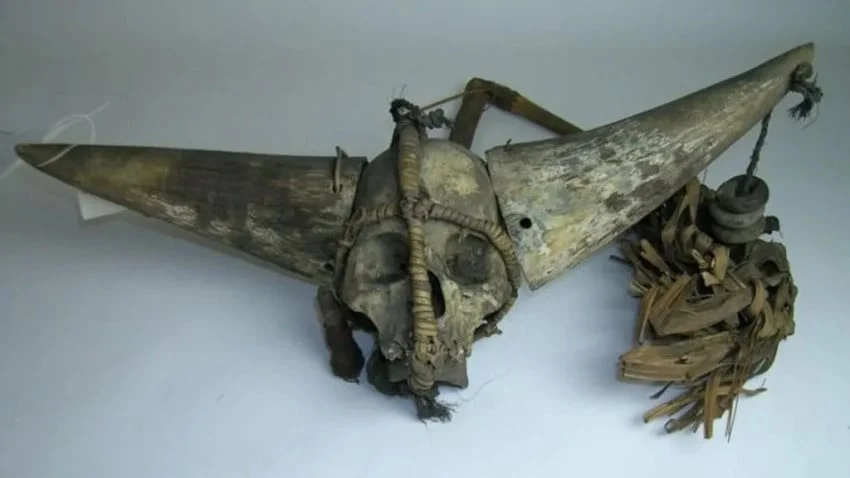
In a landmark decision that signals a shift in the global discourse on colonial-era collections, the Pitt Rivers Museum at the University of Oxford has formally agreed to repatriate 39 sets of ancestral human remains to the Naga community in Northeast India. This move, long sought by indigenous groups and human rights advocates, marks the culmination of a multi-year diplomatic and ethical negotiation between the academic institution and the Forum for Naga Reconciliation (FNR). The process of returning these human remains, which were extracted during the British colonial administration of the Indian subcontinent, serves as a significant case study in the broader international movement to decolonize museum collections and acknowledge the historical trauma inflicted upon indigenous populations.

The remains in question, which include skeletal fragments and other ancestral relics, were collected between the late 19th and early 20th centuries. During this era, British colonial officers, explorers, and anthropologists frequently gathered human remains, cultural artifacts, and sacred objects from the Naga Hills—a region spanning modern-day Nagaland and parts of Manipur and Assam. For decades, these items were held within the Pitt Rivers Museum’s extensive ethnographic collection, which is arguably the largest and most significant repository of Naga material culture outside of India.

A Chronology of Collection and Repatriation

The origins of this collection date back to the height of British imperial expansion in South Asia. During the colonial administration of the Naga Hills, which took place from approximately 1832 to 1947, British officials and military personnel engaged in the systematic collection of ethnographic materials. At the time, such practices were often framed under the guise of scientific inquiry, though they were inextricably linked to the power dynamics of colonial governance.

By the mid-20th century, the presence of these remains in the United Kingdom had become a point of contention for Naga activists and intellectuals who viewed the display and storage of their ancestors’ remains as a lingering form of colonial exploitation. The trajectory toward repatriation began in earnest in the early 21st century as global museums faced increasing scrutiny regarding the provenance of their holdings.

The specific process of repatriation accelerated in recent years:

  • Early 20th Century: British colonial administrators acquire 40 sets of human remains from the Naga region, transporting them to England for research and display.
  • 2020: The Pitt Rivers Museum takes the decisive step of removing these human remains from public exhibition. This decision was part of a broader institutional review of how the museum displays human remains, acknowledging that the display of such items without consent is ethically fraught.
  • 2022–2023: The Forum for Naga Reconciliation (FNR) initiates formal dialogue with the University of Oxford and the Pitt Rivers Museum, requesting the repatriation of the remains to ensure they are laid to rest with dignity in their ancestral land.
  • 2024: The university officially approves the repatriation request, confirming that 39 of the 40 sets identified in the FNR’s petition will be returned to the Naga community.

The Ethical Imperative: Beyond Academic Inquiry

For the Naga people, this repatriation is not merely a logistical return of physical remains but a profound act of cultural and spiritual restoration. In a joint statement, the FNR and affiliated Naga organizations emphasized that the return of these remains signifies the healing of historical wounds. By bringing these ancestors back to their homeland, the community seeks to restore the "memory" that was forcibly severed by colonial acquisition.

Dr. Laura Van Broekhoven, the Director of the Pitt Rivers Museum, has been a vocal proponent of this ethical shift. In her correspondence with international media, she acknowledged the gravity of the museum’s past practices, stating, "These remains have been far from their homeland for far too long." This perspective aligns with the museum’s ongoing "decolonization project," which seeks to address the systemic imbalances inherent in the creation of colonial-era archives.

The museum’s administration has underscored that the process is not an admission of "ownership" by the museum, but rather an acknowledgment of the moral obligation to return what was taken under duress. The collaboration with the FNR—a coalition of Naga churches and civil society groups—ensures that the remains will be handled with appropriate cultural sensitivity upon their arrival in Northeast India.

Data and Context of the Pitt Rivers Collection

The Pitt Rivers Museum holds a collection of over 6,000 items related to the Naga tribes, making it the most significant repository of such material in the world. This collection includes textiles, jewelry, weapons, and household tools. However, the presence of human remains in such collections has historically been the most sensitive issue.

According to museum records, the collection was amassed during a time when "scientific racism" was prevalent, and the physical characteristics of indigenous people were often studied to support colonial hierarchies. The 39 sets of remains are part of a larger, complex inventory that the museum has been auditing for several years. The decision to repatriate follows the museum’s internal review, which concluded that the retention of these remains no longer aligned with contemporary ethical standards or the museum’s mission of building respectful relationships with source communities.

Global Implications and the Future of Museums

The repatriation to the Naga community is a critical development in the global debate surrounding "restitution." Major museums, including the British Museum, the Smithsonian, and the Humboldt Forum, have faced increasing pressure to address the colonial origins of their collections. The Pitt Rivers Museum’s action sets a precedent for how universities and state-funded institutions should handle requests from indigenous nations.

Analysts point to several key implications of this decision:

  1. Normalization of Repatriation: This event moves repatriation from an exceptional, often legalistic, burden to a standard procedure for institutions holding colonial-era ethnographic materials.
  2. Recognition of Indigenous Sovereignty: By engaging directly with the FNR—a non-state actor representing a specific cultural identity—the university is implicitly recognizing the rights of indigenous peoples to control their own cultural and ancestral heritage, regardless of national borders or colonial maps.
  3. Institutional Transparency: The move forces other institutions to audit their own holdings. When a major institution like Oxford takes such a step, it becomes significantly harder for other entities to claim that such remains are "indispensable" for academic research or public education.
  4. Cultural Healing: For post-colonial nations like India, the return of ancestral remains is a vital step in the broader project of national and cultural reclamation. It allows communities to process the grief of the colonial era and re-establish a spiritual connection with their ancestors.

Challenges in the Repatriation Process

While the announcement has been met with widespread support, the practical logistics of repatriating human remains are complex. The process involves strict international regulations regarding the transport of human biological material, careful documentation to ensure the remains are correctly identified, and the coordination of local burial ceremonies in the Naga Hills.

Furthermore, there is the ongoing question of what remains to be done. While 39 sets are being returned, the FNR’s original request cited 40 sets. Discrepancies in historical record-keeping often mean that identifying the precise origin and current location of every single item is a monumental task. The Pitt Rivers Museum has committed to continuing its audit of its collections, suggesting that this repatriation may be the first of several future transfers as more information comes to light.

A New Chapter in Anglo-Naga Relations

The relationship between the United Kingdom and the Naga people has been historically fraught, marked by the complexities of missionary work, British colonial military campaigns, and the subsequent formation of modern India. This act of repatriation acts as a diplomatic bridge, demonstrating that academic institutions can play a role in mending historical rifts.

As the remains prepare to travel back to Northeast India, the focus shifts to the local reception. The FNR has indicated that there will be ceremonies to honor the return of these ancestors, marking a transition from being "objects of study" in a London museum to being respected ancestors within their own social structure.

The significance of this event cannot be overstated. It represents the maturation of the museum sector, where the value of a collection is no longer measured solely by its size or its ability to draw visitors, but by the integrity of its relationships with the communities from which its objects originated. As museums globally continue to grapple with their colonial legacies, the Pitt Rivers Museum’s collaboration with the Naga community will likely serve as a benchmark for transparency, ethical responsibility, and restorative justice in the 21st century.

By prioritizing the agency of the Naga people and acknowledging the colonial violence that enabled the collection of these remains, the University of Oxford has set a new standard for how the past can be navigated in the present. The return of these 39 sets of remains is more than a administrative transfer; it is a profound acknowledgment that some things—and some people—never belonged in a display case, and that justice requires the simple, human act of letting them go home.
September 17, 2026 0 comment
0 FacebookTwitterPinterestEmail
Automotive

HP Meledak di dalam KRL 5 Penyebab Utama ini Wajib Diwaspadai

by Rifan Muazin September 17, 2026
written by Rifan Muazin

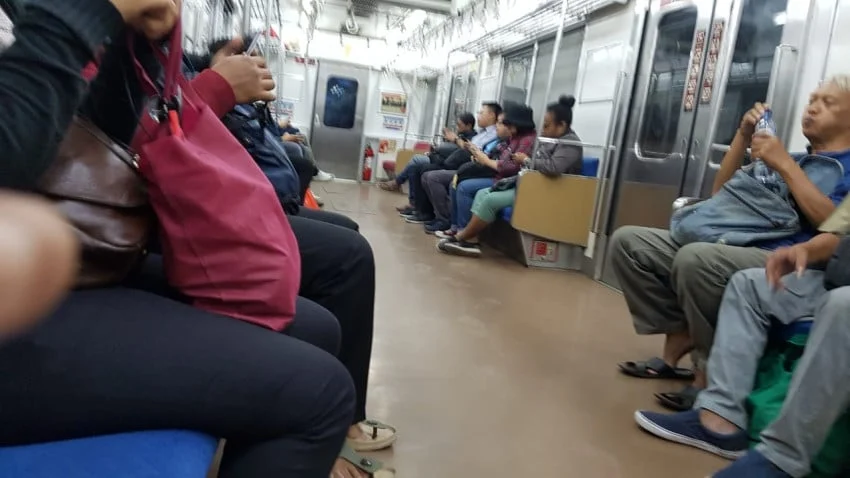
The alarming incident involving a smartphone catching fire inside a commuter train has once again brought the issue of battery safety and lithium-ion technology to the forefront of public discourse. On Thursday, September 17, 2026, passengers aboard the Commuter Line 1641, traveling from Rangkasbitung to Tanah Abang, were thrust into a state of alarm when a mobile device suddenly erupted in flames within a woman-only carriage. The incident, which occurred at 06:49 WIB at Rawa Buntu Station, highlights the latent risks associated with portable electronics in high-density public transportation environments.

Chronology of the Incident at Rawa Buntu

The situation unfolded rapidly during the morning rush hour. According to the official account provided by KAI Commuter, the incident was first identified by security personnel stationed on the platform at Rawa Buntu Station. The staff observed smoke billowing from a passenger’s bag while the train was docked. In a display of quick thinking, the passenger immediately discarded the smoking bag onto the station platform, effectively isolating the source of the fire from the interior of the train carriage.

Upon receiving the report, security personnel followed standard operating procedures to secure the area and neutralize the threat. An inspection of the discarded bag revealed two mobile devices in a state of advanced combustion. KAI Commuter Public Relations Manager Leza Arlan confirmed that the response team acted immediately to assist the passenger and ensure the safety of those in the immediate vicinity.

"Our personnel immediately assisted the user in exiting the Commuter Line and secured the bag containing the gadgets that were emitting smoke," Leza stated. "We also provided clear instructions to other passengers to remain calm and avoid panic during the evacuation process."

While no injuries were reported, the incident caused a brief disruption in boarding and disembarking operations at Rawa Buntu Station. The swift containment of the fire prevented what could have been a catastrophic event in a crowded, confined space.

The Science of Lithium-Ion Battery Failure

To understand why such devices fail, one must look at the chemistry of modern smartphones. Almost all contemporary mobile devices utilize lithium-ion (Li-ion) or lithium-polymer (Li-Po) batteries. These batteries are favored for their high energy density and slow self-discharge rates. However, they are also inherently sensitive to environmental and mechanical stressors.

A battery "explosion"—or more accurately, a thermal runaway—occurs when the internal temperature of a cell increases uncontrollably. This can be triggered by a physical puncture, a manufacturing defect, or an internal short circuit. When the protective separator between the anode and cathode is compromised, the stored energy is released as heat, which in turn causes adjacent cells to heat up, leading to a self-sustaining cycle of combustion that is difficult to extinguish with conventional means.

Five Primary Causes of Smartphone Combustion

While the specific cause of the Rawa Buntu incident is currently under investigation, industry experts frequently point to five major factors that contribute to battery failure in mobile devices.

1. Physical Damage and Punctures

The most common cause of battery fires is physical trauma. If a phone is dropped, bent, or punctured, the internal structure of the battery cell can be breached. A dent or a crush can compress the internal layers, leading to an immediate short circuit. Even if the device appears functional after a fall, the internal damage may cause a delayed thermal runaway event hours or even days later.

HP Meledak di dalam KRL, 5 Penyebab Utama Ini Wajib Diwaspadai

2. Excessive Heat Exposure

Batteries are sensitive to temperature extremes. Leaving a phone in direct sunlight, such as on a car dashboard, or near a heat source can degrade the chemical electrolyte inside the battery. Over time, this degradation produces gas, causing the battery to swell or "puff up." A swollen battery is a significant fire hazard and should be retired from service immediately.

3. Substandard or Damaged Charging Equipment

The use of non-certified, "knock-off" chargers and cables is a recurring problem. Cheap third-party chargers often lack the sophisticated circuitry required to regulate voltage and current. If a charger sends an unregulated surge of electricity to the device, it can overheat the battery, eventually causing it to vent gas or ignite. Similarly, frayed or exposed charging cables can lead to short circuits during the charging process.

4. Manufacturing Defects

Despite rigorous quality control, occasional manufacturing flaws occur. Contamination during the assembly process—such as tiny metal particles entering the battery cell—can create a microscopic short circuit. These defects are often latent and may only manifest after the device has been in use for several months, making them notoriously difficult for consumers to predict.

5. Battery Aging and Overcharging

As batteries age, their internal resistance increases, causing them to generate more heat during charging and discharging cycles. Furthermore, while modern smartphones have built-in "smart" charging software designed to prevent overcharging, hardware failure in the phone’s power management integrated circuit (PMIC) can cause the device to continue drawing power even after the battery has reached its capacity, leading to thermal stress.

Safety Protocols for Commuter Rail Passengers

The incident in the Rangkasbitung-Tanah Abang line serves as a reminder for all public transport users to practice caution. KAI Commuter has reiterated the importance of vigilance. Passengers are urged to monitor their electronic devices for any signs of physical deformity, such as a bulging chassis or screen lifting, which are tell-tale signs of a failing battery.

Furthermore, if a passenger notices a device emitting an unusual odor, smoke, or excessive heat while in transit, the recommended protocol is to alert train security or station staff immediately. Attempting to extinguish a lithium-ion fire with water can be dangerous, as the reaction between lithium and water can exacerbate the fire. Professional containment is always the safest course of action.

Broader Implications for Public Safety

The incident at Rawa Buntu is part of a larger, global conversation regarding the safety of lithium-ion batteries. With the rapid proliferation of electronic devices—including electric bicycles, scooters, and laptops—the volume of high-energy batteries in public spaces has increased exponentially.

Regulatory bodies and transportation authorities are increasingly looking at ways to mitigate these risks. Some transit systems globally have implemented strict policies regarding the carriage of damaged or leaking power banks and devices. While public transportation remains one of the safest modes of travel, the inclusion of high-energy batteries necessitates a culture of awareness among the riding public.

As the digital age continues to integrate mobile technology into every facet of daily life, the burden of safety is shared between manufacturers and consumers. For commuters, the message is clear: treat your electronic devices with the same level of care as any other hazardous material. Regular inspection of your phone’s condition, the use of original or high-quality certified chargers, and the immediate decommissioning of damaged equipment are the most effective defenses against the risks of battery-related accidents.

The investigation into the specific devices involved in the Rawa Buntu incident continues. As officials analyze the remains of the batteries, the data gathered will likely contribute to a better understanding of how such incidents can be prevented in the future, ensuring that the daily commute remains secure for the thousands of passengers who rely on the Commuter Line network every day.

September 17, 2026 0 comment
0 FacebookTwitterPinterestEmail
Automotive

The Fall of an Icon Turned Autocrat: Robert Mugabe Resigns After Decades of Rule in Zimbabwe

by Suro Senen September 17, 2026
written by Suro Senen

The political landscape of Southern Africa shifted dramatically on Wednesday, November 22, 2017, when Robert Gabriel Mugabe officially stepped down as the President of Zimbabwe. At the age of 93, the world’s then-oldest head of state finally relinquished power following a rapid military intervention and intense mounting pressure from his own ruling party, the Zimbabwe African National Union-Patriotic Front (ZANU-PF), alongside massive public demonstrations. His resignation brought a formal end to a near-four-decade rule that began with the birth of the nation in 1980.

Mugabe’s departure sparked jubilant scenes across the capital city of Harare and throughout the country. Citizens flooded the streets, dancing, singing, and waving national flags to celebrate the end of an era defined by economic collapse and authoritarian governance. Inside the national parliament, lawmakers openly cheered as the Speaker of Parliament read out Mugabe’s historic resignation letter, which interrupted impeachment proceedings that had already been set into motion.

For a leader who was once heralded as a liberator who freed his nation from the shackles of white minority rule, his downfall marked a tragic descent into autocracy. His exit not only reshaped Zimbabwe’s immediate political future but also left behind a complex legacy of anti-colonial heroism juxtaposed with severe economic mismanagement and human rights abuses.

From Revolutionary Hero to Polarizing Prime Minister

Born on February 21, 1924, in Kutama, located in the northeastern region of then-Salisbury—now known as Harare—Robert Mugabe grew up during the colonial era when the country was known as Rhodesia. Possessing a formidable intellect, Mugabe earned multiple university degrees while working as a schoolteacher, laying the intellectual foundation for his future political career.

In 1961, he married his first wife, Sally Hayfron, a prominent political activist from Ghana. By the early 1960s, Mugabe had become deeply disillusioned with the oppressive white minority government led by Ian Smith. In 1964, he delivered a speech deemed subversive by the colonial authorities, leading to his arrest. Mugabe spent the next decade imprisoned without trial.

Rather than subduing his spirit, imprisonment galvanized his political resolve. Following his release in 1974, Mugabe crossed the border into Mozambique, where he assumed leadership of the Zimbabwe African National Liberation Army (ZANLA), the military wing of ZANU. From exile, he orchestrated a protracted and bloody guerrilla war against the Rhodesian regime.

The armed struggle eventually forced the white minority government to the negotiating table, leading to the Lancaster House Agreement in 1979 and democratic elections the following year. In 1980, the newly minted nation of Zimbabwe emerged, and Robert Mugabe assumed office as the country’s first Prime Minister, greeted by immense domestic and international goodwill. Tragedy struck his personal life in 1992 when his wife Sally passed away due to kidney failure. Four years later, in 1996, Mugabe married his former secretary, Grace Marufu, who would later become a polarizing figure in Zimbabwean politics.

Chronology of the November 2017 Military Coup

The events leading to Mugabe’s resignation unfolded rapidly over the course of a single week in November 2017, triggered by intense factional infighting within ZANU-PF over the eventual presidential succession.

The crisis began on November 6, 2017, when Mugabe dismissed his long-time ally and Vice President, Emmerson Mnangagwa. Widely respected by the military and veterans of the liberation war, Mnangagwa’s firing was widely perceived as a maneuver by Mugabe to clear a path for his wife, Grace Mugabe, to succeed him. Mnangagwa fled the country, citing threats to his life.

Sensing an existential threat to the legacy of the liberation struggle, the Zimbabwe Defense Forces (ZDF), led by General Constantino Chiwenga, intervened. On November 14, military tanks rolled into Harare. By the early hours of November 15, soldiers had seized control of the state broadcaster, ZBC, and placed President Mugabe under house arrest.

Despite being detained, Mugabe initially resisted stepping down, insisting that he remained the only legitimate head of state. He even made a public appearance days later at a university graduation ceremony, projecting an image of defiance. However, the military and the ruling party systematically dismantled his support base. On November 19, the ZANU-PF central committee stripped Mugabe of his role as party leader, expelled his wife and her key allies, and formally demanded his resignation by noon the following day, threatening impeachment if he refused.

When the deadline passed without his resignation, parliament convened on November 21 to initiate impeachment proceedings. Mid-session, the Speaker halted the proceedings, announcing that a letter had been received from Mugabe. The letter confirmed his immediate resignation, prioritizing a graceful exit over a humiliating parliamentary ouster.

Socioeconomic Implications and Governance Legacy

Robert Mugabe’s 37-year grip on power—first as Prime Minister from 1980 to 1987, and subsequently as President from 1987 onward—left deep physical, social, and economic scars on Zimbabwe.

During the first decade of his rule, Mugabe earned international praise for investing heavily in healthcare and education, expanding access for the country’s Black majority. Literacy rates in Zimbabwe soared to become among the highest on the African continent. However, as political opposition grew in the late 1990s, particularly with the emergence of the Movement for Democratic Change (MDC) led by Morgan Tsvangirai, Mugabe’s administration adopted increasingly repressive tactics.

The turning point for the nation’s economy occurred around 2000 with the initiation of the Fast Track Land Reform Program. While ostensibly designed to correct historical injustices regarding land ownership by seizing white-owned commercial farms and redistributing them to landless Black Zimbabweans, the execution was chaotic and violent. Agricultural production collapsed, leading to severe food shortages in a country once known as the breadbasket of Africa.

The agricultural crash triggered a catastrophic economic downward spiral. By 2008, Zimbabwe experienced hyperinflation that reached astronomical proportions, rendering the local currency entirely worthless. Millions of citizens were forced into poverty, and an estimated three million Zimbabweans migrated abroad in search of economic refuge. Human rights organizations consistently documented systematic political violence, voter intimidation, and the suppression of independent media during successive election cycles, cementing Mugabe’s status in the West as an authoritarian dictator.

Domestic and International Reactions

The international community responded to Mugabe’s resignation with a mixture of cautious optimism and diplomatic pragmatism. Western governments, which had imposed targeted sanctions on Mugabe and his inner circle due to human rights abuses and election rigging, emphasized the historic nature of the moment while calling for a peaceful transition to democratic governance. Neighboring South Africa and regional bodies such as the Southern African Development Community (SADC) praised the peaceful nature of the transition, avoiding the use of the word "coup" to describe the military intervention.

Domestically, civil society organizations and opposition leaders expressed hope that the end of the Mugabe era would herald a new dawn of constitutionalism, rule of law, and economic recovery. Yet, caution remained widespread. Many citizens and analysts questioned whether the military-backed elevation of Emmerson Mnangagwa—a veteran stalwart of the ruling party who had stood beside Mugabe for decades—truly represented systemic change or merely a recycling of the old guard.

Outlook and Future Implications for Zimbabwe

As Zimbabwe closed the chapter on the Robert Mugabe era, the nation faced monumental hurdles. The immediate priority for the incoming administration under Emmerson Mnangagwa was stabilizing the crippled economy, addressing severe liquidity shortages, attracting foreign direct investment, and restoring international credibility.

Political analysts note that while Mugabe’s removal eliminated a massive obstacle to reform, the entrenched institutional structures of ZANU-PF remained intact. The true test of Zimbabwe’s post-Mugabe future would lie in whether the new government could deliver credible, transparent, and democratic elections, dismantle authoritarian apparatuses, and foster genuine national reconciliation.

Ultimately, Robert Mugabe’s demise stands as a cautionary tale of leadership. A man who started as a visionary champion of freedom and self-determination ultimately overstayed his mandate, allowing hubris and the preservation of personal power to eclipse the needs of the nation he fought so hard to create. His passing from the political stage left Zimbabweans to rebuild a broken nation, carrying the heavy burden of history while looking tentatively toward an uncertain future.

September 17, 2026 0 comment
0 FacebookTwitterPinterestEmail
Automotive

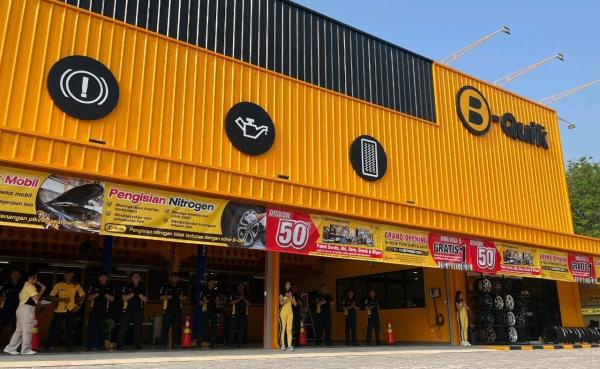
Motul Expands Indonesian Market Presence Through Strategic Partnership with B-Quik Sidoarjo

by Pevita Pearce September 17, 2026
written by Pevita Pearce

The automotive landscape in Indonesia continues to evolve as global lubricant manufacturers increasingly prioritize localized service accessibility to capture a growing middle-class consumer base. In a significant move to bolster its operational footprint in East Java, Motul, the renowned French lubricant specialist, has officially announced a strategic collaboration with the automotive service network B-Quik. This partnership, which coincides with the grand opening of the latest B-Quik outlet in Puri Surya Jaya, Sidoarjo, marks a pivotal shift in how premium high-performance lubricants are distributed and serviced for the Indonesian car-owning public.

By integrating its specialized product range directly into the standardized, high-service environment of B-Quik, Motul is positioning itself to address the dual demand for high-quality synthetic oils and professional, transparent maintenance services. This synergy is designed to simplify the consumer journey, moving away from fragmented procurement and service experiences toward a unified, "one-stop-shop" model that is gaining traction across Southeast Asia.

The Strategic Rationale for Partnership

The automotive maintenance sector in Indonesia has undergone a rapid professionalization phase over the last five years. As vehicle technology advances—incorporating more complex engine management systems, turbochargers, and hybrid powertrains—the requirement for specialized lubrication has become more stringent. Motul, known for its racing heritage and synthetic lubricant expertise, faces the challenge of ensuring that its products are not only purchased but also correctly applied by qualified technicians.

For B-Quik, which originated in Thailand and has aggressively expanded across the ASEAN region, the partnership provides a premium brand validation. By stocking Motul, B-Quik enhances its portfolio of service offerings, attracting enthusiasts and owners of high-performance vehicles who specifically seek out the French brand’s durability and performance characteristics.

Ekspansi di Indonesia, Motul Kolaborasi B-Quik

Welmart Purba, Managing Director of PT Motul Indonesia Energy (MIE), emphasized that this collaboration is a deliberate effort to bridge the gap between premium product quality and service reliability. "Collaborating with B-Quik is a strategic step for Motul Indonesia to move closer to our consumers. We want to ensure that our lubricants are not just available, but are accessible through a service network that operates with professional standards tailored to the specific needs of modern drivers," Purba stated during the launch event on September 17, 2026.

Market Context and Industry Evolution

The Indonesian automotive market remains one of the largest in Southeast Asia, with a consistent year-on-year increase in private vehicle ownership. Data from the automotive industry associations indicates that the average age of the fleet in Indonesia is shifting, with a growing number of vehicles transitioning out of the manufacturer-backed "free service" period. This creates a massive opportunity for independent, professional workshop chains like B-Quik to capture market share from traditional, informal workshops.

Historically, the lubricant market in Indonesia has been fragmented. Consumers often purchased oil from retailers and carried the canisters to independent workshops, leading to concerns regarding the authenticity of products and the technical proficiency of the application. The Motul-B-Quik partnership aims to mitigate these concerns by creating an authorized ecosystem.

For Motul, this expansion is part of a broader, multi-year strategy to solidify its presence in the Indonesian archipelago. The company has been steadily increasing its marketing spend and technical partnerships, recognizing that the Indonesian consumer is becoming increasingly educated about engine health and the long-term benefits of using premium, fully synthetic lubricants.

The Significance of the Sidoarjo Location

The choice of Sidoarjo as the hub for this collaboration is not coincidental. As a satellite city to Surabaya—the second-largest city in Indonesia and a major industrial hub—Sidoarjo represents a critical demographic for automotive manufacturers. The region features a high density of commuters and a growing affluent population that places a premium on vehicle longevity and performance.

Ekspansi di Indonesia, Motul Kolaborasi B-Quik

The Puri Surya Jaya outlet serves as a model for future expansion. By situating themselves in high-traffic residential and commercial zones, Motul and B-Quik are effectively shortening the distance between their premium inventory and the end-user. This geographical alignment is expected to serve as a pilot for similar collaborations in other Tier-2 and Tier-3 cities throughout East and Central Java.

Operational Synergies and Consumer Benefits

The partnership extends beyond mere product placement. It involves technical training for B-Quik mechanics, ensuring they are well-versed in the specific viscosity requirements and the performance benefits of Motul’s diverse product range. This ensures that when a customer enters the facility, they receive a consultative experience rather than a transactional one.

From a technical perspective, the collaboration addresses the rise of modern vehicle specifications. Engines designed for fuel efficiency often require low-viscosity, high-durability synthetic oils that cannot be substituted with conventional mineral-based lubricants. By formalizing this partnership, Motul ensures that the correct products are recommended and utilized, thereby reducing the risk of engine failure and premature wear—a common issue in tropical climates where engine temperatures are consistently high.

"For us, the service network is a fundamental component in delivering the best experience to our customers," Purba added. "Through this synergy, we hope that consumers in Sidoarjo and the surrounding areas can easily obtain high-quality lubricant products combined with trusted vehicle maintenance services."

Future Outlook and Strategic Implications

Looking ahead, the collaboration between Motul and B-Quik suggests an industry-wide trend toward consolidation. As global brands seek to maintain control over their brand equity and product performance, they are increasingly moving away from broad-based, decentralized distribution in favor of strategic alliances with modern retail service chains.

Ekspansi di Indonesia, Motul Kolaborasi B-Quik

This approach offers several long-term implications for the Indonesian automotive sector:

  1. Standardization of Service: The adoption of standardized maintenance protocols will likely drive up the quality of automotive care across the country, as independent players are forced to compete with the professional benchmarks set by chains like B-Quik.
  2. Product Authenticity: By centralizing the supply chain, the partnership reduces the risk of counterfeit lubricant products entering the market, which remains a significant concern for international brands in developing economies.
  3. Digital Integration: Future phases of this partnership could see the integration of digital service records, where consumers can track their maintenance history via mobile applications, further enhancing brand loyalty and vehicle resale value.

Conclusion

The partnership between Motul and B-Quik in Sidoarjo is more than a simple business expansion; it is a response to the changing demands of the Indonesian automotive consumer. By prioritizing accessibility, technical expertise, and a premium service experience, both entities are well-positioned to capitalize on the increasing sophistication of the Indonesian market.

As Motul continues to align its operational strategy with the evolving needs of its regional partners, the company remains committed to supporting the mobility needs of the Indonesian public. The success of the Puri Surya Jaya outlet will likely serve as a benchmark for the scalability of this model, potentially triggering a wider transformation in how automotive maintenance is delivered across the nation. For the average motorist, the move represents a welcome shift toward reliability and peace of mind in an increasingly complex automotive landscape.

September 17, 2026 0 comment
0 FacebookTwitterPinterestEmail
Automotive

Top Five Affordable Used Underbone Motorcycles for Small Business and Operational Efficiency

by Ali Ikhwan September 17, 2026
written by Ali Ikhwan

In an era where operational costs directly dictate the sustainability of small and medium-sized enterprises (SMEs), the choice of logistics and personal transport has become a critical strategic decision. For entrepreneurs, delivery service operators, and field workers, the high monthly commitment of financing a brand-new motorcycle often creates unnecessary strain on cash flow. Consequently, the secondary market for underbone motorcycles—commonly referred to as "bebek"—has emerged as a vital hub for sourcing reliable, cost-effective transport solutions. With a budget under IDR 5 million (approximately USD 320), business owners can acquire durable, fuel-efficient vehicles that are engineered for high-frequency daily usage.

The underbone motorcycle, characterized by its structural chassis design and exposed engine, has been the backbone of Southeast Asian mobility for decades. Unlike modern automatic scooters that prioritize convenience over raw durability, these manual-clutch or semi-automatic transmission bikes are built for high-torque performance and ease of repair. As economic conditions fluctuate, the trend toward purchasing pre-owned, robust utility vehicles has surged, reflecting a pragmatic shift in consumer behavior toward asset management that favors longevity and low maintenance costs over aesthetic obsolescence.

The Economic Case for Pre-Owned Utility Vehicles

The financial implications of purchasing a used motorcycle extend beyond the initial acquisition price. When a small business opts for a used unit in the IDR 3 million to IDR 5 million range, it bypasses the interest-heavy schemes typical of new vehicle financing. Furthermore, the simplicity of the mechanical systems in older, carbureted underbone motorcycles allows for localized maintenance. Most mechanics in suburban and rural areas are intimately familiar with the engine architectures of the mid-2000s Japanese models, ensuring that downtime remains minimal and spare parts remain affordable.

From a macroeconomic perspective, the resilience of these older motorcycle models highlights a period in automotive engineering where longevity was prioritized. Many of the models produced between 2004 and 2011 were designed to handle varying road conditions, from paved urban infrastructure to gravel rural paths, making them versatile assets for businesses involved in delivery, field sales, or daily commuting.

Detailed Review of Top Five Reliable Underbone Models

1. Honda Supra X 125 (2005–2010 Generation)

The Honda Supra X 125 remains the benchmark for reliability in the underbone segment. Equipped with a 124.8 cc SOHC engine capable of producing 10.1 PS of power, this model was designed to handle significant payloads without compromising engine integrity. Its fuel consumption, averaging between 45 and 50 kilometers per liter, makes it an ideal candidate for long-range daily operations. In the secondary market, this model typically commands a price of IDR 3.5 million to IDR 5 million. Its enduring popularity is evidenced by the continued availability of both original and aftermarket replacement parts, ensuring that a decade-old unit can be restored to optimal performance with relatively little capital.

2. Honda Supra Fit (2004–2007 Generation)

For the most budget-conscious operators, the Honda Supra Fit stands out as an exceptionally frugal choice. Featuring a 100 cc engine, this model focuses on maximum fuel efficiency, often exceeding 50 kilometers per liter under optimal conditions. While its power output is lower than the 125 cc counterparts, its lightweight construction and proven mechanical design make it an excellent tool for inner-city navigation and light delivery tasks. Priced between IDR 2 million and IDR 4.5 million, it represents one of the lowest entry points for a reliable, brand-name vehicle.

3. Yamaha Vega R (2005–2010 Generation)

The Yamaha Vega R is frequently cited by professional field workers for its responsive torque in lower RPM ranges. This characteristic is particularly advantageous for riders who frequently stop and start or navigate congested urban traffic with cargo. The engine is known for its durability, and because Yamaha utilized many shared components across its 110 cc lineup during this period, sourcing parts remains a seamless process. Market prices generally hover between IDR 3 million and IDR 5 million, making it a competitive alternative to Honda’s dominant market share.

4. Suzuki Smash (2007–2011 Generation)

Suzuki’s engineering approach with the Smash series was centered on chassis rigidity. The motorcycle features a frame capable of absorbing the stresses of heavy usage over extended periods. With a 110 cc engine that is notoriously "tahan banting" (tough), the Smash is a favorite among those operating in rugged environments. Currently available in the secondary market for approximately IDR 4.7 million to IDR 4.8 million, it offers a compelling value proposition for businesses that prioritize structural integrity and long-term mechanical reliability over speed.

5. Yamaha Jupiter Z (2004–2010 Generation)

Rounding out the list is the legendary Yamaha Jupiter Z. This model is often lauded for its balance between performance and fuel economy. With an engine displacement between 110 cc and 115 cc, it delivers a punchy ride, reaching 40 to 45 kilometers per liter. Its popularity in the used market, where it typically trades between IDR 2.5 million and IDR 4.2 million, is bolstered by its stable transmission and ease of handling, making it a reliable workhorse for growing businesses that require a blend of agility and power.

Strategic Inspection and Due Diligence

While these models are renowned for their longevity, prospective buyers must exercise rigorous due diligence. The age of these vehicles implies that they have likely undergone multiple years of service; therefore, a comprehensive inspection is non-negotiable.

Key Inspection Checklist:

  • Legal Documentation: Verification of the BPKB (Vehicle Ownership Document) and STNK (Vehicle Registration Certificate) is the primary step. Buyers must ensure that the chassis and engine numbers on the frame match the physical documents exactly. Any discrepancy in this regard presents a significant legal risk.
  • Mechanical Integrity: During a test ride, focus on the transmission—shifting should be smooth and the clutch (if applicable) should not slip. Listen for unusual metallic knocking sounds in the engine, which could indicate excessive wear on internal components like the piston or connecting rod.
  • Structural Inspection: Inspect the frame for signs of rust, cracks, or previous welding work. Since these bikes are often used for hauling, structural fatigue in the sub-frame is a potential concern.
  • Electrical and Safety Systems: Check the functionality of the battery, headlight, brake lights, and indicators. While these are relatively inexpensive to replace, they serve as indicators of the previous owner’s maintenance habits.

Broader Market Implications

The sustained demand for these older underbone motorcycles reveals a significant segment of the economy that operates outside the luxury or high-performance vehicle narrative. For many, a motorcycle is not a hobby or a status symbol; it is an essential piece of capital equipment. When viewed through this lens, the secondary motorcycle market is a critical component of local economic development.

Industry analysts observe that as inflation impacts the pricing of new vehicles, the gap between new and used market values continues to widen, driving more consumers toward the pre-owned segment. This shift has also fostered a robust informal economy of mechanics, parts suppliers, and specialized workshops that sustain the lifecycle of these vehicles long after they leave the showroom floor.

In conclusion, for business owners and operational managers, the decision to invest in a pre-owned underbone motorcycle is a sound financial strategy. By selecting proven, reliable models such as the Honda Supra X 125 or the Yamaha Jupiter Z, and by conducting thorough inspections prior to purchase, businesses can secure durable assets that support productivity while preserving essential capital. In a volatile economic landscape, these resilient machines remain more than just a means of transport; they are reliable partners in the pursuit of operational success.

September 17, 2026 0 comment
0 FacebookTwitterPinterestEmail
Sports

Indonesia Officially Announces Ticket Prices and Group Distributions for the Highly Anticipated AFC Futsal Asian Cup 2026

by Dwi Wanna September 17, 2026
written by Dwi Wanna

Jakarta is preparing to welcome the pinnacle of Asian futsal as the country officially steps into the spotlight as the host of the AFC Futsal Asian Cup 2026. The prestigious continental tournament is scheduled to run from January 27 to February 7, 2026, bringing together the absolute finest national teams from across the Asian Football Confederation (AFC) landscape. With preparations moving swiftly into their final phases, the Indonesian Football Association, through the Federasi Futsal Indonesia (FFI), officially unveiled the comprehensive pricing structure and purchasing guidelines for match tickets on Wednesday, January 7, 2026. This announcement marks a crucial milestone in igniting public enthusiasm and ensuring seamless access for passionate supporters eager to witness international-grade futsal action on home soil.

Two World-Class Venues Set the Stage

The 2026 edition of the tournament will utilize two premier, state-of-the-art sporting facilities located in the heart of Indonesia’s capital city. The primary venue designated for marquee fixtures, including all matches featuring the host nation, is the magnificent Indonesia Arena situated in Central Jakarta. Known for its modern architectural design, exceptional acoustics, and substantial seating capacity, the Indonesia Arena is expected to generate an electrifying atmosphere as thousands of fans rally behind the national team.

Complementing the Indonesia Arena is the Jakarta International Velodrome, located in East Jakarta. Traditionally renowned for cycling events, the venue has proven its versatility in hosting major international indoor sporting spectacles. Together, these two venues underscore Jakarta’s capability to host multi-faceted, high-profile athletic competitions that meet stringent international standards set by the AFC.

Tiered Ticket Pricing Designed for Accessibility

In an effort to ensure widespread participation and allow fans from all walks of life to experience the thrill of continental competition, the FFI has introduced a tiered pricing structure that balances affordability with premium viewing options.

The most economical ticket category is priced at Rp75,000, designated for supporters who wish to watch the action from the Upper Tribun (upper tier) of the Indonesia Arena. This accessible pricing tier is strategically designed to encourage families, student groups, and grassroots sports enthusiasts to fill the stands and create an intimidating home-court advantage.

For spectators seeking a closer vantage point to the field of play, two additional categories are available. The Low Tribun (lower tier) tickets are priced at Rp100,000, offering fans a dynamic view of the players’ speed, tactical movements, and technical prowess. Meanwhile, the most exclusive tier, the VIP Teleskopik tickets, is priced at Rp250,000. Holders of the VIP Teleskopik passes will enjoy premium comfort, exceptional amenities, and optimal sightlines due to their immediate proximity to the playing surface, providing an unparalleled viewing experience for discerning sports aficionados.

Seamless Digital Ticketing Infrastructure

Public ticket sales officially commenced on January 12, 2026. To streamline the acquisition process and prevent counterfeit transactions, the FFI has centralized all purchases through the official tournament portal at www.afcfutsal2026.com.

The digital platform has been engineered to provide a user-friendly interface. Supporters are required to navigate to the website, select the "Buy Ticket" prompt, and carefully choose their preferred match schedule and seating category. Organizers have clarified that all tickets are valid for a single matchday, allowing fans the flexibility to purchase passes for fixtures independent of the Indonesian national team’s schedule. Furthermore, the ticketing system accommodates a wide array of modern digital payment methods, ensuring a frictionless transaction process for both domestic and international buyers.

Complete Group Stage Breakdown and Tournament Format

The AFC Futsal Asian Cup 2026 features 16 of the continent’s most competitive national teams. These contenders have been divided into four groups of four teams each, setting the stage for a fiercely contested group stage before progressing to the knockout rounds.

Group A places the host nation, Indonesia, alongside challenging opponents including Iraq, Kyrgyzstan, and South Korea. This group promises intense tactical battles, with the Indonesian squad looking to leverage home-court advantage to navigate past a resilient field.

Group B comprises powerhouse Thailand, alongside regional rivals Vietnam, Kuwait, and Lebanon. This grouping highlights the growing competitiveness of Southeast Asian futsal on the continental stage, alongside traditional Middle Eastern challengers.

Group C features continental heavyweights Japan and Uzbekistan, who are joined by Tajikistan and Australia. This group is widely anticipated by analysts to produce high-intensity matches characterized by tactical discipline and physical resilience.

Group D rounds out the tournament with futsal powerhouse Iran, alongside Afghanistan, Saudi Arabia, and Malaysia. Iran enters the tournament as one of the historical giants of Asian futsal, making Group D a fascinating theater for tactical masterclasses.

Schedule and High Stakes for the Indonesian National Team

All fixtures involving the Indonesian national team during the group stage will take place at the iconic Indonesia Arena in Central Jakarta, with matches scheduled to kick off at 19.00 Western Indonesia Time (WIB). This prime-time slot is expected to maximize television viewership and draw capacity crowds of passionate supporters eager to witness history.

The hosting of the AFC Futsal Asian Cup 2026 represents a transformative moment for Indonesian futsal development. Following sustained efforts by the FFI to professionalize the domestic leagues, improve grassroots infrastructure, and elevate national team training programs, this tournament serves as the ultimate litmus test. Sporting analysts note that a strong performance on home soil could dramatically accelerate the sport’s popularity, inspiring a new generation of athletes and attracting increased commercial investment.

Broader Economic and Sociological Implications

Beyond the sporting spectacle, the arrival of 15 visiting national delegations, technical staff, media personnel, and thousands of international travelers is projected to provide a significant boost to Jakarta’s local economy. Hospitality, tourism, culinary, and transportation sectors are expected to experience heightened activity throughout the duration of the tournament.

Furthermore, international media coverage will project Jakarta and Indonesia as a capable, vibrant hub for major global sports events. City authorities and tourism boards have collaborated closely with event organizers to ensure that logistical frameworks—ranging from transportation to security—operate seamlessly, reinforcing the nation’s reputation for world-class hospitality.

As the countdown to January 27, 2026, continues, anticipation among athletes, officials, and fans has reached a fever pitch. With tickets now available and venues primed for action, the stage is officially set for what promises to be a landmark chapter in the history of Asian futsal.

September 17, 2026 0 comment
0 FacebookTwitterPinterestEmail
Sports

MilkLife Soccer Challenge and The Pokémon Company Host Coaching Clinic Featuring Japanese Football Legends in Jakarta

by Muslim September 17, 2026
written by Muslim

The King Kong Arena in Cijantung, East Jakarta, served as the epicenter of youth sports development on Thursday, September 17, 2026, as Bakti Olahraga Djarum Foundation, in strategic partnership with MilkLife and The Pokémon Company, hosted an exclusive coaching clinic titled "MilkLife Soccer Challenge with Pokémon." The event marked a significant milestone in the ongoing 2026/2027 season of the MilkLife Soccer Challenge (MLSC) Series 1, drawing 74 promising young female athletes aged 10 to 13 from across the Jakarta, Tangerang, and Bekasi regions.

This high-profile gathering transcended a standard training session, serving as a masterclass led by two titans of international women’s football: Aya Miyama and Mana Iwabuchi. Both athletes are celebrated figures in Japanese football history, having played pivotal roles in Japan’s historic victory at the 2011 FIFA Women’s World Cup. Their presence in Jakarta provided local participants with rare, direct exposure to the discipline, tactical intelligence, and physical conditioning required to compete at the highest global levels.

The Evolution of the MilkLife Soccer Challenge

The MilkLife Soccer Challenge (MLSC) has rapidly emerged as the premier grassroots framework for nurturing women’s football talent in Indonesia. Designed to address the historical lack of competitive pathways for young girls, the program systematically identifies talent through school-based competitions and specialized training camps.

The participants at the King Kong Arena event were not randomly selected; they represent the "MilkLife Soccer Extra Training" cohort. This group is specifically curated to serve as a talent pipeline for the prestigious MilkLife Soccer Challenge All-Stars tournament, scheduled for 2027. By integrating international legends like Miyama and Iwabuchi into this preparatory phase, the Djarum Foundation aims to bridge the gap between regional amateur participation and professional aspirations.

A Strategic Partnership with Pokémon

The involvement of The Pokémon Company adds a unique dimension to the development of youth sports in Indonesia. By aligning the global Pokémon brand with the MLSC, organizers are effectively leveraging the universal appeal of the franchise to increase engagement and reduce the intimidation factor often associated with competitive sports.

Corporate Officer of The Pokémon Company, Susumu Fukunaga, emphasized that the collaboration is rooted in the belief that sport should be an inclusive, joyful, and community-driven experience. The presence of the "Pikachu Soccer" mascot during the training sessions served as a symbolic bridge, encouraging young athletes to approach the game with the same tenacity and curiosity that defines the spirit of the Pokémon brand.

Chronology of the Event

The day’s proceedings commenced early, with a structured curriculum designed to maximize the contact hours between the participants and the Japanese legends. The schedule was divided into three primary segments:

  1. Fundamental Drills (09:00 – 10:30): Focused on ball control, spatial awareness, and dribbling techniques. Aya Miyama led these sessions, focusing on the precision passing that defined her illustrious career.
  2. Tactical Coordination (10:45 – 12:00): Mana Iwabuchi spearheaded a module dedicated to offensive positioning and team coordination, translating her experience as a forward into actionable advice for the young participants.
  3. Exhibition and Feedback (13:00 – 14:30): The session concluded with a mini-tournament where participants applied the learned techniques under the watchful eyes of the mentors, followed by a Q&A session.

Official Perspectives on Grassroots Development

Victor Rachmat Hartono, President Director of the Djarum Foundation, underscored the long-term vision behind these partnerships during his opening remarks. He noted that the success of the MLSC is contingent upon international collaboration and the consistent presence of role models who can visualize a path to success for the young participants.

"We are deeply grateful for the commitment shown by our partners and the legends who traveled from Japan to inspire these girls," Hartono stated. "This program is designed to be a catalyst. We are not just building football players; we are building character, resilience, and a community that values sports as a vital part of a child’s development."

MLSC dan Pokemon Gelar Coaching Clinic Bersama Legenda Sepak Bola Putri Jepang

Teddy Tjahjono, Program Director of the MilkLife Soccer Challenge, provided further context regarding the methodology of the program. "Aya Miyama and Mana Iwabuchi are not just here to pose for photos; they are here to provide tangible, technical guidance," Tjahjono explained. "By showing these young girls that football can lead to Olympic medals and World Cup trophies, we are providing a tangible blueprint for their future. It transforms football from a hobby into a tangible career aspiration."

Analytical Implications for Indonesian Women’s Football

The landscape of Indonesian football is undergoing a tectonic shift. For decades, the focus on male-dominated leagues left the women’s game underdeveloped. The MLSC, by targeting the 10-13 age demographic, is addressing the "foundation gap"—the period when most professional athletes across the globe begin their formal training.

Data suggests that early-stage specialization, when balanced with holistic development, significantly increases the likelihood of long-term retention in sports. By hosting these clinics, the Djarum Foundation is creating a "community of practice" where the quality of coaching is standardized. The involvement of Japanese experts is particularly significant; Japan’s Nadeshiko (the national women’s team) is widely regarded as a model for disciplined, technical, and high-IQ football, making them the ideal mentors for the burgeoning Indonesian talent pool.

The Role of Corporate Social Responsibility (CSR)

The integration of The Pokémon Company and MilkLife into the MLSC highlights a trend in modern sports development: the convergence of lifestyle brands with grassroots sports. This synergy allows for higher investment in infrastructure, such as the maintenance of high-quality venues like the King Kong Arena, and provides resources for coaching salaries and equipment.

The sustainability of such a model is crucial. Unlike government-led initiatives which may suffer from bureaucratic delays or shifting political priorities, private sector-led development—backed by long-term corporate vision—tends to provide the consistency required to build an athletic pipeline that spans multiple years.

Looking Toward the Future

As the 2026/2027 season of the MilkLife Soccer Challenge progresses, the metrics of success will likely be measured by the performance of the All-Stars cohort and the subsequent interest from regional clubs. The collaboration with global icons has set a high bar for future series.

For the 74 participants who spent the day at the King Kong Arena, the experience provided more than just a certificate of completion. It provided a glimpse into the global fraternity of football. Whether these young athletes eventually represent Indonesia on the international stage or simply continue to play as a lifelong pursuit of health and happiness, the initiative has successfully cemented football as a viable and encouraged path for young women in the region.

The event concluded with a ceremonial photo session, but the lasting impact is expected to resonate through the upcoming MLSC fixtures. With the continued support of the Djarum Foundation and their partners, the infrastructure for women’s football in Indonesia is no longer a distant ambition, but a rapidly maturing reality.

As the program looks toward the 2027 All-Stars tournament, the emphasis remains on scalability. If the partnership between local sports foundations and global entities like The Pokémon Company can be replicated across other provinces, the competitive ecosystem for Indonesian female footballers will likely reach a level of depth and sophistication previously unseen in the archipelago. The success of this clinic serves as a testament to the power of structured, international-grade coaching in unlocking the potential of youth athletes.

September 17, 2026 0 comment
0 FacebookTwitterPinterestEmail
Entertainment & Celebrity

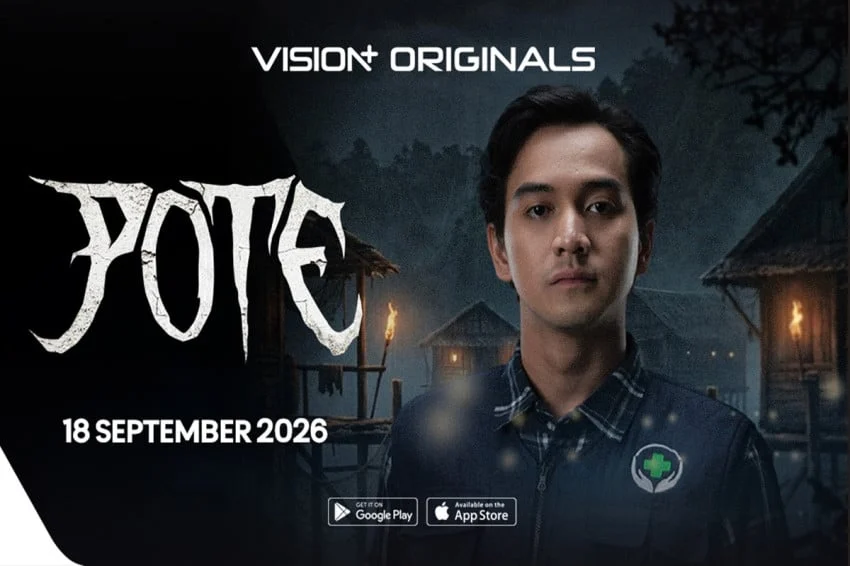
Vision Plus officially unveils character details for the upcoming original thriller series POTE starring Dito Darmawan as a central medical figure

by Azzam Bilal Chamdy September 17, 2026
written by Azzam Bilal Chamdy

The Indonesian digital streaming landscape continues to evolve as Vision Plus, a prominent domestic over-the-top (OTT) platform, intensifies its promotional efforts for its latest high-stakes original production, POTE. In the most recent promotional development, the platform officially unveiled the character profile of Raka, portrayed by actor Dito Darmawan. Raka is introduced as a pivotal member of a medical team whose expertise as an apothecary becomes essential when a routine humanitarian mission to the remote Pulau Marunda transforms into a psychological and supernatural nightmare.

This announcement serves as a strategic marketing maneuver, building anticipation for the series premiere scheduled for September 19, 2026. As the Indonesian audience shows an increasing appetite for genre-blending narratives—specifically those that weave together elements of medical drama, psychological thriller, and indigenous horror—Vision Plus appears to be positioning POTE as a flagship title in its quarterly lineup.

Character Deep Dive: The Role of Raka in POTE

According to the official character dossier released by the production house, Raka is a 26-year-old apothecary who serves as the backbone of the medical team’s pharmaceutical operations. He is characterized by a jovial, easy-going demeanor, often acting as the emotional ballast for his more high-strung colleagues. However, the narrative arc suggests that his character will undergo a significant transformation as the reality of Pulau Marunda’s dark history begins to unravel.

Beyond his professional competence, Raka is also defined by his interpersonal dynamics within the ensemble cast. He maintains a consistent, supportive role toward the character of Sarah, highlighting a romantic subplot that is expected to add layers of vulnerability to the characters as they face life-threatening situations. The contrast between Raka’s optimistic, light-hearted nature and the bleak, claustrophobic atmosphere of the isolated island is designed to maximize the audience’s emotional engagement with the series.

Chronology of Production and Strategic Scheduling

The development of POTE follows a rigorous production timeline typical of premium streaming content in the region. The project, which spans eight comprehensive episodes, underwent a lengthy pre-production phase to ensure the authenticity of the medical settings and the atmospheric, eerie portrayal of the Indonesian archipelago’s more secluded regions.

  • Initial Concept Development: Throughout early 2025, Vision Plus identified a gap in the local market for "medical-horror" hybrids, leading to the green-lighting of the POTE script.
  • Principal Photography: Filming took place over several months in 2026, utilizing various remote coastal locations to replicate the aesthetic of Pulau Marunda.
  • Character Unveilings: August and early September 2026 have been dedicated to a series of promotional character spotlights, with Raka being the latest to be highlighted to humanize the protagonists before the horror elements take center stage.
  • Premiere Date: The series is locked for a September 19, 2026 release, coinciding with a period of high viewer engagement for the platform.

The Rise of Medical-Horror as a Genre in Indonesia

POTE is not an isolated experiment but part of a broader trend within the Indonesian entertainment industry. Data from industry analysts suggests that domestic horror series currently dominate streaming watch-time metrics in Indonesia. By combining this genre with a medical procedural format, Vision Plus is attempting to capture two distinct viewer demographics: those who enjoy the tension of "whodunnit" or "survival" thrillers and those who enjoy the professional stakes of medical dramas.

The choice of Pulau Marunda as a setting—a fictionalized or semi-fictionalized remote island—leverages the deep-seated cultural fascination with folklore and the isolation of the Indonesian islands. This setting provides a natural "closed-room" environment where the protagonists are forced to rely on their training and each other, effectively heightening the stakes for the audience.

Industry Implications and Market Analysis

From a business perspective, the release of POTE is vital for the growth of Vision Plus’s premium subscriber base. The "freemium" model employed by the platform—where certain content is accessible but premium features remain locked—relies heavily on the release of exclusive, high-production-value original series to drive conversion rates.

By emphasizing the character development of figures like Raka and his colleague Sarah (portrayed by Audi Marissa), the production team is shifting the focus from mere "jump scares" to character-driven suspense. This is a deliberate strategy to ensure long-term viewer retention; if the audience invests in the safety and well-being of the doctors, they are more likely to return for all eight episodes.

Furthermore, the involvement of actors like Dito Darmawan, who has a established presence in Indonesian television, provides the series with the necessary star power to cut through the noise of competing international and domestic platforms. The marketing campaign has focused heavily on the physical and psychological toll the actors faced during filming, which adds a layer of "behind-the-scenes" intrigue that resonates with modern, social-media-savvy audiences.

Official Stance and Expectations

While Vision Plus has not released specific production budget figures, the scale of the promotional campaign—including interactive digital content and strategic partnerships—suggests a significant financial commitment. Executives have previously indicated that the platform’s goal for 2026 is to increase its share of the Indonesian streaming market by 15% through original local content.

Critics who have reviewed the preliminary promotional materials note that the series’ success will hinge on its ability to balance the technical aspects of the medical mission with the supernatural elements. If the plot manages to ground the horror in the genuine desperation of the doctors, POTE has the potential to set a new standard for local psychological thrillers.

Conclusion: Preparing for the Premiere

As the September 19 premiere date approaches, the excitement surrounding the release is palpable. For subscribers of Vision Plus, POTE represents a shift toward more sophisticated storytelling. The character of Raka, with his blend of professional skill and emotional vulnerability, serves as a gateway for the audience to enter the harrowing world of Pulau Marunda.

The narrative, which follows five young doctors arriving on the island under the pretense of fighting a mysterious epidemic, promises to delve into themes of ethics, history, and the confrontation of the unknown. Whether the medical team will emerge unscathed from the island remains to be seen, but the anticipation for the series is a clear testament to the effectiveness of Vision Plus’s current content strategy. By focusing on detailed character arcs and building an immersive, terrifying world, the platform is poised to make a significant impact on the Indonesian streaming scene this September.

Data Overview and Future Prospects

In evaluating the potential impact of POTE, it is important to consider the following points:

  1. Audience Retention: The eight-episode format is designed for "binge-watching," a behavior encouraged by the platform’s current interface.
  2. Cultural Resonance: By incorporating themes of medical crises, the show touches upon recent global anxieties, effectively tapping into the audience’s collective memory of health-related emergencies.
  3. Genre Synergy: The fusion of medical thriller and supernatural horror is a tested model globally, but its execution in an Indonesian context with local folklore adds a unique value proposition that is difficult for international competitors to replicate.

As the industry moves forward, projects like POTE are expected to influence future production trends, likely leading to an increase in high-concept dramas that prioritize local setting and character-driven stakes over traditional, formulaic storytelling. The coming weeks will determine whether the series meets the high expectations set by its marketing campaign and if it can effectively solidify Vision Plus as the premier destination for high-quality, genre-bending Indonesian content.

September 17, 2026 0 comment
0 FacebookTwitterPinterestEmail
Entertainment & Celebrity

4 Dari 10 Anak Indonesia Punya Gigi Berlubang, Ini Langkah Kemenkes

by Raul Delapena Setiawan September 17, 2026
written by Raul Delapena Setiawan

The Indonesian Ministry of Health has unveiled a proactive and innovative strategy to combat the nation’s escalating dental health crisis among school-aged children. With recent data indicating that approximately 41 percent of children in Indonesia suffer from dental caries—commonly known as cavities—Deputy Minister of Health Dante Saksono Harbuwono has proposed the empowerment of students within the School Health Unit (UKS) to serve as "Cavity Detectives." This initiative aims to integrate peer-to-peer monitoring into the school environment to facilitate early detection and professional intervention.

The announcement was made during the National Dental Health Week held at SDN 01 Menteng, Jakarta, on Thursday, September 17, 2026. By leveraging the existing infrastructure of the UKS, the Ministry of Health intends to transform students into the first line of defense against the widespread prevalence of dental decay, a condition that remains one of the most common non-communicable diseases affecting children in the archipelago.

The Magnitude of the Dental Health Crisis

The statistic that four out of ten Indonesian children suffer from tooth decay is a significant public health concern. Dental caries, if left untreated, can lead to severe pain, infections, and systemic health issues that impact a child’s ability to learn, concentrate, and socialize effectively. Chronic dental pain is frequently cited as a major contributor to school absenteeism and poor academic performance.

Beyond the immediate physical discomfort, the socioeconomic implications are profound. Families often face significant out-of-pocket expenses for dental procedures that could have been avoided with early detection and preventive care. The Ministry of Health’s decision to focus on school-based initiatives reflects a strategic shift toward preventive medicine, aiming to reduce the long-term burden on the national healthcare system, including the BPJS Kesehatan (Social Security Agency on Health) insurance scheme.

The Cavity Detective Program: Mechanism and Implementation

The proposed "Cavity Detective" program is designed to be both educational and operational. Deputy Minister Dante Saksono Harbuwono explained that the initiative would not simply rely on students to spot cavities; it involves a structured training regimen supported by standardized materials provided by the Ministry of Health.

"We are preparing a specific curriculum module for schools. This will empower students to conduct basic visual inspections of their peers’ dental health. When a student identifies a potential cavity, the protocol is clear: report the finding to the school teacher, who will then facilitate a formal referral to the nearest Puskesmas (Community Health Center)," stated Dante during his address.

4 Dari 10 Anak Indonesia Punya Gigi Berlubang, Ini Langkah Kemenkes : Okezone Women

This methodology relies on the concept of early screening. By utilizing the peer-to-peer model, the Ministry aims to bypass the barriers to entry that currently prevent many children from accessing dental checkups, such as lack of parental awareness, geographical distance, or fear of dental practitioners. By integrating these checkups into the daily school routine, the Ministry hopes to normalize dental hygiene and monitoring.

Contextualizing the National Dental Health Week

The announcement took place against the backdrop of the National Dental Health Week, an annual event dedicated to raising awareness about oral hygiene. In 2026, the focus has intensified on the "School-Based Dental Health" model. Experts have long argued that schools provide the most effective platform for public health interventions because they reach children at a stage where their dental health habits are still being formed.

In recent years, the Ministry of Health has been aggressively promoting the "Clean and Healthy Living Behavior" (PHBS) campaign. However, the persistence of high cavity rates suggests that traditional campaigns may not be sufficient. The "Cavity Detective" initiative represents a move toward active community engagement, shifting the responsibility from passive recipients of health education to active participants in the maintenance of their own and their peers’ health.

Supporting Data and Clinical Perspectives

Clinical data from the Indonesian Basic Health Research (Riskesdas) has historically shown a fluctuating but consistently high prevalence of dental issues among the youth. While the Ministry has implemented various fluoride treatment programs and school-based dental programs (UKGS) in the past, the current initiative seeks to bridge the gap between sporadic screenings and continuous monitoring.

Dentists and pediatric health experts have weighed in on the proposal, noting that the success of the program will depend largely on the training quality provided to the students. "The challenge lies in ensuring that the students are trained to recognize the early signs of decay—such as white spots—rather than just advanced, painful cavities," noted a public health analyst. "If implemented correctly, this creates a culture of oral health awareness that transcends the classroom and enters the home."

The Role of Puskesmas and Teachers

The effectiveness of the program is contingent upon the collaboration between schools and the local Puskesmas. The teacher’s role is pivotally shifted from a purely pedagogical one to that of a health coordinator. Once a student detective reports a concern, the teacher must act as the liaison to the healthcare system.

This model effectively creates a "referral chain." The Ministry of Health intends to provide schools with the necessary administrative tools to ensure that referrals are tracked and that children receive the follow-up care they require. This structured approach is expected to reduce the time between detection and treatment, which is critical in preventing the progression of dental decay into more serious oral diseases.

4 Dari 10 Anak Indonesia Punya Gigi Berlubang, Ini Langkah Kemenkes : Okezone Women

Challenges and Future Outlook

Despite the enthusiasm surrounding the program, critics point to potential challenges in implementation. These include the uneven distribution of dental resources across different regions in Indonesia, as well as the varying levels of teacher training and school facilities. In rural or remote areas, the link between a school and a functional Puskesmas may be tenuous, potentially creating a bottleneck in the referral process.

Furthermore, the Ministry of Health will need to ensure that the "Cavity Detective" program does not stigmatize children with poor dental health. The training for students must emphasize empathy, confidentiality, and the importance of professional medical care, rather than fostering a environment where children feel shamed for their health status.

Looking ahead, the Ministry plans to pilot the program in several major cities before a nationwide rollout. The success of this initiative will likely be measured by a reduction in the prevalence of untreated dental caries in future Riskesdas reports.

Broader Implications for Public Health

The "Cavity Detective" initiative is part of a broader strategy by the Indonesian government to digitize and improve the accessibility of primary healthcare. By decentralizing the detection process, the government is essentially crowdsourcing health monitoring, a strategy that could theoretically be applied to other areas of school health, such as nutrition monitoring or vision screening.

The emphasis on school-based intervention is a recognition that the future of public health in Indonesia lies in the hands of the younger generation. By teaching children to value their oral health and to look out for one another, the government is fostering a more health-conscious society.

As the Ministry of Health moves forward with the implementation of the module, the success of the program will depend on sustained funding, continuous teacher training, and a robust feedback loop between schools and community health centers. If successful, the "Cavity Detective" program could serve as a global model for school-based health interventions, proving that even simple, student-led initiatives can have a profound impact on national public health outcomes.

The integration of health education into the everyday experience of Indonesian students signifies a progressive step toward a healthier nation. While the statistics remain sobering, the proactive nature of the government’s approach provides a clear path forward in addressing the chronic issue of dental health in Indonesia. Through the empowerment of the next generation, the Ministry of Health is laying the groundwork for a future where dental health is not just a medical concern, but a shared community responsibility.

September 17, 2026 0 comment
0 FacebookTwitterPinterestEmail
Entertainment & Celebrity

Indonesian Horror Film Festival Melbourne 2026 Set to Showcase Nusantara’s Cinematic Mysticism on the Global Stage

by Lina Irawan September 17, 2026
written by Lina Irawan

The global footprint of Indonesian cinema continues to expand rapidly as the archipelago’s rich tapestry of folklore, mythology, and horror storytelling prepares to captivate international audiences. The Indonesian Horror Film Festival Melbourne (IHFFM) 2026 is officially slated to introduce the depth, complexity, and distinct cinematic craft of Indonesia’s thriving horror genre to the cultural landscape of Australia. Designed as both a celebratory cultural showcase and a strategic platform for the expansion of Indonesia’s creative industries, the festival represents a major milestone in cross-cultural artistic exchange between Southeast Asia and Oceania.

A Landmark Event at a Historic Venue

The inaugural edition of the festival is scheduled to take place on Saturday, October 3, 2026. Organizers have chosen a venue steeped in architectural and cultural history to host the event: The Capitol Theatre. Located in the heart of Melbourne along Swanston Street, directly opposite the iconic Melbourne Town Hall, the theater offers a majestic and historic backdrop for the screening of contemporary and classic Indonesian thrillers and horror masterpieces.

The selection of The Capitol Theatre underscores the ambition of IHFFM 2026. Known for its breathtaking interior design and its status as a cornerstone of Melbourne’s architectural heritage, the venue provides an immersive cinematic environment that aligns seamlessly with the atmospheric and often supernatural themes characteristic of Indonesian horror films.

Film Horor Indonesia Go Internasional, Indonesian Horror Film Festival Digelar di Australia

Strategic Positioning: Why Melbourne?

During the official press briefing held at Mayapada Tower 1 in Jakarta on Thursday, September 17, 2026, Event Director Sulistyawan Wibisono elaborated on the strategic rationale behind selecting Melbourne as the host city for this groundbreaking festival.

According to Wibisono, Melbourne’s unique demographic and cultural composition makes it an ideal launchpad for Indonesian cinema in Australia. The city hosts a substantial and vibrant Indonesian diaspora, ensuring a built-in audience of expatriates and students eager to connect with cultural exports from their homeland. Furthermore, Melbourne enjoys a global reputation as a vibrant hub for the arts, theater, and diverse cultural expression.

"Melbourne is actually not very far from Indonesia. A direct flight from Jakarta takes approximately six to seven hours," Wibisono explained during the press conference. "However, culturally, it leans closer to a European sensibility. Interestingly, compared to other Australian cities, Melbourne is among the most diverse and culturally complex. It serves as a central hub for the theater industry and performing arts, including film."

This cultural complexity creates an environment highly receptive to foreign cinema that explores complex human emotions, folklore, and metaphysical themes—elements that are deeply embedded in Indonesian storytelling.

Film Horor Indonesia Go Internasional, Indonesian Horror Film Festival Digelar di Australia

The Rise of Indonesian Horror on the Global Stage

The announcement of IHFFM 2026 arrives at a time of unprecedented growth and international recognition for Indonesian horror cinema. Over the past decade, local directors, writers, and production houses have refined their craft, combining traditional folklore with world-class production standards. Films exploring local mythologies, ritualistic curses, and indigenous spiritual beliefs have not only dominated domestic box offices but have also traveled successfully to major international film festivals across North America, Europe, and Asia.

In recent years, Indonesian horror titles have secured international distribution deals, streaming platform acquisitions, and critical acclaim for their unique atmospheric dread, practical effects, and distinct cultural perspectives. By establishing a dedicated festival in a major Western cultural capital like Melbourne, organizers aim to institutionalize this momentum, providing a sustainable platform for industry networking, co-productions, and direct audience engagement.

Cultural Diplomacy and Creative Industry Expansion

Beyond mere entertainment, the Indonesian Horror Film Festival Melbourne 2026 functions as a vital instrument of cultural diplomacy. The creative economy has been identified by the Indonesian government as a key driver of future economic growth and soft power projection. By exporting stories rooted in local traditions—ranging from regional ghost lore to distinct philosophical interpretations of the afterlife—Indonesia is able to project its cultural identity onto the global stage in an engaging and commercially viable manner.

Industry analysts note that film festivals operating in foreign markets play a critical role in bridging cultural gaps. For Australian audiences, IHFFM 2026 offers an educational and immersive window into the spiritual and societal values of Indonesia through the lens of genre cinema. For Indonesian filmmakers and producers, the festival opens doors to potential collaborations with Australian production companies, securing international funding streams, and accessing broader distribution networks.

Film Horor Indonesia Go Internasional, Indonesian Horror Film Festival Digelar di Australia

Chronology and Preparations

Preparations for the festival have been moving forward at a steady pace following the official announcement in mid-September 2026. The organizing committee, led by Sulistyawan Wibisono, has been working closely with cultural institutions, film associations, and local authorities in Melbourne to finalize the event’s programming, guest lists, and ticketing details.

  • September 17, 2026: Official press conference held at Mayapada Tower 1, Jakarta, revealing the festival dates, venue, and strategic vision.
  • Late 2026 (Ongoing): Curation of the film lineup, encompassing a balanced mix of commercial blockbusters, indie horror darlings, and retrospective screenings.
  • October 3, 2026: Official execution of the Indonesian Horror Film Festival Melbourne 2026 at The Capitol Theatre, featuring red-carpet premieres, filmmaker Q&A sessions, and networking events.

Broader Implications and Future Outlook

The launch of IHFFM 2026 signals a maturing domestic film industry that is no longer content with regional boundaries. As international appetite for diverse, non-Western genre cinema continues to surge, initiatives like the Melbourne festival position Indonesia as a leading creative powerhouse in the Indo-Pacific region.

The success of the October event could pave the way for similar cultural showcases in other major international cities, permanently altering how Indonesian narratives are consumed globally. By transforming localized ghost stories and mythological terrors into universally resonant cinematic experiences, Indonesian filmmakers are proving that fear—and the art of storytelling—transcends linguistic and geographic divides.

September 17, 2026 0 comment
0 FacebookTwitterPinterestEmail
Newer Posts
Older Posts

Recent Posts

  • Levi’s and ROSÉ Unveil Exclusive Denim Capsule Collection Celebrating Individuality and Personal Expression Across Asia-Pacific
  • Teman Lagi Sedih? Kalimat Ini Bikin Mereka Merasa Nyaman dan Didengar Menurut Psikolog
  • Silence Speaks Volumes: Coordinating Minister Rizal Ramli Dodges Inquiries on the Historic Dissolution of Pertamina Energy Trading Limited
  • Mau Gaspol Saat Hyrox? Ini 8 Asupan yang Bisa Jadi Bahan Bakar
  • Pemerintah Buy Back SUN Mencapai Rp100 M

Recent Comments

No comments to show.
  • Facebook
  • Twitter

@2021 - All Right Reserved. Designed and Developed by PenciDesign


Back To Top
Dara News Media
  • Home
  • About Us
  • Contact Us
  • Cookies Policy
  • Disclaimer
  • DMCA
  • Privacy Policy
  • Terms and Conditions

We are using cookies to give you the best experience on our website.

You can find out more about which cookies we are using or switch them off in .

Dara News Media
Powered by  GDPR Cookie Compliance
Privacy Overview

This website uses cookies so that we can provide you with the best user experience possible. Cookie information is stored in your browser and performs functions such as recognising you when you return to our website and helping our team to understand which sections of the website you find most interesting and useful.

Strictly Necessary Cookies

Strictly Necessary Cookie should be enabled at all times so that we can save your preferences for cookie settings.