The global footprint of Indonesian cinema continues to expand rapidly as the archipelago’s rich tapestry of folklore, mythology, and horror storytelling prepares to captivate international audiences. The Indonesian Horror Film Festival Melbourne (IHFFM) 2026 is officially slated to introduce the depth, complexity, and distinct cinematic craft of Indonesia’s thriving horror genre to the cultural landscape of Australia. Designed as both a celebratory cultural showcase and a strategic platform for the expansion of Indonesia’s creative industries, the festival represents a major milestone in cross-cultural artistic exchange between Southeast Asia and Oceania.
A Landmark Event at a Historic Venue
The inaugural edition of the festival is scheduled to take place on Saturday, October 3, 2026. Organizers have chosen a venue steeped in architectural and cultural history to host the event: The Capitol Theatre. Located in the heart of Melbourne along Swanston Street, directly opposite the iconic Melbourne Town Hall, the theater offers a majestic and historic backdrop for the screening of contemporary and classic Indonesian thrillers and horror masterpieces.
The selection of The Capitol Theatre underscores the ambition of IHFFM 2026. Known for its breathtaking interior design and its status as a cornerstone of Melbourne’s architectural heritage, the venue provides an immersive cinematic environment that aligns seamlessly with the atmospheric and often supernatural themes characteristic of Indonesian horror films.
Strategic Positioning: Why Melbourne?
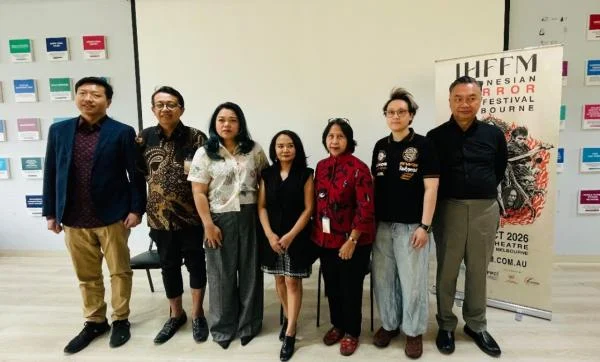
During the official press briefing held at Mayapada Tower 1 in Jakarta on Thursday, September 17, 2026, Event Director Sulistyawan Wibisono elaborated on the strategic rationale behind selecting Melbourne as the host city for this groundbreaking festival.
According to Wibisono, Melbourne’s unique demographic and cultural composition makes it an ideal launchpad for Indonesian cinema in Australia. The city hosts a substantial and vibrant Indonesian diaspora, ensuring a built-in audience of expatriates and students eager to connect with cultural exports from their homeland. Furthermore, Melbourne enjoys a global reputation as a vibrant hub for the arts, theater, and diverse cultural expression.
"Melbourne is actually not very far from Indonesia. A direct flight from Jakarta takes approximately six to seven hours," Wibisono explained during the press conference. "However, culturally, it leans closer to a European sensibility. Interestingly, compared to other Australian cities, Melbourne is among the most diverse and culturally complex. It serves as a central hub for the theater industry and performing arts, including film."
This cultural complexity creates an environment highly receptive to foreign cinema that explores complex human emotions, folklore, and metaphysical themes—elements that are deeply embedded in Indonesian storytelling.

The Rise of Indonesian Horror on the Global Stage
The announcement of IHFFM 2026 arrives at a time of unprecedented growth and international recognition for Indonesian horror cinema. Over the past decade, local directors, writers, and production houses have refined their craft, combining traditional folklore with world-class production standards. Films exploring local mythologies, ritualistic curses, and indigenous spiritual beliefs have not only dominated domestic box offices but have also traveled successfully to major international film festivals across North America, Europe, and Asia.
In recent years, Indonesian horror titles have secured international distribution deals, streaming platform acquisitions, and critical acclaim for their unique atmospheric dread, practical effects, and distinct cultural perspectives. By establishing a dedicated festival in a major Western cultural capital like Melbourne, organizers aim to institutionalize this momentum, providing a sustainable platform for industry networking, co-productions, and direct audience engagement.
Cultural Diplomacy and Creative Industry Expansion
Beyond mere entertainment, the Indonesian Horror Film Festival Melbourne 2026 functions as a vital instrument of cultural diplomacy. The creative economy has been identified by the Indonesian government as a key driver of future economic growth and soft power projection. By exporting stories rooted in local traditions—ranging from regional ghost lore to distinct philosophical interpretations of the afterlife—Indonesia is able to project its cultural identity onto the global stage in an engaging and commercially viable manner.
Industry analysts note that film festivals operating in foreign markets play a critical role in bridging cultural gaps. For Australian audiences, IHFFM 2026 offers an educational and immersive window into the spiritual and societal values of Indonesia through the lens of genre cinema. For Indonesian filmmakers and producers, the festival opens doors to potential collaborations with Australian production companies, securing international funding streams, and accessing broader distribution networks.

Chronology and Preparations
Preparations for the festival have been moving forward at a steady pace following the official announcement in mid-September 2026. The organizing committee, led by Sulistyawan Wibisono, has been working closely with cultural institutions, film associations, and local authorities in Melbourne to finalize the event’s programming, guest lists, and ticketing details.
- September 17, 2026: Official press conference held at Mayapada Tower 1, Jakarta, revealing the festival dates, venue, and strategic vision.
- Late 2026 (Ongoing): Curation of the film lineup, encompassing a balanced mix of commercial blockbusters, indie horror darlings, and retrospective screenings.
- October 3, 2026: Official execution of the Indonesian Horror Film Festival Melbourne 2026 at The Capitol Theatre, featuring red-carpet premieres, filmmaker Q&A sessions, and networking events.
Broader Implications and Future Outlook
The launch of IHFFM 2026 signals a maturing domestic film industry that is no longer content with regional boundaries. As international appetite for diverse, non-Western genre cinema continues to surge, initiatives like the Melbourne festival position Indonesia as a leading creative powerhouse in the Indo-Pacific region.
The success of the October event could pave the way for similar cultural showcases in other major international cities, permanently altering how Indonesian narratives are consumed globally. By transforming localized ghost stories and mythological terrors into universally resonant cinematic experiences, Indonesian filmmakers are proving that fear—and the art of storytelling—transcends linguistic and geographic divides.