• Home
  • About Us
  • Contact Us
  • Cookies Policy
  • Disclaimer
  • DMCA
  • Privacy Policy
  • Terms and Conditions
Dara News Media
keep your memories alive
Lifestyle & Fashion

4 Cara Mengenali Orang Caper dan Haus Validasi dari Kebiasaannya di Depan Banyak Orang

by Ammar Sabilarrohman September 17, 2026
written by Ammar Sabilarrohman

The human pursuit of validation and social recognition is a fundamental psychological drive, deeply embedded in our evolutionary history. From a sociological perspective, the desire to be perceived as competent, likable, or valuable by peers serves as a mechanism for social integration. When balanced, this pursuit can foster healthy self-esteem, improve professional performance, and strengthen community bonds. However, a significant subset of individuals exhibits an excessive, often maladaptive need for external affirmation, frequently described in modern parlance as being "caper" (an Indonesian slang term for "cari perhatian," meaning attention-seeking) or pathologically "haus validasi" (validation-thirsty). When this behavior manifests in public settings, it can lead to social friction, damaged reputations, and the erosion of authentic interpersonal relationships.

Psychological experts suggest that this behavior is rarely a sign of high self-worth. Instead, it is often a defensive projection used to mask deep-seated insecurities, fragile self-esteem, or, in more clinical cases, manifestations of Narcissistic Personality Disorder (NPD) or Histrionic Personality Disorder (HPD). Understanding the mechanics of these behaviors is essential for maintaining healthy social boundaries in both personal and professional environments.

Cara Mengenali Orang Caper dan Haus Validasi dari Kebiasaannya di Depan Banyak Orang

The Psychology of Excessive Validation Seeking

At the core of the validation-seeking individual lies a distorted self-concept. According to Professor Joachim I. Krueger, a researcher in social psychology, individuals who constantly solicit praise often struggle with an internal deficit of self-worth. By relying on external feedback, they attempt to outsource the heavy lifting of self-validation to others. This process is inherently unstable; because their sense of self is contingent upon the volatile opinions of those around them, they must constantly "perform" to maintain that positive feedback loop.

Research from the American Psychological Association (APA) suggests that such behavior often backfires. While a person may seek to boost their status through visible displays of achievement or performative vulnerability, peers often perceive this as inauthentic or manipulative. This phenomenon creates a paradox: the more an individual attempts to force admiration, the more they alienate their social circles, leading to the very isolation they fear.

Behavioral Indicators: A Multi-Dimensional Analysis

To navigate social settings effectively, it is helpful to identify the common behavioral patterns associated with chronic attention-seeking. These behaviors are not isolated incidents but rather persistent habits that define an individual’s engagement with their environment.

Cara Mengenali Orang Caper dan Haus Validasi dari Kebiasaannya di Depan Banyak Orang

1. The Strategic Solicitation of Praise

The most common hallmark of a validation-thirsty individual is the overt, and often clumsy, solicitation of compliments. This can manifest as self-deprecating remarks designed to elicit a counter-compliment (e.g., "I look so terrible today," in hopes that others will protest and shower them with praise) or the constant, unsolicited highlighting of minor accomplishments. In a workplace context, this can be disruptive, as the individual may prioritize the visibility of their contributions over the actual quality or collective progress of the task.

2. The Weaponization of Victimhood

Perhaps the most damaging behavior is the habitual adoption of the "victim role." By framing themselves as the perpetual underdog or the target of systemic unfairness, these individuals effectively preempt criticism and manipulate others into providing sympathy. This behavior, often referred to as "narcissistic victimhood," serves as a defensive shield. It allows the person to shirk responsibility for mistakes while simultaneously framing their life experiences as uniquely tragic or difficult. Over time, this behavior exhausts social support systems, as peers eventually recognize the pattern and withdraw their emotional investment.

3. Conversational Narcissism and Self-Centrism

In any social interaction, a balanced exchange of information is required for rapport. However, the attention-seeker often views conversation as a stage. They exhibit what sociologists call "conversational narcissism," where they consistently redirect the focus back to themselves. If a peer shares a success, the validation-seeker will inevitably interrupt with a "one-up" story. If a peer shares a struggle, the individual will pivot to a more dramatic version of their own experience. This dynamic prevents the formation of genuine connections and leaves peers feeling unheard and undervalued.

Cara Mengenali Orang Caper dan Haus Validasi dari Kebiasaannya di Depan Banyak Orang

4. The Pathological Habit of Small Deceptions

The desire to be perceived as superior often leads to a "curated reality." This involves the distortion of facts, the exaggeration of minor achievements, or outright fabrication of life events. These small, frequent lies are designed to fill the gaps in the individual’s true narrative, making them appear more successful, connected, or interesting than they are. From a psychological standpoint, this is an extension of the "imposter syndrome" reversed: rather than fearing discovery as a fraud, they are terrified of being perceived as ordinary.

Chronology of Social Impact

The progression of these behaviors typically follows a predictable trajectory within a group setting:

  • Phase 1: The Honeymoon Period. The individual enters a new social circle, often presenting as highly enthusiastic, helpful, or charismatic. Their initial need for validation is perceived as a desire to be part of the group.
  • Phase 2: The Mask Slips. As the individual feels the need for more frequent and intense validation, their behaviors become more overt. Peers begin to notice the repetitive patterns of self-promotion or victimhood.
  • Phase 3: Social Friction. The collective frustration within the group increases. Peer-to-peer discussions begin to highlight the individual’s inconsistencies, leading to subtle or overt exclusion.
  • Phase 4: The Backlash. When the individual fails to receive the validation they crave, they may escalate their behavior—becoming more dramatic or aggressive—which ultimately confirms the group’s decision to distance themselves.

Broader Implications and Societal Context

The rise of social media has exacerbated these behaviors by quantifying validation through "likes," comments, and shares. For individuals already prone to attention-seeking, the digital landscape provides an addictive, measurable, and constant source of external affirmation. This has normalized, to some extent, the "performative life," where one’s true self is secondary to the curated online image.

Cara Mengenali Orang Caper dan Haus Validasi dari Kebiasaannya di Depan Banyak Orang

However, the real-world impact remains stark. Organizations and social groups that fail to address these behaviors risk a decline in morale and psychological safety. When an environment is dominated by one person’s need for validation, it stifles the voices of others, discourages collaboration, and fosters an atmosphere of anxiety.

Professional Perspectives on Management and Coping

Experts suggest that when dealing with individuals who exhibit these traits, setting firm boundaries is essential.

  • For Peers: Practice active listening but do not reinforce maladaptive behaviors. If a person attempts to turn every conversation to themselves, gently redirect the topic to the original subject or involve other participants in the dialogue.
  • For Management: In a professional setting, focus on objective KPIs and measurable outcomes rather than subjective performance reviews that can be manipulated by those who are "loudest" about their achievements.
  • For Individuals: If you recognize these patterns in yourself, the first step toward change is self-awareness. Seeking professional therapy to address the root causes of insecurity can help transition from a reliance on external validation to an internal, self-sustaining sense of worth.

Ultimately, the goal of social interaction is mutual growth and connection. By moving away from the need to be the center of attention and toward the practice of being an active, empathetic participant in the lives of others, individuals can foster deeper, more authentic relationships that provide more meaningful validation than any amount of performative social display ever could. Recognizing the signs of the "caper" mentality is not about judging others, but about preserving the health of our own social ecosystems.
September 17, 2026 0 comment
0 FacebookTwitterPinterestEmail
Health & Wellness

Before Tinjau Kilang TPPI, Rini Soemarno Cicipi Semangka Tuban

by Iffa Jayyana September 17, 2026
written by Iffa Jayyana

The industrial landscape of Tuban in East Java has long been defined by its heavy manufacturing, agricultural prowess, and strategic coastal location. On a brisk Wednesday morning in November 2015, this multifaceted identity was on full display as high-ranking government officials and energy sector executives converged on the region. Prior to conducting a formal, high-stakes inspection of the dormant PT Trans Pacific Petrochemical Indotama (TPPI) refinery, then-State-Owned Enterprises (SOE) Minister Rini Soemarno, alongside then-Pertamina President Director Dwi Soetijpto and a high-profile entourage, paused to engage with local residents. In an unexpected moment of cultural and communal warmth, the leadership delegation stopped at a roadside stall to sample locally grown Tuban watermarks, highlighting the intersection of macro-level national energy policies and the everyday lives of the rural communities hosting critical national infrastructure.

This vignette preceded one of the most critical energy sector interventions of the era: the reactivation of the TPPI petrochemical complex. While the gesture involving local fruit offered a humanizing touch to an otherwise bureaucratic and industrial itinerary, the overarching mission of the presidential delegation underscored Indonesia’s urgent quest for energy security, macroeconomic stabilization, and domestic self-sufficiency in refined petroleum products.

Chronology and Delegation Details

The sequence of events on Wednesday, November 11, 2015, was meticulously structured to balance grassroots engagement with rigorous technical oversight. President Joko Widodo, popularly known as Jokowi, led the official working visit to the Tuban facility, accompanied by a heavy contingent of economic and energy policymakers.

The core delegation included State-Owned Enterprises Minister Rini Soemarno, Pertamina President Director Dwi Soetijpto, Pertamina Vice President of Corporate Communication Wianda Pusponegoro, and the Director General of Oil and Gas at the Ministry of Energy and Mineral Resources, IGN Wiratmaja Puja.

Before the formal arrival of President Jokowi at the primary plant gates, members of the advance ministerial and corporate party walked through the surrounding neighborhoods. The unexpected presence of top government officials and the heads of the nation’s largest energy conglomerate drew considerable attention from local residents. Spontaneous interactions unfolded as citizens approached the delegation for photographs and informal exchanges.

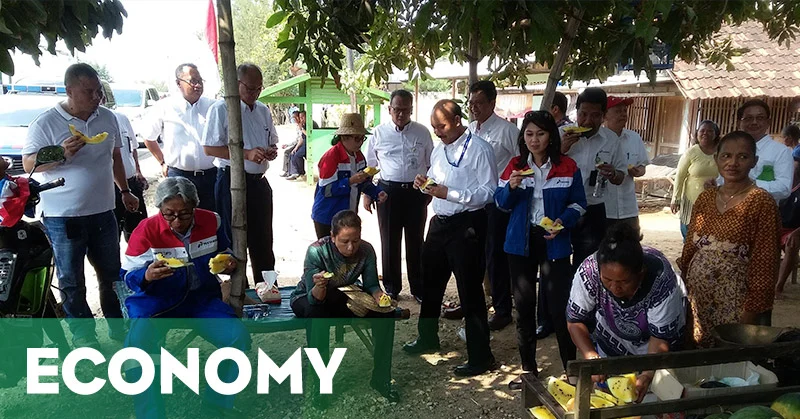
Capitalizing on the pause in the itinerary, the officials stopped at a modest local establishment operated by a resident who doubled as a fruit vendor, selling agricultural produce harvested directly from farms adjacent to the TPPI perimeter. Minister Rini Soemarno actively encouraged her colleagues to sample the local harvest, remarking on the high quality of the fruit produced by Tuban farmers.

"Come on, try the watermelon first. This watermelon is delicious," Minister Soemarno told the entourage and gathered onlookers at the site in Tuban. Following this brief respite, the delegation reconstituted its ranks to proceed with the primary objective of the day: assessing the physical and operational readiness of the TPPI refining complex.

Strategic Background of the TPPI Facility

To fully understand the gravity of the November 2015 presidential inspection, one must examine the turbulent history of the PT Trans Pacific Petrochemical Indotama facility. Situated in Tasikharjo, Jenu district, Tuban regency, the complex was conceived as a monumental private-public venture designed to bolster Indonesia’s domestic petrochemical and refining capacities. Spanning hundreds of hectares along the strategic coastline of the Java Sea, the plant was engineered to produce a wide array of petrochemical products, including paraxylene, orthoxylene, benzene, heavy aromatic fractions, and crucially, finished fuels such as gasoline and automotive diesel oil.

However, despite its immense strategic potential, the facility was plagued by chronic financial distress, complex debt restructurings, shareholder disputes, and management changes for over a decade. By the late 2000s and early 2010s, the refinery experienced extended periods of dormancy or severe under-capacity utilization. The prolonged shutdown of the facility cost the Indonesian state dearly, forcing the country to rely heavily on expensive imported refined products to meet surging domestic demand.

The dependency on fuel imports not only strained the national trade balance and exacerbated the current account deficit but also exposed Southeast Asia’s largest economy to severe vulnerability against global crude oil price volatility. For decades, the governance of Indonesia’s downstream oil and gas sector had grappled with the inefficient supply chain structure managed by the notorious state oil trading subsidiary, Petral, which was eventually dissolved under the Jokowi administration as part of sweeping governance reforms. In this context, bringing the TPPI plant back onstream was not merely a localized corporate objective; it was a cornerstone of national economic sovereignty.

Intervention by the Jokowi Administration and Pertamina

Upon assuming office in late 2014, President Joko Widodo’s administration made energy independence a central pillar of its national development agenda. The revitalization of idle state-owned assets became an immediate priority for Minister Rini Soemarno and the newly appointed board of directors at PT Pertamina (Persero), led by Dwi Soetijpto.

Pertamina’s intervention in TPPI was executed through a complex financial and operational rescue plan. Through its subsidiary, PT Pertamina Patra Niaga, and subsequent debt-to-equity conversions involving state receivables, Pertamina gradually assumed operational control of the facility. The legal and financial maneuvering allowed the state-owned enterprise to secure feedstock supplies—primarily condensate—and initiate the massive overhaul required to restart units that had sat idle in corrosive coastal conditions for years.

Sebelum Tinjau Kilang TPPI, Rini Soemarno Cicipi Semangka Tuban : Okezone Economy

The November 2015 inspection served as a critical milestone to verify that the technical preparations met safety, environmental, and operational standards prior to the official commercial restart. By integrating the refinery into Pertamina’s integrated supply chain, the state oil company aimed to slash Indonesia’s costly reliance on foreign gasoline traders.

Economic Implications and Downstream Sector Impact

The reactivation of the Tuban petrochemical and refining complex yielded profound immediate and long-term implications for the Indonesian economy. From a macroeconomic standpoint, the facility’s return to operational status drastically altered the nation’s balance of payments regarding fuel imports.

At full capacity, the TPPI refinery was capable of processing approximately 100,000 barrels of crude oil or condensate per day. This output accounted for a significant fraction of Indonesia’s national gasoline consumption, injecting millions of liters of domestically refined fuel into the distribution network managed by Pertamina. The reduction in import volumes translated to substantial foreign exchange savings for Bank Indonesia and relieved downward pressure on the Indonesian rupiah during periods of global financial tightening.

Furthermore, the integration of TPPI into domestic petrochemical supply chains provided a reliable, local source of raw materials for downstream manufacturing industries, such as plastics, textiles, and packaging. Prior to the restart, local plastic and chemical manufacturers were entirely beholden to international market prices and shipping logistics for imported intermediates like paraxylene and benzene.

Local Socioeconomic Dynamics

While the high-level policy discussions focused on national energy security and fiscal ledgers, the presence of national leaders in Tuban also highlighted the socio-economic symbiosis between mega-industrial projects and agrarian-coastal communities.

The informal interaction where ministers and corporate executives paused to consume locally harvested watermelons served as a symbolic reminder of the dual economic reality in regions hosting critical infrastructure. Tuban has historically maintained a robust agricultural and fisheries sector alongside its heavy industrial footprint. The proximity of local farms to the perimeter of a multi-billion-dollar petrochemical plant illustrates the spatial negotiation that occurs when national strategic projects are planted within rural economies.

Local leaders and community representatives frequently emphasize that large-scale industrial developments must deliver tangible benefits to the indigenous population, ranging from employment opportunities and local business partnerships to environmental safeguards. The casual engagement by Minister Soemarno and other officials helped bridge the psychological gap between the technocratic elite in Jakarta and the citizens directly impacted by the industrial transformation of their homeland.

Official Responses and Stakeholder Perspectives

Reactions from government officials, industry analysts, and corporate leaders following the November 2015 visit underscored a unified optimism regarding the nation’s downstream capabilities.

Pertamina management repeatedly stressed that the revitalization of TPPI demonstrated the state’s engineering and managerial competence in rescuing distressed strategic assets without relying entirely on foreign bailouts. Executives pointed out that integrating the facility required unprecedented cross-agency coordination between the Ministry of State-Owned Enterprises, the Ministry of Energy and Mineral Resources, regulatory bodies, and financial institutions.

Energy economists praised the pragmatic approach of utilizing state-owned enterprises to absorb and restructure non-performing industrial assets, viewing it as a superior alternative to prolonged liquidation processes that waste valuable national infrastructure. However, analysts also offered cautionary perspectives, noting that sustained success would depend heavily on transparent governance, consistent crude feedstock procurement agreements, and insulation from political interference in operational decision-making.

Conclusion and Legacy of the 2015 Inspection

The impromptu watermelon-tasting session by Minister Rini Soemarno and her delegation outside the gates of the TPPI refinery in Tuban on November 11, 2015, remains a vivid snapshot of political theater intersecting with grassroots reality. Yet, beneath the lighthearted moments captured by journalists on the ground lay a rigorous, high-stakes national mission.

The successful restart of the TPPI facility marked a watershed moment for Indonesia’s energy sector. It signaled a decisive shift away from passive dependency on volatile international fuel markets and toward aggressive domestic asset optimization. By reclaiming control over a vital refining and petrochemical complex, the Indonesian government laid the groundwork for enhanced energy resilience, fiscal stabilization, and industrial self-reliance—a legacy that continues to resonate within the nation’s downstream petroleum landscape years later.

September 17, 2026 0 comment
0 FacebookTwitterPinterestEmail
Food & Culinary

Erin Anthony Membagikan Momen Kuliner Mewah di Berbagai Negara di Tengah Sorotan Kehidupan Pribadinya

by Nana September 17, 2026
written by Nana

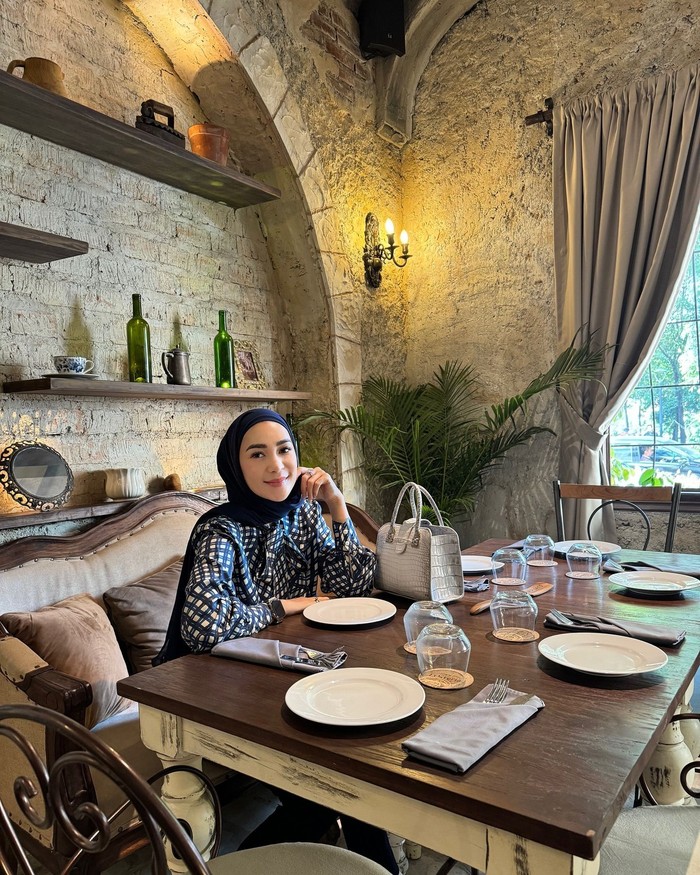
Erin Anthony, mantan istri dari komedian ternama Indonesia, Andre Taulany, kembali menarik perhatian publik di tengah beredarnya spekulasi mengenai kehidupan pribadi sang mantan suami. Di balik hiruk-pikuk pemberitaan media hiburan yang mengaitkan Andre Taulany dengan aktris Amanda Rigby, Erin Anthony justru tampak tetap tenang dan fokus membagikan aktivitas kesehariannya melalui platform media sosial Instagram. Salah satu aspek yang paling mencuri perhatian dari unggahannya adalah gaya hidup kuliner internasional yang ia jalani, yang mencerminkan kecintaannya pada perjalanan dan pengalaman bersantap di lokasi-lokasi ikonik dunia.

Seru! Erin Anthony Makan dengan View Ikonik di Masjid Nabawi hingga Eiffel

Sejak perceraiannya dengan Andre Taulany diputuskan oleh pengadilan, sosok Erin Anthony memang kerap menjadi objek perbincangan. Baru-baru ini, perhatian warganet kembali tertuju padanya setelah muncul desas-desus mengenai rencana pernikahan Andre Taulany yang santer dikaitkan dengan Amanda Rigby. Meskipun spekulasi tersebut merebak luas di berbagai kanal media, Erin Anthony sejauh ini memilih untuk tidak memberikan tanggapan resmi. Ia tampak lebih memilih untuk mengalihkan fokus pada pengembangan diri dan aktivitas yang ia nikmati, termasuk upaya yang ia lakukan baru-baru ini untuk menyesuaikan kembali identitas digitalnya di Instagram.

Menelusuri Jejak Kuliner Global Erin Anthony

Aktivitas kuliner Erin Anthony bukan sekadar foto makanan biasa; unggahannya sering kali memadukan elemen kemewahan, estetika visual, dan destinasi wisata kelas dunia. Bagi pengikutnya, konten yang dibagikan oleh ibu tiga anak ini memberikan gambaran tentang bagaimana ia menikmati waktu luang di berbagai negara.

Seru! Erin Anthony Makan dengan View Ikonik di Masjid Nabawi hingga Eiffel

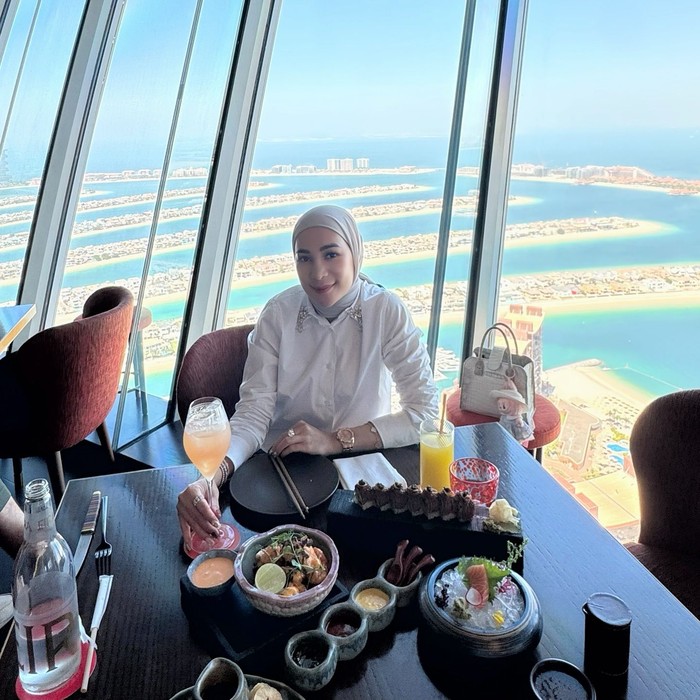
Salah satu momen yang paling berkesan bagi para pengikutnya adalah saat Erin mengunjungi Dubai, Uni Emirat Arab. Di kota yang dikenal dengan kemewahan arsitekturnya tersebut, ia sempat membagikan pengalaman bersantap di sebuah restoran yang menawarkan pemandangan langsung ke area Palm Dropzone. Lokasi ini merupakan destinasi populer bagi para pelancong yang mencari pengalaman makan dengan latar belakang cakrawala kota yang futuristik dan aktivitas terjun payung yang ikonik di Dubai.

Tidak hanya di Timur Tengah, jejak kuliner Erin juga membawanya ke pusat spiritual dan sejarah. Ia sempat mengabadikan momen kedekatannya dengan sang ibu, Susy Anthony, saat berada di Madinah, Arab Saudi. Dalam sebuah unggahan yang penuh kehangatan, keduanya terlihat menikmati hidangan dengan pemandangan Masjid Nabawi yang megah. Kombinasi antara kenyamanan kuliner dan ketenangan spiritual di lokasi tersebut memberikan kontras yang menarik dengan gaya hidupnya yang kosmopolitan.

Seru! Erin Anthony Makan dengan View Ikonik di Masjid Nabawi hingga Eiffel

Pengalaman Gastronomi di Eropa

Eropa tampaknya menjadi destinasi favorit dalam agenda perjalanan Erin Anthony. Selama perjalanannya ke Paris, Prancis, ia tidak melewatkan kesempatan untuk menikmati sarapan ala Parisien yang klasik. Dengan latar belakang Menara Eiffel yang menjadi ikon global, ia terlihat menikmati hidangan sederhana namun elegan, seperti kopi hangat dan omelet, yang menjadi standar sarapan di kafe-kafe lokal kota tersebut.

Pengalaman kuliner yang lebih ekstrem dan unik dirasakan Erin saat ia melakukan staycation di Glass Igloo, Finlandia. Kawasan ini dikenal secara global sebagai salah satu tempat terbaik untuk menyaksikan fenomena Aurora Borealis atau Cahaya Utara. Di tengah suhu dingin yang menusuk, Erin memilih untuk menikmati secangkir kopi hangat dari kenyamanan igloo kaca yang transparan, memberikan pengalaman yang jarang didapatkan oleh wisatawan pada umumnya.

Seru! Erin Anthony Makan dengan View Ikonik di Masjid Nabawi hingga Eiffel

Selain destinasi wisata alam dan sejarah, Erin juga membagikan momen kebersamaan dengan anak-anaknya. Dalam perjalanannya ke London, Inggris, ia terlihat menikmati waktu berkualitas bersama putra sulungnya, Ardio Raihansyah Taulany. Keduanya tertangkap kamera sedang menikmati sajian kuliner Italia, yakni pizza dan pasta, di salah satu restoran di ibu kota Inggris tersebut. Momen ini menunjukkan sisi keibuan Erin yang tetap terjaga di tengah kesibukan pribadinya.

Terakhir, dalam kunjungannya ke Oslo, Norwegia, Erin memperlihatkan sisi kontemplatifnya. Ia mengunggah momen saat membaca buku sambil menikmati hidangan kue dan pemandangan laut yang tenang. Unggahan ini menegaskan bahwa perjalanan kuliner baginya bukan hanya tentang makanan, melainkan tentang mencari ketenangan dan pengalaman baru di tengah perubahan status kehidupan yang ia alami.

Seru! Erin Anthony Makan dengan View Ikonik di Masjid Nabawi hingga Eiffel

Konteks Kehidupan Pribadi dan Dampak Media Sosial

Perhatian publik terhadap Erin Anthony merupakan cerminan dari bagaimana media sosial telah mengubah cara masyarakat memandang kehidupan pribadi figur publik. Setelah pengadilan mengesahkan perceraian antara Erin dan Andre Taulany, publik menaruh ekspektasi tinggi terhadap perilaku keduanya. Fenomena "penggantian nama Instagram" yang dilakukan oleh Erin menjadi indikator kecil namun signifikan bagi para pemerhati media bahwa ia sedang berusaha melakukan transformasi identitas pasca-pernikahan.

Secara sosiologis, apa yang dilakukan oleh Erin Anthony—dengan tetap aktif membagikan konten yang positif dan estetik—dapat diartikan sebagai bentuk manajemen citra diri. Di dunia digital, di mana narasi mengenai seseorang sering kali dibentuk oleh pihak luar, pemilihan konten kuliner dan perjalanan memberikan kendali kepada subjek untuk menonjolkan aspek-aspek kehidupan yang ingin ia tampilkan kepada publik.

Seru! Erin Anthony Makan dengan View Ikonik di Masjid Nabawi hingga Eiffel

Analisis Tren Gaya Hidup Pasca-Perceraian

Dalam dunia hiburan Indonesia, tidak jarang mantan pasangan selebritas menjadi sasaran spekulasi media selama berbulan-bulan setelah perpisahan. Namun, bagi Erin Anthony, pilihan untuk tetap menunjukkan kemandirian melalui hobi perjalanan dan kuliner merupakan langkah yang cerdas secara strategis. Dengan tidak memberikan komentar mengenai rumor pernikahan mantan suaminya, ia berhasil menjaga privasi dan meminimalisir potensi konflik di media sosial.

Dari sisi industri gaya hidup, sosok seperti Erin Anthony memberikan pengaruh signifikan terhadap tren perjalanan. Destinasi yang ia kunjungi, seperti Glass Igloo di Finlandia atau restoran dengan pemandangan ikonik di Dubai, sering kali mengalami peningkatan perhatian dari pengikutnya di Indonesia. Hal ini menunjukkan bahwa pengaruh "influencer gaya hidup" di kalangan mantan istri selebritas masih memiliki dampak besar terhadap keputusan perjalanan dan pilihan kuliner audiens mereka.

Seru! Erin Anthony Makan dengan View Ikonik di Masjid Nabawi hingga Eiffel

Kesimpulan dan Harapan Publik

Meskipun sorotan publik masih tertuju pada kehidupan pribadi Erin Anthony dan mantan suaminya, Andre Taulany, Erin tetap menunjukkan keteguhan sikap. Hingga berita ini diturunkan, belum ada pernyataan resmi dari pihak Erin terkait rumor yang beredar. Ia tetap melanjutkan agenda perjalanannya dan terus membagikan momen-momen berharga yang ia alami di berbagai belahan dunia.

Bagi para penggemar dan pengikutnya, perjalanan kuliner Erin Anthony bukan sekadar pelarian dari isu-isu yang berkembang, melainkan sebuah eksplorasi keindahan dunia yang menginspirasi. Dengan terus menampilkan sisi positif dari kehidupannya, Erin berhasil mempertahankan relevansinya di ruang publik tanpa harus terjebak dalam narasi konflik yang sering kali muncul dalam industri hiburan. Ke depannya, publik tentu menantikan langkah selanjutnya dari Erin, baik dalam hal aktivitas profesional maupun perkembangan kehidupan pribadinya, namun yang pasti, ia telah menunjukkan bahwa ada kehidupan yang produktif dan menyenangkan di luar sorotan drama pernikahan yang telah usai.

Seru! Erin Anthony Makan dengan View Ikonik di Masjid Nabawi hingga Eiffel

Seiring berjalannya waktu, kedewasaan dalam menghadapi sorotan media diharapkan menjadi standar bagi para figur publik dalam mengelola kehidupan mereka. Erin Anthony telah memberikan contoh bagaimana seseorang bisa tetap bergerak maju, mengeksplorasi dunia, dan menikmati setiap momen kehidupan dengan penuh rasa syukur, terlepas dari apa yang dikatakan oleh publik di luar sana.

September 17, 2026 0 comment
0 FacebookTwitterPinterestEmail
Travel & Tourism

Ministry of State-Owned Enterprises Threatens Merger of Pertagas and PGN Over Unhealthy Competition Among State Energy Giants

by Lina Irawan September 17, 2026
written by Lina Irawan

The landscape of Indonesia’s energy sector has long been shaped by strategic maneuvers, policy debates, and high-stakes corporate restructuring involving state-owned enterprises. Back in May 2014, a critical policy discussion surfaced regarding the potential consolidation of two major players in the national gas industry: PT Pertamina Gas (Pertagas), a subsidiary of energy titan PT Pertamina (Persero), and PT Perusahaan Gas Negara Tbk (PGN), a publicly listed state enterprise specializing in natural gas transportation and distribution. This proposed corporate integration, championed by the Ministry of State-Owned Enterprises (BUMN) under the leadership of then-Minister Dahlan Iskan, was not initially designed as a conventional business expansion. Instead, it was introduced as a stern regulatory ultimatum intended to curb aggressive, counterproductive rivalry between the two entities, which government officials argued was ultimately detrimental to the national interest.

Background Context of the State Energy Rivalry

To understand the gravity of the 2014 restructuring threat, one must examine the operational overlaps that characterized Indonesia’s downstream and midstream gas sectors during that era. PT Pertamina (Persero), as the primary state-owned oil and gas holding company, operated extensively across the entire energy supply chain, from upstream exploration to downstream retail. Through its subsidiary Pertagas, Pertamina sought to expand its footprint in gas transportation, processing, and trading.

Concurrently, PT Perusahaan Gas Negara Tbk held a dominant position as the nation’s premier natural gas transmission and distribution company. PGN was established with a specific mandate to develop infrastructure and deliver gas to industrial, commercial, and household consumers. However, as both corporations sought to scale their operations and capture market share in a rapidly growing domestic energy market, their strategic objectives increasingly collided.

Rather than fostering a collaborative ecosystem to accelerate national energy infrastructure development—particularly in vital regions requiring extensive pipeline networks—the two corporate giants frequently engaged in turf wars. These jurisdictional disputes manifested in delayed projects, duplicated infrastructure investments, and fragmented negotiations with industrial consumers and regulatory bodies. The Ministry of State-Owned Enterprises observed that this uncoordinated competition was inefficiently draining state resources and slowing down the realization of energy security goals, prompting the government to consider radical structural intervention.

The Ultimatum and the Rationale Behind the Merger Threat

The discourse surrounding the potential absorption of Pertagas into PGN represented a sharp pivot from earlier, unrealized plans. Previous discussions had occasionally touched upon the reverse scenario: the acquisition or integration of PGN into the broader Pertamina corporate umbrella to form a unified state-owned oil and gas holding entity. However, the 2014 proposal reversed this conceptual flow, suggesting that Pertagas—a major profit and asset center for Pertamina—be folded into PGN, which functioned primarily as a gas trader and transporter.

Addressing the media during the Mandiri Institute event held at the Four Season Hotel in Jakarta on Monday, May 12, 2014, Minister of State-Owned Enterprises Dahlan Iskan openly characterized the merger threat as a strategic disciplinary measure. He revealed that the structural proposal was leveraged primarily to force compliance and compel corporate leadership from both sides to abandon counterproductive rivalries.

"Historically, these two companies have a habit of quarreling and engaging in unhealthy competition," Dahlan stated during the forum. He emphasized that the friction originated from overlapping mandates, noting that when state-owned enterprises compete destructively, it is ultimately the nation and the public that bear the cost.

Dahlan recounted that prior to issuing the structural ultimatum, he had convened numerous closed-door meetings with the boards of directors of both Pertamina and PGN in an effort to mediate disputes and delineate operational boundaries. Despite repeated administrative interventions, corporate stubbornness persisted, hindering the formation of a collaborative business environment. Consequently, the Ministry floated the drastic consolidation proposal as a credible threat to compel cooperation, making it clear that continued infighting would result in a forced corporate marriage that neither management team desired.

Resolution of the Dispute and Removal of Urgency

The high-stakes pressure campaign ultimately yielded the intended administrative outcome. According to the Ministry of State-Owned Enterprises, the explicit threat of merging Pertagas into PGN successfully altered the tactical behavior of both corporate leadership teams.

Dahlan noted that following the issuance of the warning, relations between the two companies improved markedly. Corporate executives demonstrated a newfound willingness to compromise, coordinate, and establish operational demarcations that prevented redundant capital expenditure. Because the primary objective—eliminating destructive internal competition—was achieved through behavioral reform, the regulatory urgency for executing the merger evaporated.

Penggabungan Pertagas-PGN Dinilai Ancaman : Okezone Economy

"That is why I threatened them with a merger, but now they have mended their ways," Dahlan explained. He confirmed that due to this renewed cooperation, mutual concessions, and willingness to collaborate on national infrastructure projects, the consolidation plan was effectively shelved. "They are already cooperative, willing to make concessions, and ready to work together. Therefore, there is no longer any urgency to proceed with the merger," he affirmed.

A prime historical example of this destructive friction cited by the Ministry involved the strategic planning and execution of the Cirebon-Semarang gas pipeline project. Prior to the Ministry’s intervention and subsequent threat of consolidation, both Pertamina (through Pertagas) and PGN locked horns over project rights, leading to protracted delays in determining which corporate entity would undertake the construction and operation of the vital transmission line.

"Now it has been agreed who will build it," Dahlan noted, reflecting on the resolution of the Cirebon-Semarang dispute. He reiterated that in the natural gas sector—where infrastructure requires massive capital investments and long-term planning—inter-company rivalry at the expense of national efficiency inflicted direct harm on the state. However, with both entities falling in line and coordinating their development roadmaps, the structural threat successfully neutralized the immediate policy crisis.

Expert Reactions and Policy Implications

The shifting policy signals from the Ministry of State-Owned Enterprises drew immediate scrutiny and analysis from energy sector observers and policy analysts. Sofyano Zakaria, a prominent energy policy analyst, voiced significant concern regarding the unpredictable nature of the government’s restructuring announcements. Speaking on the broader implications of the policy debates, Zakaria pointed out that floating major corporate realignments—such as absorbing Pertagas into PGN—contradicted earlier strategic frameworks established by the Ministry itself.

According to Zakaria, the overarching blueprint and strategic roadmap of the Ministry of State-Owned Enterprises had consistently pointed toward the creation of an integrated state-owned holding company. Under that long-term vision, consolidating similar business lines—particularly unifying upstream-to-downstream gas assets under Pertamina—was widely regarded as the most logical structural approach to bolster the global and domestic competitiveness of Indonesia’s energy sector.

"This policy could be a very surprising development because the plan clearly contradicts previous agreements, which intended to merge PGN with Pertagas within the Pertamina holding structure," Zakaria remarked. He cautioned that abrupt shifts in ministerial rhetoric risk creating regulatory uncertainty, which can complicate long-term capital allocation, operational planning, and investor confidence in state-owned enterprises.

Broader Economic and Industrial Context

The structural friction between Pertagas and PGN in the early 2010s reflected a broader challenge facing Indonesia’s energy governance: balancing corporate autonomy with national strategic alignment. As natural gas emerged as a crucial transition fuel and a vital feedstock for domestic industries, power generation, and petrochemical manufacturing, the government faced mounting pressure to optimize infrastructure development.

Indonesia’s geography demands extensive, capital-intensive transmission networks to connect gas fields in remote islands and offshore basins with major demand centers in Java and Sumatra. Fragmented efforts by competing state enterprises risked creating uncoordinated, isolated pipeline networks (often referred to as island grids) rather than an integrated national transmission grid capable of optimizing gas distribution and maintaining stable pricing for industrial end-users.

The 2014 episode underscored the delicate balance required in managing state-owned commercial entities. While competition can theoretically drive operational efficiency in private markets, state-owned enterprises tasked with managing strategic national resources must operate in alignment with broader macroeconomic objectives. The Ministry’s use of a merger threat served as an unconventional administrative tool to enforce discipline, demonstrating how state authority can intervene to resolve deadlocks when corporate governance mechanisms fall short.

Conclusion and Legacy of the 2014 Restructuring Debate

Although the specific threat of merging Pertagas into PGN was ultimately shelved in May 2014 following improved corporate cooperation, the underlying structural questions regarding the consolidation of Indonesia’s state-owned gas assets remained a central theme in national economic policy for years to come. The debate highlighted the persistent tension between operational independence and centralized state control in managing vital energy infrastructure.

Ultimately, the events of May 2014 demonstrated the direct influence of executive oversight in shaping corporate behavior within Indonesia’s state-owned sector. By leveraging the credible threat of structural amalgamation, the Ministry of State-Owned Enterprises successfully compelled Pertamina and PGN to pivot from hostile rivalry to pragmatic cooperation, safeguarding state interests and setting a precedent for how regulatory bodies manage friction among dominant national corporations.

September 17, 2026 0 comment
0 FacebookTwitterPinterestEmail
Travel & Tourism

Desa Bugisan in Klaten: A Harmonious Blend of Ancient Heritage and Rural Tourism Excellence

by Layla Zulfa September 17, 2026
written by Layla Zulfa

Nestled in the heart of the Prambanan district within the Klaten Regency of Central Java, Desa Bugisan stands as a premier example of how rural communities can successfully leverage historical assets to drive sustainable tourism. Since its formal inauguration as a tourism village in 2016, the village has transformed from a quiet agricultural settlement into a nationally recognized destination, culminating in its prestigious inclusion among the 50 best tourist villages in the 2022 Anugerah Desa Wisata Indonesia (ADWI) awards. By integrating the architectural splendor of the Mataram-era temples with deep-rooted Javanese cultural traditions, Bugisan offers a compelling case study in cultural preservation and community-led economic development.

The Architectural Majesty of Candi Plaosan

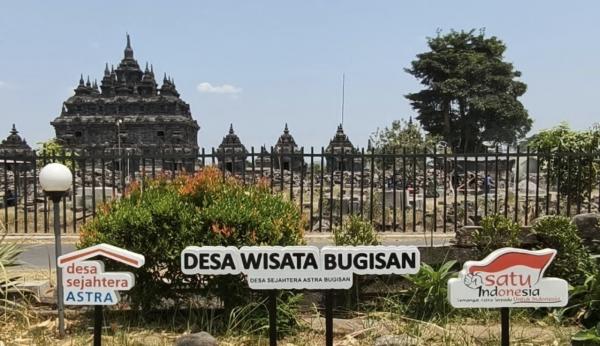
The primary anchor for tourism in Bugisan is the iconic Candi Plaosan complex, often referred to as the "Twin Temples." Built during the reign of the Medang Kingdom (Mataram Kuno) in the 9th century, the site is historically significant for its unique architectural fusion. Unlike many other temple complexes in the region that are strictly Hindu or Buddhist, Candi Plaosan is widely regarded as a monument to religious pluralism.

Mengintip Desa Bugisan di Prambanan, Pesona Candi Kembar dan Tradisi Jawa

Historical accounts suggest that the temple was constructed by Rakai Pikatan of the Sanjaya Dynasty for his consort, Pramodawardhani of the Syailendra Dynasty. This union symbolized a strategic and spiritual alliance between the Hindu and Buddhist communities of the era. The structure features the elegant, slender towers characteristic of Hindu architecture, while the interior reliefs and iconography reflect Buddhist teachings. For the modern visitor, the site serves as more than just a historical ruin; it acts as a tangible reminder of the historical tolerance and societal harmony that has defined the Javanese landscape for over a millennium.

A Chronology of Development: From Agriculture to Tourism

The evolution of Desa Bugisan into a tourism powerhouse was not an overnight success but the result of a deliberate, decade-long strategy initiated by local stakeholders.

  • 2016: The Turning Point. The village government and local community leaders formally declared Bugisan a tourism village. This period saw the launch of the Festival Candi Kembar (FCK), a strategic event designed to promote local arts and heritage.
  • 2018–2020: Infrastructure and Capacity Building. Recognizing that historical assets alone were insufficient, the village began investing in human resources. Locals were trained in hospitality, tour guiding, and the development of creative workshop modules.
  • 2022: National Recognition. The village’s efforts were validated when the Ministry of Tourism and Creative Economy named Bugisan one of the top 50 villages in the ADWI, a national competition that benchmarks the quality of rural tourism based on institutional governance, digital presence, and environmental sustainability.
  • 2023–Present: Diversification. The village shifted its focus toward experiential tourism, moving beyond sight-seeing to offer immersive programs that involve visitors in the daily life of the Javanese agrarian community.

The Festival Candi Kembar: Preserving Intangible Heritage

The Festival Candi Kembar (FCK) is perhaps the most significant cultural event in the village calendar. Since its inception in 2016, the festival has served as an annual platform for local artists to perform traditional arts that might otherwise fade into obscurity.

Mengintip Desa Bugisan di Prambanan, Pesona Candi Kembar dan Tradisi Jawa

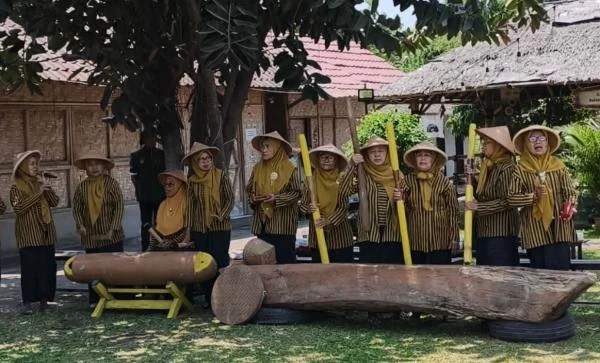
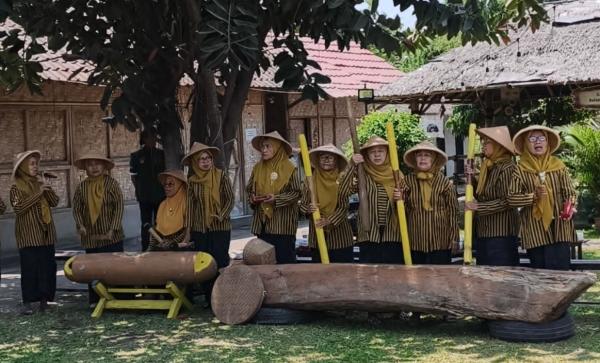
The festival typically features a curated lineup of performances, including gejok lesung—a rhythmic musical performance using traditional rice-pounding tools—jathilan (horse trance dance), and karawitan (gamelan ensembles). By hosting these events within the shadow of the ancient temple complex, the village creates a symbiotic relationship between the historical setting and the living traditions of the people. This cultural programming is not merely for entertainment; it is an active effort to ensure that the younger generation of Bugisan remains connected to their ancestral heritage, thereby fostering a sense of community identity that is essential for long-term rural stability.

Immersive Experiential Tourism: Engaging the Modern Traveler

Modern travel trends have shifted toward "slow travel" and meaningful experiences, and Desa Bugisan has capitalized on this demand through its diverse range of workshop offerings. Recognizing that the modern tourist seeks to understand the "how" and "why" behind local products, the village has developed several signature experiences:

  1. Ecoprint and Traditional Crafts: Visitors are invited to engage in sustainable handicraft workshops, such as creating ecoprint textiles using leaves and natural dyes found in the surrounding landscape.
  2. Artistic Expression: Workshops on mask painting and wayang (shadow puppet) creation provide a tactile connection to Javanese mythology.
  3. Culinary Heritage: The jamu (traditional herbal medicine) blending classes are particularly popular, as they educate visitors on the medicinal properties of Javanese spices like turmeric, ginger, and galangal.
  4. Agricultural Immersion: As the village remains a functional agricultural hub, visitors are encouraged to learn about traditional rice cultivation, offering a stark contrast to the rapid urbanization seen in neighboring districts.

Logistics and the "Village Pulse"

To move beyond the confines of a static tour, the village offers a variety of traditional transportation methods that allow visitors to traverse the landscape at a pace that encourages observation. The use of bicycles, andong (horse-drawn carriages), and even traditional ox-drawn carts provides a unique perspective of the paddy fields and local neighborhoods. This approach not only provides employment for local transport operators but also minimizes the carbon footprint of tourism activities within the village boundaries.

Mengintip Desa Bugisan di Prambanan, Pesona Candi Kembar dan Tradisi Jawa

Socio-Economic Implications and Future Outlook

The rise of Desa Bugisan as a tourist destination has had profound implications for the local economy. According to local economic indicators, the transition to tourism has created a diversified income stream for households that previously relied exclusively on subsistence farming. By distributing the economic benefits of tourism—through homestays, guiding services, and artisanal sales—the village has effectively mitigated the risks associated with volatile agricultural markets.

Furthermore, the integration of tourism has acted as a catalyst for environmental preservation. The need to maintain an "asri" (beautiful and serene) environment for visitors has encouraged the community to invest in waste management and landscape conservation. This holistic approach ensures that the village remains an attractive destination while maintaining the quality of life for its residents.

However, the continued success of the village faces challenges, particularly in the realm of digital literacy and marketing. As noted by experts in rural development, the transition from a local destination to a nationally competitive one requires consistent digital presence and high-quality infrastructure. The ongoing support from the Ministry of Tourism and Creative Economy, as well as the active engagement of the local youth in social media promotion, will be critical in sustaining the momentum achieved over the past eight years.

Mengintip Desa Bugisan di Prambanan, Pesona Candi Kembar dan Tradisi Jawa

Conclusion: A Model for Sustainable Development

Desa Bugisan serves as a testament to the power of community-driven development. By refusing to treat its historical sites as isolated artifacts, the village has successfully woven its ancient past into a vibrant, modern tapestry of tourism. The "twin pillars" of its success—the preservation of the Candi Plaosan legacy and the promotion of living cultural traditions—create a unique destination that offers both intellectual stimulation and cultural enrichment.

As Indonesia continues to prioritize rural development through the tourism sector, the model pioneered by Desa Bugisan offers valuable insights for other regions. It demonstrates that with the right combination of community cohesion, creative curation of assets, and a commitment to authenticity, a small village can achieve significant national impact, ensuring that the legacy of the Mataram era continues to inspire future generations while simultaneously providing for the economic prosperity of the present.

September 17, 2026 0 comment
0 FacebookTwitterPinterestEmail
National News

DPR Urges National Police to Proactively Safeguard Free Nutritious Meal Program Amid Growing Safety Concerns

by Iffa Jayyana September 17, 2026
written by Iffa Jayyana

JAKARTA — The implementation of Indonesia’s flagship Free Nutritious Meal (Makan Bergizi Gratis, or MBG) program has entered a critical juncture following a series of alarming food safety incidents across multiple regions. The mounting reports of mass food poisoning and the disturbing discovery of foreign objects, including a centipede, in meal packages have prompted intense public scrutiny and legislative intervention. In response to these developments, Deputy Chairman of House of Representatives (DPR) Commission III, Ahmad Sahroni, has formally called upon the Indonesian National Police (Polri) to take a more proactive role in overseeing and securing the nationwide distribution of the program, citing potential negligence and the looming possibility of deliberate sabotage.

The MBG program, designed to improve the nutritional intake of millions of schoolchildren and vulnerable populations nationwide, forms a cornerstone of the current administration’s social welfare policy. However, logistical complexities, rapid scaling, and decentralized supply chains have exposed vulnerabilities in quality control. As food safety breaches multiply, authorities are grappling with the dual challenge of ensuring immediate medical responses to affected students and investigating the root causes of contamination, which range from basic hygiene lapses to suspected malicious interference.

Escalating Food Safety Incidents and the Threat of Sabotage

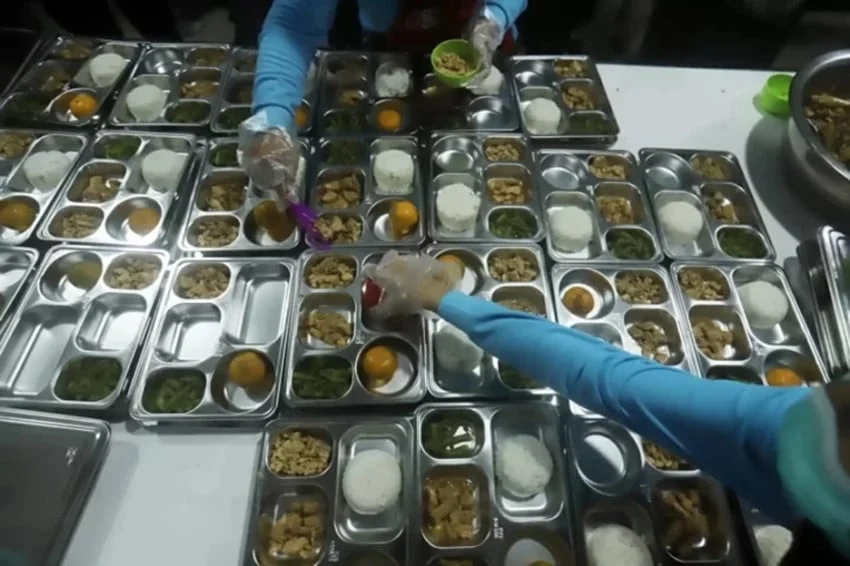
Over recent weeks, the credibility and operational integrity of the MBG program have been tested by successive incidents of foodborne illness. Reports from various regional distribution centers highlight severe cases of nausea, vomiting, and hospitalization among student beneficiaries following the consumption of state-funded meals. Compounding the alarm, community reports have documented instances of gross contamination, most notably the discovery of a centipede inside a sealed meal container intended for school children.

These compounding failures have ignited speculation regarding the operational security of the program’s supply chain. While public health officials initially attributed the illnesses to standard hygiene and temperature control failures during food preparation and transit, the severity and recurrence of the incidents have fueled suspicions of intentional foul play. Observers and officials have raised the prospect that coordinated acts of sabotage—aimed at discrediting the social welfare initiative—cannot be entirely ruled out without comprehensive forensic investigations.

Addressing this concern, Head of the National Nutrition Agency (Badan Gizi Nasional, or BGN) Sudaryono previously announced that the agency would not hesitate to hand over investigations to law enforcement authorities should concrete evidence emerge indicating intentional sabotage or coordinated efforts to undermine the distribution of nutritious meals.

Legislative Demand for Enhanced Police Oversight

Weighing in on the escalating crisis, Ahmad Sahroni emphasized that the scale and severity of the poisoning incidents necessitate direct intervention from law enforcement. Speaking on Thursday, September 17, 2026, the senior legislator underscored the gravity of the situation and the imperative for comprehensive police involvement in safeguarding a state program of this magnitude.

"Police have a major responsibility in safeguarding the MBG program. The increasing frequency and severity of MBG poisoning incidents, to the point where centipedes are found and some poisonings have even proven fatal, demonstrate that deeper field oversight in the process is indeed necessary," Sahroni stated.

According to Commission III, which oversees legal, human rights, and security affairs, the National Police possesses the investigative apparatus and jurisdictional reach required to audit the entire operational chain—from sourcing raw ingredients in local markets to final delivery at school gates. Sahroni asserted that routine administrative checks by civilian agencies are no longer sufficient to deter gross negligence or intercept malicious actors attempting to compromise the dietary initiative.

Strategic Realignment of Program Reach and the 3T Focus

Amid growing operational hurdles and the imperative to tighten quality controls, the National Nutrition Agency has simultaneously moved to recalibrate its geographical distribution strategy. In a bid to enhance oversight and ensure resources are directed where they are most urgently needed, BGN recently announced the removal of thousands of schools from the initial MBG recipient lists.

Under the revised deployment framework, program services are being systematically redirected toward Indonesia’s 3T regions—classified as underdeveloped, frontier, and outermost (Tertinggal, Terdepan, dan Terluar) areas. These regions typically suffer from acute structural malnutrition and face severe logistical challenges, making centralized, high-volume catering models impractical. By streamlining the recipient database and focusing resources on remote populations with limited access to balanced nutrition, BGN aims to reduce logistical friction, minimize the risk of supply chain contamination in densely populated urban centers, and concentrate monitoring efforts on higher-risk distribution zones.

Logistical Challenges and Quality Control Bottlenecks

The rapid rollout of the MBG initiative has exposed significant systemic vulnerabilities within Indonesia’s localized food supply infrastructure. Delivering millions of fresh, warm, and nutritionally balanced meals daily requires an intricate network of centralized kitchens, local micro-enterprises, cold-chain transport, and timely school-level distribution.

Food safety experts point out that maintaining microbiological safety across tens of thousands of disparate preparation units presents a monumental administrative hurdle. Common contributing factors to mass food poisoning in school feeding programs globally include inadequate temperature control during holding and transit, improper hygiene among food handlers, cross-contamination of raw and cooked ingredients, and delayed consumption of perishable meals.

In the case of the MBG program, the reliance on numerous third-party vendors and local catering kitchens has created uneven compliance with standardized food safety protocols. While urban distribution centers benefit from relatively straightforward transport logistics, rural and semi-urban kitchens often struggle with basic infrastructure deficits, such as reliable refrigeration and potable water access, increasing the susceptibility of meals to bacterial proliferation.

Law Enforcement Scope and Investigative Protocols

With the parliamentary call for heightened police oversight, the Indonesian National Police faces an expanding mandate that intersects public health, administrative governance, and criminal law enforcement. Under the proposed framework, law enforcement agencies are expected to coordinate closely with the Indonesian Food and Drug Authority (BPOM) and local health departments to conduct forensic audits of implicated catering facilities.

When food poisoning incidents occur, standard protocols dictate the immediate collection of food remnants, vomit samples, and biological specimens from affected students for laboratory testing to identify specific pathogens, such as Salmonella, Escherichia coli, or Staphylococcus aureus. However, the involvement of the National Police introduces a parallel criminal investigation track focused on establishing liability. Investigators are tasked with determining whether the incidents stem from ordinary civil negligence—such as improper food handling or poor refrigeration—or rise to the level of criminal negligence punishable under the Indonesian Criminal Code. Furthermore, should evidence of intentional contamination or tampering be uncovered, investigators will pursue charges related to corporate and individual sabotage of vital national public services.

Socio-Economic Implications and Public Trust

The political and social fallout from the MBG contamination cases extends far beyond immediate public health concerns. As a flagship initiative designed to enhance human capital development and combat childhood stunting, the program holds immense symbolic and practical value for the government. Consequently, any sustained erosion of public confidence threatens not only the operational continuity of the feeding initiative but also broader faith in institutional delivery mechanisms.

Parents and educational institutions have expressed understandable anxiety regarding the safety of participating students. The psychological impact of mass illnesses within school environments has led to temporary suspensions of the program in several affected districts, pending thorough safety certifications. Analysts suggest that the swift intervention of law enforcement, coupled with transparent reporting of investigation results by BGN and health authorities, will be critical in restoring parental confidence and ensuring that the program can resume its intended trajectory without compromising student safety.

Future Outlook for the MBG Program

As the National Nutrition Agency refines its geographic priorities toward 3T regions and the National Police steps up its investigative and monitoring posture, the MBG program stands at a crucial crossroads. The coming months will likely see the implementation of stricter vendor accreditation standards, mandatory digital tracking of food transit times, and harsher penalties for suppliers who fail to meet baseline sanitary requirements.

By bridging the gap between civilian administrative oversight and criminal accountability, the concerted push by lawmakers and security agencies aims to fortify the program against both human error and malicious disruption. Ultimately, the long-term success of the Free Nutritious Meal initiative will depend on the government’s capacity to institutionalize rigorous quality assurance protocols while maintaining the expansive reach necessary to nourish Indonesia’s future generations.

September 17, 2026 0 comment
0 FacebookTwitterPinterestEmail
National News

Sopir Travel Ditembak dan Dibakar, Polisi Temukan Peluru Laras Panjang Milik KKB

by Laily UPN September 17, 2026
written by Laily UPN

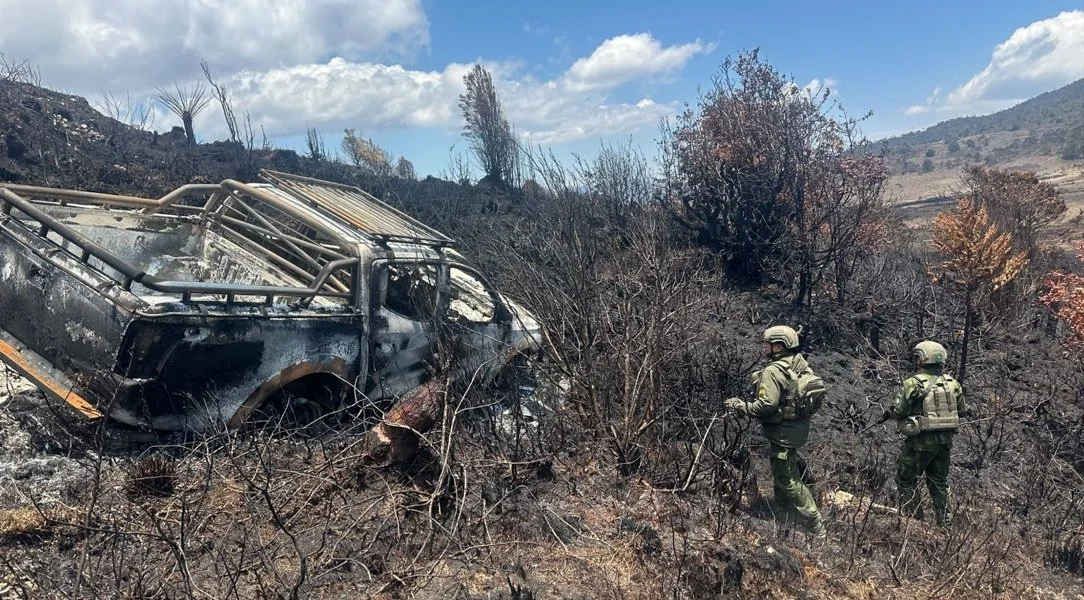
The security situation in the Papua region has once again come under intense scrutiny following the brutal killing of a travel driver, identified as 41-year-old Aris Sanda. The victim was reportedly shot and his vehicle subsequently incinerated in the Habema area, a region that has witnessed recurring tensions between local security forces and the Armed Criminal Group (KKB). This incident marks a grim escalation in the ongoing conflict, prompting a swift and rigorous response from the Satgas Operasi Damai Cartenz, the joint security task force responsible for maintaining stability in Papua.

During the recovery of the victim’s remains, investigators made a critical discovery that points toward the involvement of organized insurgent elements. According to the Head of Public Relations for the Operation, Senior Commissioner Yusuf Sutejo, the field team successfully recovered a 5.56-millimeter long-barrel firearm casing at the crime scene. This specific caliber is frequently associated with the military-grade weaponry utilized by various KKB factions operating within the rugged terrain of the highlands. Along with the casing, search teams located a bag containing the victim’s personal identification, confirming the identity of the deceased and establishing a foundational piece of evidence for the ongoing forensic inquiry.

Chronology of the Investigation

The incident was reported on September 17, 2026, triggering an immediate deployment of the Satgas Operasi Damai Cartenz to the Habema sector. Upon arrival, the security forces were tasked with two primary objectives: securing the area for forensic analysis and ensuring the safe recovery of the victim’s body. The operation involved a meticulous site survey, or Tindakan Pertama di Tempat Kejadian Perkara (TPTKP), which serves as the bedrock for the subsequent criminal investigation.

The recovery phase was conducted under high-security protocols, given the historically hostile nature of the region. By the afternoon of the discovery, Commissioner Yusuf Sutejo confirmed that investigators had shifted their focus toward identifying the specific perpetrators. The presence of the 5.56mm casing is particularly significant, as it suggests the attackers were equipped with rifles capable of long-range engagement, a hallmark of recent KKB operations in Ndugama and surrounding districts.

Intelligence Analysis and Potential Perpetrators

While the investigation remains in its nascent stages, intelligence reports are already focusing on the potential involvement of the KKB Kodap III Ndugama. This faction is known for its mobility and its tendency to target non-combatants and infrastructure to draw out security forces. Commissioner Yusuf Sutejo stated that while there are strong indicators pointing toward the Kodap III group’s presence in the immediate vicinity at the time of the shooting, the authorities are exercising caution.

"We have received information linking this act of violence to the Kodap III Ndugama group, but we are currently in the process of rigorous verification," Sutejo explained. "We cannot afford to make premature assumptions. Our goal is to synthesize the physical evidence, such as the ammunition casing, with ground intelligence to build an irrefutable case against the individuals responsible."

The methodology employed—shooting the driver before burning the vehicle—is a tactical signature that authorities have observed in previous incidents. These acts are often intended to disrupt transportation logistics and instill fear among civilian workers and travel operators who provide essential links between the isolated mountain communities and the coastal hubs.

Official Response and Security Policy

The Chief of the 2026 Damai Cartenz Operation, Inspector General Faizal Ramadhani, emphasized that the protection of civilian life remains the paramount mandate of the task force. In a formal statement, he underscored the necessity of a measured, professional response to ensure that the pursuit of justice does not inadvertently jeopardize local populations.

"The Satgas Operasi Damai Cartenz moved with urgency upon receiving reports of violence in the Habema area," Inspector General Ramadhani noted. "Our actions are governed by strict operational standards: search, scene processing, evidence preservation, and respectful recovery of the victim. We are fully committed to bringing the perpetrators to justice through a process that is both transparent and highly effective."

The Indonesian government’s strategy in Papua has increasingly leaned toward a "soft-approach" combined with targeted enforcement. This involves community engagement and humanitarian aid alongside the security operations led by the police and the military. However, incidents like the killing of Aris Sanda highlight the persistent challenges in implementing this strategy, particularly in regions where the KKB maintains a persistent, albeit fluid, presence.

Contextual Background: The Conflict in the Highlands

The conflict in Papua is deeply rooted in a complex interplay of political, historical, and socio-economic factors. The KKB, often referred to as the Free Papua Organization (OPM) armed wing, seeks independence for the region, citing grievances regarding central government policies, resource exploitation, and human rights. Over the past decade, the highlands—including the regencies of Nduga, Puncak, and Intan Jaya—have become the epicenter of frequent armed clashes.

The targeting of transport workers is not unprecedented. In recent years, civilian pilots, construction workers, and drivers have been repeatedly targeted in an effort to isolate these districts. By targeting the transit infrastructure, the KKB aims to complicate the movement of government personnel and supplies, effectively creating "no-go zones" for government-affiliated entities.

Supporting data from various security analysts suggests that the KKB’s tactical evolution toward more sophisticated weaponry, such as the rifles indicated by the 5.56mm casing found at the scene, has forced the police and military to reassess their own defensive and offensive postures. The use of standard-issue military caliber ammunition raises questions about the supply chains currently sustaining these insurgent groups, a matter that remains a top priority for intelligence agencies.

Implications for Regional Stability

The death of Aris Sanda carries significant implications for the safety of the civilian labor force in Papua. If the security environment deteriorates further, it may lead to the suspension of critical transport routes, causing shortages of food, medicine, and fuel for residents in the highlands. This, in turn, exacerbates the suffering of the local population and complicates the delivery of government services.

From an economic perspective, the targeting of travel services creates a "chilling effect" on the private sector. If drivers refuse to operate in these zones due to safety concerns, the socio-economic isolation of the interior will deepen, potentially creating a feedback loop of poverty and social unrest that the KKB can exploit for recruitment and propaganda purposes.

Furthermore, the incident places immense pressure on the Indonesian National Police to demonstrate control. As the investigation progresses, the success of the Satgas Operasi Damai Cartenz in apprehending the suspects will serve as a bellwether for the effectiveness of current security policies in the region. Failure to secure the area or to capture those responsible could lead to a loss of public confidence in the state’s ability to provide security.

Looking Ahead

The investigation into the death of Aris Sanda will likely proceed along three primary tracks: forensic analysis of the recovered evidence, the interrogation of potential witnesses or informants, and the deployment of specialized tactical units to track the movement of the suspected KKB cell.

As the authorities continue their work, the incident serves as a somber reminder of the human cost of the ongoing violence in Papua. For the family of Aris Sanda, the pursuit of justice is a matter of profound urgency. For the state, the challenge lies in balancing the need for security with the long-term goal of fostering peace and development in a region that has known far too much conflict.

The coming weeks will be critical. The coordination between local law enforcement, regional administrators, and the central government will determine whether this incident remains an isolated tragedy or serves as a catalyst for a more comprehensive security overhaul. For now, the people of the region wait for answers, hoping that the recovery of the evidence in Habema leads to a decisive conclusion in the search for the perpetrators. The dedication shown by the Damai Cartenz personnel in navigating the volatile landscape is a testament to the risks faced by those tasked with maintaining order in one of Indonesia’s most challenging environments.

September 17, 2026 0 comment
0 FacebookTwitterPinterestEmail
Politics

Giuseppe Garibaldi embarks on historic voyage to Indonesia as the nation’s first aircraft carrier KRI Gajah Mada

by Rifan Muazin September 17, 2026
written by Rifan Muazin

In a milestone event for Southeast Asian maritime defense, the Italian aircraft carrier ITS Giuseppe Garibaldi set sail from its home port on August 24, 2026, marking the beginning of a historic transit toward Indonesian waters. The vessel, which is slated to be commissioned as the KRI Gajah Mada, represents a transformative leap for the Indonesian Navy (TNI AL), as it will serve as the country’s first-ever aircraft carrier. The arrival of this formidable platform in mid-September 2026 is expected to redefine the power projection capabilities of the Indonesian Armed Forces in the Indo-Pacific region.

Chief of Staff of the Indonesian Navy, Admiral Muhammad Ali, confirmed that the vessel is currently navigating a complex maritime route, traversing the Suez Canal and the Red Sea under the protection of an Italian naval escort group. The transit, spanning over 20 days, serves as both a delivery mission and an intensive maritime exercise, preparing the crew for the complex operational requirements of a vessel of this magnitude.

A New Chapter for the Indonesian Navy: The KRI Gajah Mada

The procurement of the Giuseppe Garibaldi—a platform with a storied history in the Italian Marina Militare—is the result of a strategic inter-governmental agreement between Rome and Jakarta. Upon its arrival in Indonesian territorial waters, the ship will undergo a formal handover process. The transition from the Italian flag to the Indonesian Merah Putih is scheduled for September 25, 2026, symbolizing the official birth of KRI Gajah Mada.

The ship’s arrival is not merely a logistical milestone but a political and strategic statement. By incorporating a vessel of this scale into its fleet, Indonesia signals a shift toward a "Blue Water Navy" capability, allowing for sustained operations far from the archipelago’s home ports. This capability is essential for securing Indonesia’s vast Exclusive Economic Zone (EEZ) and providing rapid humanitarian assistance and disaster relief (HADR) across the region.

Technical Specifications and Engineering Prowess

The Giuseppe Garibaldi is a testament to late-20th-century naval engineering. Constructed at the Cantieri Navali di Monfalcone in Italy, the keel was laid on February 20, 1978, and the ship was officially commissioned on June 4, 1983. Despite its age, the vessel underwent several mid-life upgrades that kept its combat systems relevant to modern standards.

With a displacement of approximately 13,850 tons, the vessel measures 180.2 meters in length and 30.4 meters at the flight deck. Its propulsion system is a marvel of efficiency, utilizing a Combined Gas and Gas (COGAG) setup. Four FIAT/GE LM-2500 gas turbines generate a staggering 80,000 horsepower, driving two shafts that propel the ship to a maximum speed of 30 knots. With a range of 7,000 nautical miles, the ship is designed for long-endurance patrols, making it an ideal choice for the vast distances covered by the Indonesian archipelago.

Air Wing Capabilities and Tactical Flexibility

The core strength of the KRI Gajah Mada lies in its air wing. The vessel is designed as a STOVL (Short Take-Off and Vertical Landing) carrier, capable of hosting a versatile mix of fixed-wing aircraft and rotary-wing assets. The flight deck configuration is tailored for the AV-8B Plus Harrier II, providing the Indonesian Navy with a strike capability previously unavailable to its surface combatants.

Beyond fixed-wing aviation, the ship serves as a mobile hub for maritime domain awareness. It is equipped to carry a complement of helicopters, including the EH101, SH90A, and AB212 models. These aircraft are critical for anti-submarine warfare (ASW), search and rescue (SAR), and transport operations. The air wing capacity, which ranges between 18 and 20 aircraft depending on the mission profile, allows the Indonesian Navy to tailor its presence based on the specific threats or humanitarian needs in a given sector.

Defensive Systems and Combat Sustainability

A ship of this size requires significant self-defense capabilities to operate in contested environments. The Giuseppe Garibaldi is equipped with an octuple cell launcher for Aspide surface-to-air missiles, providing a robust layer of point defense against aerial threats. Complementing this are three DARDO systems featuring Breda 40/70 cannons, which are highly effective against incoming missiles and small, fast-moving surface targets.

The ship also hosts advanced electronic warfare (EW) suites for both active and passive defense, enabling it to jam incoming radar-guided threats or decoy anti-ship missiles. With a crew complement of 825 personnel, the ship functions as a self-contained command-and-control (C2) center. This capability allows the KRI Gajah Mada to coordinate multi-ship task forces, extending the Indonesian Navy’s operational reach far beyond the horizon.

Strategic Implications and Regional Security

The introduction of an aircraft carrier into the Indonesian inventory has prompted widespread discussion regarding regional security dynamics. Analysts suggest that the KRI Gajah Mada will enhance the interoperability of the Indonesian military with regional partners, particularly in the context of maintaining freedom of navigation in the South China Sea and the Indian Ocean.

However, the acquisition has also sparked internal debates regarding the logistics of maintenance and the necessity of technology transfer. Members of the Indonesian Parliament (DPR) have emphasized that the purchase must be accompanied by comprehensive knowledge sharing. The objective is to ensure that Indonesian engineers and shipyards eventually possess the capability to maintain and potentially modify the vessel without total reliance on foreign contractors.

Infrastructure and Future Milestones

In preparation for the arrival of its new flagship, the Indonesian Navy has been aggressively developing infrastructure in Lampung. The specialized naval facility, designed to accommodate the deep-draft and vast dimensions of the KRI Gajah Mada, is nearing completion. Admiral Ali indicated that the port facilities will be fully operational by the end of September 2026, coinciding with the ship’s formal induction.

The public debut of the KRI Gajah Mada is highly anticipated. It is scheduled to lead the sailing pass during the 81st anniversary of the Indonesian National Armed Forces (TNI) in October 2026. Beyond its military utility, the government intends to use the ship as a platform for VVIP engagements, reflecting the prestige that comes with operating an aircraft carrier.

Conclusion: A Strategic Shift for Indonesia

The journey of the Giuseppe Garibaldi from the Mediterranean to the Java Sea is a defining moment in the modernization of the Indonesian military. While the ship brings significant operational requirements, its inclusion in the TNI AL fleet represents a bold investment in Indonesia’s sovereignty and regional standing.

As the vessel traverses the Red Sea, the eyes of the global maritime community are fixed on its progress. The KRI Gajah Mada will not only serve as a symbol of national pride but will also stand as a core asset in ensuring maritime security, disaster response, and regional stability for decades to come. By the time the Merah Putih is raised over its deck in late September, the landscape of Southeast Asian naval power will have irrevocably changed, marking the beginning of a new era for the Indonesian Navy.

September 17, 2026 0 comment
0 FacebookTwitterPinterestEmail
Regional News

Pangkoops TNI Habema Evakuasi Istri Aris Sanda Korban Kekejaman KKB dari Mbua BHR

by Ali Ikhwan September 17, 2026
written by Ali Ikhwan

In a delicate and high-stakes humanitarian operation, the Papua-based military leadership executed a successful air evacuation for Sinta Bilolo, the grieving widow of Aris Sanda, who tragically fell victim to the brutality of an armed separatist faction. Brigadier General TNI Riyanto, the Commander of the Joint Operations Command (Pangkoops) TNI Habema, personally ordered the swift aerial extraction from the perilous Mbua District to the relative safety of Wamena. The operation, conducted on Thursday, September 17, 2026, became necessary after standard ground transportation networks connecting Mbua and Wamena were severely disrupted, rendering land travel not only impractical but critically hazardous due to persistent security threats in the region.

The rescue mission underscores the ongoing security challenges plaguing Indonesia’s easternmost provinces, where infrastructure limitations often intersect with localized conflict. By utilizing specialized military aircraft, the Indonesian Armed Forces (TNI) managed to bypass hostile terrain, ensuring that a vulnerable civilian was safely removed from an active conflict zone while still coping with the profound loss of her husband.

Chronology of the Evacuation Mission

The complex logistical operation began early in the morning when the decision was finalized to transport Sinta Bilolo via military helicopter. Given the rugged topography and the active threat posed by the Armed Criminal Group (KKB)—the local designation for armed separatist elements operating in the highlands—ground transit was completely ruled out.

Sinta was not traveling alone; she was accompanied by two companions, Haryati and Murni, who provided crucial emotional and physical support during the harrowing ordeal. The initial phase of the evacuation utilized a tandem deployment of a Bell helicopter and a Fennec helicopter. These tactical aircraft lifted off from the remote Mbua District, navigating unpredictable weather patterns and challenging mountainous terrain to transport the three women safely to Kenyam.

Upon touching down in Kenyam, the evacuees seamlessly transitioned to the second leg of the journey. A fixed-wing Caravan aircraft was waiting on the tarmac to airlift Sinta, Haryati, and Murni on the final stretch toward Wamena. Military officials confirmed that the entire multi-stage transit—shifting from tactical rotary-wing aircraft to a regional transport plane—was executed without incident, highlighting the meticulous planning and coordination of the TNI Habema command structure.

Context and Background of the Conflict

The necessity for this emergency evacuation is rooted in a broader pattern of violence that has gripped parts of Papua’s central highlands. Aris Sanda, Sinta’s late husband, was a transport worker whose life was cut short by KKB violence, a tragedy that sent shockwaves through local communities and highlighted the extreme risks faced by civilians working in transportation and logistics across isolated districts.

Just days prior to the evacuation, security forces reported the recovery of 5.56mm caliber bullet casings at a nearby site where another civilian travel driver had been targeted and shot by the same insurgent faction. These recurring violent incidents have effectively paralyzed commercial and public transportation along vital regional corridors, such as the Mbua–Wamena route.

Pangkoops TNI Habema Evakuasi Istri Aris Sanda Korban Kekejaman KKB dari Mbua

For years, the KKB has engaged in an insurgency characterized by guerrilla tactics, targeting not only military and police personnel but frequently civilian workers, infrastructure projects, and local residents who refuse to comply with their demands. The resulting climate of fear has isolated remote communities like Mbua, where basic services, medical access, and freedom of movement are routinely compromised by armed intimidation.

Humanitarian Imperative and Official Responses

In addressing the media regarding the operation, Brigjen TNI Riyanto emphasized that the decision to launch the air extraction was driven entirely by humanitarian considerations and an unwavering commitment to the safety of civilians.

"The assistance was provided based on humanitarian grounds and the urgent safety needs of a family currently requiring critical travel support amidst severely restricted conditions," stated Brigjen TNI Riyanto. He reiterated that while TNI Habema maintains a robust security posture to neutralize armed threats and restore public order, protecting non-combatants remains a paramount operational priority.

Local community leaders and humanitarian observers have welcomed the intervention, noting that the psychological toll on victims’ families is immense, compounded by the physical isolation of the region. Without direct military intervention, individuals like Sinta Bilolo would be trapped in hostile environments with no viable means to seek safety, legal closure, or familial support systems outside the conflict zone.

Broader Implications for Regional Security and Infrastructure

The incident sheds light on the broader socio-economic and security implications of the Papua conflict. The deliberate targeting of transportation workers by insurgent groups is a strategic effort to sever economic lifelines, isolate government outposts, and create logistical bottlenecks for humanitarian and developmental aid.

When vital roads like the Mbua-Wamena corridor become impassable due to security threats, the cost of living skyrockets, medical evacuations for sick residents become nearly impossible, and ordinary citizens are held hostage to an environment of constant apprehension. This forces the state to rely heavily on military assets—such as helicopters and caravan planes—to fulfill basic governance and humanitarian duties that would normally fall under civilian administration.

Furthermore, the operation demonstrates the evolving role of the TNI Habema task force. Beyond kinetic operations aimed at subduing armed rebellion and securing territorial integrity, the command increasingly finds itself engaged in civil-military operations, disaster relief, and emergency civilian protection.

As the situation in Papua continues to evolve, the plight of families affected by insurgent violence remains a focal point for both state authorities and human rights monitors. The successful evacuation of Sinta Bilolo serves as a poignant reminder of the human cost of the conflict in the highlands—a cost measured not only in security statistics, but in the disrupted lives of ordinary citizens who ask for nothing more than the right to live and travel in peace. The TNI has pledged to maintain heightened vigilance across vulnerable transport routes in the region, ensuring that similar emergency corridors remain viable for any other civilians facing imminent danger from armed intimidation.

September 17, 2026 0 comment
0 FacebookTwitterPinterestEmail
Politics

Mantan Presiden Kosovo Hashim Thaci Divonis 25 Tahun Penjara atas Kejahatan Perang

by Raul Delapena Setiawan September 17, 2026
written by Raul Delapena Setiawan

The Kosovo Specialist Chambers (KSC), a specialized court based in The Hague, Netherlands, delivered a landmark verdict on Wednesday, September 16, 2026, sentencing former Kosovo President Hashim Thaci to 25 years in prison. The ruling marks a significant moment in the legal reckoning of the Balkans, as Thaci, once a celebrated guerrilla leader and a key architect of Kosovo’s independence from Serbia, was found guilty of four counts of war crimes. These charges stem from his tenure as the supreme commander of the Kosovo Liberation Army (KLA) during the brutal conflict in the late 1990s.

The verdict concludes a protracted legal battle that has tested the fragile political stability of Kosovo and stirred deep-seated tensions regarding the nation’s history. Alongside Thaci, three other former senior commanders of the KLA—Jakup Krasniqi, Kadri Veseli, and Rexhep Selimi—also received prison sentences, underscoring the court’s determination to hold the military leadership of the era accountable for actions taken against political rivals and perceived collaborators during the struggle for sovereignty.

The Crimes and the Court’s Findings

Presiding Judge Charles Smith, delivering the judgment in a somber courtroom, outlined the findings of the court, which centered on the systemic violence orchestrated during the conflict. Thaci, now 58, was found guilty of murder, torture, and illegal detention. The KSC specifically cited the systematic elimination of 96 individuals, whom the KLA labeled as political opponents or collaborators with Serbian security forces.

While the prosecution had sought harsher penalties, the trial chamber did offer a partial reprieve by acquitting the defendants of six counts of crimes against humanity. The judges concluded that the prosecution failed to provide sufficient evidence to meet the high threshold required to prove that these acts were part of a "widespread and systematic attack" against the civilian population. Despite this, the conviction on war crimes charges remains a monumental blow to the political legacy of a man who served as the face of Kosovo on the international stage for over two decades.

The courtroom atmosphere was tense as the sentences were read. Thaci, maintaining his composure in a dark suit and tie, stood silently as the 25-year sentence was pronounced. His co-defendants received varying terms: Jakup Krasniqi was sentenced to 25 years, Kadri Veseli to 18 years, and Rexhep Selimi to 13 years, with credit for time already served in pre-trial detention.

A Timeline of Conflict and Prosecution

The roots of this legal saga trace back to the 1998–1999 Kosovo War, an ethnic conflict that saw the Kosovo Albanian population fight against the forces of Slobodan Milošević’s Serbia. The conflict, which ended following a NATO intervention, resulted in the eventual declaration of Kosovo’s independence in 2008—a move recognized by many Western nations but vehemently opposed by Serbia and its allies.

The KSC, established in 2015 to investigate allegations of crimes committed by KLA members between 1998 and 2000, operates under Kosovo law but is staffed by international judges and prosecutors to ensure impartiality and protect witnesses. The timeline of this specific case is as follows:

  • 1998–1999: The Kosovo War; Thaci serves as the political leader and a key commander of the KLA.
  • 2008: Kosovo declares independence; Thaci becomes a dominant political figure, eventually serving as Prime Minister and President.
  • 2011: A Council of Europe report alleges that KLA leaders were involved in organ trafficking and other war crimes, triggering international scrutiny.
  • 2015: The Kosovo Specialist Chambers are formally established in The Hague to handle cases related to the conflict.
  • November 2020: Thaci resigns from the presidency following the confirmation of his indictment by the KSC. He surrenders to authorities and is transferred to The Hague.
  • April 2023: The trial against Thaci and his co-defendants officially commences.
  • September 16, 2026: The court delivers its verdict, sentencing Thaci to 25 years in prison.

The Sociopolitical Context in Kosovo

To understand the weight of this verdict, one must understand the status of the KLA in the eyes of the Kosovar public. For the vast majority of ethnic Albanians in Kosovo, the KLA is not a criminal organization but a liberation force that fought against the brutal oppression of the Milošević regime. Hashim Thaci, often referred to by his wartime nom-de-guerre "Snake," is viewed by many as a national hero who secured the nation’s freedom.

This dichotomy between "liberator" and "war criminal" has created a volatile public atmosphere. Following the announcement of the verdict, Kosovar Minister of Foreign Affairs Glauk Konjufca issued a stinging critique, calling the judgment "horrifying" and arguing that it causes irreparable harm to the state of Kosovo. Proponents of this view argue that the court unfairly targets the victims of the war (the Kosovo Albanians) while ignoring the atrocities committed by Serbian forces during the same period.

Conversely, human rights organizations and legal experts suggest that the KSC serves a vital function in regional reconciliation. By establishing individual criminal responsibility, the court aims to strip away the myth of the "hero" and acknowledge the suffering of all victims, including those killed by their own countrymen in the pursuit of political dominance.

Analytical Implications and Regional Stability

The conviction of Thaci carries profound implications for Kosovo’s domestic politics and its ongoing dialogue with Serbia. Since his arrest in 2020, Kosovo has seen a shift in its political landscape, with a rise in anti-establishment movements that have distanced themselves from the "war-time generation" of leaders.

  1. Normalization of Relations: The verdict is unlikely to ease the frozen conflict between Pristina and Belgrade. While the trial was intended to address past grievances, it has deepened the sense of victimhood in Kosovo, which may complicate the European Union-led normalization talks.
  2. Legal Precedent: This case serves as a benchmark for international justice in post-conflict states. The reliance on the KSC, rather than a domestic court, underscores the difficulty of prosecuting former resistance leaders in their own countries, where they often enjoy significant political protection.
  3. Regional Stability: Analysts warn that the nationalist fervor sparked by the verdict could lead to civil unrest. However, the move toward European integration for both Kosovo and Serbia remains a powerful incentive for both sides to avoid large-scale destabilization.

The Road Ahead

The legal process is not yet fully exhausted. Following the announcement, the defense teams for Thaci, Krasniqi, Veseli, and Selimi immediately signaled their intent to appeal the verdict. Under the rules of the Kosovo Specialist Chambers, the appeals process could take several months, if not years, as the defense seeks to challenge the interpretation of evidence and the sentencing guidelines used by the trial chamber.

As the dust settles in The Hague, the long-term impact of this ruling remains to be seen. For the families of the 96 individuals whose deaths led to this conviction, Wednesday’s verdict provides a long-awaited acknowledgment of their loss. For Kosovo as a nation, the event marks a painful but perhaps necessary chapter in its transition from a battle-hardened territory into a mature, law-abiding state.

Whether this verdict will ultimately lead to a more stable future or ignite further discord remains the central question for the Balkan region. For now, the sentencing of Hashim Thaci stands as a stern reminder that the passage of time does not grant immunity from the consequences of wartime actions, and that the path to peace is often paved with difficult, and often deeply divisive, legal truths.

September 17, 2026 0 comment
0 FacebookTwitterPinterestEmail
Newer Posts
Older Posts

Recent Posts

  • Levi’s and ROSÉ Unveil Exclusive Denim Capsule Collection Celebrating Individuality and Personal Expression Across Asia-Pacific
  • Teman Lagi Sedih? Kalimat Ini Bikin Mereka Merasa Nyaman dan Didengar Menurut Psikolog
  • Silence Speaks Volumes: Coordinating Minister Rizal Ramli Dodges Inquiries on the Historic Dissolution of Pertamina Energy Trading Limited
  • Mau Gaspol Saat Hyrox? Ini 8 Asupan yang Bisa Jadi Bahan Bakar
  • Pemerintah Buy Back SUN Mencapai Rp100 M

Recent Comments

No comments to show.
  • Facebook
  • Twitter

@2021 - All Right Reserved. Designed and Developed by PenciDesign


Back To Top
Dara News Media
  • Home
  • About Us
  • Contact Us
  • Cookies Policy
  • Disclaimer
  • DMCA
  • Privacy Policy
  • Terms and Conditions

We are using cookies to give you the best experience on our website.

You can find out more about which cookies we are using or switch them off in .

Dara News Media
Powered by  GDPR Cookie Compliance
Privacy Overview

This website uses cookies so that we can provide you with the best user experience possible. Cookie information is stored in your browser and performs functions such as recognising you when you return to our website and helping our team to understand which sections of the website you find most interesting and useful.

Strictly Necessary Cookies

Strictly Necessary Cookie should be enabled at all times so that we can save your preferences for cookie settings.