JAKARTA — The implementation of Indonesia’s flagship Free Nutritious Meal (Makan Bergizi Gratis, or MBG) program has entered a critical juncture following a series of alarming food safety incidents across multiple regions. The mounting reports of mass food poisoning and the disturbing discovery of foreign objects, including a centipede, in meal packages have prompted intense public scrutiny and legislative intervention. In response to these developments, Deputy Chairman of House of Representatives (DPR) Commission III, Ahmad Sahroni, has formally called upon the Indonesian National Police (Polri) to take a more proactive role in overseeing and securing the nationwide distribution of the program, citing potential negligence and the looming possibility of deliberate sabotage.
The MBG program, designed to improve the nutritional intake of millions of schoolchildren and vulnerable populations nationwide, forms a cornerstone of the current administration’s social welfare policy. However, logistical complexities, rapid scaling, and decentralized supply chains have exposed vulnerabilities in quality control. As food safety breaches multiply, authorities are grappling with the dual challenge of ensuring immediate medical responses to affected students and investigating the root causes of contamination, which range from basic hygiene lapses to suspected malicious interference.
Escalating Food Safety Incidents and the Threat of Sabotage
Over recent weeks, the credibility and operational integrity of the MBG program have been tested by successive incidents of foodborne illness. Reports from various regional distribution centers highlight severe cases of nausea, vomiting, and hospitalization among student beneficiaries following the consumption of state-funded meals. Compounding the alarm, community reports have documented instances of gross contamination, most notably the discovery of a centipede inside a sealed meal container intended for school children.
These compounding failures have ignited speculation regarding the operational security of the program’s supply chain. While public health officials initially attributed the illnesses to standard hygiene and temperature control failures during food preparation and transit, the severity and recurrence of the incidents have fueled suspicions of intentional foul play. Observers and officials have raised the prospect that coordinated acts of sabotage—aimed at discrediting the social welfare initiative—cannot be entirely ruled out without comprehensive forensic investigations.
Addressing this concern, Head of the National Nutrition Agency (Badan Gizi Nasional, or BGN) Sudaryono previously announced that the agency would not hesitate to hand over investigations to law enforcement authorities should concrete evidence emerge indicating intentional sabotage or coordinated efforts to undermine the distribution of nutritious meals.
Legislative Demand for Enhanced Police Oversight
Weighing in on the escalating crisis, Ahmad Sahroni emphasized that the scale and severity of the poisoning incidents necessitate direct intervention from law enforcement. Speaking on Thursday, September 17, 2026, the senior legislator underscored the gravity of the situation and the imperative for comprehensive police involvement in safeguarding a state program of this magnitude.
"Police have a major responsibility in safeguarding the MBG program. The increasing frequency and severity of MBG poisoning incidents, to the point where centipedes are found and some poisonings have even proven fatal, demonstrate that deeper field oversight in the process is indeed necessary," Sahroni stated.
According to Commission III, which oversees legal, human rights, and security affairs, the National Police possesses the investigative apparatus and jurisdictional reach required to audit the entire operational chain—from sourcing raw ingredients in local markets to final delivery at school gates. Sahroni asserted that routine administrative checks by civilian agencies are no longer sufficient to deter gross negligence or intercept malicious actors attempting to compromise the dietary initiative.
Strategic Realignment of Program Reach and the 3T Focus
Amid growing operational hurdles and the imperative to tighten quality controls, the National Nutrition Agency has simultaneously moved to recalibrate its geographical distribution strategy. In a bid to enhance oversight and ensure resources are directed where they are most urgently needed, BGN recently announced the removal of thousands of schools from the initial MBG recipient lists.
Under the revised deployment framework, program services are being systematically redirected toward Indonesia’s 3T regions—classified as underdeveloped, frontier, and outermost (Tertinggal, Terdepan, dan Terluar) areas. These regions typically suffer from acute structural malnutrition and face severe logistical challenges, making centralized, high-volume catering models impractical. By streamlining the recipient database and focusing resources on remote populations with limited access to balanced nutrition, BGN aims to reduce logistical friction, minimize the risk of supply chain contamination in densely populated urban centers, and concentrate monitoring efforts on higher-risk distribution zones.
Logistical Challenges and Quality Control Bottlenecks
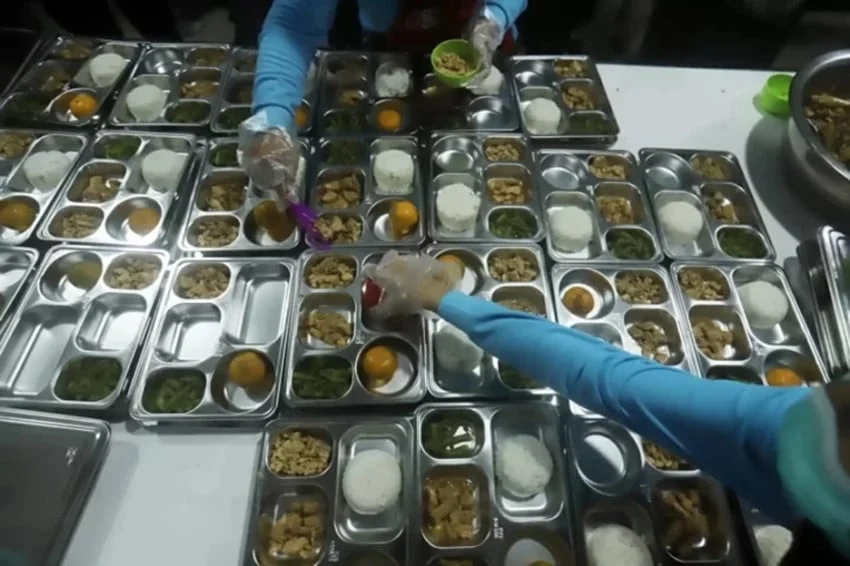
The rapid rollout of the MBG initiative has exposed significant systemic vulnerabilities within Indonesia’s localized food supply infrastructure. Delivering millions of fresh, warm, and nutritionally balanced meals daily requires an intricate network of centralized kitchens, local micro-enterprises, cold-chain transport, and timely school-level distribution.
Food safety experts point out that maintaining microbiological safety across tens of thousands of disparate preparation units presents a monumental administrative hurdle. Common contributing factors to mass food poisoning in school feeding programs globally include inadequate temperature control during holding and transit, improper hygiene among food handlers, cross-contamination of raw and cooked ingredients, and delayed consumption of perishable meals.
In the case of the MBG program, the reliance on numerous third-party vendors and local catering kitchens has created uneven compliance with standardized food safety protocols. While urban distribution centers benefit from relatively straightforward transport logistics, rural and semi-urban kitchens often struggle with basic infrastructure deficits, such as reliable refrigeration and potable water access, increasing the susceptibility of meals to bacterial proliferation.
Law Enforcement Scope and Investigative Protocols
With the parliamentary call for heightened police oversight, the Indonesian National Police faces an expanding mandate that intersects public health, administrative governance, and criminal law enforcement. Under the proposed framework, law enforcement agencies are expected to coordinate closely with the Indonesian Food and Drug Authority (BPOM) and local health departments to conduct forensic audits of implicated catering facilities.
When food poisoning incidents occur, standard protocols dictate the immediate collection of food remnants, vomit samples, and biological specimens from affected students for laboratory testing to identify specific pathogens, such as Salmonella, Escherichia coli, or Staphylococcus aureus. However, the involvement of the National Police introduces a parallel criminal investigation track focused on establishing liability. Investigators are tasked with determining whether the incidents stem from ordinary civil negligence—such as improper food handling or poor refrigeration—or rise to the level of criminal negligence punishable under the Indonesian Criminal Code. Furthermore, should evidence of intentional contamination or tampering be uncovered, investigators will pursue charges related to corporate and individual sabotage of vital national public services.
Socio-Economic Implications and Public Trust
The political and social fallout from the MBG contamination cases extends far beyond immediate public health concerns. As a flagship initiative designed to enhance human capital development and combat childhood stunting, the program holds immense symbolic and practical value for the government. Consequently, any sustained erosion of public confidence threatens not only the operational continuity of the feeding initiative but also broader faith in institutional delivery mechanisms.
Parents and educational institutions have expressed understandable anxiety regarding the safety of participating students. The psychological impact of mass illnesses within school environments has led to temporary suspensions of the program in several affected districts, pending thorough safety certifications. Analysts suggest that the swift intervention of law enforcement, coupled with transparent reporting of investigation results by BGN and health authorities, will be critical in restoring parental confidence and ensuring that the program can resume its intended trajectory without compromising student safety.
Future Outlook for the MBG Program
As the National Nutrition Agency refines its geographic priorities toward 3T regions and the National Police steps up its investigative and monitoring posture, the MBG program stands at a crucial crossroads. The coming months will likely see the implementation of stricter vendor accreditation standards, mandatory digital tracking of food transit times, and harsher penalties for suppliers who fail to meet baseline sanitary requirements.
By bridging the gap between civilian administrative oversight and criminal accountability, the concerted push by lawmakers and security agencies aims to fortify the program against both human error and malicious disruption. Ultimately, the long-term success of the Free Nutritious Meal initiative will depend on the government’s capacity to institutionalize rigorous quality assurance protocols while maintaining the expansive reach necessary to nourish Indonesia’s future generations.