
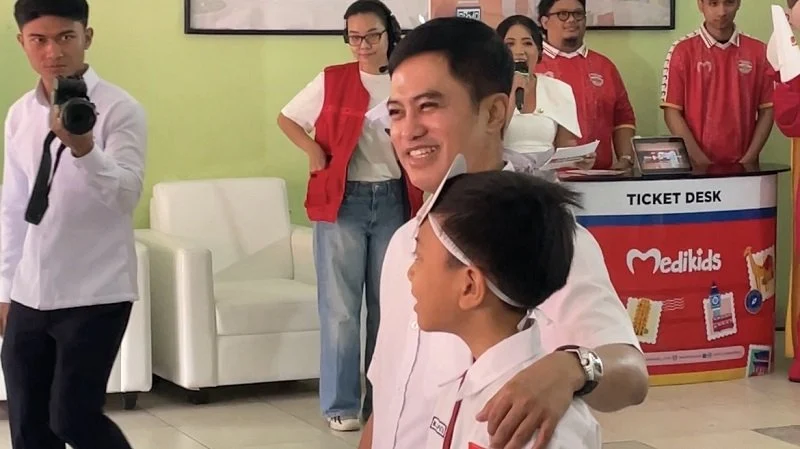
The Indonesian Ministry of Health has unveiled a proactive and innovative strategy to combat the nation’s escalating dental health crisis among school-aged children. With recent data indicating that approximately 41 percent of children in Indonesia suffer from dental caries—commonly known as cavities—Deputy Minister of Health Dante Saksono Harbuwono has proposed the empowerment of students within the School Health Unit (UKS) to serve as "Cavity Detectives." This initiative aims to integrate peer-to-peer monitoring into the school environment to facilitate early detection and professional intervention.
The announcement was made during the National Dental Health Week held at SDN 01 Menteng, Jakarta, on Thursday, September 17, 2026. By leveraging the existing infrastructure of the UKS, the Ministry of Health intends to transform students into the first line of defense against the widespread prevalence of dental decay, a condition that remains one of the most common non-communicable diseases affecting children in the archipelago.
The Magnitude of the Dental Health Crisis
The statistic that four out of ten Indonesian children suffer from tooth decay is a significant public health concern. Dental caries, if left untreated, can lead to severe pain, infections, and systemic health issues that impact a child’s ability to learn, concentrate, and socialize effectively. Chronic dental pain is frequently cited as a major contributor to school absenteeism and poor academic performance.
Beyond the immediate physical discomfort, the socioeconomic implications are profound. Families often face significant out-of-pocket expenses for dental procedures that could have been avoided with early detection and preventive care. The Ministry of Health’s decision to focus on school-based initiatives reflects a strategic shift toward preventive medicine, aiming to reduce the long-term burden on the national healthcare system, including the BPJS Kesehatan (Social Security Agency on Health) insurance scheme.
The Cavity Detective Program: Mechanism and Implementation
The proposed "Cavity Detective" program is designed to be both educational and operational. Deputy Minister Dante Saksono Harbuwono explained that the initiative would not simply rely on students to spot cavities; it involves a structured training regimen supported by standardized materials provided by the Ministry of Health.
"We are preparing a specific curriculum module for schools. This will empower students to conduct basic visual inspections of their peers’ dental health. When a student identifies a potential cavity, the protocol is clear: report the finding to the school teacher, who will then facilitate a formal referral to the nearest Puskesmas (Community Health Center)," stated Dante during his address.

This methodology relies on the concept of early screening. By utilizing the peer-to-peer model, the Ministry aims to bypass the barriers to entry that currently prevent many children from accessing dental checkups, such as lack of parental awareness, geographical distance, or fear of dental practitioners. By integrating these checkups into the daily school routine, the Ministry hopes to normalize dental hygiene and monitoring.
Contextualizing the National Dental Health Week
The announcement took place against the backdrop of the National Dental Health Week, an annual event dedicated to raising awareness about oral hygiene. In 2026, the focus has intensified on the "School-Based Dental Health" model. Experts have long argued that schools provide the most effective platform for public health interventions because they reach children at a stage where their dental health habits are still being formed.
In recent years, the Ministry of Health has been aggressively promoting the "Clean and Healthy Living Behavior" (PHBS) campaign. However, the persistence of high cavity rates suggests that traditional campaigns may not be sufficient. The "Cavity Detective" initiative represents a move toward active community engagement, shifting the responsibility from passive recipients of health education to active participants in the maintenance of their own and their peers’ health.
Supporting Data and Clinical Perspectives
Clinical data from the Indonesian Basic Health Research (Riskesdas) has historically shown a fluctuating but consistently high prevalence of dental issues among the youth. While the Ministry has implemented various fluoride treatment programs and school-based dental programs (UKGS) in the past, the current initiative seeks to bridge the gap between sporadic screenings and continuous monitoring.
Dentists and pediatric health experts have weighed in on the proposal, noting that the success of the program will depend largely on the training quality provided to the students. "The challenge lies in ensuring that the students are trained to recognize the early signs of decay—such as white spots—rather than just advanced, painful cavities," noted a public health analyst. "If implemented correctly, this creates a culture of oral health awareness that transcends the classroom and enters the home."
The Role of Puskesmas and Teachers
The effectiveness of the program is contingent upon the collaboration between schools and the local Puskesmas. The teacher’s role is pivotally shifted from a purely pedagogical one to that of a health coordinator. Once a student detective reports a concern, the teacher must act as the liaison to the healthcare system.
This model effectively creates a "referral chain." The Ministry of Health intends to provide schools with the necessary administrative tools to ensure that referrals are tracked and that children receive the follow-up care they require. This structured approach is expected to reduce the time between detection and treatment, which is critical in preventing the progression of dental decay into more serious oral diseases.

Challenges and Future Outlook
Despite the enthusiasm surrounding the program, critics point to potential challenges in implementation. These include the uneven distribution of dental resources across different regions in Indonesia, as well as the varying levels of teacher training and school facilities. In rural or remote areas, the link between a school and a functional Puskesmas may be tenuous, potentially creating a bottleneck in the referral process.
Furthermore, the Ministry of Health will need to ensure that the "Cavity Detective" program does not stigmatize children with poor dental health. The training for students must emphasize empathy, confidentiality, and the importance of professional medical care, rather than fostering a environment where children feel shamed for their health status.
Looking ahead, the Ministry plans to pilot the program in several major cities before a nationwide rollout. The success of this initiative will likely be measured by a reduction in the prevalence of untreated dental caries in future Riskesdas reports.
Broader Implications for Public Health
The "Cavity Detective" initiative is part of a broader strategy by the Indonesian government to digitize and improve the accessibility of primary healthcare. By decentralizing the detection process, the government is essentially crowdsourcing health monitoring, a strategy that could theoretically be applied to other areas of school health, such as nutrition monitoring or vision screening.
The emphasis on school-based intervention is a recognition that the future of public health in Indonesia lies in the hands of the younger generation. By teaching children to value their oral health and to look out for one another, the government is fostering a more health-conscious society.
As the Ministry of Health moves forward with the implementation of the module, the success of the program will depend on sustained funding, continuous teacher training, and a robust feedback loop between schools and community health centers. If successful, the "Cavity Detective" program could serve as a global model for school-based health interventions, proving that even simple, student-led initiatives can have a profound impact on national public health outcomes.
The integration of health education into the everyday experience of Indonesian students signifies a progressive step toward a healthier nation. While the statistics remain sobering, the proactive nature of the government’s approach provides a clear path forward in addressing the chronic issue of dental health in Indonesia. Through the empowerment of the next generation, the Ministry of Health is laying the groundwork for a future where dental health is not just a medical concern, but a shared community responsibility.
