
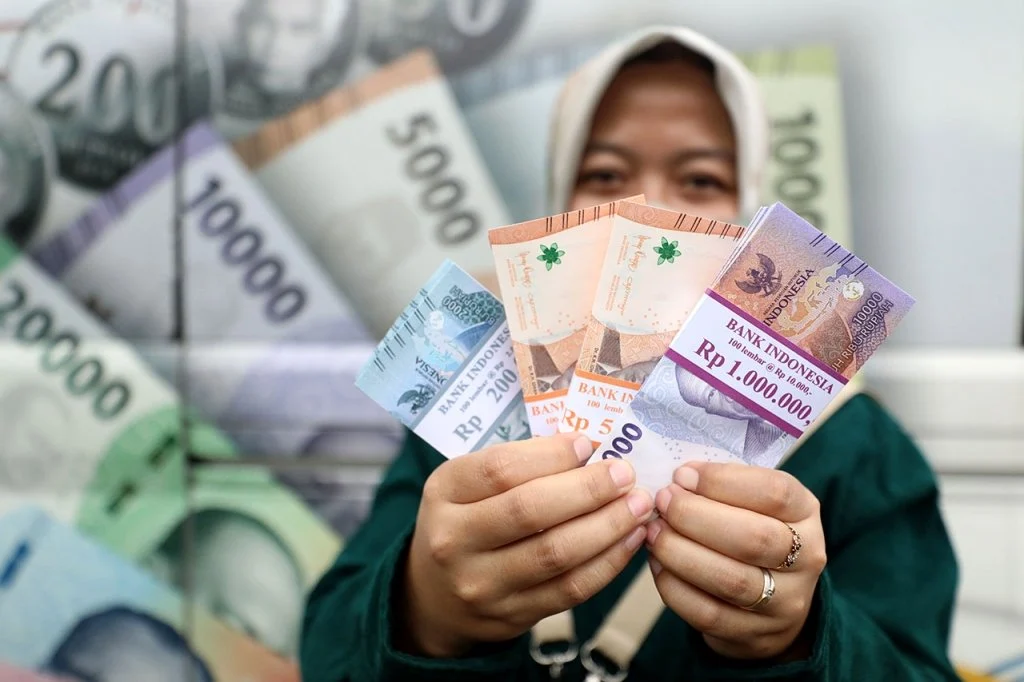
The government of Indonesia is preparing a major overhaul of its social welfare distribution system, with plans to transition toward a direct cash transfer model by the first half of 2027. Under the guidance of the National Economic Council (DEN), led by Luhut Binsar Pandjaitan, the administration is currently refining data sets to ensure that the upcoming financial assistance reaches the most vulnerable segments of the population. This initiative represents a shift in strategy, aiming to balance fiscal efficiency with targeted economic support for families in need.
Strategic Shift in Social Welfare Distribution
The proposed plan, which envisions a distribution of approximately Rp5.4 million per family, is designed to stimulate local consumption while providing a safety net against inflationary pressures. According to recent statements from the government, the transition toward a digital or coupon-based cash transfer system is intended to provide recipients with greater autonomy while simultaneously implementing safeguards to ensure funds are utilized for essential nutritional and household needs.
The decision to pivot toward a more direct form of social assistance follows months of internal deliberation regarding the efficacy of existing subsidy programs. By consolidating various smaller aid streams into a more cohesive direct cash transfer, the government hopes to reduce administrative overhead and minimize the risk of leakages in the distribution chain.
Chronology and Implementation Timeline
The roadmap for this program is structured around a rigorous data-cleansing phase scheduled to conclude by the end of 2026. This preparatory period is critical, as it involves cross-referencing national identity databases with household economic indicators to create an accurate registry of beneficiaries.
- Late 2026: Finalization of the beneficiary database and integration of administrative systems.
- Q1-Q2 2027: Official pilot program launch, where the new transfer mechanisms will be tested in selected regions to evaluate logistical feasibility.
- Late 2027: Full-scale evaluation of the pilot program, followed by potential national rollout pending final executive approval.
The focus on the first half of 2027 is strategic, allowing the government to gauge the macroeconomic impact of the injections before committing to a permanent, nationwide expansion.
Mechanism and Guardrails: Beyond Simple Cash
A significant aspect of the new policy is the implementation of a "controlled" cash transfer mechanism. While the assistance is intended to provide direct liquidity to households, the government is exploring the use of digital coupons or restricted-use vouchers to ensure that the funds are directed toward specific, high-priority commodities.
Luhut Binsar Pandjaitan emphasized that the intent is to support the nutritional standards of low-income families. Specifically, the program aims to promote the consumption of essential protein sources such as eggs and poultry. By restricting the use of the aid to these categories, the government aims to combat stunting and malnutrition in children, which remain significant public health challenges in Indonesia.
Furthermore, the government is introducing strict usage policies. To ensure that the assistance serves its intended purpose of poverty alleviation, the funds will be barred from being utilized for non-essential or harmful expenditures, such as online gambling—an issue that has recently become a focus of national policy intervention—or the purchase of alcoholic beverages.
Fiscal Implications and Economic Scope
The potential impact of this program is significant, with estimations suggesting that the government could leverage fiscal savings to fund a program of this magnitude. Current projections mention an ambitious figure of Rp1,200 trillion in potential fiscal space, though the exact funding for the Rp5.4 million allocation remains subject to the final approval of President Prabowo Subianto.
The scale of this funding suggests a robust commitment to social welfare. If fully implemented, the injection of such capital into the lower-income brackets of the economy is expected to have a multiplier effect on local markets. By increasing the purchasing power of these households, the government anticipates a boost in demand for agricultural and essential goods, which in turn could support local producers and small-to-medium enterprises (SMEs).
Challenges and Expert Perspectives
While the proposal is bold, economists note that the success of such a large-scale cash transfer program depends heavily on the accuracy of the targeting mechanism. The primary challenge remains the "exclusion and inclusion error," where deserving families might be left out, or households with higher income levels might inadvertently receive benefits.
Furthermore, the integration of digital coupon technology requires a robust financial infrastructure. For families in remote or rural areas where access to digital banking or electronic payment kiosks is limited, the government will need to develop offline or physical alternatives to ensure that the distribution is inclusive.
Labor experts and social policy analysts suggest that while direct cash transfers provide immediate relief, they must be complemented by long-term structural programs, such as job training and education initiatives, to ensure that families can eventually transition out of poverty. The government has signaled an awareness of this, noting that the social safety net is part of a broader strategy for economic resilience.
Government Response and Future Outlook
The National Economic Council has maintained that the current preparatory phase is not just about the distribution of funds, but about building a sustainable system of economic monitoring. By digitizing the process, the government expects to gain better visibility into how social assistance impacts the livelihoods of the recipients over time.
As the administration of President Prabowo Subianto continues to refine its economic agenda, the social assistance program stands as a cornerstone of its commitment to social equity. The transition to a more transparent and restricted cash transfer system reflects a global trend in welfare economics, where governments move away from broad subsidies toward targeted interventions that can be measured, audited, and adjusted in real-time.
For the citizens awaiting the program, the coming months will be a period of observation as the government completes its data verification. The effectiveness of the pilot program in early 2027 will likely serve as the litmus test for the long-term feasibility of this Rp5.4 million assistance package.
Strengthening Social Safety Nets in Indonesia
Indonesia has historically utilized various forms of social assistance, ranging from the Program Keluarga Harapan (PKH) to Bantuan Pangan Non-Tunai (BPNT). The new proposal by the National Economic Council represents an evolution of these programs, incorporating lessons learned from the challenges of past distributions.
One of the key lessons learned during previous aid cycles is the importance of real-time data updates. By investing in a more dynamic registry, the government aims to ensure that the aid responds to changing economic circumstances—such as job losses or sudden inflation—more effectively than static lists used in the past.
The involvement of the National Economic Council, a body tasked with providing high-level advice on economic policy, underscores the seriousness of this initiative. By aligning social welfare with broader economic strategies, the government is attempting to ensure that social aid is not seen merely as a cost, but as an investment in the human capital of the nation.
The Role of Technology and Monitoring
The move toward "smart" social assistance, utilizing coupon-based systems, necessitates a high degree of technological integration. If successful, this could reduce the administrative burden on local governments, which have often struggled with the logistical complexities of physical goods distribution.
Furthermore, by moving toward a digital footprint for these transfers, the government creates a trail that can be analyzed to identify consumption patterns. This data will be invaluable for future policy adjustments, allowing the state to understand which commodities are most essential to the target demographic and how price fluctuations in these goods impact household stability.
Conclusion
As the government moves toward the first quarter of 2027, the focus remains on execution and precision. The proposed Rp5.4 million direct cash transfer is a significant undertaking that reflects the current administration’s focus on poverty reduction through direct, targeted support. By combining the benefits of cash liquidity with the oversight of restricted usage, the policy seeks to strike a delicate balance between individual agency and the necessity of social responsibility.
While the program is still in its design and verification phase, the framework suggests a methodical approach to one of the most critical aspects of national governance: the welfare of its people. The upcoming pilot phase will be a critical period for assessing the operational capacity of the government to deliver on this promise, and it will undoubtedly be closely watched by stakeholders, economists, and the millions of families who stand to benefit from the initiative. As the deadline for the pilot approaches, the government’s ability to maintain the integrity of its data and the efficiency of its distribution will determine the overall success of this ambitious welfare transformation.
