
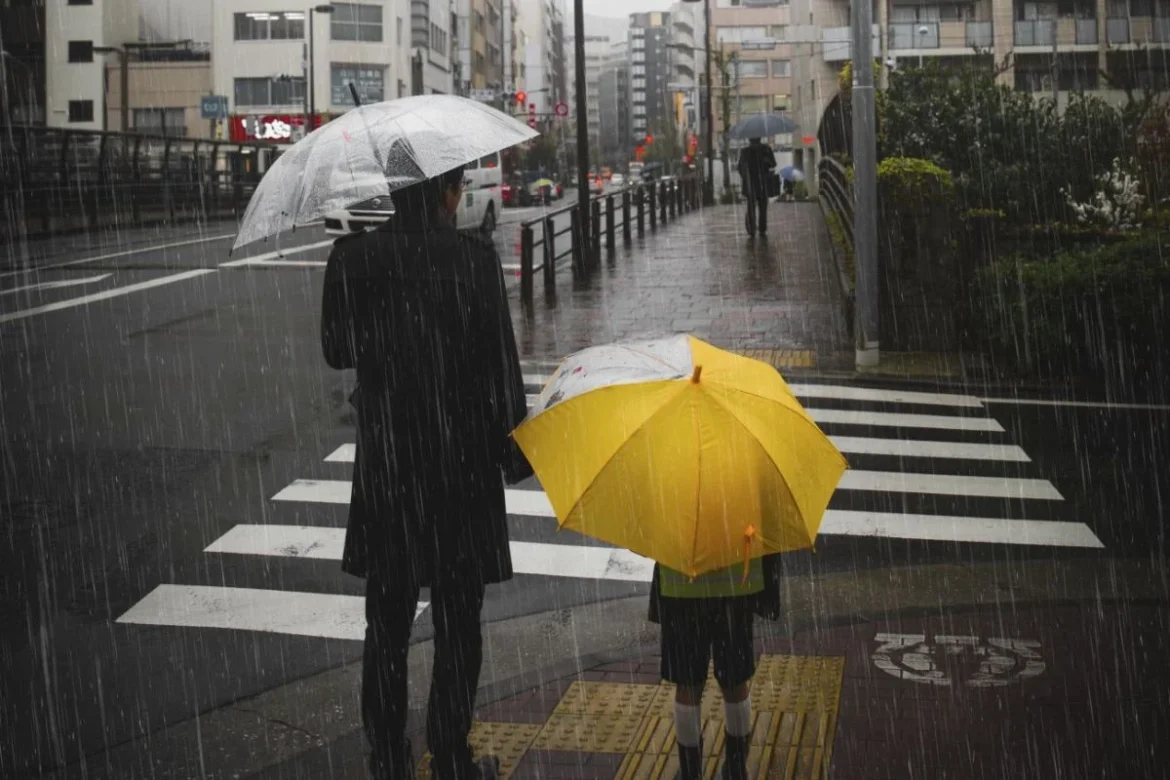
The Greater Jakarta area, colloquially known as Jabodetabek, is bracing for a day of mixed meteorological conditions this Friday, September 18, 2026. According to the latest data issued by the Indonesian Agency for Meteorology, Climatology, and Geophysics (BMKG), residents across the capital and its satellite cities should prepare for localized precipitation, with light rain expected to affect several key zones throughout the day. This atmospheric instability marks a shift in the local climate patterns as the region continues to navigate the transitional periods between seasonal cycles.
Regional Breakdown of Expected Precipitation
The weather forecast for today reveals a distinct geographical variance in rainfall distribution. In the heart of the capital, Jakarta, the outlook remains fragmented. While areas such as the Thousand Islands (Kepulauan Seribu), Central Jakarta, and South Jakarta are anticipated to experience cloudy conditions throughout the morning and afternoon, residents in West Jakarta and East Jakarta are advised to remain vigilant as light rain is projected to descend upon these districts.
Moving into the periphery of the capital, the satellite cities are also showing signs of scattered showers. The mountainous and elevated regions of Bogor—specifically the Regency and the City of Bogor—are expected to see light rain, a common occurrence given the area’s unique topography which often acts as a catchment for moisture. Similarly, the densely populated urban center of Depok is included in the BMKG’s forecast for light rain, necessitating that commuters and outdoor workers prepare for potential disruptions.
In the western sector, the situation is equally varied. Both the Regency and the City of Tangerang are predicted to experience light rainfall, potentially impacting morning traffic along the major toll roads connecting these hubs to Jakarta. In contrast, South Tangerang is currently forecasted to remain predominantly cloudy, providing a slight reprieve from the precipitation affecting its neighboring administrative regions. To the east, the City of Bekasi is slated for light rain, whereas the Bekasi Regency is expected to maintain a steady, cloudy sky without significant rainfall.
Meteorological Context and Seasonal Trends
The current weather pattern is consistent with the broader climatic shifts observed in the Indonesian archipelago during the month of September. As the region transitions, the interaction between local wind patterns and regional moisture influx often leads to the development of convective clouds. These clouds, which typically form in the afternoon, are the primary drivers of the short-lived, light-to-moderate rain showers currently being reported across the Jabodetabek area.
Meteorologists often emphasize that during this time of year, while the overall intensity of rainfall may not match the peaks of the monsoon season, the unpredictability of localized convective activity remains high. The formation of these clouds is frequently influenced by the urban heat island effect, where the dense concrete landscape of Jakarta and its surrounding industrial satellites retains heat, thereby accelerating the upward movement of air and the subsequent development of rain-bearing clouds.
Chronology of Data Dissemination
The BMKG updates its forecasts multiple times throughout the day to ensure that the public and emergency response agencies are equipped with the most accurate information. Early this morning, at approximately 03:01 WIB, the data was finalized and released to the public. This standardized reporting protocol allows for city administrations, such as the Jakarta Provincial Government and the respective regency offices in Bogor, Tangerang, and Bekasi, to adjust their disaster mitigation strategies if necessary.

Historical data suggests that such light rain forecasts, while seemingly minor, are critical for the management of urban infrastructure. For instance, in previous years, even light rain during the morning rush hour has been sufficient to cause significant congestion on the Jakarta Outer Ring Road (JORR) and major arterial roads leading into the Central Business District.
Socio-Economic Implications for Jabodetabek
The implications of today’s weather extend beyond mere inconvenience. Jabodetabek is a massive economic engine, home to over 30 million people, where a significant portion of the workforce relies on reliable public transportation and road networks. The forecasted rain, though categorized as "light," serves as a reminder of the vulnerability of the region’s logistics and transportation systems.
- Traffic Congestion: Historically, light rain in Jakarta reduces average traffic speeds by approximately 15% to 20% due to increased caution, road surface slickness, and a higher propensity for minor vehicular accidents.
- Public Health: During transitional weather, the incidence of seasonal illnesses often fluctuates. Local health authorities frequently issue advisories during such periods, urging citizens to maintain their immune systems and exercise caution regarding vector-borne diseases that can proliferate with stagnant water.
- Infrastructure Maintenance: The drainage systems across the metropolitan area are constantly monitored by the Public Works and Spatial Planning agencies. Even light rain requires these systems to be fully operational to prevent localized pooling, which can exacerbate traffic flow issues.
Expert Perspectives and Official Guidance
While the current forecast does not indicate extreme weather events, the BMKG continues to advise the public to monitor official channels for real-time updates. The agency emphasizes that localized weather conditions can change rapidly. In situations where rain clouds intensify, the potential for lightning or gusty winds—even in areas currently forecasted for "light rain"—cannot be entirely ruled out.
"The public is encouraged to stay informed through our official digital platforms and mobile applications," a representative from the agency noted in previous advisories. "While the current predictions indicate light rain, we always advocate for a proactive approach to weather preparedness, especially for those commuting on motorcycles or those working in outdoor environments."
For residents living in low-lying areas or regions prone to minor flooding, the standard advice remains to ensure that drainage channels around residential properties are free of debris. Small, consistent maintenance efforts are widely regarded as the most effective strategy for mitigating the impact of urban precipitation.
Looking Ahead
As the day progresses, the evolution of these cloud formations will determine the actual intensity of the rainfall. The meteorological community in Indonesia remains focused on refining short-term forecasting models, utilizing satellite imagery and ground-based weather stations to provide high-resolution data for the Jabodetabek area.
For today, Friday, September 18, 2026, the overall consensus is one of mild instability. While the rain is unlikely to cause widespread disruption, it necessitates a cautious approach to travel and outdoor activities. As the region moves toward the end of the work week, the combination of cloudy skies and light showers will likely define the atmospheric backdrop for the metropolitan population, serving as a reminder of the dynamic and ever-changing nature of the tropical climate that defines life in Jakarta and its satellite cities.
The public is encouraged to follow official news outlets and government-managed communication channels for any potential changes in weather alerts as the day unfolds. Ensuring that one has access to accurate, real-time information is the most effective way to navigate the day’s meteorological conditions safely and efficiently.
