The date of November 4 holds a significant place in the annals of global history, marking turning points in social, political, and cultural landscapes both in Indonesia and on the international stage. From the mass mobilization of civil society in the heart of Jakarta to the shifting tides of American presidential politics and the passing of influential figures, this day serves as a reminder of how specific moments can reshape national trajectories. By examining these events, one gains a deeper understanding of the complexities of democracy, identity, and leadership in the modern era.
The 411 Movement: A Defining Moment in Indonesian Civil Society
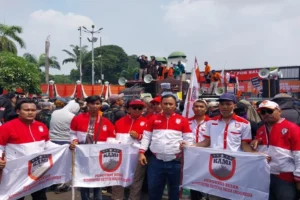
On November 4, 2016, Jakarta witnessed one of the largest mass mobilizations in the post-reformasi era, known colloquially as the "411 Action" or the "Aksi Bela Islam III" (Action to Defend Islam III). The protest was primarily triggered by public outcry over a speech delivered by then-Governor of Jakarta, Basuki Tjahaja Purnama, widely known as Ahok. During a visit to the Thousand Islands in September 2016, Ahok made remarks referencing Surah Al-Maidah verse 51 of the Quran, which were interpreted by various Islamic organizations as an act of religious blasphemy.
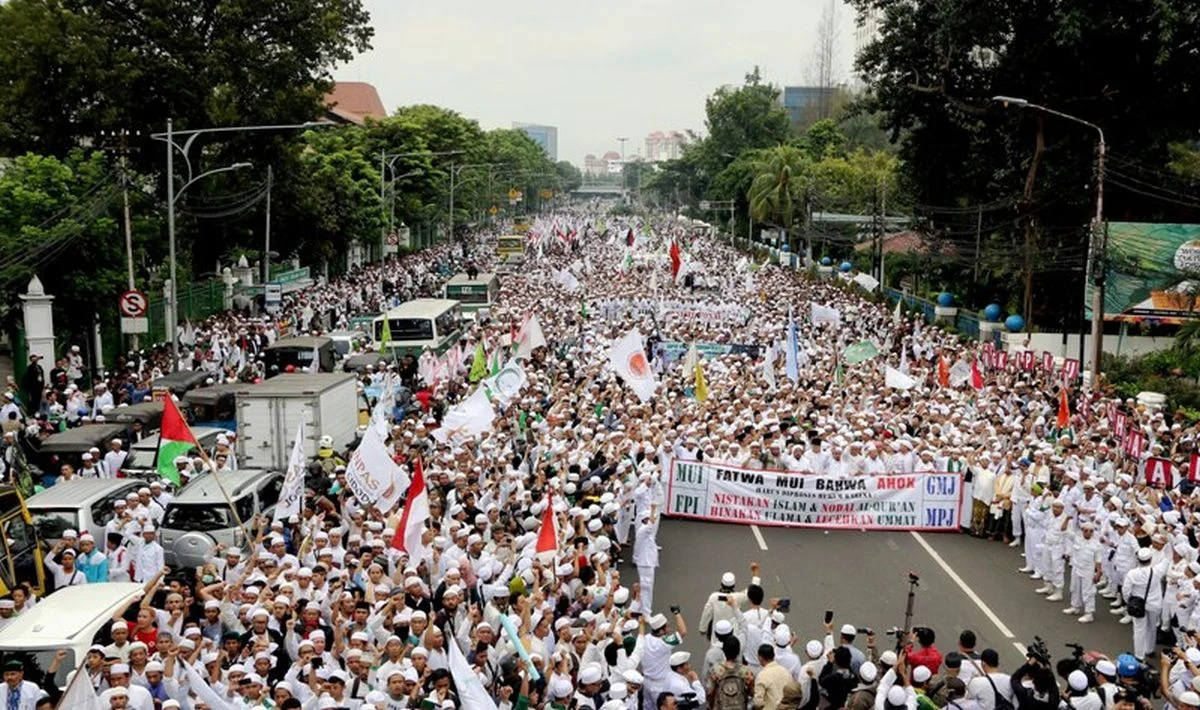
The movement was spearheaded by the Gerakan Nasional Pengawal Fatwa Majelis Ulama Indonesia (GNPF-MUI), a coalition of various conservative Islamic groups. The atmosphere in the capital was highly charged, with participants traveling from various provinces to converge on the National Monument (Monas) and the Istiqlal Mosque. The protesters demanded that the legal authorities conduct an immediate and transparent investigation into the alleged blasphemy.
Chronology and Scale of the Mobilization
The scale of the demonstration was unprecedented for Jakarta. Estimates from security officials and civil society observers suggested that between 100,000 to over 500,000 people participated in the march toward the State Palace. The government, anticipating potential instability, deployed approximately 20,000 security personnel, including members of the Indonesian National Police and the Indonesian National Armed Forces (TNI), to maintain order.
The day began with communal prayers, followed by a peaceful march through the city’s central thoroughfares. However, as the evening progressed, tensions rose near the State Palace. While the majority of the protesters conducted themselves peacefully, a small segment of the crowd engaged in skirmishes with security forces. Police responded with tear gas and water cannons to disperse the crowd after the established deadline for the protest had passed. The event highlighted the power of social media in mobilizing large crowds and the sensitivities surrounding religious identity in the political discourse of Indonesia.
Political and Social Implications
The 411 movement had a profound impact on the 2017 Jakarta Gubernatorial Election, which ultimately saw the defeat of the incumbent Ahok. Analysts argue that the movement accelerated the polarization of the Indonesian electorate, leading to a period of intense debate regarding the role of religion in state governance. The event forced the government to accelerate the legal process, with the police officially naming Ahok a suspect in the blasphemy case on November 16, 2016, just weeks after the protests.
The Election of Barack Obama: A Historic Shift in American Leadership
While Jakarta was grappling with domestic political tensions in 2016, the date of November 4 held a different, more celebratory significance in the United States eight years earlier. On November 4, 2008, the American electorate made history by electing Barack Hussein Obama as the 44th President of the United States. His victory over Republican nominee John McCain was not merely a political win; it was a cultural milestone that saw the first African-American ascend to the highest office in the U.S. government.
The Context of the 2008 Election
Obama’s victory occurred against the backdrop of a global financial crisis, arguably the most severe since the Great Depression. The collapse of major financial institutions, rising unemployment, and the ongoing fatigue from the wars in Iraq and Afghanistan created a political climate that favored "hope and change"—the core tenets of Obama’s campaign.

As a junior Senator from Illinois, Obama’s rise was meteoric. He defeated veteran politicians in the Democratic primary, including Hillary Clinton, by mobilizing a grassroots base of young voters and those who had historically been disengaged from the political process. His campaign utilized the emerging power of the internet and social media to reach donors and volunteers, setting a new standard for modern political campaigning.
Policy Legacy and Global Impact
During his tenure from 2009 to 2017, Obama oversaw the passage of the Affordable Care Act (ACA), often referred to as "Obamacare," which aimed to expand health insurance coverage to millions of uninsured Americans. Internationally, his administration sought to shift the focus of American foreign policy through the "pivot to Asia" and the pursuit of diplomatic breakthroughs, such as the Iran Nuclear Deal and the normalization of relations with Cuba.
His election was greeted with global enthusiasm, leading to him being awarded the Nobel Peace Prize in 2009. However, his presidency also faced significant challenges, including a deeply divided Congress and a slow recovery from the 2008 economic recession, which underscored the systemic difficulties in achieving radical policy shifts within the American democratic framework.
Haji Agus Salim: Remembering a Titan of Indonesian Diplomacy
Beyond the mass protests and the shifting of global power, November 4 also serves as a somber anniversary for Indonesia. On this date in 1954, the nation lost one of its most brilliant intellectual figures and diplomats, Haji Agus Salim. Known as "The Grand Old Man" of the Indonesian independence movement, Salim was a polyglot, a journalist, and a key architect of the young republic’s diplomatic identity.
Contributions to the Nation
Agus Salim was a pivotal figure in the Sarekat Islam movement and served as the Minister of Foreign Affairs for the Republic of Indonesia during the turbulent years of the National Revolution. His diplomatic skills were instrumental in securing early international recognition for Indonesia’s sovereignty. He famously participated in the 1947 diplomatic mission to the Middle East, which led to Egypt and other Arab nations becoming the first to recognize Indonesia as an independent state.
His life was marked by simplicity and intellectual rigor. Despite his high-ranking positions, he was known for living in modest conditions, often working from his home in Jakarta. His legacy remains a cornerstone of the Indonesian diplomatic corps, symbolizing the importance of integrity, wit, and intellectual depth in representing the nation’s interests on the global stage.
Analytical Perspective: The Thread of Change
When analyzing these events—the 411 protests, the election of Barack Obama, and the passing of Haji Agus Salim—one observes the recurring theme of systemic transition.
- The Role of Civil Society: The 411 protest demonstrated the immense capacity of civil society to influence the legislative and executive agendas of a modern democracy. It showed that when issues of identity and belief are mobilized, the political establishment must respond, whether through judicial processes or political realignment.
- The Power of Representation: Barack Obama’s election demonstrated the capacity of a democratic system to undergo fundamental demographic shifts in leadership. It signaled that political institutions, while often slow to change, are subject to the will of an evolving electorate that demands broader representation.
- The Importance of Intellectual Leadership: The legacy of Haji Agus Salim highlights the necessity of foundational figures who build the diplomatic and intellectual infrastructure of a nation. His work reminds contemporary leaders that the strength of a nation lies not just in its power, but in its ability to articulate its values to the world.
Conclusion
The events of November 4, ranging from the localized struggles in Jakarta to the global shifts in Washington, offer a window into how history is constructed. Each event represents a moment where public sentiment, political strategy, and historical circumstances converged to alter the path forward. Whether through the lens of mass demonstration, electoral transition, or the loss of a founding statesman, November 4 serves as a potent reminder of the dynamism inherent in human society. As history continues to unfold, these past events remain essential reference points for understanding the ongoing evolution of our national and international political systems.