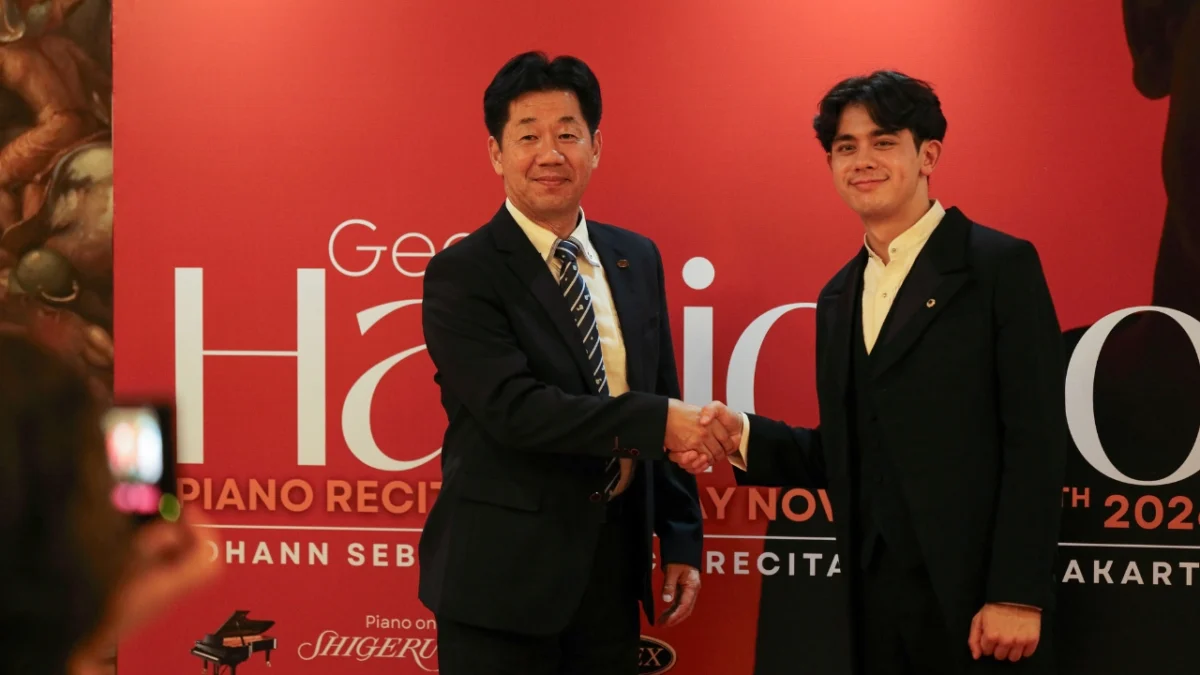
The classical music landscape in Indonesia witnessed a remarkable culmination of the 2026 concert season as acclaimed young British-Indonesian pianist George Harliono took the stage for an exclusive, highly anticipated piano recital. Held on November 8, 2026, at the prestigious J.S. Bach Recital Hall within the Aula Simfonia Jakarta complex, the afternoon performance was presented in collaboration with Kawai Musik Indonesia. The event served not only as a showcase of virtuosic mastery but also as a deeply personal gathering for classical music enthusiasts in the capital, bridging international acclaim with a profound connection to the local audience.
Background and International Prestige
George Harliono has rapidly emerged as one of the most compelling talents of his generation on the global classical music circuit. His international profile soared significantly following his triumph at the prestigious XVII International Tchaikovsky Competition in 2023, where he captured the Silver Medal. This milestone achievement firmly established his reputation among the elite echelon of contemporary pianists, catapulting him to prominent stages across Europe, Asia, and the Americas.
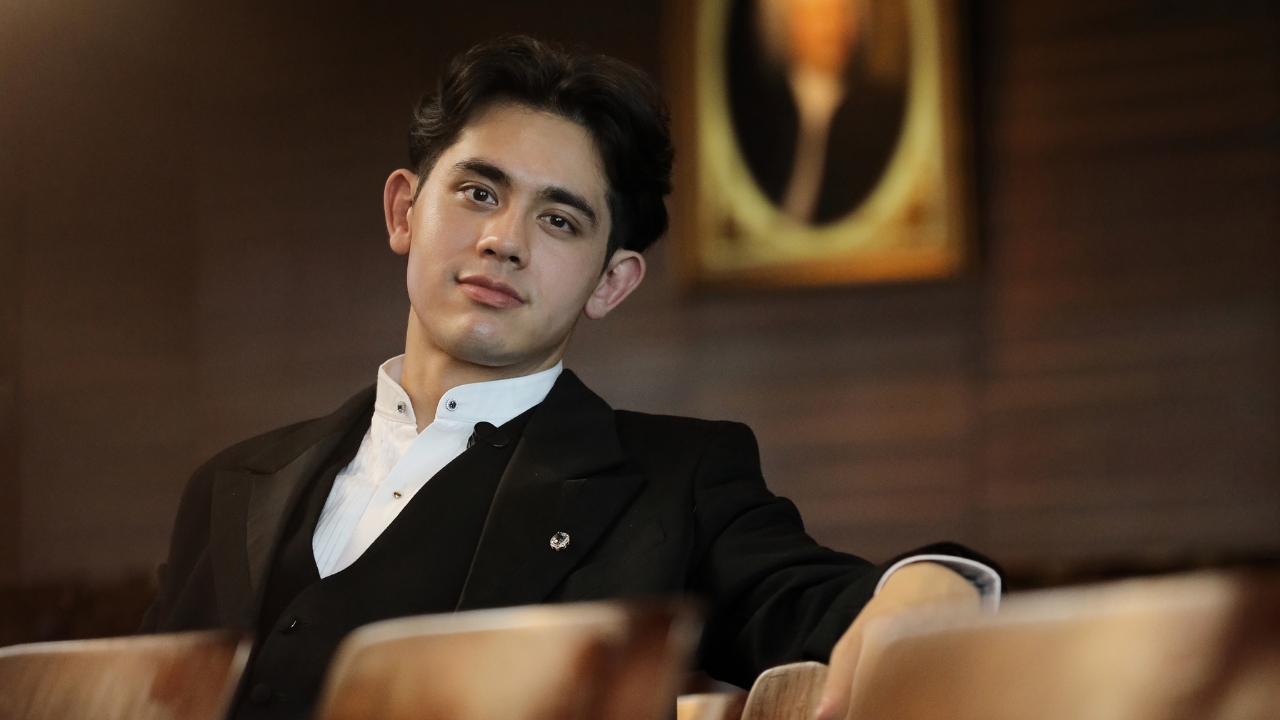
Despite his demanding international touring schedule, Harliono maintains a distinct commitment to performing in Indonesia, his ancestral homeland. Collaborations with institutional partners such as Kawai Musik Indonesia have allowed him to foster a burgeoning appreciation for classical music among diverse demographics in the region. The partnership with Kawai—a globally recognized manufacturer of premier acoustic pianos—ensured that the acoustic fidelity of the J.S. Bach Recital Hall was maximized, providing an optimal environment for both the performer and the discerning audience.
Chronology and Pre-Concert Insights
The day of the recital was characterized by meticulous preparation and a palpable sense of anticipation. Hours before the heavy oak doors of the recital hall swung open to welcome ticket holders, Harliono offered insights into his artistic philosophy during an exclusive briefing with cultural media representatives.
Reflecting on his career trajectory post-Tchaikovsky, the young virtuoso emphasized that technical accolades, while gratifying, are secondary to the interpersonal communion facilitated by live performance. Articulating his view on the medium, Harliono described music not merely as an arrangement of notes and rhythms, but as an alternative linguistic framework—a universal medium that bypasses the limitations of spoken syntax to communicate profound emotional truths directly. He expressed his intention for the recital to function as an intimate shared space, wherein the traditional barriers between soloist and listener dissolve, allowing both parties to experience the emotional architecture of the compositions simultaneously.

Musical Programming and Emotional Arc
Harliono curated the recital program with acute attention to the psychological and emotional trajectory of the audience, structuring the performance into distinct thematic movements that mirrored the changing seasons and the impending transition into the holiday period.
The first half of the program leaned into introspection, melancholy, and contemplative depth. Harliono opened the sequence with Ludwig van Beethoven’s Piano Sonata No. 14 in C-sharp minor, universally known as the "Moonlight Sonata." His interpretation of the opening Adagio sostenuto was praised for its haunting restraint, establishing a meditative silence in the hall before transitioning into the delicate fluidity of Frédéric Chopin’s Nocturne Op. 9 No. 1. These masterworks of the Romantic and Classical eras created an atmosphere of quiet solitude, inviting the audience into a shared psychological space of reflection.
Following the intermission, the second half of the program pivoted sharply toward vibrancy, theatricality, and celebratory anticipation. Harliono presented a selection of pieces arranged by Mikhail Pletnev from Pyotr Ilyich Tchaikovsky’s beloved ballet, The Nutcracker Suite—including the Intermezzo, Trepak, Tea Dance, and the Pas de Deux. By channeling the whimsical yet technically demanding orchestrations through the piano keyboard, Harliono summoned the festive spirit characteristic of the approaching December holiday season. This was complemented by the intricate, impressionistic color palettes of Maurice Ravel, testing the limits of dynamic control and tactile sensitivity on the Kawai grand piano.

Cultural Resonance and Encore
The formal conclusion of the program gave way to an emotionally charged encore sequence that underscored the pianist’s deep ties to Indonesia. In a gesture that resonated profoundly with the local attendees, Harliono performed arrangements celebrating Indonesian national identity, notably weaving in strains of patriotic melodies including "Ibu Kita Kartini." This inclusion served as a poignant reminder of his cultural heritage, fusing European classical rigor with an intimate homage to his roots.
The recital concluded amid a sustained standing ovation, marking a triumphant end to the year’s classical programming at the venue. Photography captured by Michael Purwagani documented the palpable warmth of the interactions between the artist and the audience during the post-concert engagements.
Broader Implications for Indonesia’s Classical Music Scene

The success of the George Harliono recital with Kawai Musik Indonesia highlights several positive developments within the country’s cultural infrastructure. First, it demonstrates the growing commercial and cultural viability of intimate recital formats. While large-scale orchestral concerts continue to draw substantial crowds, specialized performances in venues like the J.S. Bach Recital Hall offer audiences a rare chance to witness world-class artistry at close quarters, fostering a deeper educational and emotional engagement with the genre.
Furthermore, the involvement of major corporate patrons and instrument manufacturers such as Kawai plays a critical role in supporting the ecosystem for classical musicians in Southeast Asia. By providing access to top-tier instruments and underwriting high-profile performance opportunities, these partnerships help nurture domestic talent while encouraging international artists of Indonesian descent to maintain active artistic relationships with the region.
As classical music continues to find new audiences in the digital age, events anchored by artists of Harliono’s caliber prove the enduring power of the live, acoustic concert experience. The November 2026 recital not only cemented George Harliono’s status as a formidable interpreter of standard piano repertoire but also left an indelible mark on Jakarta’s cultural calendar, setting a high benchmark for future collaborations in the years to come.